A Complete Guide to 24-Hour Dental Care in Greenwood Indiana, and Navigating Dental Emergencies with Confidence
Picture this: it’s 2:17 AM on a frigid Saturday night in Greenwood, Indiana. The suburban streets are silent, but a throbbing, relentless pain in your molar has you pacing the floor. Over-the-counter pain relievers offer no solace, and the thought of waiting until Monday morning—or worse, enduring a holiday weekend—feels impossible. This scenario, a sudden and severe dental crisis outside standard 9-to-5 office hours, is a terrifying and painful reality for thousands every year. It’s in these vulnerable moments that the concept of 24-hour dental care transforms from a mere convenience into an essential lifeline.
For residents of Greenwood and the broader Southside Indianapolis area, the quest for “24 hour dental Greenwood Indiana” is a search for immediate relief, expert intervention, and, ultimately, peace of mind. This article serves not merely as a directory but as a comprehensive, deeply-researched manifesto on navigating the world of around-the-clock dental care. We will dissect the critical importance of accessible emergency dentistry, provide a detailed framework for identifying genuine emergencies, explore the operational model of 24-hour clinics, and offer practical financial and preventive advice. Our goal is to equip you with knowledge so profound that, should a dental disaster strike, fear is replaced by a clear, actionable plan.
2. The Critical Need for 24-Hour Dental Access
Dental emergencies are statistically unpredictable and often incapacitating. The American Dental Association (ADA) notes that dental pain is one of the most common reasons for emergency room visits, though ERs are typically ill-equipped to provide definitive dental treatment, often offering only antibiotics and pain medication before referring the patient to a dentist. This gap in care underscores the vital role of dedicated 24-hour dental services.
The need is multifaceted:
-
Trauma Accidents: Sports injuries, falls, and vehicle collisions can happen at any time, leading to avulsed (knocked-out) teeth, fractures, or jaw injuries that require immediate attention for the best prognosis.
-
Acute Infections (Dental Abscesses): These can develop rapidly, causing severe pain, swelling, fever, and potentially life-threatening systemic infections if not drained and treated promptly.
-
Unmanageable Pain: Severe pulpitis (inflammation of the tooth’s nerve) can cause pain so intense it prevents sleep, eating, or basic function, demanding urgent palliative care.
-
Post-Procedure Complications: Issues like a dislodged temporary crown, lost filling, or dry socket often arise after hours and require prompt management to protect the underlying tooth structure and investment.
For a community like Greenwood, a thriving suburb with families, athletes, and shift workers, access to 24-hour care is a critical component of the local healthcare infrastructure, preventing unnecessary suffering and more complex, costly treatments down the line.
3. Spotlight: Navigating 24-Hour Dental Services in Greenwood, Indiana
While standalone, physical “24-hour dental clinics” that are open literal 24/7/365 are rare in any suburban setting, Greenwood and its proximity to Indianapolis offer robust and reliable pathways to immediate emergency dental care. The model is typically a hybrid of after-hours emergency lines, weekend/holiday hours, and on-call dentists affiliated with larger practices.
Key Avenues for Care:
-
Large Dental Practices with Emergency Provisions: Many full-service family and cosmetic dental practices in the Greenwood area (e.g., along US-31, near the Greenwood Park Mall) have a dedicated emergency phone number that connects patients to an on-call dentist after hours and on weekends. They will schedule immediate appointments, often within the same day.
-
Endodontic (Root Canal) Specialists: Severe tooth pain often indicates a need for root canal therapy. Several endodontic offices in the broader Indianapolis region maintain urgent care slots for referred emergency cases.
-
Hospital-Affiliated Dental Services: Major hospitals in Indianapolis may have dental residency programs or affiliated oral surgeons on call for the most severe, trauma-related cases, particularly those involving facial bones or significant infection.
-
Virtual Triage: An increasing number of practices offer telehealth consultations to assess the emergency, provide initial guidance, and determine the necessary urgency of an in-person visit.
Common Dental Emergency Scenarios & Recommended Immediate Action (Before Reaching the Clinic)
| Emergency Scenario | Immediate “At-Home” Action | What Not to Do | Urgency Level |
|---|---|---|---|
| Knocked-Out Permanent Tooth | Handle by the crown (chewing surface), rinse gently with water if dirty, and try to reinsert into socket. If not possible, place in milk, saline, or a tooth preservation kit. | Do NOT scrub the root. Do NOT let it dry out. Do NOT store in water long-term. | EXTREME: See a dentist within 30-60 minutes for best chance of saving the tooth. |
| Severe Toothache with Swelling | Rinse with warm salt water. Use a cold compress on the outside of the cheek to reduce swelling. Take OTC pain reliever as directed. | Do NOT place aspirin directly on the gum/tooth. Do NOT ignore swelling, especially if it affects breathing/swallowing—go to ER. | HIGH: Requires professional intervention within 24 hours for antibiotics and treatment. |
| Cracked or Fractured Tooth | Rinse mouth with warm water. Save any pieces. Use a cold compress for swelling. | Do NOT chew on that side. Avoid extreme temperatures. | HIGH-MODERATE: See a dentist within 24 hours to prevent further damage/infection. |
| Lost Filling or Crown | Keep the crown safe. You can use temporary dental cement (from a pharmacy) or denture adhesive to temporarily reattach a crown. For a lost filling, sugar-free gum can be a very short-term plug. | Do NOT use super glue. Avoid very hot, cold, or sugary foods on the exposed tooth. | MODERATE: Schedule appointment within a few days to protect the tooth. |
| Broken Braces Wire | Use the eraser end of a pencil to gently push the wire into a less painful position. Cover the end with orthodontic wax or a small piece of gauze. | Do NOT cut the wire yourself. Do not ignore it, as it can cause injury. | MODERATE: Contact your orthodontist for a repair appointment. |
4. What Truly Constitutes a Dental Emergency?
Understanding the difference between a urgent situation and one that can wait is crucial. True emergencies involve:
-
Uncontrolled bleeding from the mouth.
-
Traumatic injury to the face, jaws, or teeth.
-
Swelling in the gums, face, or neck that is increasing or impairing breathing/swallowing.
-
Severe, unrelenting pain that is not alleviated by OTC medication.
-
A knocked-out permanent tooth.
Situations like a dull ache, a small chip with no pain, or a lost crown with no discomfort typically require prompt, but not immediate, attention.
5. The Anatomy of a 24-Hour Dental Clinic: What to Expect
Walking into an emergency dental appointment is different from a routine cleaning. The focus is on diagnosis, pain management, and stabilization.
-
Immediate Triage: You’ll be quickly assessed to determine the source and severity of the problem.
-
Diagnostic Imaging: A digital X-ray or cone-beam CT scan is almost always taken immediately to visualize the root, bone, and internal structures.
-
Treatment Plan for Stabilization: The dentist will explain the issue and present options to relieve pain and stop the immediate problem. This may be a pulpotomy (partial root canal), incision and drainage of an abscess, re-implantation of a tooth, or temporary restoration.
-
Definitive Treatment Scheduling: The emergency visit is often Phase 1. You will schedule a follow-up for the complete, permanent treatment (e.g., final root canal and crown, permanent filling, implant consultation) once the crisis is resolved.
6. A Step-by-Step Guide During a Dental Crisis
-
Stay Calm: Panic clouds judgment. Take a deep breath.
-
Assess the Situation: Use the table above to categorize your emergency.
-
Contact Your Dentist First: Call your regular dentist’s office—their after-hours message may provide an emergency contact.
-
Search for “Emergency Dentist Greenwood IN”: If you don’t have a regular dentist, use specific search terms. Read recent Google My Business reviews mentioning “emergency” or “after hours.”
-
Call and Describe Clearly: State your symptoms clearly: “I have a severe, throbbing pain in my lower right back tooth, and my cheek is starting to swell.”
-
Follow Pre-Visit Instructions: Apply cold compresses, take medication as advised.
-
Prepare for Your Visit: Bring ID, insurance cards, a list of medications, and any retrieved tooth fragments.
7. Financial Considerations: Insurance, Payment, and Affordable Care Options
Emergency dental care is an investment in your health. Be prepared:
-
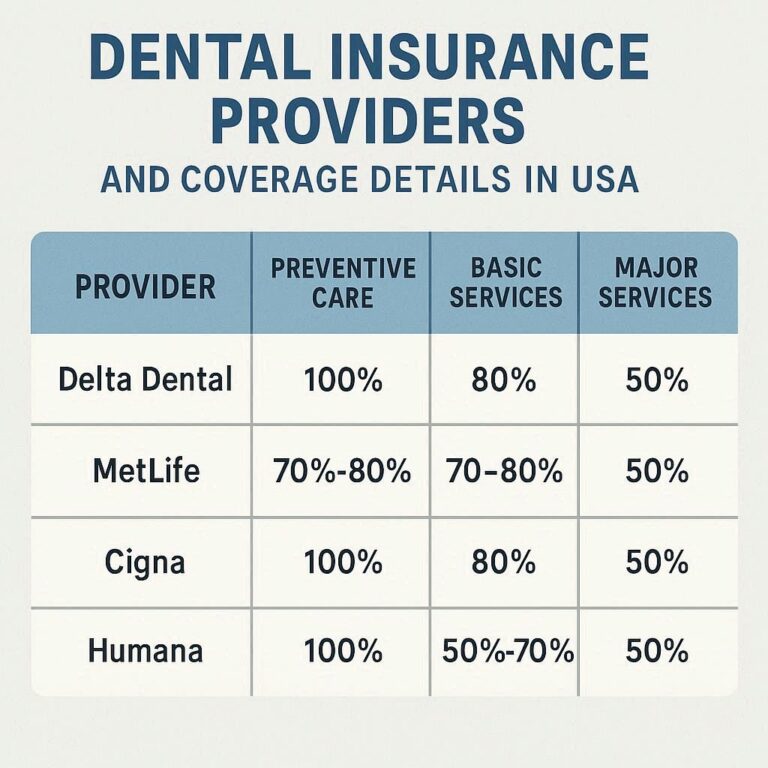
Insurance: Most dental PPO plans cover emergency exams and medically necessary procedures, often with a higher co-pay. Verify coverage when you call.
-
Payment Plans: Many clinics work with third-party financiers like CareCredit or offer in-house payment plans for larger treatments.
-
Dental Savings Plans: An alternative to insurance, these plans offer discounted fees for members at participating dentists.
-
Indiana University School of Dentistry: For non-emergency but urgent low-cost care, the dental school in Indianapolis provides supervised student treatment at significantly reduced fees.
8. Proactive Care: How to Minimize the Risk of Late-Night Emergencies
The best emergency visit is the one that never happens.
-
Maintain Meticulous Hygiene: Brush twice daily with fluoride toothpaste and floss thoroughly.
-
Wear Mouthguards: Use a custom-fit guard for sports and a night guard if you grind your teeth (bruxism).
-
Avoid Hard Objects: Don’t use teeth to open packages, crack nuts, or chew ice.
-
Attend Regular Check-ups: Biannual cleanings and exams allow dentists to catch and treat small issues (like cracks or decay) before they become painful emergencies.
9. Pediatric Dental Emergencies: Special Considerations for Parents
Remain calm—your child will mirror your anxiety. For knocked-out baby teeth, do not try to reinsert, as it can damage the developing permanent tooth. Focus on comforting the child, controlling any bleeding with gentle pressure from gauze, and contacting a pediatric dentist immediately. Most pediatric dental offices reserve time daily for true emergencies.
10. Technological Advancements in Emergency Dentistry
Modern emergency care is enhanced by technology: digital X-rays for instant, low-radiation images; intraoral cameras to show patients the problem; CAD/CAM systems for same-day crowns; and diode lasers for precise, minimally invasive soft tissue procedures.
11. Conclusion: Peace of Mind in Knowing “What If”
Dental emergencies are disruptive and frightening, but they are not insurmountable. For residents of Greenwood, Indiana, understanding the landscape of 24-hour and emergency dental care—from knowing how to identify a true crisis to having a plan for contacting and financing care—transforms vulnerability into preparedness. By prioritizing preventive care and arming yourself with the knowledge in this guide, you can face even a 2 AM toothache with clarity and confidence, ensuring your oral health is protected at any hour.
12. Frequently Asked Questions (FAQs)
Q1: Is there a truly 24/7 walk-in dental clinic in Greenwood?
A: Most practices operate on an on-call system. You must call the emergency number first to be assessed and given an appointment time. This ensures the dentist is prepared for your specific issue.
Q2: How much does an emergency dental visit cost without insurance?
A: Costs vary widely based on treatment. An emergency exam and X-ray may range from $150-$350. Procedures like extraction or incision/drainage can add $200-$600 or more. Always request a clear estimate before treatment.
Q3: Should I go to the ER or a dentist for a dental emergency?
A: Go to the ER for life-threatening issues: uncontrolled bleeding, difficulty breathing/swallowing due to swelling, or severe trauma to the face/jaws. For isolated, severe tooth pain, abscesses, or broken teeth, a dentist is the appropriate and more equipped provider.
Q4: Can a dental emergency wait until morning?
A: It depends. If you have signs of a spreading infection (fever, swelling, malaise) or a knocked-out tooth, no. If it’s a manageable ache or lost filling with no pain, it may be possible, but you should call as soon as the office opens.
13. Additional Resources & References
-
American Dental Association (ADA) – MouthHealthy: www.mouthhealthy.org/en/dental-care-concerns/dental-emergencies
-
American Association of Endodontists (Find an Endodontist): www.aae.org/find-an-endodontist/
-
Indiana Dental Association: www.indental.org/
-
CareCredit (Patient Financing): www.carecredit.com
-
National Domestic Violence Hotline (for orofacial injury support): 1-800-799-SAFE (7233)
14. Disclaimer
This article is for informational and educational purposes only and does not constitute professional medical or dental advice, diagnosis, or treatment. Always seek the direct advice of your own licensed dentist or other qualified healthcare provider with any questions you may have regarding a dental or medical condition. Never disregard professional advice or delay in seeking it because of something you have read in this article. While efforts are made to keep the information current, dental practice policies, services, and contact details in Greenwood, Indiana, are subject to change. The author and publisher are not responsible for any actions taken based on the information provided herein.