The Complete Guide to Full Mouth Dental Implants Cost in Illinois for 2026
If you’re living in Illinois and considering full mouth dental implants, you know it’s a life-changing decision. You’re likely researching one of the most important questions first: what does it cost? The answer, as you may have found, isn’t simple. The price for full mouth dental implants in Illinois isn’t a single number on a menu; it’s a range influenced by a dozen personal and clinical factors.
This guide is designed to cut through the confusion. We’ll provide you with realistic cost ranges for 2026, explain exactly what influences the price, and offer practical advice on navigating the financial aspects. Our goal is to equip you with the knowledge you need to make a confident, informed decision about your oral health and investment.
Understanding the Investment: What Are Full Mouth Dental Implants?
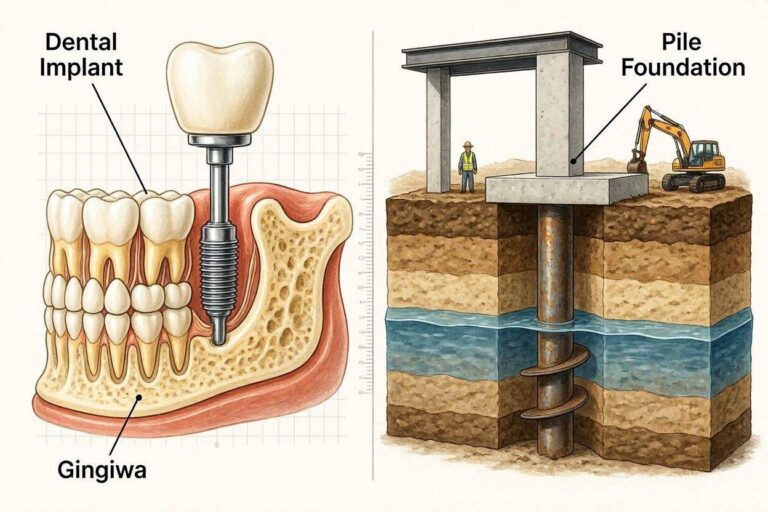
Before we dive into costs, let’s clarify what we’re talking about. Full mouth dental implants are a permanent solution for replacing all teeth in one or both jaws. Unlike removable dentures, they are fixed in place and function like natural teeth. There are two primary techniques:
All-on-4® / All-on-X: This popular method uses a minimal number of strategically angled implants (typically 4-6 per jaw) to support a full arch of prosthetic teeth. It often avoids the need for bone grafting and allows for immediate function.
Traditional Implant-Supported Dentures: This approach uses a higher number of implants (sometimes 6-8 or more per jaw) to support a fixed bridge. It can offer superior stability and is often recommended for patients with specific bone conditions.
Both methods represent a significant advancement over traditional dentures, offering improved chewing efficiency, bone preservation, and confidence.
Full Mouth Dental Implants Cost in Illinois: The 2026 Realistic Ranges
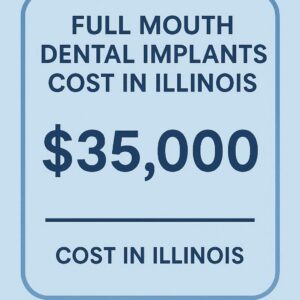
Here is the breakdown you’ve been searching for. These figures reflect the total comprehensive cost for treatment in Illinois, including all necessary procedures, components, and the final prosthetic teeth. These are estimates; your personalized treatment plan will determine the final cost.
| Treatment Type | Per Arch (Upper or Lower Jaw) | Full Mouth (Both Jaws) | Key Notes |
|---|---|---|---|
| All-on-4® / All-on-X | $15,000 – $28,000 | $30,000 – $56,000 | Most common quoted range. Price varies with material choice (acrylic vs. zirconia). |
| Traditional Implant-Supported Bridge | $20,000 – $35,000 | $40,000 – $70,000 | Higher implant count and more complex bridgework increase cost. |
| “Value-Oriented” Clinics | $12,000 – $20,000 | $24,000 – $40,000 | May use budget-grade components or less experienced surgeons. Due diligence is critical. |
| Premium / Complex Care Centers | $25,000 – $40,000+ | $50,000 – $80,000+ | Includes complex grafting, advanced imaging, and top-tier materials like monolithic zirconia. |
A Vital Note on Quotes: A surprisingly low quote is often a red flag. It may exclude essential steps like bone grafts, sinus lifts, extractions, or the cost of the final, permanent prosthesis. Always ensure you are comparing comprehensive treatment plans.
What’s Included in a Comprehensive Quote?
A trustworthy provider will give you a detailed breakdown that includes:
-
Consultation and 3D imaging (CBCT scan)
-
Any necessary extractions
-
Bone grafting or sinus lift procedures
-
The dental implants themselves
-
The abutments (connectors)
-
The temporary prosthetic teeth
-
The final, permanent prosthetic arch (the teeth you’ll wear for years)
-
All surgical and prosthetic appointments
-
Anesthesia or sedation fees
-
Follow-up care and warranty information
The 8 Key Factors That Drive Your Personal Cost in Illinois
Why does the cost vary so much? Your price is uniquely yours. Here are the primary factors that will shape your final investment.
1. The Health of Your Jawbone: This is the biggest wildcard. If you’ve been missing teeth for a while, bone loss is likely. Restoring that bone with grafting procedures adds cost ($500 – $3,500 per site) but is essential for long-term success.
2. The Number and Brand of Implants: More implants generally mean higher cost. The brand also matters. Established, researched brands like Nobel Biocare, Straumann, or Zimmer Biomet have a proven track record but are priced higher than generic alternatives.
3. The Material of Your Final Teeth: You have a choice, and it significantly affects price and longevity.
-
Acrylic Hybrid (PMMA): A cost-effective option for temporary or long-term use. It’s lighter but can wear faster and stain over 5-7 years.
-
Porcelain-Fused-to-Metal (PFM): Very strong, but the metal substructure can sometimes show at the gumline.
-
Zirconia: The premium choice. It’s incredibly strong, highly aesthetic, and biocompatible. A full-arch zirconia bridge is a major contributor to the higher end of the cost range but can last for decades.
4. The Expertise of Your Dental Team: You are paying for skill, experience, and judgment. A board-certified oral surgeon or prosthodontist with decades of implant experience commands higher fees than a general dentist who occasionally places implants. This expertise is your best insurance against complications.
5. Geographic Location Within Illinois: Costs in downtown Chicago or affluent suburbs like Naperville or Barrington will be higher than in rural central or southern Illinois, reflecting higher practice overhead.
6. The Complexity of Your Case: Do you need full-mouth extractions? Is there an active infection? Do you have underlying health conditions like diabetes that require special care? Complexity increases time, materials, and risk, thus increasing cost.
7. Type of Anesthesia/Sedation: Simple local anesthesia is included. Intravenous (IV) sedation, provided by a dedicated anesthetist, adds to the fee but offers maximum comfort for complex, lengthy procedures.
8. Technology and Diagnostic Tools: Practices that invest in guided surgery using 3D scans and surgical guides offer greater precision, shorter surgery times, and often better outcomes. This technology is factored into the cost.
Financing Your New Smile: Making Implants Accessible in Illinois
The upfront cost is substantial, but it’s an investment spread over 20+ years. Very few people pay cash. Here are the most common pathways to affordability:
-
Dental Practice Payment Plans: Many implant clinics offer in-house, interest-free or low-interest payment plans, allowing you to pay over 12-24 months.
-
Medical/Dental Financing Companies: CareCredit, Alphaeon Credit, and others offer extended loan terms (often 24-60 months) specifically for healthcare procedures.
-
Health Savings Accounts (HSA) / Flexible Spending Accounts (FSA): These use pre-tax dollars, effectively giving you a discount equal to your tax rate.
-
Dental Insurance: While most plans have annual maximums too low to cover implants, they may cover portions like extractions, bone grafts, or the abutment crowns. Always submit a pre-treatment estimate.
-
Medical Insurance: In some cases, if tooth loss is due to a medical condition or accident, parts of the surgery may be covered under medical insurance.
Important Note from a Financial Coordinator: “Think of financing as part of your treatment plan. A good provider will have a dedicated coordinator to help you explore all options. If a practice pressures you into high-interest, long-term loans without discussing alternatives, consider it a warning sign.”
How to Choose the Right Provider in Illinois: It’s Not Just About Cost
Choosing based on price alone is the riskiest thing you can do. Your goal is to find the best value—the optimal combination of skill, materials, and care for your investment.
Your Checklist for Vetting an Implant Provider:
-
Credentials & Training: Look for surgeons who are board-certified in oral surgery, periodontics, or prosthodontics. Ask about their specific training in full-arch reconstruction.
-
Experience & Portfolio: Ask how many full-mouth cases they complete each year. Request to see before-and-after photos of similar cases.
-
Technology: The practice should have an in-house CBCT 3D scanner and use guided surgery technology.
-
The Team Approach: The best outcomes come from a collaborative team—a surgeon who places the implants and a restorative dentist who designs the teeth—working together from day one.
-
Patient Reviews & Testimonials: Read reviews on independent platforms. Look for comments about the entire process, not just the surgery.
-
The Consultation: You should feel heard, not rushed. They should explain all options (not just one), show you a detailed plan, and provide a transparent, written quote.
Conclusion
Navigating the cost of full mouth dental implants in Illinois requires understanding that you are investing in a permanent solution crafted for your unique needs. By focusing on comprehensive value—the surgeon’s expertise, the quality of materials, and the clarity of your treatment plan—you can make a decision that restores not just your smile, but your quality of life for decades to come.
Frequently Asked Questions (FAQ)
Q: Does Medicare or Medicaid in Illinois cover full mouth dental implants?
A: Traditional Medicare (Part A & B) does not cover dental implants. Illinois Medicaid (HealthChoice Illinois) offers very limited dental benefits for adults, primarily focused on emergency care and pain relief, and does not typically cover implants. It’s best to check directly with your managed care plan for the most current information.
Q: How long does the entire process take from start to finish?
A: The timeline varies. With immediate-load protocols like All-on-4, you can leave with a temporary set of teeth on the same day as surgery. However, the entire process—including healing, adjustments, and fabricating the final zirconia or acrylic teeth—typically takes 6 to 12 months.
Q: Are there less expensive alternatives I should consider in Illinois?
A: Yes, but with trade-offs. Traditional dentures are the least expensive option but offer significantly less function and can accelerate bone loss. Implant-supported overdentures (snapping onto 2-4 implants) are a mid-cost option that offers more stability than regular dentures but are still removable. Discuss your lifestyle goals and budget with your dentist to find the right balance.
Additional Resources
-
American College of Prosthodontists (ACP): Patient education website (www.gotoapro.org) to find a qualified prosthodontist in Illinois.
-
American Academy of Implant Dentistry (AAID): Find a credentialed implant dentist and access patient information.
-
Illinois State Dental Society (ISDS): A resource for finding licensed dentists and understanding patient rights in Illinois.
Disclaimer: This article is for informational purposes only and does not constitute medical or financial advice. Costs are estimates and can vary widely. You must consult with a qualified dental professional for a personal examination and treatment plan. All brand names and trademarks are property of their respective owners.
Date: January 18, 2026
Author: The Team at Illinois Implant Guide