Understanding Nitrous Oxide Dental Cost: A Realistic Guide for Patients
For many, the thought of a dental appointment brings a wave of anxiety. The sounds, the sensations, and even the anticipation can be enough to keep people from getting the essential care they need. If this sounds familiar, you’ve likely heard about nitrous oxide, often called “laughing gas,” as a potential solution. But immediately, a practical question arises: what does it cost?
The cost of nitrous oxide sedation in dentistry isn’t a single, fixed number. It’s a variable influenced by geography, procedure, and practice type. This comprehensive guide will demystify “nitrous oxide dental cost” for you. We’ll break down the factors at play, provide realistic price ranges, discuss insurance nuances, and help you determine if this gentle form of sedation is a valuable investment for your peace of mind and oral health.
What is Nitrous Oxide Sedation?
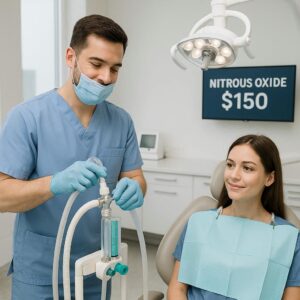
Before we talk numbers, let’s understand the product. Nitrous oxide is a colorless, sweet-smelling gas that you breathe in through a small mask placed over your nose. It’s mixed with oxygen, and its primary job is not to put you to sleep, but to induce a state of deep relaxation and mild euphoria.
“Nitrous oxide is one of the safest and most effective tools we have for managing mild to moderate dental anxiety. It allows patients to receive necessary care in comfort, and it wears off almost immediately, allowing them to drive themselves home afterward.” – A Common Sentiment Among General Dentists
You remain conscious and able to follow instructions, but feelings of worry and tension simply melt away. The effects are rapid, beginning within a few minutes, and equally quick to dissipate once the mask is removed and you breathe pure oxygen for a few minutes.
Key Factors That Influence the Nitrous Oxide Dental Cost
Why does the price vary from $50 to $300 or more? Several elements come into play.
1. Geographical Location
Dental fees, like the cost of living, differ significantly across the country. Practices in major metropolitan areas (e.g., New York City, San Francisco) typically charge more than those in suburban or rural regions due to higher operational overheads.
2. Type of Dental Practice
A general dentist offering nitrous oxide for a routine cleaning or filling will often have a lower fee than a specialist, such as an oral surgeon or periodontist, who may use it in conjunction with more complex procedures like implant placements or gum surgeries.
3. Length and Complexity of the Procedure
This is a major driver. Nitrous oxide is typically billed per 15-minute interval or as a flat fee for the entire session. A one-hour wisdom tooth consultation will cost less for sedation than a three-hour multiple restoration appointment.
4. The Dentist’s Expertise and Equipment
Offering safe sedation requires specific training, licenses (varying by state), and specialized equipment that must be maintained and inspected. These practice costs are factored into the fee.
5. Administrative and Monitoring Fees
A qualified staff member must monitor your vital signs throughout the procedure. This dedicated attention is part of the service and the cost.
National Average Cost Ranges: A Realistic Breakdown
Let’s translate those factors into tangible numbers. The following table provides a clear picture of what you might expect to pay.
Comparative Cost Table: Nitrous Oxide Sedation
| Fee Structure | Typical Cost Range | Best For |
|---|---|---|
| Flat Fee per Visit | $75 – $150 | Shorter, single procedures (e.g., filling, cleaning for anxious patients). |
| Per 15-Minute Block | $25 – $50 per block | Longer or unpredictable procedures (e.g., root canal, crown prep). |
| As Part of a Package | Often included at a fixed rate | Pediatric dentistry visits or specialty surgical procedures. |
Important Note: These are national averages for the sedation service alone. They are added to the cost of your actual dental procedure (the filling, crown, extraction, etc.). Always ask for a detailed, pre-treatment estimate that separates the procedure cost from the sedation cost.
Cost in Context: A Scenario
Imagine you need two fillings, estimated to take 60 minutes.
-
Cost of fillings: $300
-
Nitrous oxide (flat fee for appointment): $125
-
Estimated Total Cost: $425
This clear breakdown prevents surprises and allows for informed financial planning.
Does Dental Insurance Cover Nitrous Oxide?
This is one of the most common and crucial questions. The answer is: it depends, and often only partially.
-
Medical Necessity is Key: Most insurance plans will cover a portion of sedation costs if it is deemed “medically necessary.” This can include documented dental phobia, a strong gag reflex, or certain cognitive or physical conditions.
-
Common Coverage Structure: If covered, a typical plan might pay for 50-80% of the sedation fee, once your annual deductible is met. However, many plans have annual maximums (e.g., $1,000-$1,500) that the combined cost of your procedure and sedation must fit within.
-
Pre-authorization is Crucial: We cannot overstate this. Before your appointment, have your dental office submit a pre-treatment estimate to your insurance company. They will return a breakdown of what they will and will not pay. This is your financial roadmap.
-
Cosmetic Procedures: If nitrous oxide is used for a purely cosmetic treatment (e.g., teeth whitening), insurance is very unlikely to provide any coverage.
Helpful List: Steps to Navigate Insurance for Sedation
-
Call Your Insurer: Ask specifically: “Does my plan cover nitrous oxide (procedure code D9230) for non-surgical dental procedures? What is the co-pay or percentage?”
-
Request a Pre-Authorization: Provide your dentist’s office with your insurance details and ask them to submit the planned procedure and sedation codes for an estimate.
-
Review the Explanation of Benefits (EOB): Compare the insurance estimate to your dentist’s final bill.
-
Ask About Financing: If out-of-pocket costs are a concern, most dental practices offer third-party financing plans (like CareCredit) with low or no-interest payment options.
The Value Proposition: Is Nitrous Oxide Worth the Cost?
Viewing the cost solely as an expense misses the bigger picture. For many, it’s an investment in several critical areas:
-
Overcoming Avoidance: The single biggest value. For patients who have avoided the dentist for years due to fear, the cost of sedation pales in comparison to the cost of extensive, emergency dental work required due to neglect.
-
Improved Experience: It transforms a traumatic, white-knuckle experience into a manageable, even pleasant one. This builds positive associations, encouraging regular future visits.
-
Efficiency for Dentist and Patient: A relaxed patient allows the dentist to work more efficiently and precisely, which can improve clinical outcomes.
-
Safety: Compared to oral sedatives, nitrous oxide allows you to maintain your own reflexes and recover quickly, eliminating the need for an escort in most cases.
FAQ: Your Questions on Nitrous Oxide Cost, Answered
Q: Is nitrous oxide safer than “going under” general anesthesia?
A: Yes, absolutely. Nitrous oxide is a form of minimal sedation (“conscious sedation”). You are awake and responsive. General anesthesia renders you completely unconscious and is used for major surgery in a hospital setting, with significantly higher costs and risks.
Q: Can I use my HSA or FSA to pay for nitrous oxide?
A: In most cases, yes. If the dental treatment itself is medically necessary (which most restorative and preventive care is), the associated sedation cost is typically an eligible expense for Health Savings Accounts (HSAs) and Flexible Spending Accounts (FSAs). Keep your itemized receipt.
Q: Why is nitrous oxide so popular in pediatric dentistry? Is the cost the same?
A: It’s popular because it’s exceptionally safe and effective for children who are fearful or have difficulty sitting still. The cost is often similar, but many pediatric dentists may include a short sedation period in a flat fee for a procedure like a filling.
Q: Are there any hidden costs I should ask about?
A: Always ask for a complete, written estimate that includes: 1) The dental procedure fee, 2) The nitrous oxide/sedation fee (and how it’s calculated—per visit or per minute), and 3) Any monitoring or facility fees. There should be no “hidden” fees if you get this upfront.
Making the Decision: A Practical Checklist
-
Assess Your Anxiety Level: Is your fear causing you to delay or cancel appointments?
-
Consult Your Dentist: Discuss your anxiety openly. A good dentist will explain all options, from nitrous oxide to oral sedatives.
-
Get the Financial Picture: Request a pre-treatment estimate from your dentist and a pre-authorization from your insurance.
-
Weigh Value vs. Cost: Consider the long-term value of receiving comfortable, timely care versus the immediate out-of-pocket cost.
Additional Resource: For a deeper understanding of patient rights and financial agreements in healthcare, the American Dental Association’s website (ADA.org) offers consumer guides on understanding dental costs and insurance. Your local dental society is also a valuable resource for finding practitioners in your area.
Conclusion
The cost of nitrous oxide in dentistry is a variable but manageable investment, typically ranging from $75 to $300 as an add-on service. Its true value lies not just in the procedure itself, but in its power to overcome anxiety, prevent dental avoidance, and ensure a positive, comfortable care experience. By understanding the factors that influence price, proactively engaging with your insurance, and viewing the fee through the lens of long-term oral health, you can make a confident, informed decision for your well-being.
Disclaimer: This article is for informational purposes only and does not constitute medical or financial advice. Fees, insurance policies, and dental practices vary widely. Always consult directly with your dental care provider and insurance company for specific information regarding your treatment plan and costs. Published January 19, 2026.