
How Long Should a Tooth Filling Last?
You’re sitting in the dentist’s chair, and you’ve just been told you need a filling. It’s a common procedure, but a question naturally pops into your head: “How long is this going to last?” Whether you’re facing your first filling or wondering about an older one, understanding the lifespan of dental fillings is key to managing your oral health and your expectations.
The truth is, there’s no single, universal expiration date stamped on a tooth filling. Its longevity isn’t a matter of luck; it’s the result of a partnership between the materials used, the skill of your dentist, and—most importantly—your daily habits. A filling is a repair, and like any repair, its durability depends on a combination of quality workmanship and proper care.
In this comprehensive guide, we’ll move beyond simple guesses and explore the realistic, evidence-based factors that determine filling lifespan. We’ll break down the different materials, explain what wears them down, and give you clear, actionable steps to help your fillings last as long as possible. Think of this as your owner’s manual for dental fillings.
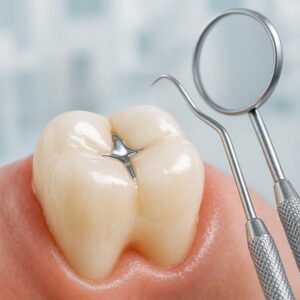
Understanding Dental Fillings: More Than Just a Plug
Before we dive into longevity, let’s clarify what a filling does. When a tooth develops a cavity (decay), the dentist removes the damaged portion. This leaves a hole or defect. A filling isn’t just a plug to fill space; it’s a restoration designed to:
-
Seal the tooth from bacteria and further decay.
-
Restore the tooth’s shape so you can chew properly.
-
Regain normal function and comfort.
A filling’s job is to withstand immense forces—the grinding and pressure of chewing, exposure to extreme temperatures from food and drink, and the constant, acidic environment of your mouth. It’s a tall order, which is why the choice of material is so critical.
The Lifespan Spectrum: What’s Realistic?
So, let’s answer the core question directly. How long should you expect a tooth filling to last?
General Expectations:
-
Composite (tooth-colored) fillings: 5 to 15 years.
-
Amalgam (silver) fillings: 10 to 15 years, with many lasting 20+ years.
-
Gold fillings (inlays/onlays): 15 to 30+ years.
-
Ceramic/porcelain fillings: 10 to 15+ years.
These ranges are averages based on clinical studies and practice data. It’s crucial to understand that a filling is not necessarily a “lifetime” solution. While some last decades, others may need attention sooner due to the factors we’ll discuss next.
Expert Insight: “We often say a filling’s lifespan is a dialogue between the material and the mouth. A perfectly placed gold inlay in a meticulously cared-for mouth can outlast its owner. A large composite in a heavy grinder might be a champion if it lasts a decade. Setting realistic expectations with your dentist is the first step to long-term satisfaction.” – Dr. Angela Morris, DDS.
The Deciding Factors: What Influences Filling Longevity?
A filling’s durability isn’t random. It’s influenced by a clear set of variables. Understanding these puts you in the driver’s seat for maintaining your dental health.
1. The Material Matters: A Side-by-Side Comparison
The substance your dentist uses is the foundation of longevity. Here’s a detailed breakdown.
| Material | Typical Lifespan Range | Key Advantages | Key Disadvantages | Best For |
|---|---|---|---|---|
| Composite Resin | 5 – 15 years | Aesthetic (tooth-colored), bonds directly to tooth, conservative preparation, repairable. | Less durable than amalgam/gold, can stain over time, technique-sensitive placement. | Small to mid-sized cavities in visible areas (front & back teeth). |
| Dental Amalgam | 10 – 20+ years | Highly durable, wear-resistant, less technique-sensitive, cost-effective. | Not aesthetic (silver), requires more tooth removal, contains mercury (safe but controversial). | Large cavities in back molars where strength is paramount. |
| Gold (Inlay/Onlay) | 15 – 30+ years | Exceptionally durable, biocompatible, gentle on opposing teeth, precise fit. | Highest cost, not aesthetic, requires multiple visits. | Large restorations where longevity is the top priority. |
| Ceramic/Porcelain | 10 – 15+ years | Excellent aesthetics, stain-resistant, biocompatible. | Brittle (can fracture), often requires lab fabrication, higher cost. | Visible teeth where both strength and aesthetics are needed. |
| Glass Ionomer | < 5 years | Releases fluoride (good for high-risk patients), bonds to tooth. | Weak, wears easily, poor aesthetics. | Temporary fillings, non-load bearing areas, children’s teeth. |
2. The Role of Your Dentist’s Expertise
The best material can fail if placed incorrectly. Key skills include:
-
Complete Decay Removal: Leaving any decay underneath guarantees failure.
-
Moisture Control: Saliva or blood contamination during placement weakens the bond for composites.
-
Proper Contouring: The filling must be shaped to fit your bite perfectly. A filling that’s “too high” will bear excessive force and crack.
3. Location, Location, Location
Where the filling is in your mouth dramatically impacts its duty cycle.
-
Molars (Back Teeth): Bear 80-90% of chewing force. Fillings here endure tremendous pressure and are more likely to wear or fracture.
-
Premolars & Front Teeth: Experience less direct force but are crucial for tearing and biting. Edge fillings on front teeth can chip.
4. The Size of the Filling
A small filling in the center of a strong tooth will generally last longer than a large filling that replaces multiple cusps (the pointed parts of your tooth). Large fillings leave less natural tooth structure, making the entire unit more prone to fracture.
5. Your Personal Habits & Oral Hygiene
This is the factor you control completely. Your daily routine is the single biggest determinant of long-term success.
-
Oral Hygiene: Brushing twice daily and flossing once a day prevents new decay from forming at the margins (edges) of the filling. This “recurrent decay” is the #1 reason fillings fail.
-
Diet: Frequent snacking on sugary or acidic foods/drinks creates an environment where decay thrives, attacking the seal of the filling.
-
Bruxism (Teeth Grinding/Clenching): This habit exerts forces far beyond normal chewing and is a major cause of filling fracture, wear, and tooth cracking. If you grind, your dentist will likely recommend a nightguard.
-
Other Habits: Chewing ice, hard candies, pens, or using your teeth as tools can cause catastrophic failure.
6. Your Overall Oral Environment
-
Acid Reflux (GERD) or frequent vomiting brings strong stomach acids into the mouth, which can erode both teeth and fillings.
-
Dry Mouth (Xerostomia): Saliva is nature’s mouthwash. A lack of it drastically increases decay risk around fillings.
Recognizing the Signs: When is a Filling Wearing Out?
Fillings don’t last forever, and they rarely fail without warning. Be alert for these signs that your filling may need attention:
-
Sensitivity or Pain: New sensitivity to hot, cold, sweetness, or pressure when biting can indicate a leak, crack, or decay.
-
A Rough or Sharp Edge: You might feel it with your tongue. This can mean the filling is chipping or wearing down.
-
A Visible Gap or Hole: If you can see a dark line or space between the filling and your tooth, the seal is broken.
-
Fracture: A piece of the filling or tooth may actually break off.
-
Discoloration: Staining around the edges of a white filling often signals a compromised seal.
Important Note: You may feel nothing at all! This is why regular dental check-ups and X-rays are non-negotiable. Your dentist can spot failing fillings, minor cracks, and early recurrent decay long before you feel a twinge, allowing for simpler, less expensive repairs.
Maximizing Your Filling’s Lifespan: A Proactive Care Guide
You can actively extend the life of your fillings. Follow this actionable plan:
1. Master Your Home Care Routine
-
Brush effectively for two minutes, twice daily with a fluoride toothpaste.
-
Floss daily, carefully cleaning the area where the filling meets the gumline.
-
Consider an antiseptic mouthwash to reduce decay-causing bacteria.
2. Make Smart Dietary Choices
-
Limit sugary and acidic foods/beverages to mealtimes.
-
Drink water frequently, especially fluoridated water, to cleanse the mouth.
-
Avoid using your teeth on hard objects (ice, nutshells, bottle caps).
3. Partner with Your Dentist
-
Attend regular cleanings and exams every 6 months, or as recommended.
-
Discuss a nightguard if you have any signs of grinding (worn teeth, jaw pain, headaches).
-
Communicate any concerns immediately—don’t wait for your next checkup if something feels wrong.
4. Choose the Right Material With Your Dentist
Have a conversation. If you’re a heavy grinder with a large cavity in a molar, a super-strong material like gold or a crown might be the most cost-effective long-term choice, even if the upfront cost is higher. For a small cavity in a visible premolar, composite is likely the ideal blend of aesthetics and function.
The Replacement Process: What to Expect
When a filling does fail, replacing it is a standard procedure, though it can be more complex than the original placement.
-
Diagnosis: Your dentist will examine and take X-rays to assess the extent of new decay or damage.
-
Removal: The old filling and any new decay are removed.
-
Assessment: The remaining tooth structure is evaluated. Sometimes, the loss of tooth structure means a filling is no longer sufficient, and a dental crown (a “cap” covering the entire tooth) is needed for protection.
-
New Restoration: A new filling (or crown) is placed, following all the same precise steps.
Conclusion
The lifespan of a tooth filling is a dynamic equation, balancing material science, dental expertise, and personal care. While a well-placed amalgam or gold filling can serve you faithfully for decades, even the most advanced materials require a foundation of excellent oral hygiene and mindful habits. By understanding the factors at play—from the filling in your molar to the floss in your drawer—you become an active participant in preserving your smile. Remember, the ultimate goal isn’t just a long-lasting filling, but a healthy, functional tooth for years to come.
Frequently Asked Questions (FAQ)
Q: Can a filling last a lifetime?
A: It’s possible, but not something to count on. While some fillings, particularly gold or well-maintained amalgams, can last 30+ years, they are subject to the wear and tear of daily life. Regular check-ups are essential to monitor them over a “lifetime.”
Q: Why did my filling fail after only a few years?
A: Early failure can be due to several factors: incomplete decay removal during the initial procedure, contamination during placement (for composites), a flaw in the filling material, or the rapid onset of new decay due to diet or hygiene habits. Habits like teeth grinding are also a common culprit.
Q: Is it dangerous to leave an old, worn filling in place?
A: Yes, it can be. A failing filling allows bacteria to seep in, leading to decay that can spread deep into the tooth, potentially causing infection (abscess) or necessitating a root canal. A cracked filling can also lead to a cracked tooth.
Q: How do I know if I need a filling or a crown?
A: This decision is based on the amount of remaining healthy tooth structure. A general rule is that if the cavity or existing filling encompasses more than 50% of the tooth’s width, or if a cusp (point) is broken, a crown is usually recommended to prevent fracture.
Q: Are silver (amalgam) fillings safe?
A: Major global health organizations, including the FDA and WHO, affirm that dental amalgam is a safe and effective material for most patients. The mercury is bound in a stable alloy. However, some patients prefer alternative materials due to aesthetics or personal preference.
Additional Resource
For a visual guide on proper brushing and flossing techniques to protect your fillings, visit the American Dental Association’s MouthHealthy website (https://www.mouthhealthy.org/en). Their “Brushing Your Teeth” and “Flossing” sections feature step-by-step videos and illustrations endorsed by dental professionals.


