Decoding the D2752 Dental Code: Your Complete Guide to PFM Crowns
Navigating the world of dental insurance and treatment plans can sometimes feel like learning a new language. You visit your dentist, they recommend a crown, and suddenly you are handed a piece of paper filled with codes and numbers. It is easy to feel overwhelmed.
If you have been told you need a crown, you might have come across the code “D2752.” But what does it actually mean for you, your teeth, and your wallet?
This guide is designed to demystify the D2752 dental code. We will break down exactly what this procedure entails, what materials are used, how it compares to other options, and what you can expect every step of the way. Our goal is to provide you with the knowledge you need to make confident, informed decisions about your dental health.
Think of this as your friendly, reliable roadmap to understanding one of the most common and reliable dental restorations available today.
What is the D2752 Dental Code? A Clear Definition
Let’s start with the basics. In the world of dentistry, standardization is key for clear communication between dental offices and insurance companies. This is where the Current Dental Terminology (CDT) codes come in. They are the universal language for dental procedures.
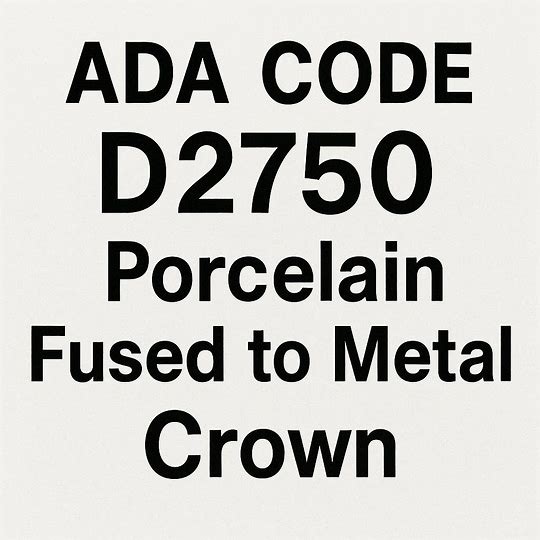
The code D2752 fits specifically within the “Crowns” category. Its full, official description is:
Crown – porcelain fused to predominantly base metal
However, the dental industry and insurance providers frequently update codes to be more precise. In many of the most recent CDT code sets, you will find that D2752 has been refined to more accurately reflect the materials used. The updated, and now widely accepted, definition is:
Crown – porcelain fused to high noble metal
This is a crucial distinction. It tells us that this isn’t just any crown; it is a specific type of restoration that combines the strength of metal with the natural beauty of porcelain.
Breaking Down the Terminology
To truly understand D2752, let’s break down its name piece by piece:
-
Crown: A crown (or “cap”) is a custom-made restoration that completely covers a damaged or decayed tooth. It restores the tooth’s shape, size, strength, and appearance.
-
Porcelain Fused to Metal (PFM): This refers to the manufacturing method. A thin, strong metal substructure is created to fit over your prepared tooth. Then, layers of tooth-colored porcelain are carefully baked onto this metal frame. This gives you the best of both worlds: a strong, durable foundation and a natural-looking exterior.
-
High Noble Metal: This is the most important part of the code. “Noble metals” are precious, corrosion-resistant elements like gold, platinum, and palladium. For an alloy to be classified as “high noble,” it must contain a minimum of 60% noble metals, with gold comprising at least 40% of that total. This high precious metal content makes the crown exceptionally biocompatible and precise in its fit.
Important Note: You may see the D2752 code used interchangeably with its predecessor referring to “base metal.” However, if you are reviewing a treatment plan, it is always worth confirming with your dentist’s office which specific alloy they use. A high-noble metal crown is generally considered the superior option due to its biocompatibility and better fit.
The Step-by-Step Journey: Getting a D2752 Crown
Knowing what the code means is one thing, but understanding what the actual procedure feels like is another. Here is a realistic, step-by-step walkthrough of what you can expect when your dentist recommends a D2752 crown.
Step 1: Diagnosis and Treatment Planning
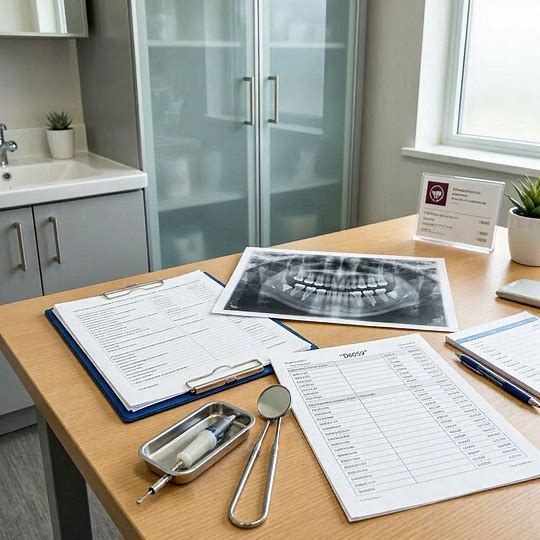
It all starts with an examination. Your dentist will likely take an X-ray to check the health of the tooth’s root and the surrounding bone. This is to ensure the tooth is strong enough to support a crown. If decay or damage is extensive, a root canal or other buildup procedure may be needed first. Your dentist will explain why a crown is the best option and present you with a treatment plan that includes the D2752 code.
Step 2: Tooth Preparation (The First Appointment)
This is the main appointment where the work begins. It typically takes 60 to 90 minutes.
-
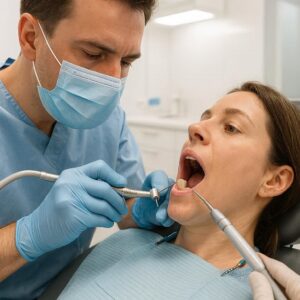
Numbing the Area: Your dentist will apply a local anesthetic to ensure you are completely comfortable and feel no pain during the procedure.
-
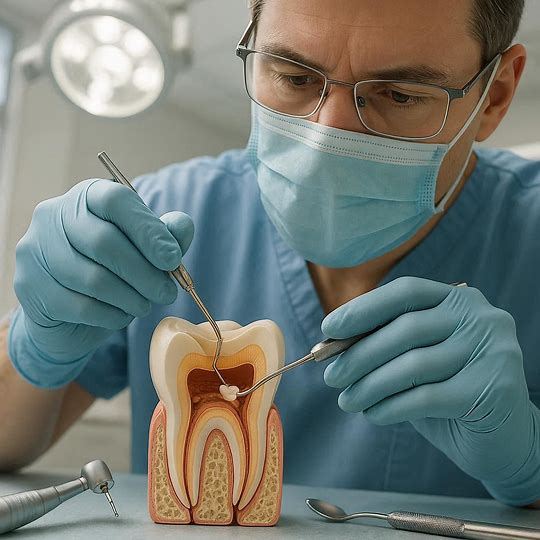
Shaping the Tooth: The dentist will use a specialized dental drill to gently remove the outer layer of the tooth, shaping it down so the crown can fit over it perfectly. Think of it as preparing a small stump for a thimble.
-
Taking Impressions: Once the tooth is shaped, an impression (mold) is made. Traditionally, this was done with a putty-like material, but many modern offices now use a digital scanner that creates a highly accurate 3D model of your teeth. This impression is sent to a dental laboratory.
-
Placing a Temporary Crown: While your permanent crown is being custom-made at the lab (which usually takes 2-3 weeks), your dentist will place a temporary crown. This protects the prepared tooth and helps maintain your smile’s appearance. It is usually made of acrylic and held in place with temporary cement.
Step 3: The Laboratory Phase (Behind the Scenes)
This is where the magic happens. A skilled dental technician uses your impression to create your custom D2752 crown.
-
First, they fabricate the high-noble metal substructure. The precise fit of this metal coping is crucial for the long-term success of the crown.
-
Then, they meticulously apply and fire multiple layers of porcelain onto the metal. This is an art form, as the technician must carefully match the shade, translucency, and texture of your surrounding teeth.
-
The finished crown is then checked for quality and shipped back to your dentist’s office.
Step 4: Final Placement (The Second Appointment)
About two to three weeks later, you will return to have your permanent crown seated.
-
Removing the Temporary: The dentist will gently remove the temporary crown and clean the underlying tooth structure.
-
Checking the Fit and Color: The new D2752 crown is placed on your tooth without cementing it. The dentist will check the fit, bite, and color to make sure it is perfect. This is your chance to see it, too.
-
Cementing the Crown: Once everything is approved, the dentist will clean the tooth again and use a strong dental cement to permanently bond the new crown in place.
-
Final Adjustments: After cementing, the dentist will check your bite one last time and make any minor adjustments to ensure your new crown feels completely natural and comfortable.
The Pros and Cons: Is a D2752 Crown Right for You?
No single dental restoration is perfect for every situation. The D2752 code represents a time-tested and versatile option, but it comes with its own set of advantages and disadvantages.
Advantages of Porcelain-Fused-to-High-Noble-Metal Crowns
-
Exceptional Strength and Durability: The high-noble metal substructure provides a foundation that is incredibly strong and resistant to fracture. This makes PFM crowns an excellent choice for molars, which endure the brunt of chewing force.
-
Natural Aesthetics: While not as translucent as all-ceramic crowns, modern PFM technology allows for very natural-looking results. The porcelain can be layered and shaded to mimic the appearance of your natural enamel.
-
Proven Track Record: PFM crowns have been used successfully for decades. They have a long history of reliability that patients and dentists can trust.
-
Precise Fit: High-noble metals are exceptionally well-tolerated by the body and allow for a very accurate, tight fit against the tooth. This helps prevent bacteria from leaking in and causing new decay.
-
Cost-Effective: Compared to all-ceramic or zirconia crowns, PFM crowns (especially those with a high-noble metal content) often represent a more affordable option without sacrificing strength.
Disadvantages and Considerations
-
Potential for Gum Line Darkness: Over time, the metal substructure can sometimes cause a dark line to become visible at the gum line, especially if the gums recede slightly. This is the most common aesthetic drawback.
-
Porcelain Wear: While the porcelain itself is hard, it can sometimes cause slight wear on the opposing teeth if it becomes rough.
-
Risk of Chipping: Although the metal is strong, the porcelain layer on top can occasionally chip or fracture, especially under extreme force. Small chips can often be polished or repaired, but larger ones may require crown replacement.
-
Multiple Appointments: Unlike same-day crowns made with CAD/CAM technology, a traditional D2752 crown requires two separate visits.
Quick Comparison: D2752 vs. Other Crown Materials
To help you visualize the differences, here is a simple comparison table.
| Feature | D2752 (PFM – High Noble) | All-Ceramic / Zirconia | All-Metal (Gold) |
|---|---|---|---|
| Aesthetics | Good to Very Good | Excellent | Poor (obvious metal color) |
| Strength | Excellent | Very High (Zirconia is strongest) | Excellent |
| Biocompatibility | Excellent (due to noble metals) | Excellent | Excellent |
| Gum Line Darkening | Possible over time | None | None |
| Cost | Medium to High | High to Very High | Medium to High |
| Best For | Molars, premolars where strength and moderate aesthetics are needed | Front teeth (high aesthetic demand) | Patients with strong bite, back teeth where appearance isn’t a concern |
Understanding the Costs and Insurance for D2752
The financial aspect is often the biggest concern for patients. The cost of a D2752 crown can vary widely based on your location, the specific dentist, and the complexity of your case.
How Much Does a D2752 Crown Typically Cost?
On average, you can expect the total cost for a porcelain-fused-to-high-noble-metal crown to range from $1,200 to $2,500 or more. This fee typically includes:
-
The anesthetic and tooth preparation.
-
The impression or digital scan.
-
The temporary crown.
-
The laboratory fee for fabricating the permanent crown.
-
The final cementation and adjustment appointment.
Navigating Your Dental Insurance
This is where understanding the code becomes a powerful tool. Since D2752 is the standard code used on insurance claims, you can use it to get a much clearer picture of your benefits.
Here are some tips for dealing with insurance:
-
Call Your Provider: Before your treatment, call your insurance company or use their online portal to check your coverage for the specific code D2752.
-
Understand Your “Missing Tooth” Clause: Some insurance plans have a clause that excludes coverage for teeth that were missing before you enrolled in the plan. If you are replacing an old crown on a tooth that was previously restored, this usually isn’t an issue. But for new crowns, it’s worth checking.
-
Know Your Plan Maximums: Most dental plans have an annual maximum payout (often between $1,000 and $2,000). Your crown will likely use a large portion of this.
-
Ask About the “Allowable Amount”: Your dentist’s fee and what your insurance company “allows” for a procedure might differ. Ask your dentist’s front office staff to help you calculate your estimated out-of-pocket cost based on your specific plan. They are experts at this.
A Realistic Example:
Let’s say your dentist’s fee for the D2752 crown is $1,800. Your insurance plan covers 50% for major restorative work like crowns. Your annual deductible is $50.
-
The insurance company might have a contracted “allowable” rate of $1,600.
-
They will pay 50% of that allowable rate: $800.
-
You will be responsible for the remaining $800, plus the $50 deductible, for a total of $850 out-of-pocket.
Important Note: Always remember that your dental insurance is a benefit to help with costs, not a “paid-in-full” plan. Your out-of-pocket expense will depend on the specifics of your individual policy.
Caring for Your D2752 Crown: Ensuring Longevity
You’ve invested time and money into your new crown. With proper care, it can last for 10 to 15 years or even longer. The key is treating it like a natural tooth, with a few extra precautions.
Daily Care Routine
-
Brush Twice Daily: Use a soft-bristled toothbrush and fluoride toothpaste. Brush gently along the gum line where the crown meets your tooth.
-
Floss is Non-Negotiable: This is critical. Plaque and bacteria can still build up at the margin between your crown and your natural tooth, leading to decay. When you floss, gently pull the floss out to the side rather than snapping it up, which could dislodge a temporary crown, though this is less of a concern with a permanently cemented one.
-
Use an Antibacterial Mouthwash: This can help reduce plaque buildup and keep your gums healthy around the crowned tooth.
Habits to Avoid
-
Don’t Chew Ice or Hard Candies: Just like natural teeth, the porcelain on your crown can chip if you bite down on extremely hard objects.
-
Avoid Using Your Teeth as Tools: Your crown is for chewing food, not for opening packages or tearing tags.
-
If You Grind Your Teeth (Bruxism): Talk to your dentist. Grinding can put excessive pressure on your crown and the opposing teeth. Your dentist may recommend a custom night guard to protect your investment while you sleep.
Regular Dental Checkups
Continue to see your dentist for regular checkups and cleanings. During these visits, your dentist will:
-
Examine the crown for any signs of wear, chipping, or looseness.
-
Check the gum tissue around the crown for inflammation.
-
Take X-rays periodically to ensure the underlying tooth and bone are healthy.
By following these simple guidelines, you can help ensure that your D2752 crown provides you with a strong, functional, and beautiful smile for many years.
Conclusion
The D2752 dental code might look like a random string of numbers, but as we’ve seen, it represents a sophisticated and reliable solution for restoring damaged teeth. It stands for a porcelain-fused-to-high-noble-metal crown—a restoration that masterfully blends the time-tested strength of a precious metal foundation with the natural aesthetics of dental porcelain.
Whether you need to restore a molar that endures heavy chewing or simply want a durable and attractive cap for a damaged tooth, the D2752 crown is a proven and valuable option. Understanding this code empowers you to have more informed conversations with your dentist and confidently navigate the details of your treatment plan and insurance benefits.
Frequently Asked Questions (FAQ)
1. Is a D2752 crown noticeable?
Modern PFM crowns are designed to look very natural. The porcelain is carefully color-matched to your adjacent teeth. However, because they have a metal substructure, they don’t have the same light-transmitting properties as all-ceramic crowns, and a thin dark line may become visible at the gum line over many years.
2. How long does a D2752 crown last?
With excellent oral hygiene and regular dental checkups, a well-made PFM crown can last from 10 to 15 years on average. Some can last much longer, even 20 years or more.
3. Does getting a D2752 crown hurt?
No. The procedure is performed under local anesthesia, so you should not feel any pain during the tooth preparation. You may feel some pressure or vibration. Some mild sensitivity in the gum tissue after the anesthesia wears off is normal but usually subsides quickly.
4. What is the difference between D2750 and D2752?
Both codes are for porcelain-fused-to-metal crowns. The difference lies in the type of metal used for the substructure.
-
D2750: Crown – porcelain fused to noble metal.
-
D2752: Crown – porcelain fused to high noble metal. High noble metals contain a higher percentage of precious metals (like gold and platinum), making them even more biocompatible and precise in fit.
5. Can I be allergic to the metal in a D2752 crown?
Allergic reactions to high-noble metals are extremely rare because gold, platinum, and palladium are highly biocompatible. Allergic reactions are more commonly associated with base metal alloys (like nickel or chromium), which is why a high-noble option is often recommended for patients with metal sensitivities.
6. What should I do if my crown chips?
If you notice a small chip, contact your dentist. Minor chips can often be polished or repaired with composite resin without replacing the entire crown. A larger chip or fracture might require a new crown.
Additional Resource
For verified and up-to-date information on all dental procedure codes, you can visit the official website of the American Dental Association (ADA). They are the authority behind the CDT codes and offer resources for both dental professionals and patients seeking to understand dental terminology.