The Complete Guide to the D4263 Dental Code: Periodontal Surgery Explained
If you have recently visited your periodontist or general dentist and heard them mention the “D4263 dental code,” you might have felt a wave of confusion mixed with a little anxiety. Dental codes can feel like a foreign language. They are the shorthand that dental professionals use to communicate complex procedures to insurance companies and fellow clinicians.
But for you, the patient, understanding these codes is empowering. It helps you understand what is happening in your mouth, why your treatment plan costs what it does, and what to expect during recovery.
In this guide, we are going to demystify everything about the D4263 code. We will cover what it is, the step-by-step surgical procedure, how it differs from other common codes, recovery tips, and financial considerations.
By the end, you will be an informed patient ready to make confident decisions about your periodontal health.

What is the D4263 Dental Code?
Let’s start with the basics. In the world of dentistry, the Current Dental Terminology (CDT) code set is the standard. These codes are maintained by the American Dental Association (ADA) and are used to standardize dental procedure descriptions across the United States.
D4263 falls under the category of Periodontal Surgery.
Specifically, the official description provided by the ADA for D4263 is:
“Osseous surgery (including elevation of a full thickness flap and closure) – four or more contiguous teeth or tooth bounded spaces per quadrant.”
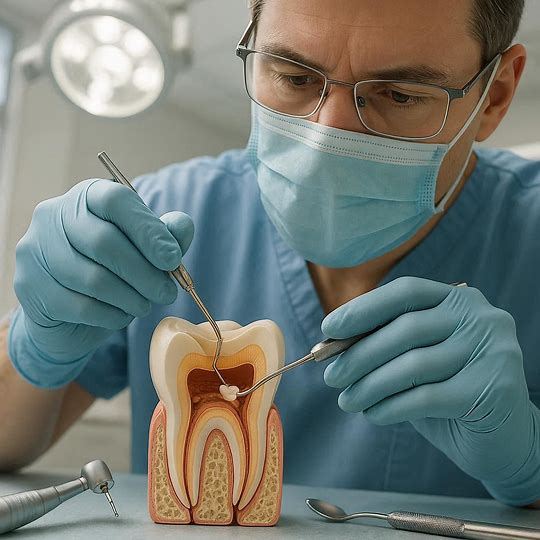
In plain English? This is a surgical procedure used to treat advanced gum disease (periodontitis). It involves temporarily moving the gums aside to access the underlying bone, reshaping the bone to eliminate “pockets” where bacteria hide, and then suturing the gums back into place.
This is not a routine cleaning. This is a surgical intervention designed to save your teeth by stabilizing the supporting structures that hold them in place.
Why “Four or More Contiguous Teeth” Matters
The code specifies “four or more contiguous teeth.” This is important for billing and understanding the scope of the procedure.
-
Contiguous means next to each other.
-
If the surgery is performed on less than four teeth, a different code (usually D4261) is used.
-
D4263 covers an entire section or “quadrant” of your mouth (upper right, upper left, lower right, lower left), assuming that quadrant has four or more teeth requiring treatment.
The Difference Between D4263 and a “Deep Cleaning”
One of the biggest points of confusion among patients is the difference between a routine “deep cleaning” (Scaling and Root Planing, or SRP) and the osseous surgery coded as D4263.
Let’s break it down in a simple table to make it crystal clear.
| Feature | D4263 – Osseous Surgery | Deep Cleaning (SRP) – D4341/D4346 |
|---|---|---|
| Type of Procedure | Surgical | Non-Surgical / Periodontal Therapy |
| Anesthesia | Usually Local Anesthesia (numbing), sometimes IV sedation. | Local Anesthesia (numbing). |
| What it Treats | Moderate to Severe Periodontitis, bone damage, deep pockets. | Gingivitis and Mild Periodontitis. |
| The Goal | Reshape bone, eliminate deep pockets, halt disease progression. | Remove tartar and bacteria from below the gum line. |
| Recovery | Surgical recovery (1-2 weeks of soft foods, limited activity). | Minimal downtime. Some tenderness for a day or two. |
| Incision | Yes, the gum tissue is surgically cut and reflected (flap). | No. Instruments are placed under the gum line without cutting. |
Think of it this way:
-
Scaling and Root Planing is like a deep, exterior power-washing of your house’s foundation.
-
D4263 (Osseous Surgery) is like tearing off the exterior siding to repair the rotten wood underneath, then putting new siding up.
If your dentist has recommended D4263, it means the non-surgical methods (SRP) were either insufficient or the disease has progressed to a point where the bacteria have damaged the bone, creating pockets too deep to clean with simple instruments.
The Step-by-Step Procedure: What Happens During D4263?
Understanding the procedure can significantly reduce anxiety. Knowing what to expect takes the mystery out of the surgery. Here is a realistic walkthrough of a typical D4263 osseous surgery.
Step 1: Diagnosis and Treatment Planning
Before any surgery, your periodontist will perform a comprehensive exam. This includes:
-
Periodontal Probing: Measuring the depth of the pockets around each tooth with a tiny ruler.
-
Radiographs (X-rays): Checking for bone loss and infection below the gum line.
-
Medical History Review: Ensuring you are healthy enough for surgery (e.g., managing conditions like diabetes or heart issues).
Step 2: Anesthesia and Comfort
On the day of the surgery, the area will be thoroughly numbed with local anesthetic. For patients with dental anxiety, the surgeon may also offer nitrous oxide (laughing gas) or oral sedation. You should not feel any sharp pain, only pressure and vibration.
Step 3: The Incision and Flap
The doctor will make small, precise incisions in your gum tissue. This allows them to lift a small section of the gum (the “flap”) away from the tooth and bone. This provides direct, unobstructed access to the tooth roots and the jawbone that was previously hidden.
Step 4: The “Osseous” Part – Reshaping the Bone
This is the core of the D4263 procedure. Once the area is exposed, the surgeon will use specialized drills and hand instruments to gently reshape the bone. Why?
-
To eliminate “craters”: Periodontitis often causes the bone to be destroyed in uneven patterns, creating craters and ledges.
-
To create a positive architecture: The goal is to create a smooth, gradual contour in the bone that matches the natural shape of the gum line.
-
To reduce pocket depth: By removing damaged bone and smoothing it out, the gum tissue can reattach at a healthier, shallower level.
Step 5: Root Planing
With the bone reshaped and the tooth roots fully visible, the surgeon performs a meticulous cleaning of the root surfaces to remove any lingering bacteria, plaque, and tartar. This ensures a clean surface for the gums to heal against.
Step 6: Closure and Sutures
The gum flap is placed back into its new position, covering the newly contoured bone. The surgeon then uses sutures (stitches) to hold the gum tissue in place. These may be dissolvable or will need to be removed at a follow-up appointment.
Important Note: “The success of osseous surgery depends as much on the post-operative care as it does on the surgical skill. Patients are active participants in their healing process.” – American Academy of Periodontology
Recovery: Your Guide to Healing After D4263 Surgery
Healing from osseous surgery takes time and patience. Here is a realistic timeline and what you can do to ensure a smooth recovery.
The First 24-48 Hours
-
Bleeding: Some minor oozing or pink-tinged saliva is normal. Bite gently on gauze pads provided by your surgeon to control it.
-
Swelling: This is the body’s natural response. Apply an ice pack to the outside of your face (20 minutes on, 20 minutes off) for the first 24 hours.
-
Pain Management: Take any prescribed pain medication as directed. Over-the-counter ibuprofen is also highly effective for managing pain and reducing inflammation.
-
Diet: Stick to soft foods and liquids. Think smoothies, yogurt, mashed potatoes, soup (not too hot), and applesauce. Avoid hot, spicy, or crunchy foods.
Days 3-7
-
Swelling and Discomfort: These should peak and then begin to subside.
-
Oral Hygiene: This is critical, but you must be gentle.
-
You will likely be prescribed a special antibacterial mouth rinse (like chlorhexidine).
-
Do not brush or floss the surgical site directly.
-
Gently brush other areas of your mouth.
-
You may be instructed to gently rinse with warm salt water several times a day.
-
-
Activity: Avoid strenuous exercise, heavy lifting, or bending over, as this can increase bleeding and swelling.
Week 2 and Beyond
-
Suture Removal: If you have non-dissolvable stitches, you will have a follow-up appointment to have them removed.
-
Return to Normal: Most patients can return to a normal diet and routine by the end of the second week, though you should still be cautious around the surgical area.
-
Healing: The gums will continue to heal and tighten for several weeks. You may notice some minor sensitivity, especially to cold, for a while.
Foods to Eat & Avoid During Recovery
| Enjoy These (Soft Foods) | Avoid These (Hard/Irritating Foods) |
|---|---|
| Smoothies and Protein Shakes | Nuts, Seeds, Popcorn |
| Yogurt and Pudding | Chips, Pretzels, Crusty Bread |
| Scrambled Eggs | Spicy Foods |
| Mashed Potatoes | Acidic Foods (like citrus) |
| Oatmeal or Cream of Wheat | Chewy Candy or Steak |
| Well-cooked Pasta | Anything with small particles that can get lodged in the surgical site. |
Cost, Insurance, and Financial Considerations for D4263
Dental surgery can be a significant financial investment. Understanding your insurance benefits is key to avoiding surprise bills.
How Much Does D4263 Typically Cost?
The cost for D4263 osseous surgery varies widely based on your geographic location, the complexity of your case, and the dentist’s experience. However, you can generally expect the cost per quadrant to range from $900 to $3,500 or more.
Since D4263 covers four or more teeth in a quadrant, and you may need multiple quadrants done, the total cost can add up. For example, if you need surgery in all four quadrants, the total could range from $3,600 to over $14,000.
What Will My Insurance Cover?
Most dental insurance plans categorize D4263 under “Periodontics” or “Major Restorative” care. Coverage varies, but here is a general rule of thumb:
-
Annual Maximum: Most plans have an annual maximum payout (often $1,000 – $2,000). This is the most they will pay in a single year. If your surgery costs exceed this, you will be responsible for the difference.
-
Percentage Coverage: Insurance often covers major procedures at 50% (after your deductible is met). This means they pay half, and you pay half.
-
Deductible: You may have to meet a yearly deductible (e.g., $50-$100) before coverage kicks in.
-
Frequency Limitations: It is extremely unlikely an insurance company will pay for the same quadrant to be treated with D4263 again within a 3-5 year period, as it is considered a definitive procedure.
Questions to Ask Your Insurance Company
Before your surgery, call the customer service number on the back of your insurance card. Ask these specific questions:
-
“Is the D4263 dental code a covered benefit on my plan?”
-
“What percentage of the cost do you cover after my deductible is met?”
-
“Has my annual maximum been met yet this year?”
-
“Is there a waiting period for periodontal surgery?”
Payment Options with Your Dentist
Most dental offices are understanding of the financial burden of surgery. Do not be afraid to ask about:
-
In-house payment plans.
-
Third-party financing (like CareCredit).
-
A courtesy discount for paying the full amount in cash.
D4263 vs. Other Common Periodontal Codes
To help you navigate your treatment plan, it’s helpful to see how D4263 fits in with other procedures. Here is a quick reference guide.
| Dental Code | Procedure Name | Simple Description |
|---|---|---|
| D4263 | Osseous Surgery (4+ contiguous teeth) | Surgical bone reshaping for advanced periodontitis in a full quadrant. |
| D4261 | Osseous Surgery (1-3 teeth) | The same as D4263, but for a smaller, localized area. |
| D4249 | Clinical Crown Lengthening–Soft Tissue | Reshaping gum tissue to expose more tooth structure (often for cosmetic reasons or to place a crown). |
| D4266 | Gingival Flap Procedure | Lifting the gum to clean the root, but without reshaping the underlying bone. |
| D4341 | Periodontal Scaling and Root Planing (4+ teeth) | The non-surgical “deep cleaning” for active gum disease. |
| D4910 | Periodontal Maintenance | Ongoing “cleanings” following active periodontal therapy to keep the disease from returning. This is more involved than a standard prophy (cleaning). |
Frequently Asked Questions (FAQ)
Q: Is D4263 surgery painful?
A: You should not feel pain during the procedure because of the local anesthesia. Afterward, as the numbing wears off, you will experience discomfort. Most patients describe it as a dull ache or soreness. This is generally well-managed with prescribed or over-the-counter pain medication and typically subsides significantly within a few days.
Q: How long does the D4263 procedure take?
A: For a single quadrant, the surgery typically takes between 60 and 90 minutes. If you are having multiple quadrants done in one visit (which is less common), it can take several hours.
Q: Will my teeth look different after osseous surgery?
A: In some cases, yes. Because the underlying bone is being reshaped, the gum tissue may settle into a slightly different position. This can sometimes make teeth look a tiny bit longer or change the shape of the gumline. However, the primary goal is health and saving the teeth, not cosmetics. Your periodontist will work to create a natural, healthy-looking contour.
Q: Can I drive myself home after surgery?
A: If you only had local anesthesia, you can likely drive yourself home. However, if you opted for sedation or anti-anxiety medication, you will absolutely need a responsible adult to drive you.
Q: How long do the results of D4263 last?
A: The results can last a lifetime, but only with excellent home care and professional follow-up. The surgery eliminates the deep pockets, but it does not make you immune to gum disease in the future. You must commit to meticulous brushing, flossing, and attending your regular periodontal maintenance (D4910) appointments, usually every 3-4 months.
Conclusion
Navigating a diagnosis of advanced gum disease can be overwhelming, but understanding the tools used to treat it—like the D4263 dental code—puts you back in control. D4263 represents a powerful, surgical intervention designed not just to clean your teeth, but to reshape and restore the very foundation that holds them in place. While the procedure requires a commitment to recovery and a financial investment, its primary goal is invaluable: saving your natural teeth and restoring your oral health for the long term.
Additional Resource
For further reading and to ensure you are getting information from the leading experts, we highly recommend visiting the official patient resources page of the American Academy of Periodontology (AAP) . They offer detailed guides on gum disease, treatment options, and finding a specialist.
Visit the American Academy of Periodontology