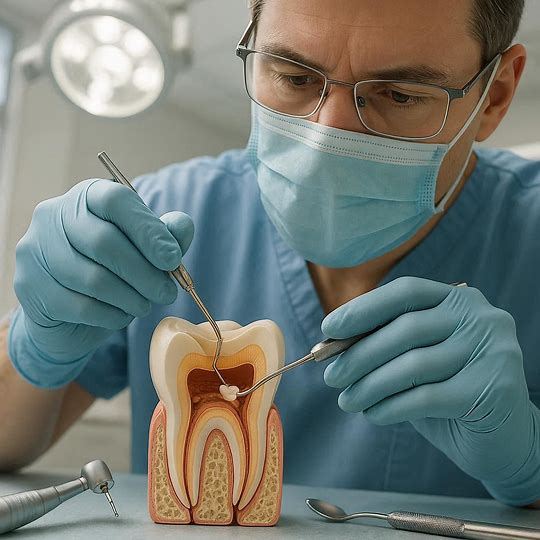
Dental Code D2953: A Comprehensive Guide to Tooth Core Buildup
If you’ve recently been told you need a crown, you might have noticed a mysterious line item on your treatment plan: Dental Code D2953. It often sits next to the crown itself, and it can sometimes cause confusion or concern, especially regarding cost.
You are not alone. Many patients see this code and wonder, “What is this for? Is it really necessary? Why isn’t it just part of the crown?” As a dental patient, navigating the world of insurance codes and clinical terminology can feel like learning a new language. The good news is that D2953 is a standard and important procedure designed to ensure your new crown lasts for years to come.
This guide is designed to be your friendly, reliable resource for everything you need to know about Dental Code D2953. We’ll break down the clinical jargon into simple English, explain why your dentist might recommend it, and help you understand its value in protecting your smile. Whether you’re facing this procedure yourself or just want to be a more informed dental consumer, you’ve come to the right place. Let’s dive in and make sense of the “core buildup.”

What Exactly is Dental Code D2953? (A Simple Explanation)
Let’s start with the basics. In the world of dentistry, every procedure has a specific code used for record-keeping and insurance billing. Think of it as a universal language that allows your dentist’s office to communicate exactly what was done with your insurance company.
Dental Code D2953 is officially defined by the American Dental Association (ADA) as: “Core Buildup, including any pins.”
But what does that actually mean for your tooth?
Imagine you’re renovating a house to put on a beautiful new roof (your crown). Before you can install that roof, you need to make sure the supporting walls are strong and intact. If the walls are crumbling or have big holes, you wouldn’t just put the roof on top; you’d repair the walls first. A core buildup is precisely that—it’s the repair work done on a damaged tooth structure to create a solid foundation for a crown.
Here’s a simple breakdown:
-
The Tooth: Has been compromised by decay, a large existing filling, or a fracture.
-
The Goal: To place a crown, which fits over the entire tooth like a protective helmet.
-
The Problem: There isn’t enough healthy tooth structure left to hold the crown securely. It would be like trying to put a hat on a wobbly, broken post.
-
The Solution (D2953): The dentist uses a special filling material to rebuild the missing part of the tooth. This creates a strong, stable “core” that the crown can then be cemented onto.
So, in short, Dental Code D2953 is the procedure for rebuilding the foundation of a tooth so it can successfully support a dental crown.
Why Is This Distinction Important?
For a long time, dental coding for buildups was a bit of a gray area. The previous codes didn’t clearly differentiate between a small buildup and a more complex, tooth-saving procedure. D2953 was introduced to provide more clarity and accuracy. It specifically describes a procedure that is more involved than a simple filling but is an integral part of getting a tooth ready for a crown. It recognizes the extra skill, time, and material required to save a tooth that might otherwise be lost.
The Critical Role of a Core Buildup: Why a Crown Isn’t Always Enough
It’s a common misconception that a crown is a standalone solution for a broken tooth. While a crown is incredibly strong, it relies on the tooth inside for its support. If that internal structure is weak, the crown will fail along with the tooth.
Think of it this way: a crown is like a suit of armor. It protects what’s inside, but it’s only as good as the knight wearing it. If the knight (your natural tooth) is crumbling, the armor won’t help.
A core buildup performed under D2953 plays several vital roles:
-
Provides Retention: A crown needs a certain shape and height to stay cemented in place. If a tooth is broken down to the gum line, it’s essentially a flat stump. A crown cemented onto a flat surface is much more likely to pop off. The buildup recreates the proper shape, giving the crown something to grip onto.
-
Prevents Fracture: By replacing missing tooth structure with a strong, bonded material, the buildup helps to hold the remaining parts of the tooth together. This reinforces the tooth and prevents it from splitting or fracturing under the force of chewing.
-
Seals Out Bacteria: Decay is often the reason a tooth needs a crown in the first place. After the dentist removes all the decay, a buildup fills that space with a material that seals the tooth, preventing new bacteria from entering and causing future problems.
-
Preserves the Tooth: In many cases, without a core buildup, there simply wouldn’t be enough tooth to place a crown. The only alternative would be to extract the tooth. Therefore, D2953 is often a tooth-saving procedure.
| Without a Core Buildup (D2953) | With a Core Buildup (D2953) |
|---|---|
| Insufficient tooth structure to hold the crown. | A solid, artificial core is built up to support the crown. |
| High risk of the crown becoming loose or falling off. | The crown has a strong, retentive foundation to bond to. |
| The remaining tooth structure is weak and prone to cracking. | The buildup material reinforces and strengthens the remaining tooth. |
| The tooth may be deemed non-restorable and require extraction. | The tooth is saved and can function normally for years. |
| Open margins may allow bacteria to leak in and cause new decay. | The sealed core protects the tooth from future bacterial invasion. |
A Note from Your Dentist: *”A crown is only as strong as the foundation it sits on. Think of D2953 not as an extra charge, but as the essential groundwork that ensures the long-term success and stability of your crown. It’s an investment in saving your tooth.”*
D2953 vs. Other Dental Codes: Knowing the Difference
To truly understand D2953, it helps to see how it fits in with other, similar codes. Your dental treatment plan might include several codes, and knowing the difference between them can clear up a lot of confusion.
D2953 vs. D2950 (Core Buildup, Including Pins)
This is the most common point of confusion. D2950 is the previous code for a core buildup.
-
D2950 (Old Code): This was a broader code used for any buildup, regardless of how many surfaces of the tooth were involved or the complexity. It became a bit of a “catch-all.”
-
D2953 (New, More Specific Code): This code is intended for a more complex buildup. It typically involves rebuilding a tooth that has lost significant structure, often requiring work on three or more surfaces of the tooth. It acknowledges the greater skill and time involved in these more challenging cases.
In essence, a dentist might use D2950 for a simpler buildup, but when the tooth is severely broken down and requires extensive rebuilding, D2953 is the more accurate and appropriate code.
D2953 vs. D2954 (Prefabricated Post and Core)
This is where things get a little more advanced. Sometimes, a tooth is so damaged that a simple filling material buildup isn’t enough. In these cases, a post is needed for extra support.
-
D2953 (Core Buildup): This procedure uses only filling material (like composite resin) to rebuild the tooth. It relies on the remaining natural tooth structure for support. It’s like using bricks and mortar to fill a hole in a wall.
-
D2954 (Prefabricated Post and Core): This is used when there is very little tooth structure left above the gum line. The dentist places a small metal or fiber post down into the tooth’s root canal for anchorage. The core is then built up around this post. It’s like driving a metal stake into the ground and then building a concrete pillar around it for maximum strength. This procedure almost always requires that the tooth has had a root canal (or will have one simultaneously).
D2953 vs. D2140-D2161 (Amalgam or Resin Fillings)
This is another area where patients get confused. Why is a buildup not just a large filling?
-
Fillings (e.g., D2391, D2140): These are typically done to restore a tooth that has a cavity. The focus is on removing the decay and filling the resulting hole. The tooth’s overall shape and structure are mostly intact. A filling is a restoration within a tooth.
-
Core Buildup (D2953): This is done specifically to prepare a tooth for a crown. The focus is on rebuilding the external structure to create a proper foundation. A core buildup is a restoration of the tooth’s core, specifically for the purpose of supporting an indirect restoration (a crown).
Think of it this way: A filling repairs a chip in your phone’s screen. A core buildup is like rebuilding the internal frame of the phone so you can put a heavy-duty protective case (the crown) on it.
The Procedure: What Happens During a D2953 Core Buildup?
Knowing what to expect can ease a lot of anxiety. The procedure for a core buildup is typically performed during the same appointment as the crown preparation. Here is a step-by-step walkthrough of what usually happens.
Step 1: Assessment and Anesthesia
Your dentist will first examine the tooth and take X-rays to assess the extent of the damage and the health of the underlying bone and root. Once the plan is set, they will numb the area with a local anesthetic to ensure you are completely comfortable throughout the procedure.
Step 2: Removal of Decay and Old Material
Using a high-speed handpiece (dental drill), the dentist will carefully remove all decay from the tooth. If there is an old, failing filling, that will be taken out as well. The goal is to leave behind only clean, healthy tooth structure. This process might leave the tooth with significant missing areas, which is why the buildup is needed.
Step 3: Placing the Core Buildup Material
Now it’s time to rebuild. The dentist will apply a bonding agent to the remaining tooth structure. This acts like a super-strong glue.
-
For a simple buildup (potentially D2950): They may place the filling material in layers.
-
For a complex buildup (D2953): Because the missing structure is extensive, they will carefully sculpt the material to rebuild the tooth’s anatomy, often building up several sides (or surfaces) of the tooth. The material used is typically a strong, tooth-colored composite resin, similar to what’s used for white fillings, but placed in a way to maximize strength.
Step 4: Shaping for the Crown
Once the material is hardened (often using a special curing light), the dentist will then shape it. This is a critical step. They are not just making a tooth-shaped lump; they are creating a specific form, often called a “preparation,” that is designed to hold a crown. It needs to have smooth sides, a certain height, and enough “grip” to keep the crown in place.
Step 5: Taking Impressions
With the new, strong core in place and shaped perfectly, the dentist will take an impression of your tooth. This can be done with traditional putty-like material or with a digital scanner. This impression captures the exact shape of the prepared tooth, as well as the surrounding teeth, so the dental lab can fabricate a crown that fits perfectly.
Step 6: Placing a Temporary Crown
To protect your newly rebuilt tooth while your permanent crown is being made, the dentist will place a temporary crown over it. This temporary crown is cemented with a soft, temporary cement so it can be easily removed at your next appointment.
The entire process for the buildup and crown preparation is often completed in one, albeit longer, dental visit.
Materials Used in Core Buildups
The material your dentist chooses for your core buildup is important for the long-term success of your crown. Here are the most common materials used in procedures coded as D2953.
| Material | Key Characteristics | Best Used For… |
|---|---|---|
| Composite Resin | The most common material today. It’s tooth-colored, bonds very well to the natural tooth structure, and is placed in layers. It can be used in almost any situation. | The vast majority of core buildups, especially on front and back teeth. |
| Amalgam | A classic, silver-colored material. It’s incredibly strong and durable. Its main drawbacks are its color and the fact that it doesn’t bond directly to the tooth as strongly as composite, requiring more mechanical retention (like undercuts in the tooth prep). | Situations where cost is a primary concern, or in teeth that are hard to keep dry (composite requires a completely dry field for bonding). |
| Glass Ionomer | A tooth-colored material that releases fluoride, which can help protect the tooth from future decay. However, it is not as strong as composite resin. | Often used as a base or liner under a composite buildup, or in primary (baby) teeth. It is less common as the sole material for a large, permanent core buildup. |
Your dentist will choose the material based on the location of the tooth, the amount of tooth structure remaining, your bite, and their clinical judgment of what will provide the strongest and longest-lasting result.
Cost and Insurance Considerations for D2953
Let’s talk about money. This is often the biggest concern for patients. The cost of a core buildup can vary, but understanding the factors involved can help you prepare.
What Influences the Cost?
The fee for D2953 isn’t a one-size-fits-all number. It depends on several factors:
-
Geographic Location: Dental fees vary from city to city and state to state.
-
Dentist’s Expertise and Overhead: A specialist (like a prosthodontist) may charge more than a general dentist. A practice with higher overhead costs may also have slightly higher fees.
-
Complexity of the Case: While the code itself denotes a complex buildup, there can still be degrees of difficulty within that category that might influence the fee.
-
Material Used: While composite resin is standard, the specific brand or technique used can sometimes be a factor.
Generally speaking, you can expect the fee for D2953 to be higher than a simple filling but significantly less than the crown itself.
How Dental Insurance Typically Handles D2953
This is where it’s crucial to read your policy or call your insurance company. The way buildups are covered varies widely.
-
Not Always a Standalone Benefit: Some dental insurance plans consider the core buildup to be a part of the crown procedure and may not cover it separately. In this case, you would be responsible for the full cost of the buildup.
-
A Separate, Covered Procedure: Many other plans do recognize it as a distinct and necessary procedure. In these cases:
-
It will likely be subject to your plan’s annual deductible.
-
It will be covered according to your plan’s percentage for “major restorative care” (often 50%) or “basic restorative care” (often 80%). Crowns are typically major care, but buildups are sometimes categorized as basic care. This is a crucial distinction.
-
You will be responsible for your co-insurance and any amount over the plan’s allowed amount for the code.
-
Crucial Advice for Every Patient:
Always ask your dentist’s office for a treatment plan with all codes and their associated fees. Then, you can call your insurance company and ask a very specific question: *”What is my coverage for procedure code D2953? Is it subject to my deductible, and what is my co-insurance percentage for this code?”*
This proactive step will prevent surprise bills and help you budget for your dental work.
Core Buildup FAQs: Answering Your Biggest Questions
To wrap things up, let’s address some of the most frequently asked questions about D2953 in a clear and friendly way.
Q: Is a core buildup painful?
A: No, not during the procedure. Your dentist will use a local anesthetic to numb the tooth and surrounding area, so you shouldn’t feel any pain, just perhaps some pressure or vibration. After the anesthesia wears off, it’s common to have some minor sensitivity in the gum tissue for a day or two, but this is usually manageable with over-the-counter pain relievers.
Q: How long does a core buildup last?
A: The buildup itself is designed to be a permanent part of your tooth structure. It is incredibly strong. As long as the crown on top of it is well-maintained and you practice good oral hygiene, the core buildup can last for many decades. The most common reason for failure is new decay forming at the margin of the crown, which can compromise the tooth and the buildup underneath.
Q: Can I eat normally after a core buildup?
A: You should wait until the numbness from the anesthetic wears off completely to avoid accidentally biting your cheek or tongue. While you have the temporary crown on, you should be careful. Avoid sticky, chewy foods (like caramel or gum) that could pull the temporary crown off, and try to chew on the opposite side of your mouth. Once the permanent crown is cemented, you can return to your normal diet.
Q: My dentist said I don’t need a root canal, so why do I need a buildup?
A: A root canal and a core buildup address two different problems. A root canal treats the nerve (pulp) of the tooth when it is infected or damaged. A core buildup treats the physical structure of the tooth. You can have a healthy nerve but very little healthy tooth left above the gum line. In this case, you need a buildup to create a strong foundation for a crown, even though the nerve is perfectly fine.
Q: What happens if I decline the recommended D2953 buildup?
A: This is an important question. If your dentist has recommended it, it means they believe the tooth is not strong enough to support a crown on its own. If you decline, the options are limited:
-
Place the crown anyway, with a very high risk of it failing (falling off, tooth fracturing).
-
Consider an alternative, less ideal restoration (like a large filling), which may not protect the tooth from fracturing.
-
Ultimately, extract the tooth.
Declining the buildup often means accepting a much higher risk of future problems and costs.
Additional Resources for Informed Decisions
Navigating dental care is a partnership between you and your dental team. To help you feel more confident and informed, here are some excellent resources you can explore.
-
Your Dental Team is Your Best Resource: Never hesitate to ask your dentist or their treatment coordinator to explain a procedure in more detail. They know your specific situation best and can provide personalized answers. Ask them to show you on models or X-rays exactly what they are planning to do.
-
American Dental Association (ADA): The ADA’s website, MouthHealthy.org, is a fantastic, patient-friendly resource. You can search for terms like “crowns” and “fillings” to get a deeper understanding of general dental topics. (Please note, they do not provide fee schedules or specific insurance coverage details).
-
Your Insurance Policy Documents: Your “Evidence of Coverage” or “Summary of Benefits” document is your contract with your insurance company. Look for sections on “Major Restorative” or “Basic Restorative” services to understand how buildups are categorized and covered.
Ultimately, being an informed patient is the best way to ensure you receive the care you need and feel good about the decisions you make for your long-term oral health.
Conclusion
Dental Code D2953 is far more than just a billing item; it represents the essential, skillful work of saving a damaged tooth and giving it a new lease on life. By rebuilding the core foundation, this procedure ensures that your dental crown has the strong, stable support it needs to function and protect your smile for years to come. Understanding this code helps you see the value in the comprehensive care your dentist provides, transforming a confusing line item into a clear step toward preserving your natural tooth.