Dental Code D2981: The Complete Guide to Crown Recementation
Few things in life are as frustrating as having a dental crown come loose. You might be eating a sandwich, or perhaps just waking up, and you feel that distinct, unwelcome sensation of something moving in your mouth. Your immediate thought is often panic: “Is this going to cost me a fortune? Do I need a new crown?”
This is where understanding your dental treatment, and the codes used to describe it, becomes incredibly helpful. Today, we are diving deep into a specific code that often causes confusion but is a true hero in the world of restorative dentistry: Dental Code D2981.
Think of this article as your friendly, reliable guide. We will walk through exactly what this procedure entails, why it happens, how much it might cost, and why your dentist might recommend it over getting a brand-new crown. Whether you are currently dealing with a loose crown or just want to be a more informed patient, you are in the right place.
Let’s demystify the process together and turn that moment of panic into a moment of clarity.
What Exactly is Dental Code D2981?
In the world of dentistry, every procedure has a specific code. These are called Current Dental Terminology (CDT) codes, maintained by the American Dental Association (ADA). They are the universal language that dentists, insurance companies, and patients use to identify specific treatments.
Dental Code D2981 officially stands for: Crown Recementation.
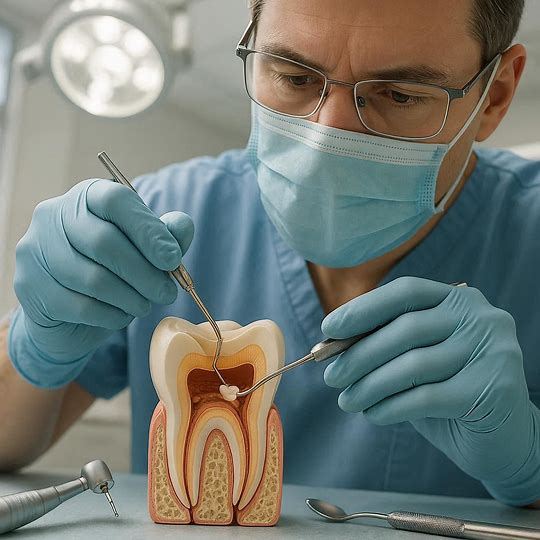
Let’s break that down. “Re” means again, and “cementation” is the process of using a special dental glue (cement) to bond a restoration to your tooth. So, D2981 is the procedure performed when an existing crown, inlay, onlay, or veneer has come loose and needs to be cleaned up and glued back into place.
It is important to distinguish this from getting a new crown. When a crown is recemented, we are using the same crown that came off. The dentist is not creating a new one from scratch.
The Core Principle: Rescue, Don’t Replace
The beauty of the D2981 procedure is its conservative nature. The goal is to preserve the original restoration. If the crown itself is in good shape—no holes, cracks, or damage—and the tooth underneath is healthy, recementing it is often the best, fastest, and most affordable option.
Think of it like a button popping off a shirt. If the button is intact and the fabric isn’t torn, you don’t throw the shirt away. You simply sew the button back on. D2981 is the dental version of “sewing the button back on.”
When Do You Need a D2981? The Tale of the Loose Crown
So, how does a crown become loose in the first place? It rarely happens without reason. Understanding the “why” can help you prevent it in the future. A recementation procedure is typically recommended in the following scenarios:
1. The Cement Simply Failed
Dental cement is incredibly strong, but it isn’t indestructible. Over time, the bond between the crown and the tooth can weaken due to the constant forces of chewing, grinding (bruxism), and exposure to hot and cold foods and drinks. Sometimes, after years of faithful service, the cement just gives way.
2. A New Cavity Formed Under the Crown
This is a common culprit. While the crown itself protects the outside of the tooth, the margin—the line where the crown meets your natural tooth—is a vulnerable spot. If plaque builds up there, it can cause a new cavity (recurrent decay) on the tooth structure underneath. This decay can undermine the crown’s fit, causing it to loosen.
Important Note: If the decay is extensive, the tooth structure may be too compromised to hold the crown. In that case, a simple recementation (D2981) won’t be enough, and a new crown (or other treatment) will be necessary. Your dentist will assess this.
3. Physical Trauma
A fall, a blow to the mouth during sports, or even biting down on something unexpectedly hard (like an olive pit or unpopped popcorn kernel) can deliver enough force to break the cement seal and dislodge a crown.
4. The Crown Just Doesn’t Fit as Well Anymore
Over many years, your teeth and gums can change shape slightly. While the crown remains the same, the landscape around it has shifted. This can sometimes create small gaps that allow the cement seal to be compromised.
The Step-by-Step Procedure: What Happens During a D2981?
If your dentist diagnoses you with a loose crown and determines it’s a good candidate for recementation, here is exactly what you can expect during the appointment. It is usually a straightforward and relatively quick process.
Step 1: The Initial Assessment and Removal
First, your dentist will gently remove the loose crown. Often, it comes off with little to no effort. They will then carefully inspect both the inside of the crown and your natural tooth structure underneath. They are checking for any signs of decay, cracks, or damage.
Step 2: The Deep Clean
This is a critical step. Any old cement, debris, or bacteria must be completely removed.
-
The Tooth: Your dentist will use hand instruments and perhaps a mild abrasive to clean the surface of your tooth, ensuring it is pristine.
-
The Crown: The inside of your crown will be thoroughly scrubbed and disinfected. This creates a clean, ideal surface for the new cement to bond to.
A Note From Your Dentist:
“The success of a recementation relies almost entirely on the cleanliness of the preparation. If any old cement or bacteria are left behind, the new bond will be weak, and the crown will likely come loose again quickly. We take our time with this step to ensure a long-lasting result.”
Step 3: Checking the Fit
Before any cement is mixed, the dentist will place the clean crown back onto your tooth. They will check the fit, the bite (occlusion), and how it looks. This is a “dry run” to make sure everything feels right before the final step. They may make minor adjustments to the crown’s surface if it’s interfering with your bite.
Step 4: Recementation (The Gluing)
Once everything checks out, the dentist will mix the appropriate dental cement. There are different types—some are permanent, some are temporary, and some are designed to bond with specific crown materials (like porcelain or gold). They will fill the crown with the cement and seat it firmly onto your tooth.
Step 5: The Final Check and Clean-Up
You will be asked to bite down on a special tool or cotton roll to hold the crown in place with even pressure while the cement sets. After a few minutes, the dentist will remove any excess cement that has squeezed out from under the crown, especially from in between your teeth and along the gumline. They will do a final bite check to ensure everything is perfect, and you’re done!
D2981 vs. D2990: A Common Point of Confusion
In the dental codebook, there is another code that often gets mixed up with D2981: D2990 (Crown Repair), specifically resin or porcelain repair. It’s essential to understand the difference.
-
D2981 (Recementation): The entire crown is removed and then glued back on. The procedure focuses on the fit and bond of the crown to the tooth.
-
D2990 (Repair): The crown remains on the tooth. The dentist uses a special filling material (composite resin) to fix a small chip, crack, or hole in the crown itself.
| Feature | D2981 – Crown Recementation | D2990 – Crown Repair |
|---|---|---|
| What’s the Problem? | The crown is completely loose or off. | The crown is in place but has a small chip or hole. |
| Is the Crown Removed? | Yes, the crown is taken out of the mouth. | No, the crown stays on the tooth. |
| Goal of Procedure | To clean and re-bond the existing crown. | To patch a defect in the crown material. |
| Materials Used | Dental cement (luting agent). | Composite resin (tooth-colored filling material). |
| Longevity Expectation | High, if the underlying tooth is healthy. | Variable; a repair is often considered a temporary fix. |
A simple way to remember it: If the crown is in your hand, it’s a recementation (D2981). If the crown is in your mouth and needs a “spot fix,” it’s a repair (D2990).
The Financial Side: What Does D2981 Cost?
One of the biggest concerns for anyone facing a dental procedure is the cost. The good news is that recementing a crown is significantly less expensive than having a new one made.
The Average Price Range
The cost of a D2981 procedure can vary depending on where you live, the complexity of the case, and the dentist’s practice fees. However, you can generally expect to pay somewhere between $100 and $300.
This fee covers:
-
The dentist’s time and expertise.
-
The cleaning and preparation of the tooth and crown.
-
The materials used (the dental cement).
-
The final adjustments and check.
How Does This Compare to a Replacement?
To truly appreciate the value of D2981, let’s look at the alternative. Getting a brand new crown is a multi-step process that involves:
-
Numbing the tooth.
-
Reshaping the tooth.
-
Taking impressions.
-
Placing a temporary crown.
-
A lab fabricating the permanent crown (which takes time).
-
A second appointment to place the new crown.
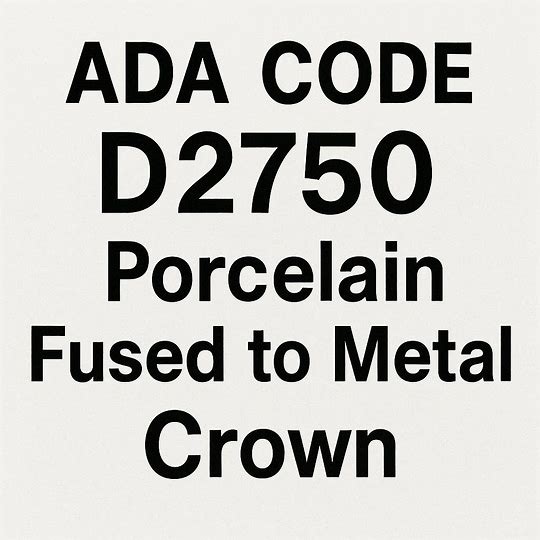
The cost for a new crown (like code D2740 for a porcelain crown) typically ranges from $1,000 to $3,500 or more. So, if your existing crown can be saved, D2981 offers a potential savings of thousands of dollars.
Will Insurance Cover D2981?
This is where it gets a little tricky. Dental insurance policies vary widely.
-
Some plans view a recementation as a basic restorative procedure and will cover a percentage of the cost (often 50-80%) after you meet your deductible.
-
Other plans may classify it as a minor procedure and apply it to your annual maximum just like a filling.
-
Many plans will cover it, but there’s an important caveat: they may only do so once every few years for the same tooth. If a crown keeps coming loose, insurance might argue that it’s no longer a viable restoration and push for a replacement.
Pro-Tip: Always call your insurance company before your appointment. Ask them, “What is my coverage for procedure code D2981, crown recementation?” This will give you a clear picture of your out-of-pocket cost.
When Recementation Isn’t an Option: The Limits of D2981
While recementing a crown is a fantastic option when it works, it isn’t always possible. Your dentist is the expert who will make the final call based on the health of your tooth and the condition of the crown.
Here are the situations where a dentist will likely recommend a new crown instead of a recementation:
1. Extensive Tooth Decay
If the tooth underneath the crown has a large cavity, the decay must be removed. Once the decay is gone, there may not be enough healthy tooth structure left to hold a crown. The foundation is simply too weak. In this case, a new, larger crown (and possibly a core buildup) is needed to rebuild the tooth.
2. The Crown is Damaged
Before recementing, the dentist will inspect the crown itself. If it has a large crack running through it, a significant hole, or worn-down edges, simply gluing it back on won’t fix the underlying structural problem. A damaged crown is likely to break soon after being recemented.
3. Poor Fit
If the crown never fit quite right to begin with, or if years of wear have altered its shape, recementing it will only perpetuate the poor fit. This can lead to gum irritation, difficulty cleaning, and future problems. A well-fitting crown is essential for long-term oral health.
4. Repeated Failures
If the same crown keeps coming loose over and over again, it’s a sign that something is fundamentally wrong. Maybe the tooth’s shape has changed, or the crown’s internal surface is too worn. After a second or third recementation, a dentist will almost certainly recommend investing in a new, properly fitting crown.
A Helpful Checklist: What to Do If Your Crown Falls Out
Finding a crown in your hand or floating around in your mouth can be startling. Don’t panic. Follow this simple checklist to handle the situation like a pro.
-
Retrieve the Crown: Find it and keep it safe. It is a custom-made piece for your tooth and is crucial for the recementation process.
-
Inspect the Crown (Gently): Look inside it. Does it look clean, or is there a lot of dark, soft material (which could be decay)? Do not try to scrape anything off yourself.
-
Call Your Dentist Immediately: Explain that your crown has come off. Schedule an appointment as soon as possible. Teeth can shift, and the exposed tooth structure is sensitive and vulnerable to decay.
-
Keep the Area Clean: Gently brush the area but be careful not to poke or irritate it.
-
Temporary Solutions (Use with Caution):
-
You can buy temporary dental cement or denture adhesive at a pharmacy. Placing a tiny amount inside the crown and seating it can hold it in place for a day or two until you see the dentist.
-
However, be careful. If you use too much, it can be hard to clean off later. Also, make sure the crown is going on the right way. It should fit snugly and not feel “high” when you bite down.
-
Important: Do not use superglue or other household adhesives. They are toxic and will ruin the crown.
-
-
Go to Your Appointment: Bring the crown with you!
How to Extend the Life of Your Recemented Crown
Once your dentist has successfully recemented your crown with code D2981, you’ll want to do everything you can to make it last. Here are some friendly, practical tips for long-term success:
-
Maintain Impeccable Oral Hygiene: This is the number one rule. The margin where the crown meets your tooth is a prime spot for plaque buildup. Be meticulous about brushing twice a day and flossing daily.
-
Pro Tip: When flossing around a crown, don’t just pop the floss out. Gently pull it out from the side to avoid tugging on the crown’s edge.
-
-
Be Mindful of What You Chew: Avoid using your crowned tooth as a tool to open packages or to chew on ice, hard candies, or popcorn kernels. These hard objects can stress the cement bond or even crack the crown.
-
Address Teeth Grinding (Bruxism): If you know you grind your teeth at night, talk to your dentist about a night guard. The constant pressure and clenching can wear down the cement and eventually loosen the crown.
-
Keep Up with Regular Dental Visits: Don’t skip your checkups! Your dentist will examine the crown, check the bite, and take X-rays periodically to ensure no decay is forming underneath. Catching a small problem early is always better than dealing with a big one later.
Frequently Asked Questions (FAQ)
Q: Is the D2981 procedure painful?
A: Generally, no. Since the crown is already loose, the dentist isn’t drilling on the tooth. The procedure involves cleaning and gluing. If the tooth is sensitive due to being exposed, the dentist can use a desensitizing agent or a mild local anesthetic to keep you comfortable.
Q: How long will a recemented crown last?
A: It can last for many years! If the reason it came loose was simply aged cement and the tooth is healthy, a recemented crown can last just as long as it did the first time. If it came loose due to a small amount of decay that was cleaned out, its longevity depends on the remaining tooth structure and your hygiene.
Q: Can any crown be recemented?
A: Most can, as long as the crown itself is not damaged and the tooth underneath is healthy enough to support it. Your dentist will be the best judge of this after a thorough examination.
Q: My crown came off and it looks like there’s a black tooth underneath. Is that decay?
A: It could be. It might also be leftover dark cement. This is exactly why you need to see a dentist. They can determine if the dark area is old cement (which can be cleaned off) or tooth decay (which will need to be treated).
Q: If my insurance covers a new crown, should I just get a new one instead?
A: Not necessarily. While insurance might cover part of a new crown, you’ll still likely have a significant co-pay (much higher than for a recementation). More importantly, if your current crown is in good shape, replacing it means removing more healthy tooth structure. Saving the existing crown is almost always the more conservative and preferable choice for your long-term dental health.
Conclusion
Dealing with a loose dental crown can be a stressful experience, but understanding the solution—Dental Code D2981—can bring immense peace of mind. It represents a straightforward, cost-effective, and conservative approach to restoring your smile without the need for a more complex and expensive procedure. By rescuing your existing crown, your dentist can often solve the problem in a single, comfortable visit. Remember, the key to a successful recementation lies in the health of the underlying tooth. So, if you ever find yourself with a loose crown, stay calm, keep it safe, and call your dentist. With a little professional care, you’ll be back to biting with confidence in no time.
Additional Resource
For the most authoritative and up-to-date information on all dental procedures and codes, the American Dental Association (ADA) is the go-to source. You can explore their resources for patients to learn more about crowns, oral health, and finding a dentist.
**[Link to the American Dental Association’s public oral health website] (https://www.ada.org/resources) **