The Complete Guide to Dental Insurance for Veterans
If you are a veteran, you already know that the benefits you’ve earned aren’t always straightforward. While the Department of Veterans Affairs (VA) provides excellent healthcare, dental coverage is a different story. It is one of the most confusing and misunderstood benefits for those who have served.
Many veterans assume that once they leave the service, their dental health is automatically covered. Unfortunately, that is rarely the case. The gap between what the VA offers and what a veteran actually needs can be wide, leaving millions without affordable options for cleanings, fillings, or more serious procedures.
This guide is designed to clear up the confusion. Whether you just got out of the service or have been a civilian for decades, we will walk you through every option available. From navigating the strict VA eligibility requirements to finding the best private dental insurance plans, you will leave this article with a clear path forward for your oral health.
Let’s break down the reality of dental insurance for veterans and find a solution that fits your budget and your lifestyle.
Why Dental Health Matters: More Than Just a Smile
Before we dive into the nitty-gritty of insurance plans, it is important to understand why this matters. Oral health is the gateway to your overall health.
Studies have shown a direct link between gum disease and serious conditions like heart disease, diabetes, and respiratory infections. For veterans, who may already face unique health challenges related to their service, neglecting dental health can compound existing problems.
Ignoring a small cavity or avoiding a cleaning because you don’t have insurance is a risky gamble. What starts as a simple issue can escalate into a root canal, an extraction, or a systemic infection. Finding the right coverage isn’t just about saving money; it is about protecting your overall well-being.
The Hard Truth About VA Dental Benefits
Let’s address the elephant in the room right away: The VA does not provide free dental care to most veterans.
This is the biggest shock for many. While the VA healthcare system is comprehensive for medical issues, dental benefits are generally reserved for specific groups. Understanding where you stand with the VA is the first step.
Who is Eligible for VA Dental Care?
The VA classifies dental eligibility into specific categories. You generally qualify for ongoing dental care if you fall into one of these buckets:
-
Prisoners of War (POWs) or Purple Heart Recipients: If you received the Purple Heart or were a POW, you are eligible for any needed dental care.
-
Service-Connected Disability (Rated 100%): Veterans with a 100% disabling service-connected condition are eligible for any needed dental care.
-
Service-Connected Non-Compensable (0%): If you have a service-connected dental condition or disability rated at 0% (meaning it is service-connected but doesn’t require payment), you may be eligible for care to treat that specific condition.
-
Recently Discharged Veterans: If you were discharged from active duty within the last 180 days and your Certificate of Release or Discharge from Active Duty (DD214) does not show that you had a complete dental exam and treatment before separation, you may be eligible for a one-time dental appointment. This is often referred to as the “Transitional Dental Care” program.
-
Vocational Rehabilitation: If you are enrolled in a VA vocational rehabilitation program, you may be eligible for dental care if it is deemed necessary to achieve your rehabilitation goals.
-
Housing or Homeless Programs: Veterans enrolled in certain VA homeless programs may also qualify for dental treatment.
Important Note: If you are a veteran with a non-service-connected condition and you are not 100% disabled, you generally do not qualify for free VA dental care. This means millions of veterans are left to find their own solutions.
Reader Takeaway: Do not assume you are ineligible without checking. Contact your local VA medical center or visit va.gov/dental to confirm your specific status. If you don’t qualify, don’t worry—there are other excellent options.
Private Dental Insurance: The Most Common Path for Veterans
For the majority of veterans who do not qualify for VA dental benefits, private dental insurance is the most reliable way to maintain oral health. The private market offers flexibility, a wide choice of dentists, and plans that can fit almost any budget.
However, buying dental insurance is different from buying health insurance. Here is what you need to know.
How Dental Insurance Works
Unlike medical insurance, which often covers catastrophic events, dental insurance is designed to encourage preventative care and share the cost of routine maintenance. Most plans follow a common structure called “100-80-50.”
-
Preventative Care (100% covered): Cleanings, routine exams, and x-rays are usually covered in full. This is the core of any good plan.
-
Basic Procedures (80% covered): Fillings, simple extractions, and root canals typically fall into this category. You pay 20% of the cost.
-
Major Procedures (50% covered): Crowns, bridges, dentures, and more complex oral surgery are usually covered at 50%. You pay the other half.
Annual Maximums: This is a critical number. It is the maximum amount the insurance company will pay for your care in a given year. Most plans have a cap between $1,000 and $2,000. Once you hit that limit, you pay 100% of the costs until the next year.
PPO vs. HMO vs. Indemnity Plans
When shopping for a private plan, you will encounter a few different types. Knowing the difference helps you choose the right one.
-
PPO (Preferred Provider Organization): This is the most popular type. You choose a dentist from a network of providers who have agreed to lower rates. You can see out-of-network dentists, but it will cost you more. PPOs offer great flexibility and a good balance of cost and coverage.
-
HMO (Health Maintenance Organization): Also known as a “capitation” plan, HMOs are usually cheaper. However, you must choose a primary care dentist from a very limited network, and you generally cannot see specialists without a referral. This is a budget-friendly option but lacks flexibility.
-
Discount Plans: These aren’t actually insurance. You pay an annual fee to get access to a network of dentists who agree to give you a discount (usually 10-60%) on their services. This can be a great option if you need a lot of work done and have hit the max on a traditional plan.
The VA Dental Insurance Program (VADIP)
Recognizing that many veterans don’t qualify for direct care, the VA partnered with private insurance companies to create the VA Dental Insurance Program (VADIP) .
This program is not free. It is a voluntary, premium-based dental insurance plan available to enrolled Veterans and certain beneficiaries.
Is VADIP Right for You?
VADIP offers discounted dental insurance through private carriers like Delta Dental and MetLife. Here are the pros and cons:
Pros:
-
No Waiting Periods: This is a massive benefit. Private insurance plans often make you wait 6-12 months for major procedures. VADIP typically has reduced or no waiting periods.
-
Competitive Rates: Because the VA negotiates the rates, the premiums are often lower than comparable plans you would buy on the open market.
-
Wide Network: You get access to the private carrier’s extensive network of dentists.
Cons:
-
You Must Be Enrolled in VA Health Care: You need to be enrolled in the VA health system to be eligible for VADIP, even if you don’t qualify for VA dental care.
-
It is Not Free: You must pay the monthly premiums.
How to Enroll:
You can enroll online through the VA website or directly through the approved vendors (Delta Dental and MetLife). You can choose between different coverage levels based on your needs.
Comparison: VA Dental vs. Private Insurance vs. VADIP
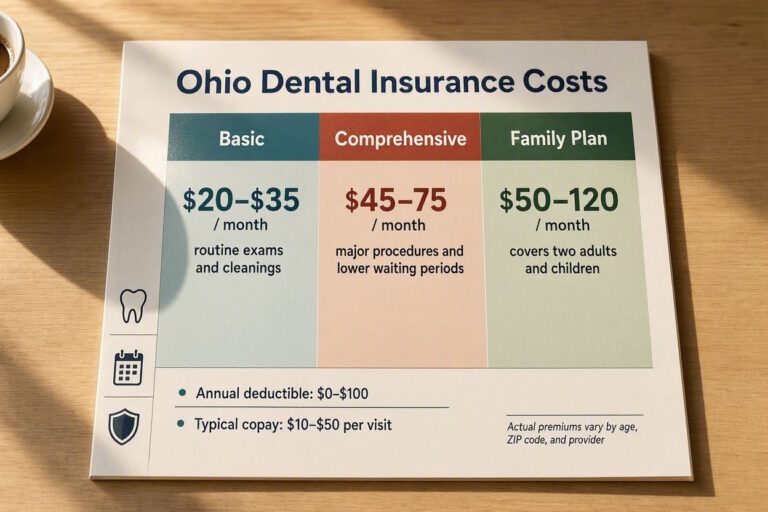
To help you visualize the landscape, here is a quick comparison table. This simplifies the main options available to you.
| Feature | VA Dental (Direct Care) | VADIP (VA-Sponsored) | Private Insurance |
|---|---|---|---|
| Cost | Free for eligible veterans | Monthly Premiums | Monthly Premiums |
| Eligibility | Strict (SC disability, POW, etc.) | Must be enrolled in VA healthcare | Open to all veterans |
| Provider Choice | VA Dental Clinics only | Large private network | Varies by plan (PPO vs HMO) |
| Waiting Periods | None (if eligible) | Minimal or none | Often 6-12 months for major work |
| Annual Maximum | No cap (if fully eligible) | Typically $1,000 – $1,500 | Typically $1,000 – $2,000 |
| Best For | Veterans who qualify for VA care | Veterans in the VA system who want private coverage | All veterans seeking flexibility |
Dental Insurance for Veterans with Disabilities
If you have a service-connected disability, your path to dental care might be easier, but it still requires attention to detail.
100% Disabled Veterans
If you have a 100% disability rating, you are entitled to full dental care from the VA. This is the gold standard of benefits. You can receive treatment at any VA dental clinic for any condition.
What if I want to see a private dentist?
Even if you are 100% disabled, using a private dentist is generally not covered by the VA unless you are referred by your VA provider for a specific service they cannot provide in-house. If you prefer a private dentist, you would still need to purchase a private plan or VADIP to cover those visits.
Veterans with Dental-Related Service Connection
Some veterans have a specific service-connected dental condition, like the loss of teeth due to combat or chronic jaw pain (TMJ) related to service. Even if your overall disability rating is low, you are entitled to dental care to treat that specific condition.
For example, if you have a 10% disability rating for a back injury (non-dental), you do not get dental benefits. But if you have a 0% rating for “dental trauma,” you do get care to manage that dental trauma.
State-Level Benefits and Vouchers: A Hidden Gem
Many veterans don’t realize that their state or local government may offer additional help. If federal options aren’t working for you, look closer to home.
State Veterans Homes and Dental Schools
-
State Veterans Homes: Some state-run veterans homes offer dental services to residents, and in certain states, these services are extended to outpatient veterans in the community. You have to check with your specific state’s Department of Veterans Affairs.
-
Dental Schools: This is a fantastic resource for veterans on a tight budget. Dental schools across the country need patients for their students to practice on. Procedures are performed by students under the strict supervision of experienced faculty.
-
Cost: Usually 50-70% less than a private practice.
-
Quality: The work is often meticulous because it is being graded.
-
Downside: Appointments take much longer (sometimes 3-4 hours for a single filling) because it is a learning environment.
-
State Vouchers and Grants
A handful of states have recognized the dental gap and set aside funds specifically for veterans. These are often one-time grants or vouchers to help with emergency dental work.
How to find them:
Simply search for “[Your State] veteran dental benefits” or call your local State Veterans Affairs office. They are the best resource for finding these local, often overlooked, programs.
Dental Insurance for Veterans Over 65: Medicare and Medigap
If you are a senior veteran, your situation changes again. Medicare, the federal health insurance for people over 65, does not cover routine dental care.
Original Medicare (Part A and B)
-
Part A (Hospital Insurance): Covers dental services only if they are part of a covered hospital procedure (e.g., emergency jaw surgery). It does not cover cleanings, fillings, or dentures.
-
Part B (Medical Insurance): Does not cover routine dental care.
Medicare Advantage (Part C)
This is where it gets interesting. Medicare Advantage plans are offered by private insurance companies approved by Medicare. These plans are required to offer the same coverage as Original Medicare, but many of them include extra benefits.
Many Medicare Advantage plans now include comprehensive dental coverage. This can include cleanings, x-rays, and even major procedures. If you are over 65 and enrolled in Medicare, looking at a Medicare Advantage plan with a dental component is often the most cost-effective route.
Veterans Choice and Community Care
The VA’s Community Care program allows some veterans to receive care from local providers if the VA cannot provide the service in a timely manner or if the veteran lives a certain distance from a VA facility. While this is primarily for medical care, it can sometimes be used for dental if the specific dental clinic is unavailable.
How to Choose the Right Plan: A Step-by-Step Checklist
Choosing a dental plan can feel overwhelming. Use this checklist to make the decision easier.
-
Verify VA Eligibility First: Go to the VA website or call them. Confirm once and for all if you qualify for direct, free dental care. If you do, stop here and book your appointment.
-
Assess Your Dental Health: Are you generally healthy and just need two cleanings a year? Or do you know you need a crown, a bridge, or dentures? Your current health dictates the plan you need.
-
Set a Budget: How much can you pay per month? How much can you afford to pay out-of-pocket if you need a root canal? Remember the annual maximum.
-
Check Your Preferred Dentist: If you love your current dentist, call their office. Ask them which insurance networks they are in-network with. This should heavily influence your decision.
-
Compare Plans Online: Use comparison websites or go directly to providers like Delta Dental, Cigna, MetLife, and Humana. Look at the premiums, deductibles, annual maximums, and coverage percentages.
-
Read the Fine Print on Waiting Periods: If you need a crown next month, a plan with a 12-month waiting period for major work is useless to you. Look for plans that waive waiting periods or have shorter ones.
-
Consider VADIP: Go to the VA website and look at the premium costs for Delta Dental and MetLife through VADIP. Compare them to the private quotes you got.
Common Mistakes Veterans Make When Buying Dental Insurance
Avoid these pitfalls to save yourself time, money, and frustration.
-
Mistake #1: Assuming the VA Covers Everything. We’ve covered this, but it is worth repeating. Always verify your eligibility.
-
Mistake #2: Buying the Cheapest Plan Possible. The cheapest plan often has a very low annual maximum ($800-$1,000) and high deductibles. If you need one crown (which can cost $1,200+), you will max out the insurance and still pay a fortune.
-
Mistake #3: Ignoring the Annual Maximum. A $1,000 max might sound okay, but a deep cleaning (scaling and root planing) can eat up half of that in one visit.
-
Mistake #4: Not Looking at the Network. You buy a PPO plan only to find out your dentist isn’t in the network. You then have to pay higher out-of-network costs or switch dentists.
-
Mistake #5: Waiting for an Emergency. Dental insurance, like most insurance, is designed for maintenance. If you wait until you are in excruciating pain, you will have to pay for an expensive emergency visit while your insurance waiting periods are still active.
Additional Resources for Veterans
Navigating healthcare can be lonely, but you are not alone. Here are some organizations dedicated to helping veterans get the dental care they need.
-
The VA Dental Insurance Program (VADIP) Portal: www.va.gov/dental
-
Delta Dental Veterans Program: Often offers specific discounts for veterans, separate from VADIP.
-
America’s Dentists Care Foundation: Provides free dental care at events across the country.
-
Mission of Mercy Projects: Large-scale, free dental clinics held in various states. Check their schedules regularly.
-
Give Back a Smile: Helps survivors of domestic violence (including veterans) restore their smiles.
Frequently Asked Questions (FAQ)
Q: Can I get free dental implants from the VA?
A: Generally, implants are only provided by the VA if they are deemed medically necessary for a service-connected condition. They are rarely provided for general cosmetic reasons. However, if you are 100% disabled, you can request an evaluation.
Q: I was just discharged. Do I get free dental care for a year?
A: Not exactly. You have 180 days from discharge to apply for a one-time dental assessment and treatment if your DD214 shows you didn’t have a complete dental exam in the 90 days prior to separation. It is not a full year of coverage.
Q: Is VADIP cheaper than private insurance?
A: In many cases, yes. Because the rates are negotiated by the VA, the premiums are often slightly lower than comparable plans on the open market. However, it is always smart to compare.
Q: What if I can’t afford any insurance at all?
A: Look into dental schools in your area. Also, contact your local Health Department; some offer sliding-scale fees based on income. Finally, search for “free dental clinics near me for veterans”—charitable events pop up frequently.
Q: Does the VA cover emergency dental visits?
A: For non-eligible veterans, the VA can only provide emergency dental care in very limited circumstances, such as to treat a condition that is complicating a medical condition. For most, a dental emergency means a trip to a private emergency dentist.
Conclusion: Take Control of Your Dental Health
Navigating the world of dental insurance as a veteran requires a bit of homework, but the effort is well worth it. Your health is your most valuable asset, and your smile is a big part of that.
To summarize your journey:
-
First, confirm your eligibility for direct VA dental care.
-
Second, if you don’t qualify, explore the VADIP program for competitive rates and waived waiting periods.
-
Third, compare those options against private insurance plans, keeping your specific dental needs and budget in mind.
Don’t let confusion or procrastination cost you your health. Use the resources provided, ask questions at your local VA office, and find a plan that lets you smile with confidence.
Disclaimer: This article is for informational purposes only and does not constitute legal or financial advice. Insurance plans, VA benefits, and state programs are subject to change. Always verify details with the official provider or the Department of Veterans Affairs.