Medicare Advantage Dental Coverage 2026
If you are turning 65 or simply reviewing your healthcare options for the upcoming year, you have likely noticed that dental care occupies a confusing gray area in the world of Medicare. It is one of the most common sources of frustration for beneficiaries. You might assume that once you enroll in Medicare, your dental needs are covered. Unfortunately, that is not the case with Original Medicare.
This is where Medicare Advantage (Part C) steps in. For 2026, Medicare Advantage plans continue to be the primary vehicle for seniors and eligible individuals to secure dental coverage. However, the landscape is shifting. Insurers are refining their offerings, changing cost structures, and altering how they define “comprehensive” dental care.
This guide is designed to be your essential resource. We will walk you through how dental coverage works within Medicare Advantage, what is new for 2026, how to compare plans effectively, and how to avoid unexpected out-of-pocket costs. By the end, you will have the clarity you need to make a confident decision about your dental health for the year ahead.
Understanding the Basics: Why Dental Isn’t in Original Medicare
Before we dive into the specifics of Medicare Advantage, it is crucial to understand the gap that exists in Original Medicare (Parts A and B).
Original Medicare was designed primarily for hospital and medical care. Part A covers inpatient hospital stays, skilled nursing facilities, and some home health care. Part B covers outpatient services, doctor visits, and preventive screenings.
Dental care is largely excluded. Under Original Medicare, you will not receive coverage for:
-
Routine cleanings
-
Fillings
-
Extractions
-
Dentures
-
Root canals
-
Crowns
The only dental services covered by Original Medicare are those deemed medically necessary for another procedure. For example, if you require a dental exam before a heart valve replacement or jaw reconstruction due to an accident, Medicare may cover it. For routine maintenance? You are on your own.
This gap is why nearly 30 million beneficiaries turn to Medicare Advantage. These private insurance plans, approved by Medicare, are required to cover everything Original Medicare does (except hospice, which Part A still covers), but they can add extra benefits. In 2026, dental remains one of the most valuable and widely offered extra benefits.
What’s New in Medicare Advantage Dental Coverage for 2026?
Every year, insurance carriers adjust their plan offerings based on federal regulations, healthcare costs, and consumer demand. 2026 brings several notable trends and changes.
1. The Shift from “Free” to “Built-in Allowance”
For the past few years, many Medicare Advantage plans advertised $0 premium plans with “free” comprehensive dental. In 2026, insurers are becoming more strategic. While many plans still offer $0 premiums, the dental benefits are increasingly structured as an allowance or a “flex card” rather than a traditional fee-for-service benefit.
Instead of offering unlimited cleanings and set copays for fillings, many plans now provide an annual allowance (e.g., $1,000 to $3,000) that you can spend on any dental service, from cleanings to dentures. Once that allowance is exhausted, you pay 100% of the cost.
2. Expanded Preventive Care
To attract healthier beneficiaries, nearly all Medicare Advantage plans in 2026 continue to offer $0 copays for preventive services. This typically includes:
-
Two routine cleanings per year
-
One set of bitewing X-rays annually
-
One comprehensive oral exam
The catch is that these preventive services often do not count against your annual allowance, meaning you can use your full allowance for restorative work while still getting your cleanings covered.
3. The Rise of Dental Network Restrictions
One of the biggest shifts in 2026 is the tightening of dental provider networks. Insurers are increasingly moving toward Dental Health Maintenance Organization (DHMO) models or narrow Preferred Provider Organization (PPO) networks. This means that if you choose a plan based on its dental benefits, you must verify that your current dentist is in-network. If they are not, you may face significantly higher costs or no coverage at all for out-of-network care.
4. Integration with “Over-the-Counter” (OTC) Benefits
Many Medicare Advantage plans now bundle dental benefits with OTC allowances. You might see a plan offering a $1,500 dental allowance combined with a $500 quarterly OTC card for health-related items. While convenient, it is important to read the fine print. These are often separate funds, and the OTC portion cannot be used for dental services.
Important Note for 2026: The Centers for Medicare & Medicaid Services (CMS) continues to refine the rules around “primarily health-related” benefits. In 2026, expect clearer labeling on what constitutes a dental benefit versus a supplemental health allowance.
How Medicare Advantage Dental Coverage Is Structured
Not all dental benefits are created equal. When you start comparing plans, you will notice three distinct ways insurers structure their dental offerings.
The Three Tiers of Dental Benefits
| Benefit Structure | How It Works | Best For |
|---|---|---|
| Preventive-Only | Covers cleanings, exams, and X-rays only. No coverage for fillings, crowns, or dentures. | Individuals with healthy teeth who only need maintenance. |
| Comprehensive with Copays | Covers preventive, basic (fillings, extractions), and major (crowns, dentures, root canals) services with fixed copays. | Those who need predictable costs for restorative work. |
| Annual Allowance / Flex Card | A set dollar amount ($500 – $3,000+) to spend on any dental service. You pay after the allowance is used up. | Those who need extensive work (e.g., dentures) and want to control where the budget goes. |
Preventive-Only Plans
These are common in lower-cost or $0 premium plans. They are excellent if your dental health is stable. You get your two cleanings and exams per year at no cost, but if you develop a cavity or need a crown, you will pay the full negotiated rate out of pocket.
Comprehensive with Fixed Copays
This structure mimics traditional dental insurance. You pay a copay for specific services.
-
Example: $0 for preventive, $25 for a filling, $150 for a crown, $300 for a root canal.
-
Pros: Predictable costs for major work.
-
Cons: You may have a separate annual deductible (often $50–$100) that must be met before coverage kicks in for basic and major services.
Annual Allowance Models
This is the fastest-growing structure in 2026. The plan gives you a “bank” of money to use for dental services.
-
Example: You have a $1,500 annual allowance. A crown costs $1,200. You pay $0 out of pocket, and you have $300 left for the year.
-
Pros: Flexibility. You can use the money for any dental provider (if the plan allows out-of-network) or any service.
-
Cons: If you need extensive work costing $5,000, you are responsible for the remaining $3,500. There is no “copay cap” for major services.
The Costs You Need to Consider
When evaluating Medicare Advantage dental coverage for 2026, you cannot look at the dental benefits in isolation. You must consider the total cost of the plan.
1. Monthly Premiums
While many Medicare Advantage plans have a $0 premium, those with richer dental benefits—like high allowances ($3,000+) or low copays for major services—often carry a monthly premium. This premium can range from $30 to $150 per month on top of your Part B premium.
2. The Part B Premium
Remember, you must continue paying your Medicare Part B premium (which is $174.70 or higher in 2026 depending on your income) regardless of whether you join a Medicare Advantage plan. The dental benefit is an add-on.
3. Maximum Out-of-Pocket (MOOP)
Medicare Advantage plans have a maximum out-of-pocket limit for medical services (Part A and B). However, dental benefits usually sit outside of this MOOP. This means your spending on dental work does not count toward your medical MOOP, and vice versa. You could hit your medical MOOP but still owe thousands for dental care.
4. Dental Deductibles
If you opt for a comprehensive plan with copays, watch for a separate dental deductible. This is usually an annual amount (often between $50 and $150) that you must pay before the plan starts covering basic or major services. Preventive services almost never require you to meet the deductible first.
Navigating Dental Networks: HMO vs. PPO vs. POS
One of the most common pitfalls for beneficiaries is selecting a plan for its dental benefits only to discover their dentist is not in the network. In 2026, network structures are more important than ever.
Medicare Advantage HMO (Health Maintenance Organization)
-
Medical and Dental: You generally must use in-network providers for both.
-
Referrals: You often need a referral to see a specialist (like an endodontist for a root canal).
-
Dental Networks: These are usually the most restrictive. If your dentist is not in the HMO’s dental network, you may have zero coverage for out-of-network care.
Medicare Advantage PPO (Preferred Provider Organization)
-
Medical and Dental: You have the freedom to see out-of-network providers, but you will pay more.
-
Dental Networks: These offer more flexibility. You can see any dentist, but in-network dentists have negotiated rates, meaning your out-of-pocket costs are lower. Out-of-network, you may pay the full negotiated rate, and the plan might cover a smaller percentage.
Medicare Advantage POS (Point of Service)
This is a hybrid model. Typically, the medical side functions like an HMO, but the dental side may offer more flexibility, allowing you to see out-of-network dentists for a higher cost.
Action Step: Before enrolling in any plan, call your dentist’s office. Ask them specifically, “Do you accept [Insurance Company Name] Medicare Advantage dental plan for 2026?” Do not assume that because they accepted a plan last year, they will accept it this year. Networks change annually.
How to Choose the Right Dental Coverage for 2026
Selecting a plan requires a candid assessment of your dental health. Let’s break this down by scenario.
Scenario 1: You Have Healthy Teeth and Gums
If you visit the dentist twice a year for cleanings and rarely need fillings, your priority should be cost savings.
-
Look for: A $0 premium plan with preventive-only coverage or a low annual allowance ($500–$1,000) that you likely won’t use.
-
Avoid: High-premium plans with extensive major service coverage that you do not need.
Scenario 2: You Know You Need Major Work (Crowns, Dentures, Implants)
If you have a treatment plan from your dentist outlining thousands of dollars in work, you need to do the math carefully.
-
Look for: A plan with a high annual allowance ($2,000–$4,000) or a comprehensive plan with low copays for major services.
-
Consider: A plan with a monthly premium. Sometimes paying $50/month for a plan that offers a $3,000 allowance is cheaper than paying $2,500 out of pocket for a crown and bridge.
-
Timing: If you enroll in a plan starting January 1, 2026, you have the entire calendar year to use your benefits. If you know you need expensive work, try to schedule it early in the year so you have time to address any follow-up issues before the allowance resets.
Scenario 3: You Have Chronic Conditions (Diabetes, Osteoporosis)
There is a strong link between oral health and systemic health. For individuals with diabetes, gum disease is a common complication.
-
Look for: Plans that offer comprehensive periodontal (gum) maintenance. Some standard plans cover only two cleanings per year, but enhanced plans may offer four cleanings annually for patients with periodontal disease.
Scenario 4: You Travel Frequently or Live in Two States
If you are a snowbird, a restrictive HMO dental network may not work for you.
-
Look for: A PPO plan with a national dental network. Companies like Delta Dental or Cigna often provide networks that span multiple states, allowing you to receive in-network care whether you are in Florida for the winter or Michigan for the summer.
The Fine Print: What Plans Don’t Always Tell You
Marketing materials for Medicare Advantage plans highlight “free dental” prominently. However, the details matter. Here are the hidden nuances to look for in the Evidence of Coverage (EOC) document.
1. Waiting Periods
While rare in Medicare Advantage (unlike standalone dental insurance), some plans in 2026 are introducing waiting periods for major services. You might enroll in a plan and be told you cannot get a crown or denture covered until you have been in the plan for 6 to 12 months. If you have an urgent dental need, this is a deal-breaker.
2. Implant Coverage
Implants are the gold standard for tooth replacement, but they are expensive. Very few Medicare Advantage plans cover implants fully. If a plan says it covers “major services,” read the definition. Some plans consider implants a separate category with a low lifetime maximum, or they may only cover the extraction and the crown, but not the surgical implant post itself.
3. Prior Authorization
For expensive services like root canals, crowns, or dentures, almost all plans require prior authorization. This means your dentist must submit a treatment plan to the insurance company for approval before you receive the service. If they fail to do this, or if the insurance denies it, you could be stuck with the full bill.
4. The “Encore” or “Synchrony” Trap
Some Medicare Advantage plans partner with third-party dental discount plans or financing companies. You may see advertising for “free dental” only to find out that the coverage is actually a discount card rather than insurance. Always verify that the dental benefit is embedded in the plan, meaning it is part of the plan’s official benefits, not a separate add-on you must activate.
Comparing Medicare Advantage vs. Standalone Dental Insurance
For many readers, the question isn’t whether to get dental coverage, but whether to get it through Medicare Advantage or purchase a standalone dental insurance plan (like Delta Dental, Guardian, etc.).
| Feature | Medicare Advantage Dental | Standalone Dental Insurance |
|---|---|---|
| Cost Structure | Often $0 premium, but may have higher copays for major services. | Monthly premium usually $25–$70. |
| Annual Maximum | Varies widely ($500 – $3,000+). | Typically lower ($1,000 – $1,500). |
| Waiting Periods | Rare for basic services. Occasionally for major. | Common. 6-12 month waits for major services. |
| Integration | Combined with medical coverage. One card, one plan. | Separate policy. Does not integrate with Medicare. |
| Enrollment | Only during Annual Enrollment Period (Oct 15 – Dec 7) or Special Enrollment Period. | Can enroll year-round (subject to underwriting). |
The Verdict:
If you qualify for a $0 premium Medicare Advantage plan that offers a decent dental allowance, it is often the most cost-effective route because you are essentially getting dental coverage for free alongside your medical benefits.
However, if you already have a Medicare Supplement (Medigap) plan that you love and you do not want to switch to Medicare Advantage, a standalone dental plan is your best option. Just be wary of waiting periods.
Maximizing Your Dental Benefits in 2026
Once you enroll, you want to get the most out of your coverage. Here is how to be a savvy consumer.
Schedule Early
Dental benefits operate on a calendar year (January 1 to December 31). If you wait until November to schedule your cleaning, you might find that the dentist has no appointments available. More importantly, if you have a high allowance and need major work, schedule it in January or February. This gives you the remainder of the year to use any remaining funds for unexpected issues.
Understand the “UCR” (Usual, Customary, and Reasonable)
If you go out of network, the plan will often pay based on “UCR” rates. These are the rates the insurance company deems acceptable in your area. If your dentist charges $300 for a filling but the UCR rate is $200, you are responsible for the $100 difference plus your copay.
Keep Records
Always ask for a pre-treatment estimate before undergoing major work. This document will show you exactly what the plan will pay and what you will owe. It is the best way to avoid surprise bills.
Regional Differences in 2026 Dental Benefits
It is important to note that Medicare Advantage plans are local. A plan offered in Los Angeles is not the same as a plan offered in rural Alabama. Benefits vary by county.
Urban areas typically have more competition among insurers, leading to richer dental benefits (higher allowances, lower copays) and more $0 premium options. Rural areas often have fewer plan choices, and dental networks may be limited, forcing you to travel farther to find an in-network provider.
When you use the Medicare Plan Finder tool, always enter your specific ZIP code to see what is available in your area.
What If You Need Extensive Dental Work?
Let’s say you need full dentures, which can cost between $1,500 and $3,000 per arch, or you need multiple implants. A standard Medicare Advantage dental plan with a $1,000 annual allowance will not cover the full cost.
Here are three strategies to handle extensive work:
-
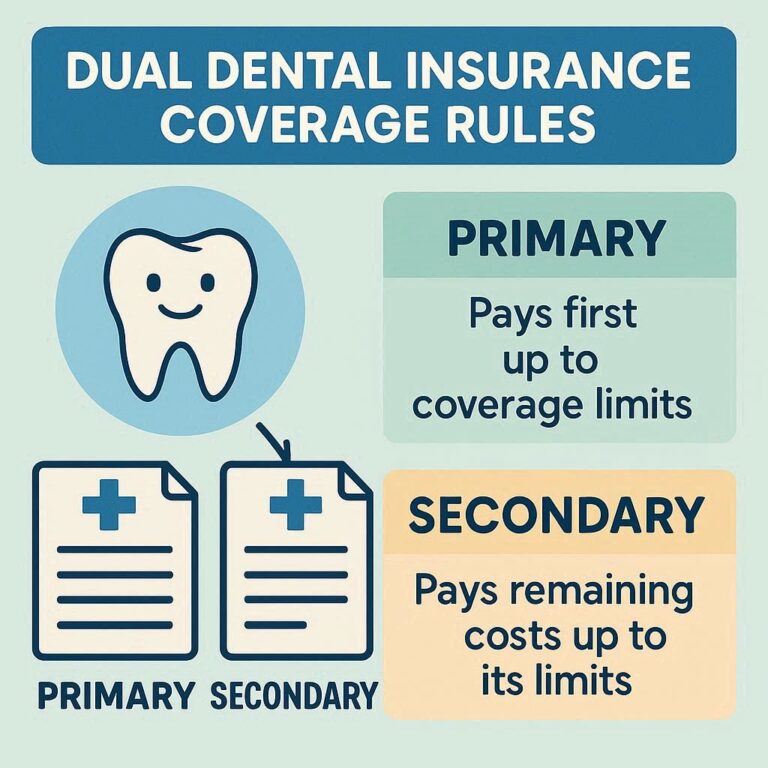
Stack Benefits: If you are married and both have Medicare Advantage plans with allowances, some dental offices will allow you to “split” the bill between two policies. This requires coordination and is not guaranteed, but it is worth asking your dentist’s billing department.
-
Utilize Dental Schools: Accredited dental schools often offer services at 50-70% less than private practices. While appointments take longer, the quality is supervised by expert faculty. If your Medicare Advantage allowance runs out, this can be a cost-effective way to complete treatment.
-
Consider a Mid-Year Switch (If Eligible): You generally cannot switch Medicare Advantage plans mid-year unless you have a Special Enrollment Period (e.g., you move out of the plan’s service area). If you face a dental emergency and your plan’s benefits are insufficient, you might need to pay out of pocket or finance the care.
The Future of Dental Coverage in Medicare
While this article focuses on 2026, it is worth noting the long-term trajectory. There have been legislative efforts to add a dental benefit to Original Medicare, known as the Medicare Dental Benefit Act. However, as of 2026, these efforts have not been passed into law.
For the foreseeable future, Medicare Advantage remains the primary, and for most beneficiaries, the only way to get comprehensive dental coverage through Medicare. The trend is toward personalization. We are likely to see more plans offering “flex cards” that allow you to allocate funds between dental, vision, and hearing based on your needs.
Common Mistakes to Avoid
As you navigate your options, steer clear of these common errors:
-
Assuming all plans are the same. Dental benefits vary wildly. One $0 premium plan might offer a $500 allowance; another might offer a $2,500 allowance with a $50 monthly premium. Do not choose based on the premium alone.
-
Forgetting to re-verify network status. Just because a dentist accepted your plan in 2025 does not guarantee they accept it in 2026. Contracts change. Verify before January 1st.
-
Ignoring the “Maximum” limit. An allowance sounds generous until you need a root canal and crown that total $2,800, and your allowance is $1,500. Understand the cap.
-
Overlooking foreign coverage. If you travel internationally, most Medicare Advantage dental plans do not cover you outside the U.S. If you spend significant time abroad, you will need travel insurance or pay out of pocket for dental emergencies.
A Checklist for Enrollment
To ensure you choose the best plan, use this checklist before the Annual Enrollment Period (AEP) ends on December 7, 2025, for coverage starting January 1, 2026.
-
List your current dentists. Write down the names and addresses of your preferred general dentist and any specialists (periodontist, oral surgeon).
-
Call their offices. Ask: “Do you participate in [Insurance Company Name] Medicare Advantage dental network for 2026?”
-
Review your dental treatment plan. If your dentist has recommended work, get a written estimate of costs.
-
Use the Medicare Plan Finder. Enter your ZIP code and medications. Filter by plans that include dental.
-
Compare the dental sections side-by-side. Look for:
-
Annual allowance amount
-
Copays for basic (fillings) vs. major (crowns)
-
Deductible amount
-
Whether preventive counts against the allowance
-
-
Read the Summary of Benefits. Do not trust the marketing flyers. The Summary of Benefits is a standardized document that clearly outlines costs.
-
Consider the total cost. Add the monthly premium (if any) to the Part B premium and estimate your potential dental out-of-pocket costs for the year.
Expert Tips for Specific Dental Situations
If You Have Dentures
Look for plans that specifically mention “denture repair” or “denture relining.” Many plans cover new dentures but offer very limited coverage for adjustments and repairs, which are common as gums shrink over time.
If You Have Periodontal Disease
You may need scaling and root planing (deep cleaning) more than twice a year. Check if the plan offers additional cleanings or coverage for periodontal maintenance. Some plans require a prior authorization for deep cleanings.
If You Need Orthodontics
Medicare Advantage plans almost never cover orthodontics for adults (braces or Invisalign) unless it is medically necessary due to an accident or reconstructive surgery. If you are seeking orthodontic treatment, you will likely need to pay entirely out of pocket.
Conclusion
Navigating Medicare Advantage dental coverage for 2026 requires a shift in mindset from passive acceptance to active management. The era of assuming all plans offer “free” comprehensive dental is evolving into a landscape of structured allowances, restricted networks, and personalized benefit selections.
Your best strategy is to assess your dental health honestly, understand the financial structure of your chosen plan—whether it is a high-allowance flex card or a predictable copay model—and verify your dentist’s participation before enrolling. By taking these steps, you can ensure that your Medicare Advantage plan serves not just your medical needs, but your smile as well.
Frequently Asked Questions (FAQ)
1. Does Medicare Advantage cover dental implants in 2026?
It depends on the plan. Some plans cover implants under “major services,” but often with a low lifetime maximum (e.g., $1,500) that covers only a fraction of the total cost. Always check the Evidence of Coverage for specific definitions of “major restorative services.”
2. Can I get dental coverage if I have Original Medicare?
Yes, but not through Medicare directly. You can purchase a standalone dental insurance plan, a dental discount plan, or enroll in a Medicare Advantage plan (which would replace your Original Medicare). You cannot have a Medigap plan and a Medicare Advantage plan simultaneously.
3. When can I enroll in a Medicare Advantage plan with dental?
The main enrollment period is the Annual Enrollment Period (AEP) from October 15 to December 7. Coverage begins January 1. You may also qualify for a Special Enrollment Period (SEP) if you move, lose employer coverage, or qualify for Medicaid.
4. Are dental cleanings really free under Medicare Advantage?
Most plans offer two preventive cleanings per year with a $0 copay, provided you visit an in-network provider. However, if you need additional cleanings due to gum disease, those may fall under “periodontal maintenance” and could require a copay.
5. What happens if I don’t use my dental allowance for the year?
In most plans, the annual allowance does not roll over. It is a “use it or lose it” benefit. Any unused funds expire on December 31. If you have remaining allowance late in the year, consider scheduling a second cleaning or addressing minor restorative work before the deadline.
6. Can I use my Medicare Advantage dental benefits at any dentist?
Only if you have a PPO plan that offers out-of-network benefits. Even then, you will pay more. HMO plans usually require you to stay in-network for coverage to apply. Always verify network status before booking an appointment.
7. Do I need to pay a separate deductible for dental?
Many plans have no deductible for preventive care but may have a small annual deductible ($50–$150) for basic and major services. This deductible is separate from your medical deductible.
Additional Resource
For the most accurate, up-to-date information on plans available in your specific county, visit the official Medicare Plan Finder.
Click here to visit the official Medicare Plan Finder
This government tool allows you to enter your medications, doctors, and ZIP code to compare all Medicare Advantage and Part D plans in your area. It provides standardized information on premiums, deductibles, and, importantly for this article, detailed dental benefits. Always use this resource before enrolling to ensure you are making a decision based on verified data.