Dental Implants in Katy
Losing a tooth can feel like a small thing at first. But over time, it changes how you smile, eat, and even feel about yourself. If you live in Katy, Texas, you have likely heard about dental implants. Maybe a friend mentioned them. Perhaps you saw an ad online. But what are they really like?
Let me walk you through everything you need to know. No pressure. No confusing dental school language. Just clear, honest answers about dental implants in Katy.
Why So Many People in Katy Are Choosing Implants
Katy is a growing community. Families, professionals, and retirees all call this place home. And one thing many of them share is a desire for a healthy, natural-looking smile.
Dental implants have become popular here for a simple reason: they work. Unlike old-school dentures or bridges, implants replace the entire tooth—root and all. That makes a huge difference.
You can bite into an apple. You can laugh without worrying about slipping dentures. You can brush and floss normally. For many people, that freedom is priceless.
The Real Problem with Missing Teeth
Let’s be honest. Missing a tooth is not just about looks. When a tooth goes missing, the bone in your jaw starts to shrink. That is a medical fact. Over months and years, your face can change shape. You might look older than you are. Other teeth can shift into the empty space. That leads to new problems like cavities, gum disease, or even more tooth loss.
Dental implants stop that cycle. They act like natural roots. They tell your jawbone, “Stay strong. We need you.”
What Exactly Is a Dental Implant?
Let’s break this down. A dental implant has three parts.
-
The post (implant body). This is a small screw made of titanium. A dentist places it into your jawbone. Over time, your bone grows around it. That creates a rock-solid anchor.
-
The abutment. This is a small connector piece. It sits on top of the post. It holds the new tooth in place.
-
The crown. This is the part you see. It is a custom-made artificial tooth. It matches the color, shape, and size of your real teeth.
Together, these three parts feel, look, and function like a natural tooth. Most people cannot tell the difference. Even up close.
A Quick Comparison: Implants vs. Older Options
| Feature | Dental Implant | Traditional Bridge | Removable Denture |
|---|---|---|---|
| Replaces the root | Yes | No | No |
| Protects jawbone | Yes | No | No |
| Feels like natural teeth | Very close | Moderate | Low |
| Affects nearby teeth | No | Yes (shaved down) | No |
| Removable | No | No | Yes |
| Long-term cost | Lower over time | Higher over time | Higher over time |
Important note: Bridges often require grinding down healthy teeth on both sides of the gap. That weakens them forever. Implants leave your natural teeth untouched.
Who Is a Good Candidate for Implants in Katy?
This is one of the most common questions. And the answer might surprise you.
Most healthy adults are candidates. Age is rarely a problem. People in their 70s and 80s get implants regularly. What matters is your overall health and your jawbone.
Ideal candidates usually have:
-
One or more missing teeth
-
Healthy gums (no active gum disease)
-
Enough jawbone to support the post
-
Good general health (diabetes or other conditions can be managed)
-
A commitment to good oral hygiene
What if you don’t have enough bone?
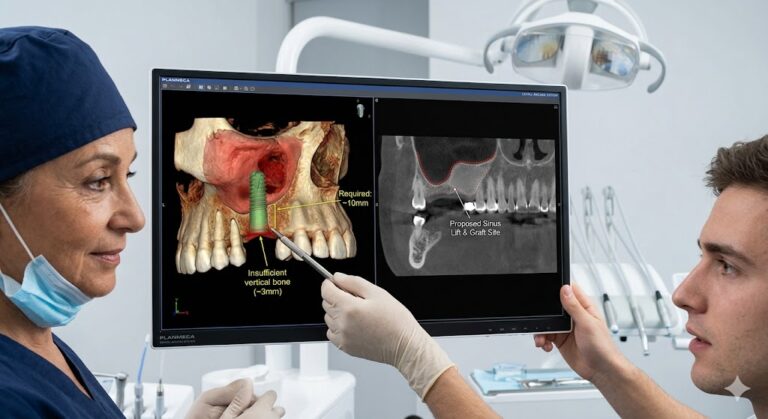
That is a real concern for some people. If you have waited years to replace a missing tooth, your jawbone may have shrunk. But that does not rule you out.
Many Katy dentists offer bone grafting. This is a simple procedure where they add bone material to your jaw. After a few months of healing, you have a strong foundation for an implant. It adds time, but it works very well.
The Step-by-Step Process of Getting Dental Implants in Katy
Let me walk you through what actually happens. Knowing the steps takes away the fear of the unknown.
Step 1: The Consultation (60 to 90 minutes)
You meet with an implant dentist in Katy. They look at your teeth and gums. They take X-rays or a 3D CT scan. This gives them a complete picture of your jawbone and nerves.
The dentist will ask about your health history. Be honest. Tell them about any medications you take. This is also your chance to ask questions. Write them down before you go.
Good questions to ask:
-
How many implants have you placed?
-
What happens if I feel pain?
-
How long will the whole process take?
-
What is the total cost, including everything?
Step 2: Treatment Planning
Your dentist creates a custom plan just for you. They decide exactly where to place the implant. They choose the right size and type of post. They also schedule any extra steps you need, like a bone graft or tooth extraction.
Step 3: The Implant Placement (Surgery Day)
Do not let the word “surgery” scare you. This is a routine outpatient procedure. Most Katy dentists use local anesthesia. That means you are awake, but you feel nothing. Some offices also offer sedation if you feel nervous.
The dentist makes a small cut in your gum. They drill a tiny hole into your jawbone. Then they place the titanium post inside. Finally, they close the gum over the post.
The whole thing usually takes one to two hours for a single implant.
Step 4: Osseointegration (Healing Time)
This is the most important part. Osseointegration is a fancy word for your bone growing around the implant. It takes three to six months. During this time, you eat soft foods. You keep the area clean. You let your body do its work.
Do not rush this step. Skipping healing time can cause the implant to fail.
Step 5: Placing the Abutment
Once the implant is solid, the dentist reopens your gum. They attach the abutment. This is a quick visit. It takes about 30 minutes. You get local numbing, but it is very minor.
Step 6: The Crown
Your dentist takes impressions of your mouth. A lab makes your custom crown. This takes two to four weeks. When it is ready, you return. The dentist screws or cements the crown onto the abutment.
And just like that, you have a new tooth.
Total Timeline at a Glance
| Step | Typical Duration |
|---|---|
| Consultation | 1 day |
| Bone graft (if needed) | 1 hour + 4–6 months healing |
| Implant placement | 1–2 hours |
| Osseointegration | 3–6 months |
| Abutment placement | 30 minutes |
| Crown fabrication | 2–4 weeks |
| Complete process | 4–9 months total |
How Much Do Dental Implants Cost in Katy?
Let’s talk about money. This is the biggest concern for most people. And I will be completely honest with you.
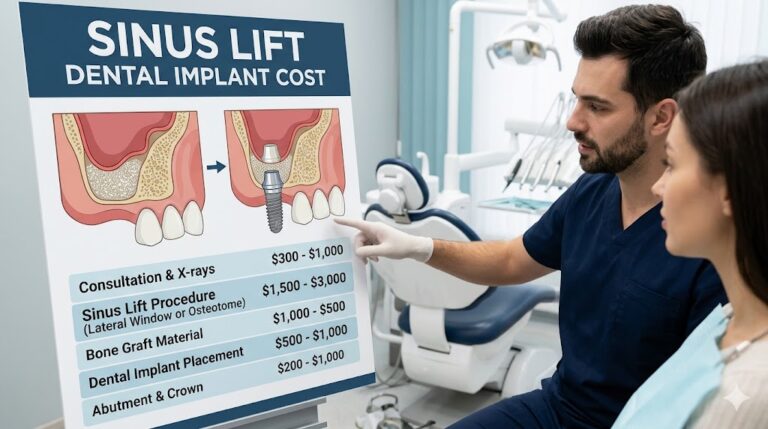
A single dental implant in Katy typically costs between $3,000 and $6,000. That includes everything: surgery, the post, the abutment, and the crown. Some offices charge separately for each part. Always ask for a written estimate.
Why the wide range?
-
Location. Dentists in different parts of Katy have different overhead costs.
-
Experience. A specialist like a periodontist or oral surgeon may charge more.
-
Materials. Premium ceramic crowns cost more than basic ones.
-
Extras. Bone grafts, CT scans, and sedation add to the total.
Does insurance cover implants?
It depends. Many dental insurance plans do not cover implants. They call them “cosmetic.” But that is changing. Some plans now cover part of the cost. Typically, they might pay 10% to 50% of the crown or the surgery.
Call your insurance company. Ask specifically: “Do I have implant coverage? What is my annual maximum?” That last part matters. Many plans max out at $1,500 per year. That covers only a small portion.
Payment options in Katy
Most implant dentists in Katy offer payment plans. You might use:
-
CareCredit. A healthcare credit card. No interest if paid within a set time.
-
In-house financing. Some offices let you pay monthly.
-
Dental schools. Not in Katy directly, but nearby schools offer lower fees.
-
Health Savings Account (HSA) or Flexible Spending Account (FSA). You can use pre-tax dollars.
Note: Cheap implants are rarely a good idea. If a price sounds too good to be true, ask why. Low-quality materials or rushed procedures often lead to failure. Then you pay twice.
Benefits of Dental Implants (The Honest Version)
You have read the marketing claims. Now let’s talk about real life.
The real benefits people love:
1. You forget you have them. This is the number one thing patients say. After a few months, you stop thinking about your implant. It just feels normal.
2. You eat what you want. Steak. Nuts. Corn on the cob. Caramel apples. No restrictions. No fear.
3. No adhesives or soaking. Denture wearers know the nightly routine. Implants stay in your mouth 24/7. You brush them like normal teeth.
4. Your face stays full. Because the bone remains healthy, your jaw and cheeks keep their natural shape. You look younger, longer.
5. Neighboring teeth stay healthy. No shaving down healthy enamel. No bridges that trap food and cause decay.
6. High success rate. Over 95% of implants last 25 years or more. Many last a lifetime.
The real downsides (because nothing is perfect)
1. Cost upfront. Yes, implants cost more at the start. A bridge or denture is cheaper today. But over 20 years, implants often cost less because they rarely need replacement.
2. Time commitment. You cannot get an implant in one visit. You wait months for healing. That requires patience.
3. Minor surgery. Most people have very little pain. But some swelling and discomfort are normal for a few days.
4. Not for everyone. Uncontrolled diabetes, heavy smoking, or active gum disease can cause implants to fail. Talk honestly with your dentist.
How to Choose the Right Implant Dentist in Katy
You have many options. Katy has general dentists, oral surgeons, periodontists, and prosthodontists. All of them place implants. So how do you choose?
Ask these five questions:
-
How many implants have you placed? Look for hundreds or thousands. Experience matters.
-
What is your success rate? A good dentist tracks their own numbers. Over 95% is standard.
-
Do you use a CT scanner in-office? 3D imaging is essential for safe, precise placement. If they send you elsewhere for scans, that is fine. But they must use them.
-
What happens if my implant fails? A confident dentist offers a warranty or replacement guarantee. Many offer 1 to 5 years on the crown and 10 years to lifetime on the post.
-
Can I speak to a past patient? Most happy patients are willing to share their experience.
Red flags to avoid:
-
Dentists who promise same-day implants without checking your bone first
-
Prices that are thousands below normal
-
No pre-surgery CT scan
-
High-pressure sales tactics
-
No written treatment plan or cost estimate
Recovery and Aftercare: What Really Happens
Let me give you the day-by-day reality of recovery. No sugar-coating.
Day of surgery
You go home with gauze over the site. You are numb for a few hours. Once it wears off, you feel some pressure. Not sharp pain. You eat soft, cool foods. Yogurt. Smoothies. Mashed potatoes.
Days 1 to 3
Swelling peaks on day two. Ice packs help. You take over-the-counter pain relievers. Many people need nothing stronger than ibuprofen. You eat soft foods only. You rinse gently with warm salt water.
Days 4 to 7
Swelling goes down. You feel much better. You still avoid chewing on that side. You start brushing carefully around the area.
Weeks 2 to 4
You forget you had surgery. The gum heals over the implant. You eat normally but avoid hard, crunchy foods right over the implant site.
Long-term care
Once your crown is on, care is simple. Brush twice a day. Floss daily. See your dentist every six months. That is it. No special cleaners. No soaking. No adhesives.
Can an implant fail?
Yes. It is rare, but it happens. The most common reasons are:
-
Smoking (hugely increases failure risk)
-
Poor oral hygiene
-
Uncontrolled diabetes
-
Teeth grinding (bruxism)
-
Medical conditions affecting bone healing
The good news: most failures happen early, within the first few months. Your dentist can often try again with a new implant.
Dental Implants in Katy: What the Local Experience Is Like
Katy is unique. This area has many highly trained dentists. Some are former military dentists. Some trained at top programs like UTHealth Houston or Texas A&M College of Dentistry.
You will also find implant centers that do nothing but implants all day. These specialists often have the most experience. But a skilled general dentist can also do excellent work.
Local patients tell me they appreciate the convenience. You can find a top implant dentist within a 10-minute drive from almost anywhere in Katy. Many offices have early morning, evening, or Saturday hours.
A patient’s quote (shared with permission):
“I was terrified of the dentist my whole life. I put off replacing a broken molar for seven years. Finally, my wife made me go to a place in Katy. The dentist sat with me for 45 minutes just answering questions. The surgery was easier than a filling. I cried happy tears when I ate my first steak. I wish I had done it years ago.” — Mark, Katy resident
Full Mouth Reconstruction with Implants
Some people need more than one tooth replaced. Maybe you have multiple missing teeth. Maybe you have worn-down dentures that never fit right.
Implant-supported dentures
Instead of a traditional denture that sits on your gums, this denture snaps onto 2 to 6 implants. It does not move. You can eat almost anything. And you never use adhesive.
Cost range: $7,000 to $15,000 per arch (upper or lower)
All-on-4
This is a famous technique. Your dentist places four implants in specific angles. Then they attach a full fixed bridge of 12 to 14 teeth. You cannot remove it yourself. It feels very close to natural teeth.
Cost range: $15,000 to $30,000 per arch
Multiple single implants
If you are missing three teeth in a row, you could place three separate implants. Or you could place two implants and a bridge between them. Your dentist will explain which option works best for your bone and budget.
Frequently Asked Questions (FAQ)
Do dental implants hurt?
Most people say less than a tooth extraction. You are numb during surgery. Afterward, mild soreness lasts 2–3 days. Over-the-counter pain medicine handles it easily.
How long do implants last?
With good care, 25 years to a lifetime. The crown may wear out after 10–15 years. But the titanium post can last forever.
Can I get an implant the same day I lose a tooth?
Sometimes. This is called immediate implant placement. It depends on your bone and the reason you lost the tooth. Your dentist will tell you if you qualify.
Are dental implants safe?
Yes. Titanium is biocompatible. Your body accepts it. Millions of implants have been placed worldwide with an excellent safety record.
What if I smoke?
Smoking greatly increases the risk of implant failure. It reduces blood flow to your gums and bone. Many dentists will still place implants, but they will warn you. Quitting before surgery improves your odds dramatically.
Can I have an MRI with an implant?
Yes. Titanium is not magnetic. MRIs are completely safe. Always tell the technician you have implants, but they will not cause problems.
Do implants stain like real teeth?
The crown itself can stain from coffee, tea, or tobacco. But you can whiten it? No. The crown will not change color. If you want it whiter, you need a new crown. So take care of it.
How do I clean under an implant?
You cannot. Implants do not have “under.” The crown is sealed against the gum. You clean around it with floss, brushes, or a water flosser. Your dentist will show you the right technique.
Additional Resource
For unbiased, research-backed information on dental implants, including patient stories and cost comparison tools, visit the American Academy of Implant Dentistry (AAID) patient education page.
👉 AAID Patient Resources – Dental Implants
Note: This link leads to a trusted national organization. Always consult a local Katy dentist for personal medical advice.
Common Myths About Dental Implants (Busted)
Myth: Implants look fake.
False. Modern crowns are made of layered ceramic that mimics natural enamel. Light passes through them just like real teeth.
Myth: The surgery is dangerous.
False. Implant surgery is safer than tooth extraction. Complications are extremely rare when performed by a trained dentist.
Myth: Old people should not get implants.
False. Age is not a factor. Bone health is. Many people in their 80s and 90s get implants successfully.
Myth: My body will reject the implant.
False. “Rejection” does not happen with titanium. Failure happens when bone does not grow around it properly. That is different. And it is rare.
Myth: Dental implants cause headaches or metal poisoning.
False. There is no scientific evidence for this. Titanium is inert. It does not corrode or release toxins.
Putting It All Together: Is an Implant Right for You?
Only you and your dentist can decide. But here is a simple checklist. If you answer yes to most of these, implants are worth exploring.
-
I have one or more missing teeth.
-
I am tired of hiding my smile.
-
I avoid certain foods because chewing is hard.
-
My dentures slip or hurt.
-
I want a permanent solution, not a temporary fix.
-
I am willing to invest time and money for a long-term result.
-
I am generally healthy and do not smoke heavily.
If that sounds like you, take the next step. Find two or three implant dentists in Katy. Go for consultations. Ask your questions. Compare their answers. Then make a choice that feels right for you.
A Final Word of Encouragement
I have spoken with dozens of people who delayed implants for years. They worried about pain. They worried about cost. They worried about the unknown.
Almost every single one said the same thing afterward: “I should have done this sooner.”
You deserve to eat, smile, and live without thinking about your teeth. Dental implants in Katy can give you that freedom. The process takes time. It requires a real investment. But the result is a new tooth that acts, feels, and looks like the one you lost.
That is not magic. That is modern dentistry. And it is available right here in Katy.
Conclusion
Dental implants in Katy offer a permanent, natural-looking solution for missing teeth by replacing both the root and crown. They protect jawbone health, allow normal eating, and last decades with simple daily care. While the upfront cost and healing time are greater than bridges or dentures, the long-term benefits make implants a worthwhile investment for most healthy adults.
FAQ (Summary)
1. How much do dental implants cost in Katy?
Between $3,000 and $6,000 per tooth, including all parts and surgery.
2. Does insurance cover implants?
Sometimes partially. Many plans cover 10–50% of the crown. Call your provider.
3. How long does the whole process take?
Four to nine months, including healing time.
4. Can I get implants if I have bone loss?
Yes. Bone grafting rebuilds the jawbone first.
5. Are implants painful?
No. Most people have less discomfort than a tooth extraction.
6. How do I clean dental implants?
Brush and floss normally. Use a water flosser if recommended.
7. What is the success rate?
Over 95% after 25+ years.
8. Can I get same-day implants in Katy?
Some cases qualify. Your dentist will evaluate your bone and health first.
9. Do implants fail?
Rarely. Smoking and poor hygiene are the top causes.
10. Should I see a specialist or a general dentist?
Both can succeed. Look for experience, technology, and patient reviews over title.