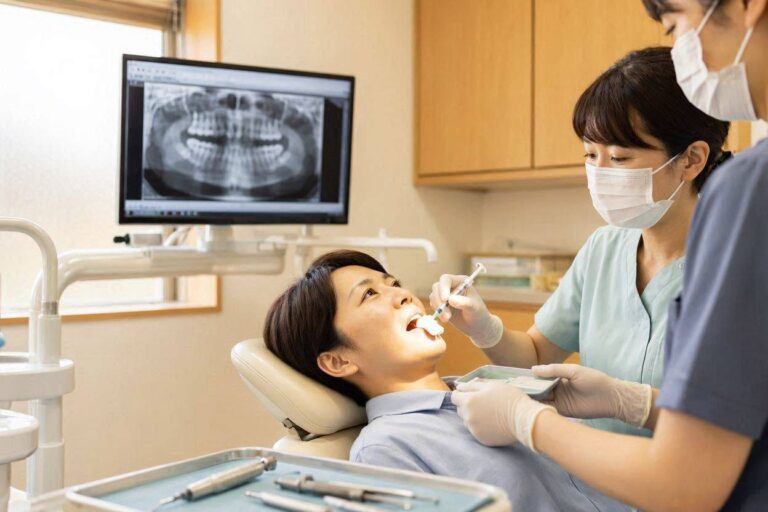
Will Medicaid Cover Dental Implants
You are missing a tooth. Or several. And you have heard that dental implants are the closest thing to natural teeth. They look good. They feel solid. They last a long time. But the price tag is high.
So you ask yourself a very reasonable question: will Medicaid cover dental implants?
The short answer is no for most adults. But the longer answer is more complex. And it depends on where you live, why you need the implants, and which Medicaid program you qualify for.
This guide walks you through everything you need to know. We look at the rules for children and adults. We explore the rare cases where Medicaid says yes. We also give you realistic alternatives and practical steps to save money.
No fluff. No false promises. Just honest, useful information.
Let us start with the basics.

Understanding Medicaid and Dental Coverage
Medicaid is a joint program between the federal government and individual states. The federal government sets minimum requirements. But each state runs its own version of Medicaid. This means coverage varies widely depending on your location.
For dental services, the rules are not the same for everyone.
The Federal Mandate for Children
The federal government requires all state Medicaid programs to cover dental services for children. This is part of the Early and Periodic Screening, Diagnostic and Treatment (EPSDT) benefit.
Children under 21 must receive dental care that is medically necessary. This includes:
-
Routine checkups
-
Cleanings
-
Fillings
-
Extractions
-
In some cases, crowns and space maintainers
But what about dental implants for children? In practice, dentists rarely place implants in children. Their jaws are still growing. Placing an implant too early can cause serious problems. So even if Medicaid would technically cover implants for a child, the clinical need is extremely rare.
Adult Dental Coverage Is Optional
For adults over 21, the situation changes completely. The federal government does not require states to provide dental benefits. Each state decides if it will offer dental coverage, and what that coverage looks like.
As of 2026, most states offer some form of adult dental coverage. But the level of coverage varies dramatically.
Some states provide comprehensive benefits. Others offer only emergency extractions. And a few states offer no adult dental benefits at all.
This is where the question of dental implants gets complicated.
Will Medicaid Cover Dental Implants for Adults?
Let us be direct. For the vast majority of adults, Medicaid will not cover dental implants. Most state Medicaid programs consider implants to be cosmetic or elective. They are expensive. And the programs have limited budgets.
But there are exceptions. Rare exceptions. Let us break them down.
General Rule: Implants Are Not Covered
In standard adult dental benefits, Medicaid covers basic services like:
-
Exams and X-rays
-
Cleanings (sometimes limited to once per year)
-
Fillings (amalgam or composite)
-
Extractions (simple and surgical)
-
Dentures (full or partial)
-
Root canals (on front teeth in some states)
Dental implants are almost always excluded. They appear on the “not covered” list in most state Medicaid manuals.
Why? Cost is the main reason. A single implant can cost between $3,000 and $6,000. Medicaid programs operate with tight budgets. They prioritize pain relief and basic function over elective procedures.
When Medicaid Might Say Yes
There are specific situations where a state Medicaid program may approve dental implants. These are not guarantees. But they represent the only realistic paths.
Medical Necessity Due to Congenital Conditions
Some people are born without certain teeth. This is a condition called hypodontia or oligodontia. If missing teeth affect your ability to eat or speak properly, Medicaid may consider implants medically necessary.
The same applies to conditions like ectodermal dysplasia. This genetic disorder affects the development of teeth, hair, and skin. People with this condition often have missing or malformed teeth. In these cases, implants can restore essential function.
Trauma or Accident
If you lose teeth in a car accident, a fall, or another traumatic event, the rules may change. Some state Medicaid programs make exceptions for injuries. The key is documentation. You need medical records, police reports, and a clear link between the accident and the tooth loss.
Cancer or Radiation Treatment
Head and neck cancer treatments often damage teeth and jawbone. Radiation therapy can make natural teeth brittle. It can also cause dry mouth, leading to severe decay.
In these cases, dental implants may be part of reconstructive treatment. Medicaid sometimes covers them as a medical service rather than a dental service. This distinction matters. Medical coverage often has fewer restrictions than dental coverage.
Severe Medical Conditions
Conditions like severe osteoporosis or certain metabolic bone diseases may qualify for implant coverage. The argument is that missing teeth affect nutrition. If you cannot chew solid food, your overall health declines.
But again, this requires extensive documentation. Your doctor and dentist must work together to prove medical necessity.
Important Note: Even in these exceptional cases, approval is not automatic. You will likely need a prior authorization. This is a formal request where your dentist explains why implants are necessary. The state Medicaid office reviews the request and decides. The process can take weeks or months.
Medicaid for Pregnant Women
Some states offer enhanced dental benefits for pregnant women. The reason is clear. Oral health affects pregnancy outcomes. Gum disease is linked to preterm birth and low birth weight.
But even here, implants are rarely covered. The focus is on treating infections and managing pain. A dentist will almost never place an implant during pregnancy. The procedure requires X-rays, anesthesia, and sometimes antibiotics. Most providers avoid this during pregnancy as a precaution.
So while pregnant women may get more dental services, implants are still unlikely.
Medicaid for Disabled Adults
Adults who qualify for Medicaid due to a disability may have different benefits. Some states offer comprehensive dental coverage for disabled adults under waivers or special programs.
These programs recognize that people with disabilities face higher barriers to dental care. They may also have unique needs. For example, someone with a developmental disability may not tolerate dentures. Implants could provide a more stable solution.
But waivers vary by state. Some cover implants. Most do not. You need to check your specific waiver’s benefits.
State-by-State Differences
Because each state runs its own Medicaid program, the answer to “will Medicaid cover dental implants” changes depending on where you live.
Let us look at how states approach this question.
States with No Adult Dental Benefits
As of 2026, a small number of states offer no regular adult dental benefits through Medicaid. These states may cover emergency extractions only. Implants are not covered at all.
Examples include:
-
Alabama
-
Mississippi (limited emergency services)
-
Tennessee (extractions only for pain or infection)
If you live in one of these states, Medicaid will not cover dental implants under any normal circumstance. Your only chance is a medical waiver, which we discuss later.
States with Limited Adult Dental Benefits
Most states fall into this category. They cover basic services like exams, fillings, and extractions. Some cover dentures. But implants are explicitly excluded.
Examples include:
-
Texas
-
Florida
-
Georgia
-
Ohio
-
Pennsylvania
In these states, you cannot get implants through standard Medicaid. The exception would be the rare medical necessity cases described earlier.
States with Comprehensive Adult Dental Benefits
A handful of states offer more generous adult dental coverage. These states often cover crowns, root canals on back teeth, and even some specialty services.
Examples include:
-
California (Denti-Cal)
-
New York
-
Minnesota
-
Massachusetts
-
Washington
Even in these states, implants are usually not covered. But the approval process for exceptions may be easier. The dental programs are better funded. They have more flexibility.
Note: Even comprehensive states have limits. For example, California’s Denti-Cal program does not cover implants for adults. But it does cover implant-supported dentures in very specific cases. Always check the current provider manual.
The District of Columbia
Washington, D.C. offers relatively strong adult dental benefits. The program covers diagnostic, preventive, restorative, and surgical services. But implants are not listed as a covered benefit. Exceptions are rare.
Coverage for Children and Teenagers
For people under 21, the rules are different. The EPSDT benefit requires states to cover medically necessary services. This includes dental care.
But again, dental implants are rarely placed in children. Why? Jaw growth.
A child’s jaw continues to grow until the late teens or early twenties. If you place a dental implant in a growing jaw, the implant does not grow. It stays where it is. Meanwhile, the rest of the jaw grows around it. This leads to the implant looking sunken or misplaced. It can also cause bite problems.
For this reason, most dentists wait until jaw growth is complete. For girls, this is around age 16 to 18. For boys, it is closer to age 18 to 21.
So even if Medicaid would cover implants for a child, the clinical situation rarely calls for them. Instead, dentists use space maintainers, partial dentures, or bridges until the child is old enough for an implant.
What About Teenagers?
Teenagers near the end of their growth may be candidates for implants. But again, Medicaid approval is not automatic.
The teenager would need a clear medical need. For example:
-
Missing a front tooth due to trauma
-
Born without permanent teeth in a specific area
-
Unable to wear a partial denture due to allergies or other medical conditions
In these cases, a dentist can request prior authorization. The state Medicaid program reviews the request. Approval is possible but not guaranteed.
Alternative Procedures Covered by Medicaid
If Medicaid will not cover dental implants, what will they cover? Let us look at the most common alternatives.
Complete Dentures
Dentures are the most common tooth replacement option covered by Medicaid. A full denture replaces all teeth on the upper or lower arch. A partial denture replaces several missing teeth.
Pros:
-
Lower cost than implants
-
Covered by most state Medicaid programs
-
Non-invasive procedure
Cons:
-
Can be uncomfortable
-
May slip or move while eating or speaking
-
Requires adhesives
-
Does not prevent jawbone loss
Immediate Dentures
Some states cover immediate dentures. These are placed on the same day your teeth are extracted. You wear them while your gums heal. After several months, you get a permanent denture.
Medicaid coverage for immediate dentures varies. Some states cover them as part of the standard denture benefit. Others do not.
Implant-Supported Dentures
This is a hybrid option. Instead of individual implants for each missing tooth, you get two to four implants. These implants snap into a special denture. The denture is stable but removable.
Some state Medicaid programs cover implant-supported dentures in very specific cases. For example, if you cannot wear a regular denture due to a medical condition. But this is rare.
Bridges
A dental bridge uses the teeth next to a gap to support a false tooth. The adjacent teeth are shaved down and crowned. The bridge is cemented in place.
Medicaid often covers bridges for missing front teeth. But coverage for back teeth varies. Bridges are less expensive than implants but more expensive than dentures.
Pros:
-
Fixed in place (does not move)
-
Feels more natural than dentures
-
Covered by some state Medicaid programs
Cons:
-
Requires shaving down healthy teeth
-
Does not prevent bone loss
-
May need replacement after 5 to 15 years
Root Canals and Crowns
If you have a damaged tooth but the root is still healthy, Medicaid may cover a root canal and crown. This saves the natural tooth. It is always better to save a natural tooth than to replace it.
Many state Medicaid programs cover root canals on front teeth. Fewer cover them on back teeth (molars). Crowns are also limited. Some states cover only stainless steel crowns on back teeth. Others cover ceramic crowns on front teeth.
Extractions
If a tooth is beyond saving, Medicaid will almost always cover an extraction. Removing a painful, infected tooth is considered medically necessary. This is the most basic dental service covered in all states.
After extraction, you can ask about replacement options. But remember, dentures are the most likely covered option.
The Role of Medical Necessity
The phrase “medical necessity” is the key to understanding Medicaid’s exceptions. If a procedure is medically necessary, Medicaid may cover it. If it is only for cosmetic or convenience reasons, they will not.
But what does “medically necessary” mean?
Each state has its own definition. But generally, a service is medically necessary if:
-
It treats a diagnosed medical condition
-
It prevents serious harm to your health
-
It restores essential function (eating, speaking)
For dental implants to be medically necessary, you must prove that no other, less expensive option works.
Documenting Medical Necessity
If you believe you qualify for an exception, you need strong documentation. This is not something you can do alone. You need your dentist and your doctor to work together.
Here is what a successful medical necessity request often includes:
-
A letter from your dentist explaining why implants are necessary. The letter should detail why dentures, bridges, or other covered options are not appropriate.
-
Medical records showing your condition (cancer, trauma, congenital disorder).
-
Photographs or X-rays showing the problem.
-
A treatment plan with costs and timeline.
-
A statement from your doctor explaining how missing teeth affect your overall health. For example, if you cannot eat and are losing weight, your doctor should document this.
Your dentist submits this packet to Medicaid for prior authorization. The review process takes anywhere from two weeks to three months.
The Likelihood of Approval
Let us be realistic. Even with excellent documentation, approval is not common. Most requests for dental implants are denied. The reason is simple: cost.
A single implant costs thousands of dollars. A set of dentures costs a few hundred. From Medicaid’s perspective, dentures restore chewing function. They are “good enough.”
Unless you have a truly exceptional medical situation, expect a denial. But if you do not try, you will never know. Some people have succeeded. You could be one of them.
Dual Eligibility: Medicare and Medicaid
Some people qualify for both Medicare and Medicaid. These individuals are called “dual eligibles.” If this is you, the rules are slightly different.
Medicare and Dental Implants
Original Medicare (Part A and Part B) does not cover dental implants. In fact, Medicare does not cover most routine dental care. It covers dental services only if they are part of a covered medical procedure. For example, if you need jaw surgery after an accident, Medicare may cover the surgery. But the dental implants themselves are still not covered.
Medicare Advantage (Part C) plans sometimes offer dental benefits. But these are limited. Most Advantage plans do not cover implants. Some offer allowances for dentures. Check your specific plan.
How Dual Eligibility Helps
If you have both Medicare and Medicaid, your Medicaid benefits may be more generous. Some states offer enhanced dental benefits to dual eligibles. The reasoning is that these individuals are often older or disabled. They have greater health needs.
Even then, implants are rarely covered. But you may have access to better dentures or more comprehensive care. Check with your state’s Medicaid office and your Medicare Advantage plan.
How to Apply for an Exception
If you have read this far and believe your case qualifies for an exception, here is a step-by-step guide.
Step 1: Find a Dentist Who Accepts Medicaid
This is harder than it sounds. Many dentists do not accept Medicaid. The reimbursement rates are low. The paperwork is heavy. You may need to call several offices.
When you call, ask two questions:
-
Do you accept Medicaid?
-
Have you ever successfully gotten Medicaid to approve dental implants?
The second question is important. You want a dentist with experience in medical necessity requests. A dentist who has never tried will not know how to build a strong case.
Step 2: Get a Comprehensive Exam
Your dentist needs to document your situation fully. This includes:
-
Full mouth X-rays
-
Photographs
-
Periodontal charting
-
Medical history review
If the dentist agrees that implants are necessary, they will begin the prior authorization process.
Step 3: Gather Supporting Medical Records
If your tooth loss is due to a medical condition, get records from your doctor. This includes:
-
Diagnosis letters
-
Treatment summaries
-
Surgical reports (if applicable)
-
Medication lists
The more documentation, the better.
Step 4: Submit the Prior Authorization Request
Your dentist submits the request to your state’s Medicaid office. The request includes all the documentation and a clear explanation of medical necessity.
Step 5: Wait and Follow Up
The review process takes time. Call the Medicaid office after two weeks to confirm they received the request. Ask for an estimated decision date. If they deny the request, you have the right to appeal.
Step 6: Appeal a Denial
Most initial requests are denied. Do not give up. You can appeal. The appeals process has multiple levels.
Level 1: Internal review by the Medicaid office.
Level 2: Review by an independent hearing officer.
Level 3: Appeal to a state administrative law judge.
At each level, you can submit additional evidence. You can also request a hearing where you and your dentist present your case in person.
Appeals are time-consuming. They can take six months or longer. But some people win at the appeal stage. If your case is strong, keep fighting.
Programs That Might Help Pay for Implants
If Medicaid will not cover your implants, you have other options. These programs are not Medicaid. But they can help reduce the cost.
State Dental Programs for Low-Income Adults
Some states have dental programs separate from Medicaid. These programs serve low-income adults who do not qualify for Medicaid or who need services Medicaid does not cover.
Examples include:
-
Florida Department of Health Dental Program (limited services, no implants)
-
Texas Mission of Mercy (pop-up clinics, free basic care)
-
California CareForce (free clinics, no implants)
These programs focus on extractions, fillings, and dentures. Implants are too expensive and complex for free clinics. But they can help you get out of pain and stabilize your mouth.
Dental Schools
Dental schools offer reduced-cost care. The work is done by students under the supervision of experienced faculty. The quality is generally excellent. The only downside is time. Appointments take longer because students work slowly and carefully.
Dental implants at dental schools cost significantly less than private practices. A single implant that costs $5,000 at a private office might cost $2,500 at a dental school.
However, dental schools rarely offer free care. They charge reduced fees. And they may not accept Medicaid. But the fees are low enough that many people can save up over time.
How to find a dental school: Search for “dental school near me” or visit the American Dental Education Association website for a list.
Federally Qualified Health Centers (FQHCs)
FQHCs are community health centers that receive federal funding. They provide medical and dental care on a sliding fee scale based on your income.
If you have no insurance or limited coverage, an FQHC is a great option. They accept Medicaid. They also offer discounts to uninsured patients.
But FQHCs focus on basic care. They rarely place implants. They can, however, provide dentures, extractions, and fillings. They can also refer you to specialists if needed.
Clinical Trials
Some universities and research institutions run clinical trials on dental implants. These trials test new techniques, materials, or devices. If you qualify, you receive the implant for free. Sometimes you even receive payment.
The downside is risk. You are receiving an experimental treatment. It may not work as well as standard implants. There could be side effects or complications.
But for someone with no other options, a clinical trial is worth exploring.
How to find trials: Search ClinicalTrials.gov using keywords like “dental implant” and your state name.
Nonprofit Organizations
Several nonprofits help people access dental care. Most focus on children, veterans, or people with specific medical conditions.
-
Dental Lifeline Network connects people with disabilities or medical conditions to volunteer dentists.
-
Smiles for Everyone provides free dental care to low-income individuals.
-
America’s Dentists Care Foundation runs free clinics through the Mission of Mercy program.
These organizations rarely cover implants. But they can help with extractions, dentures, and other basic care.
Crowdfunding
Many people turn to crowdfunding sites like GoFundMe to raise money for dental implants. It is not a guaranteed solution. But it has worked for some people.
To succeed, you need a compelling story. Explain why you need implants, not dentures. Share photos if you are comfortable. Ask friends and family to share your campaign.
Even if you raise only part of the cost, every dollar helps.
Payment Plans and Financing
If you decide to pay for implants out of pocket, you have financing options. Private dental offices often offer payment plans through third-party companies.
CareCredit
CareCredit is a healthcare credit card. You can use it for dental implants. Many dentists accept it.
CareCredit offers promotional financing. For example, no interest if you pay the full amount within 12 months. But if you miss a payment or pay late, they add high interest (often over 25%).
Read the terms carefully. CareCredit is useful if you can pay quickly. It is dangerous if you carry a balance.
LendingClub and Other Medical Loans
LendingClub offers loans specifically for healthcare expenses, including dentistry. You apply online. If approved, the money is sent to your dentist.
These loans have fixed interest rates and fixed monthly payments. The rates depend on your credit score. If you have good credit, you may get a reasonable rate. If you have poor credit, the rate may be high.
In-House Payment Plans
Some dentists offer their own payment plans. You pay a down payment, then monthly installments directly to the office.
These plans are less common than they used to be. Many dentists stopped offering them because patients sometimes stopped paying. But it never hurts to ask.
Sliding Fee Scales
A small number of dental offices offer sliding fee scales based on income. This is more common at FQHCs and nonprofit clinics. Private practices rarely do this.
If you find a dentist who offers a sliding scale, be honest about your income. Bring proof like tax returns or pay stubs.
Preventing Tooth Loss in the First Place
The best way to avoid expensive implants is to keep your natural teeth. This sounds obvious. But many people do not realize how much prevention can save them.
Medicaid Preventive Coverage
Most state Medicaid programs cover preventive dental services. These include:
-
Exams (usually once or twice per year)
-
Cleanings (once per year in many states)
-
Fluoride varnish (for children and some adults)
-
Sealants (for children)
Use these benefits. A cleaning costs Medicaid very little. A crown or extraction costs much more. Prevention is in everyone’s interest.
Home Care on a Budget
You do not need expensive products to keep your teeth healthy. A soft toothbrush, fluoride toothpaste, and floss are enough.
Brush twice per day. Floss once per day. If you cannot afford floss, ask your dentist for samples. Many offices give away floss and toothbrushes.
Avoid sugary drinks and snacks. If you do consume sugar, rinse your mouth with water afterward. Better yet, brush.
Regular Dental Visits
Even if you feel fine, see a dentist every year. Small cavities are easy and cheap to fill. Large cavities become root canals or extractions.
Medicaid covers exams. Use them.
Common Myths About Medicaid and Dental Implants
Let us clear up some misconceptions.
Myth 1: “Medicaid covers dental implants in all states for children.”
False. Medicaid covers dental care for children. But dentists do not place implants in children due to jaw growth. So in practice, implants are not covered.
Myth 2: “You can get implants if you say you cannot wear dentures.”
False. Many people dislike dentures. Medicaid knows this. Discomfort or inconvenience is not medical necessity. You need a documented medical reason why dentures are impossible for you.
Myth 3: “Medicaid will cover implants if you are in pain.”
False. Medicaid will cover an extraction to stop pain. But an implant is a replacement, not a pain treatment. If you are in pain, Medicaid removes the problem tooth. They do not give you a new one.
Myth 4: “Once you get prior authorization, Medicaid pays for everything.”
False. Prior authorization means they agree the procedure is medically necessary. It does not guarantee full payment. You may still have copays or coverage limits. And the dentist must accept Medicaid reimbursement rates, which are low.
Myth 5: “If you move to a state with better benefits, you can get implants right away.”
False. When you move to a new state, you must enroll in that state’s Medicaid program. You also need to establish residency. Even then, the same rules apply. Implants are rarely covered.
A Realistic Look at Dentures
Given how hard it is to get implants through Medicaid, most people end up with dentures. Let us talk honestly about what that means.
The Adjustment Period
Dentures take time to get used to. The first few weeks are the hardest. Your gums may be sore. You may gag. Food may taste different. You may produce more saliva than usual.
These symptoms improve over time. Within a month, most people adapt.
Eating with Dentures
You cannot eat the same way you did with natural teeth. Hard foods like nuts and apples are difficult. Sticky foods like caramel can pull dentures loose.
Cut food into small pieces. Chew on both sides of your mouth at the same time to keep dentures stable. Avoid biting with your front teeth.
Speaking with Dentures
You may lisp or slur words at first. This is normal. Read aloud to yourself for 10 minutes each day. Within a few weeks, your tongue adjusts.
Denture Adhesives
Many people need adhesive to keep dentures in place. Adhesives come as powders, pastes, or strips. Medicaid does not cover adhesives. But they are available at drugstores for a few dollars per month.
Long-Term Denture Care
Dentures are not permanent. They need to be relined or replaced every five to seven years. Your jawbone changes shape over time. Dentures that fit well today may become loose next year.
Medicaid may cover a reline or replacement denture. But check your state’s policy. Some states limit how often you can get new dentures.
When Implants Are Worth the Cost
Despite the challenges, implants are objectively better than dentures. They preserve jawbone. They feel like natural teeth. They last decades, not years.
If you have the means to pay out of pocket, implants are worth considering. Here is a rough cost breakdown in the United States:
-
Single implant: $3,000 to $6,000
-
Implant-supported bridge (3-4 teeth): $6,000 to $15,000
-
Full arch implants (All-on-4): $20,000 to $40,000 per arch
These are out-of-pocket costs. Insurance, including Medicaid, rarely covers them.
Medical Tourism
Some Americans travel to other countries for cheaper dental implants. Popular destinations include Mexico, Costa Rica, Colombia, Thailand, and Hungary.
A single implant in Mexico might cost $1,000 to $2,000. A full arch might cost $10,000 to $15,000.
But medical tourism has risks. Quality varies. Follow-up care is difficult if you live far away. If the implant fails, you must travel back for repairs. And if something goes wrong, you have little legal recourse.
If you consider medical tourism, research the clinic carefully. Look for reviews from international patients. Ask about their success rates. Make sure they use FDA-approved materials.
Questions to Ask Your State Medicaid Office
If you want a definitive answer for your situation, call your state Medicaid office. Ask these specific questions:
-
“Does the standard adult dental benefit cover dental implants?”
-
“If not, are there any exceptions for medical necessity? What conditions qualify?”
-
“What is the process for requesting prior authorization for an implant?”
-
“Do you cover implant-supported dentures?”
-
“Are there any waivers or special programs that cover implants for people with my medical condition?”
-
“If I am denied, how do I appeal?”
Write down the answers. Get the name of the person you spoke with. Follow up with an email to confirm.
A Note on Honesty and Realism
This guide has been honest with you. Medicaid dental implant coverage is rare for adults. It is not impossible, but it is unlikely.
Do not let online forums convince you otherwise. You will find stories of people who “got Medicaid to pay for my implants.” Some of these stories are true. Most are exaggerated or outdated. And even the true stories involved exceptional circumstances and long appeals.
Set realistic expectations. Assume you will not get implants through Medicaid. Then work the system. Try the prior authorization process. Appeal if denied. But also explore alternatives like dentures, dental schools, and payment plans.
Additional Resources
For more information, visit the Medicaid.gov Dental Care page. This official government resource provides links to each state’s Medicaid dental program. You can find your state’s coverage manual, provider directories, and contact information.
[Link placeholder: https://www.medicaid.gov/medicaid/benefits/dental-care/index.html]
Conclusion
Medicaid generally does not cover dental implants for adults, except in rare cases of medical necessity like congenital defects, trauma, or cancer treatment. Children are unlikely to receive implants due to jaw growth concerns, even though their dental benefits are federally mandated. Your best path forward is to explore state exceptions, appeal denials, or consider affordable alternatives like dentures, dental schools, and payment plans.
Frequently Asked Questions (FAQ)
1. Can I get dental implants through Medicaid if I have no teeth at all?
Very unlikely. Medicaid typically covers dentures for complete tooth loss. Implants are considered elective. You would need to prove that you cannot wear dentures for a documented medical reason.
2. Does Medicaid cover implant-supported dentures?
Rarely. A few states offer this benefit in very specific cases, usually for people with severe jawbone loss or medical conditions that prevent regular denture use. You would need prior authorization.
3. How long does the prior authorization process take for dental implants?
It varies by state. Simple requests take two to four weeks. Complex requests with appeals can take six months or longer. Start early.
4. Can a dentist charge me more than Medicaid pays for an implant?
No. If a dentist accepts Medicaid, they agree to accept Medicaid’s reimbursement rate as payment in full. They cannot bill you for the difference. This is called “balance billing” and is illegal for Medicaid providers.
5. What if my state does not cover any adult dental services?
If your state offers no adult dental benefits, you cannot get implants through Medicaid. Your options are dental schools, FQHCs, nonprofit clinics, or paying out of pocket.
6. Are there any exceptions for veterans?
Veterans with Medicaid follow the same rules as other adults. However, veterans may be eligible for dental care through the VA. The VA provides dental implants in some cases, especially for service-connected conditions. Contact your local VA medical center.
7. Does Medicaid cover dental implants for people with Down syndrome or other developmental disabilities?
Possibly, through a waiver program. Some states offer enhanced dental benefits to people with disabilities. You would need to apply for a specific waiver and demonstrate that implants are medically necessary. Contact your state’s Medicaid disability office.
8. Can I get implants if I have a cleft palate or other craniofacial condition?
Yes, this is one of the more common exceptions. Craniofacial conditions often require implants for proper function and appearance. Your care team (surgeon, dentist, orthodontist) would need to submit a detailed prior authorization request.
9. What happens if Medicaid denies my appeal?
If you exhaust all appeal levels and still receive a denial, you have two options: pay out of pocket or accept a covered alternative like dentures. You can also reapply in the future if your medical condition changes.
10. Is it true that some states are starting to cover implants?
A few states have expanded dental benefits in recent years. For example, some states now cover implant-supported dentures for people with severe bone loss. But full coverage for single implants remains extremely rare. Check your state’s policy annually, as rules can change.