Molar Dental Implant Cost Reduction Tips
Losing a back tooth can feel like a disaster. Your molars are the workhorses of your mouth. They grind your food. They support your jaw structure. When you lose one, eating becomes a chore. Your other teeth may start shifting.
You already know the best solution is a dental implant. It is the gold standard. But then you see the price tag.
A single molar implant can cost between $3,000 and $6,000. Sometimes more. That is a frightening number for most people.
Here is the good news. You do not have to be a millionaire to afford one. There are legal, safe, and realistic ways to lower that cost.
This guide is written for real people. We will not promise you “free implants” or “miracle discounts.” Instead, we will show you proven strategies to save thousands of dollars. You will learn where to look, what to ask, and how to negotiate.
Let us dive into the most effective molar dental implant cost reduction tips.
Understanding Why Molar Implants Are Expensive
Before we save money, we need to understand where your money goes. A molar implant is not a single procedure. It is a series of steps.
First, there is the consultation and imaging. You need X-rays and a 3D CT scan. The dentist needs to see your bone density. Molars require more force than front teeth. The bone must be strong enough.
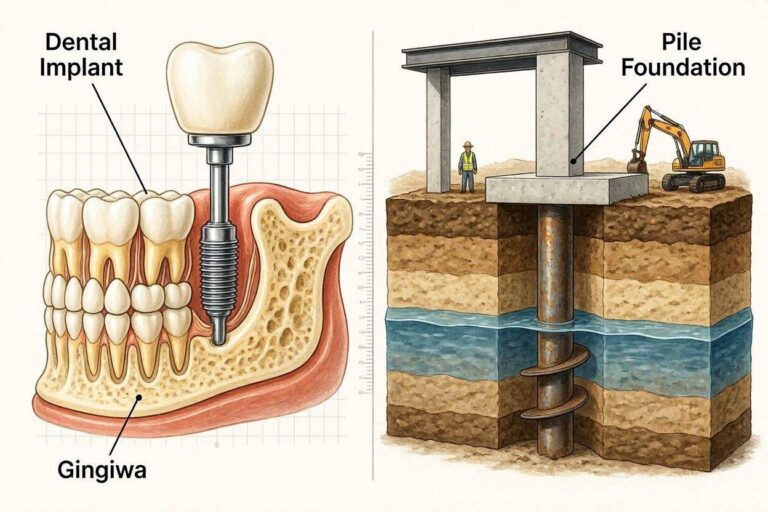
Second, there is the surgery. The dentist drills a small hole into your jawbone. They place a titanium post inside. This post acts as your new tooth root.
Third, there is the healing period. This takes three to six months. The bone grows around the implant. This process is called osseointegration. It is critical for success.
Fourth, you need the abutment. This is a small connector piece. It attaches to the implant.
Finally, you need the crown. This is the visible part of the tooth. Molar crowns must be extremely durable. They are often made from zirconia or porcelain-fused-to-metal.
Each step involves different materials. Each step involves specialized labor. Your dentist spent years learning this craft. You are paying for precision.
But here is the secret. Many of these costs are negotiable. Many can be reduced by changing your approach.
Tip 1: Separate the Surgical and Restorative Phases
This is one of the most powerful molar dental implant cost reduction tips. Most dental offices offer a “package deal.” You pay one lump sum for everything. That is convenient. But it is rarely the cheapest option.
Consider separating the surgery from the crown.
The surgeon places the implant. A general dentist makes the crown. These are two different skill sets. Sometimes, a specialist (an oral surgeon or periodontist) charges more for the surgery. But they are faster and have fewer complications.
Here is how you save money. Ask your general dentist to refer you to a low-cost surgeon. Or, find a dental school. The dental school places the implant. Then, you return to your regular dentist for the crown.
Why does this work? Because you avoid the “convenience markup.” You pay each provider separately. You can shop around for each phase.
Important Note: Always ensure both providers communicate. They must share your CT scan and records. If they do not coordinate, the crown may not fit correctly.
Tip 2: Consider Dental Schools as Your First Stop
Dental schools are the hidden gems of affordable dentistry. Do not let the word “student” scare you. These are highly supervised professionals. They are in their final years of training. Every step is checked by an experienced instructor.
The cost reduction is massive. A private practice may charge $5,000 for a molar implant. A dental school may charge $2,000 to $2,500.
What is the catch? Time. Dental students work slowly. A procedure that takes one hour in private practice may take three hours at a school. You will need more appointments. But if your schedule is flexible, you can save 50% or more.
Here is a quick comparison:
| Feature | Private Practice | Dental School |
|---|---|---|
| Average Cost (Molar) | $4,500 – $6,000 | $2,000 – $3,000 |
| Wait Time | 1-2 weeks | 1-4 months (waitlist) |
| Appointment Length | 30-60 minutes | 2-3 hours |
| Supervision Level | Standard | Double-checked by instructors |
| Technology | Latest | Slightly older, but functional |
To find a dental school near you, visit the American Dental Association (ADA) website. Look for accredited programs.
Tip 3: Travel for Treatment (Dental Tourism) Done Right
Dental tourism is real. People save 60% to 70% by traveling to other countries. Mexico, Costa Rica, Colombia, and Turkey are popular destinations.
For a molar implant, you might pay $1,200 to $1,800 in Mexico. In Hungary or Poland, prices range from $1,000 to $1,500.
But travel has risks. You need to plan carefully.
The right way to do dental tourism:
- Research the clinic thoroughly. Look for international accreditation (like JCI). Read reviews from real patients on independent forums.
- Ask about materials. Ensure the implant system is from a reputable brand (Nobel Biocare, Straumann, Zimmer). Cheap knockoffs fail.
- Plan for two trips. You need an initial trip for placement. Then, you need a second trip 4-6 months later for the crown. Factor in flights and hotels.
- Find a local backup dentist. Who will fix a problem if you return home and something goes wrong? Ask a local dentist if they are willing to adjust a foreign implant.
The wrong way: Booking the cheapest clinic you find on social media. Never do that.
Dental tourism works best for healthy patients. If you have diabetes, uncontrolled gum disease, or heavy smoking habits, stay local. You need closer follow-up care.
Tip 4: Ask About Mini Dental Implants for Molars (With Caution)
You may have heard of mini dental implants (MDIs). They are smaller in diameter. They are less invasive. They cost significantly less. A mini implant might cost $500 to $1,000 per tooth.
But here is the truth. Most experts do not recommend mini implants for molars.
Molars handle the most chewing force. Mini implants are thinner. They are more likely to fracture. They are usually used for stabilizing lower dentures, not replacing single molars.
If a dentist offers you a mini implant for a back tooth, ask hard questions. “What is the success rate after five years?” “Will my insurance cover the replacement if it breaks?”
A standard (conventional) implant is always better for molars. Do not sacrifice long-term success for short-term savings. This tip is not about choosing mini implants. It is about knowing when a low-cost option is actually a bad investment.
Tip 5: Use Your Insurance Creatively
Most dental insurance plans do not cover implants fully. But they often cover parts of the procedure.
Read your policy carefully. Look for these hidden coverages:
- Extraction: Insurance usually covers removing the damaged molar.
- Bone grafting: If you need a graft, medical insurance may cover it. This is especially true if the bone loss resulted from an accident or cyst removal.
- The crown: Many plans cover 50% of a crown. They call it a “fixed prosthetic.” The implant post may not be covered, but the crown on top often is.
- Periodontal maintenance: Some plans cover the abutment under “major restorative.”
Call your insurance provider. Ask this exact question: “What parts of a single tooth implant are covered under my plan?” Do not ask, “Do you cover implants?” That gives a no. Ask about the components.
Also, check your Flexible Spending Account (FSA) or Health Savings Account (HSA). You can use pre-tax dollars for implants. This saves you 20% to 30% instantly.
Tip 6: Negotiate Payment Plans and Cash Discounts
Dentists are small business owners. Most are willing to negotiate. They prefer getting paid today rather than chasing bills for months.
Here is a script you can use:
“I really want to proceed with the molar implant. But your quote of $5,200 is above my budget. If I pay 50% in cash today, can you reduce the total by 10%?”
You would be surprised how often this works.
Many offices offer in-house financing. This is better than third-party medical credit cards (like CareCredit). In-house financing often has 0% interest for 6 to 12 months. Always ask.
Also, ask about a “bundled discount.” If you need two implants, ask for a 15% discount on the second one. If you refer a friend, ask for a credit toward your treatment.
Dentists value loyal patients. Do not be afraid to ask.
Tip 7: Join a Dental Savings Plan (Not Insurance)
Dental savings plans are different from insurance. They are membership programs. You pay an annual fee. In return, you get discounted rates from participating dentists.
These plans have no waiting periods. No annual maximums. No exclusions for pre-existing conditions.
For a molar implant, a savings plan can reduce costs by 20% to 30%. For example, a $5,000 implant might cost you $3,500.
Popular plans include:
- DentalPlans.com (various networks)
- Aetna Dental Access
- Careington 500 Series
Before joining, check if your preferred dentist accepts the plan. Call the office and say, “Do you accept [plan name] for implant discounts?”
One annual plan costs $100 to $150. If it saves you $1,500 on a molar, that is a fantastic return.
Tip 8: Timing Your Treatment for Maximum Savings
Dentistry has slow seasons. The end of the year (November and December) is busy. Patients rush to use leftover insurance benefits. Prices do not drop.
The best time to seek a molar implant is late winter. January through March. Patients are recovering from holiday spending. Many offices offer “winter specials” to fill their schedules.
Also, watch for “dental awareness months.” Some dentists offer discounts in February (National Children’s Dental Health Month) or October (National Dental Hygiene Month). These promotions often include implants.
Ask the office manager directly: “Do you have any seasonal discounts coming up?” You will be surprised how often they say yes.
Tip 9: Consider Same-Day Implants Carefully
Same-day implants (immediate loading) sound efficient. You get the post and a temporary crown on the same visit. This saves time. But it does not always save money.
In fact, same-day implants often cost more. They require special equipment. They require advanced skill.
For a molar, same-day loading is risky. Molars experience high chewing forces. Placing a crown immediately can prevent proper bone healing.
The traditional approach (waiting 4-6 months) has a higher success rate. Sticking to the traditional timeline is a cost reduction tip. Why? Because it avoids expensive failures. An implant that fails must be removed. You lose your investment. Then you pay for a new one.
Slow is cheap. Fast is expensive. Be patient.
Tip 10: Get Multiple Opinions and Quotes
Never accept the first quote. This is the golden rule of any major purchase. Dental implants are no different.
Contact at least three different providers. Compare their treatment plans. You will be shocked at the price differences.
Here is a real example from our research:
| Provider Type | Quote for Molar Implant | Included Services |
|---|---|---|
| High-end prosthodontist | $6,500 | CT scan, implant, abutment, zirconia crown, sedation |
| General dentist with implant training | $4,200 | CT scan, implant, abutment, PFM crown, local anesthesia |
| Dental school | $2,800 | Same as above, but longer appointments |
| Chain dental clinic | $3,900 | Limited warranty, basic materials |
Notice the $3,700 difference between the highest and lowest. The quality may vary, but the $4,200 option from the general dentist is often the sweet spot. You get reasonable prices without traveling far or waiting months.
When comparing quotes, ask for a line-item breakdown. How much is the CT scan? How much is the crown material? This allows you to compare apples to apples.
Tip 11: Maintain Your Bone Health to Avoid Grafting Costs
Here is a cost reduction tip that starts before you even see a dentist. Bone grafting is expensive. A simple graft can cost $500 to $1,500. A complex sinus lift (for upper molars) can cost $2,000 to $3,000.
You can avoid or reduce grafting by acting quickly.
When you lose a molar, the bone in that area begins to shrink. This is called resorption. In the first year, you can lose 25% of your bone width. After three years, you may need a graft.
If you place the implant soon after extraction, you may not need a graft at all.
Also, certain habits preserve bone:
- Stop smoking. Nicotine reduces blood flow to the jawbone.
- Manage your blood sugar. Uncontrolled diabetes impairs bone healing.
- Eat calcium-rich foods. Dairy, leafy greens, and almonds support bone density.
- Avoid grinding your teeth. A night guard protects the bone from trauma.
If you already need a graft, ask about using “allograft” (donated human bone) instead of “autograft” (bone taken from your own hip or chin). Allograft is cheaper. No second surgical site means lower cost and faster recovery.
A Complete Checklist Before You Commit
Before you schedule your molar implant, run through this checklist. It will save you money and regret.
- Have I received three written quotes from different providers?
- Have I checked the nearest dental school?
- Have I asked my dentist for a cash discount?
- Have I reviewed my insurance for hidden crown or extraction coverage?
- Have I considered dental tourism with a reputable clinic?
- Have I joined a dental savings plan?
- Have I asked about in-house financing with 0% interest?
- Have I confirmed that the implant system is a top brand (Straumann, Nobel, Zimmer)?
- Have I scheduled the implant within 6 months of extraction to avoid bone grafting?
- Have I read online reviews for the surgeon, not just the office?
Frequently Asked Questions (FAQ)
1. Can I get a free molar dental implant?
No. Free implants are not realistic. Some clinical trials offer free implants to participants, but these are rare. You must meet strict criteria. Do not trust anyone promising completely free implants. It is usually a scam.
2. Is a molar implant worth the cost compared to a bridge?
Yes. A bridge costs less upfront ($2,000 to $3,000). But a bridge damages the two adjacent healthy teeth. It also lasts only 7 to 10 years. An implant lasts 20+ years. Over your lifetime, the implant is cheaper and healthier.
3. Does Medicare cover dental implants?
Original Medicare (Part A and B) does not cover routine dental implants. Some Medicare Advantage plans (Part C) offer implant coverage. You must check your specific plan.
4. How can I find a good implant dentist on a budget?
Look for a general dentist with a “Fellowship” in the International Congress of Oral Implantologists (ICOI). These dentists have advanced training but charge less than specialists. Avoid dental franchises; they have high overhead and high prices.
5. What happens if I just leave the missing molar gap?
Leaving the gap causes problems. Adjacent teeth tilt into the space. The opposing tooth super-erupts (grows downward). This leads to gum disease, cavities, and jaw pain. Eventually, you lose more teeth. Filling the gap now saves you money later.
6. Can I use my HSA for the entire implant cost?
Yes. Health Savings Accounts (HSAs) and Flexible Spending Accounts (FSAs) cover dental implants. The IRS considers them a qualified medical expense. Keep your receipts.
7. Is it cheaper to have the extraction and implant at the same time?
Sometimes yes. This is called an “immediate implant.” It saves money because you avoid a separate surgical appointment. But it is only possible if you have no active infection. Your dentist will decide.
8. Do payment plans affect my credit score?
Third-party financing (CareCredit, Alphaeon) performs a hard credit check. This can temporarily lower your score. In-house financing from the dental office usually does not affect your credit.
9. What is the cheapest country for a molar implant?
India and Turkey are often the cheapest ($800 to $1,200). However, travel costs and follow-up challenges exist. Mexico is the most popular choice for North Americans due to proximity.
10. How do I avoid hidden fees?
Ask for a “treatment plan contract” in writing. It must list every single procedure code (CDT codes). If the code is not listed, you may be charged later. Common hidden fees include: sedation, temporary crown, and follow-up X-rays.
Additional Resource
For a verified list of accredited dental schools offering low-cost implant programs, visit the American Dental Education Association (ADEA) official website.
👉 Link to ADEA Dental School Search Tool (Open this link to find a clinic near you).
Conclusion
Reducing the cost of a molar dental implant is not about finding a magic discount. It is about strategy. Separate the surgical and restorative phases. Visit a dental school. Negotiate with your local dentist. Use your insurance creatively. Consider dental tourism only after deep research. Above all, act quickly after tooth loss to avoid expensive bone grafts. By combining three or four of these tips, you can realistically save 40% to 60% without compromising safety.
Disclaimer: This article is for informational purposes only. It does not constitute medical or financial advice. Always consult with a licensed dentist before making any treatment decisions. Prices and policies vary by location and provider.