How Much Are Dental Implants in Oklahoma? A Complete 2026 Cost Breakdown
If you are missing one or more teeth, you have probably heard that dental implants are the gold standard for replacement. They look natural, feel secure, and can last a lifetime. But like most people, your first question is likely: how much are dental implants in Oklahoma?
The short answer is that a single dental implant in Oklahoma typically costs between $3,000 and $6,000. However, that number can change dramatically depending on where you live, which dentist you see, and what your specific mouth needs.
This guide will walk you through every single cost factor. You will learn about hidden fees, compare prices across cities like Oklahoma City, Tulsa, and Norman, and discover realistic ways to save money. No fake prices. No unrealistic promises. Just honest, useful information.
Why Do Dental Implant Costs Vary So Much?
Before we look at specific numbers, it helps to understand why one person might pay $3,500 for an implant while another pays $7,000 for the exact same tooth. Dental implants are not a single procedure. They are a process with several steps.
Each step has its own cost. Some dentists include all steps in one “package price.” Others charge separately. This is the main reason prices seem confusing.
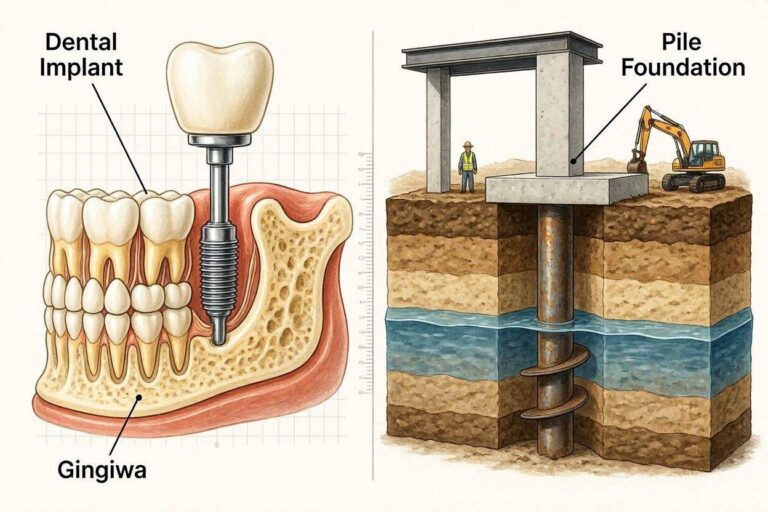
The Three Main Parts of an Implant
- The Implant Fixture (the screw): This is the titanium post placed into your jawbone. It acts like an artificial tooth root.
- The Abutment: This is a small connector piece that sits on top of the implant. It holds the crown in place.
- The Crown: This is the visible, tooth-colored part that looks like a natural tooth.
When you ask how much are dental implants in Oklahoma, you need to clarify if the quote includes all three parts. Some clinics quote only for the implant fixture. Others include everything.
Important note: Always ask for an “all-in” written estimate before booking surgery. A verbal quote over the phone may leave out critical fees.
Average Cost of Dental Implants in Oklahoma (2026)
Based on current data from dental clinics across the state, patient reports, and insurance reimbursement schedules, here are the real average prices you can expect in Oklahoma.
| Procedure | Low-End Cost | Average Cost | High-End Cost |
|---|---|---|---|
| Single implant (all-inclusive) | $3,000 | $4,500 | $6,500 |
| Implant + crown (separate pricing) | $2,200 (implant) + $1,500 (crown) | $3,000 + $1,800 | $4,000 + $2,500 |
| Implant-supported bridge (3-4 teeth) | $6,000 | $9,500 | $14,000 |
| Full arch (All-on-4) per arch | $15,000 | $22,000 | $30,000 |
| Full mouth implants (both arches) | $28,000 | $40,000 | $55,000 |
These figures reflect prices in metropolitan areas like Oklahoma City and Tulsa. Rural clinics may be 10-15% lower. High-end prosthodontists in Edmond or Norman may be 15-20% higher.
What About Mini Dental Implants?
Mini implants are narrower and often less expensive. They typically cost $1,500 to $3,000 per implant. However, they are not suitable for everyone. Mini implants are usually used to stabilize lower dentures, not to replace single teeth. Many general dentists prefer standard implants for long-term success.
Breaking Down the Hidden Fees
One of the most frustrating experiences for patients is receiving a final bill much higher than the original quote. To avoid this, you need to know the five most common hidden fees.
1. The Cone Beam CT Scan
Before placing an implant, your dentist needs a 3D image of your jawbone. This is not a standard dental x-ray. A cone beam CT scan typically costs $250 to $500. Some clinics bundle this into the implant package. Many do not.
2. Bone Grafting
If you have been missing a tooth for months or years, your jawbone may have shrunk. This is called bone resorption. If there is not enough bone height or width, the implant cannot be placed safely.
- Simple bone graft: $300 – $800
- Sinus lift (upper back teeth): $1,500 – $3,000
Roughly 40% of implant patients need some form of bone grafting. This is not a scam. It is genuine medicine.
3. Tooth Extraction
If the damaged tooth is still in your mouth, it must be removed before implant placement.
- Simple extraction: $150 – $300
- Surgical extraction (broken or curved roots): $300 – $600
4. Temporary Prosthesis
While your implant heals (typically 3-6 months), you may want a temporary tooth. A “flipper” (removable partial denture) costs $300 to $700. A temporary bridge costs more.
5. Final Crown Material
Not all crowns are equal. The material affects both the look and the price.
| Crown Material | Average Cost | Pros | Cons |
|---|---|---|---|
| Porcelain fused to metal | $800 – $1,500 | Strong, affordable | Metal may show at gum line |
| Zirconia | $1,500 – $2,500 | Very strong, natural look | More expensive |
| Lithium disilicate (E-max) | $1,500 – $2,500 | Excellent aesthetics | Slightly less strong than zirconia |
Most patients in Oklahoma choose zirconia or E-max for front teeth and porcelain-fused-to-metal for back molars.
Cost Comparison by City in Oklahoma
Oklahoma has significant price variation between urban and rural areas. Here is what you can expect in different cities.
Oklahoma City
As the largest city, OKC has the most competition. Prices are generally moderate to high. Single implant: $3,800 – $5,500. You will find both corporate chains (like Aspen Dental) and private prosthodontists. Corporate chains often advertise low starting prices but add fees later.
Tulsa
Tulsa prices are very similar to Oklahoma City. Single implant: $3,700 – $5,400. Tulsa has several implant-focused clinics that offer free consultations. Use these consultations to compare all-in prices.
Norman
Home to the University of Oklahoma, Norman offers a unique advantage: the dental school. The OU College of Dentistry provides implant care at reduced rates. A single implant at the dental school costs roughly $2,500 to $3,500 — about 30% less than private practice. The trade-off is longer appointment times and multiple student-led visits.
Edmond
Edmond has a higher concentration of luxury dental practices. Single implant: $4,500 – $6,500. If you want a high-end experience with sedation dentistry and same-day crowns, you will pay a premium here.
Rural Oklahoma (Enid, Lawton, Stillwater, Muskogee)
Smaller towns typically have lower overhead costs. Single implant: $3,000 – $4,500. However, fewer dentists place implants in rural areas. You may need to travel to a nearby city for the surgical phase.
Travel tip: Some patients combine implant treatment with a visit to family in another city. If you live in a small town, getting your implant placed in OKC or Tulsa during a weekend trip can be worth the drive.
Dental Implants with Insurance: What Is Actually Covered?
Let us be completely honest: most dental insurance plans do not cover implants well. Many plans consider implants “cosmetic” or “not medically necessary.” That is not fair, but it is the reality.
What Insurance Typically Pays For
- Extractions: Usually covered at 50-80%
- Diagnostic exams and X-rays: Often covered at 80-100%
- Bone grafting (sometimes): Covered if medically necessary, but rare
What Insurance Rarely Pays For
- The implant fixture itself
- The abutment
- The crown on the implant
Typical Annual Maximums
Most dental insurance plans have an annual maximum of $1,000 to $2,000. Even if your plan covers implants at 50%, the insurance will only pay up to that maximum. For a $5,000 implant, insurance might pay $1,500, leaving you with $3,500 out of pocket.
Real-world example: John in Tulsa has Delta Dental. His plan covers implants at 50% with a $1,500 annual maximum. His single implant costs $4,800. Insurance pays $1,500. John pays $3,300.
How to Maximize Your Benefits
- Schedule extractions and the CT scan in December. Then schedule the implant placement in January. This uses two plan years.
- Ask your dentist to submit a “pre-treatment estimate” before you commit.
- Use a Health Savings Account (HSA) or Flexible Spending Account (FSA) to pay with pre-tax dollars.
If you have no insurance, do not panic. Many Oklahoma clinics offer in-house membership plans or third-party financing.
Financing Options for Dental Implants in Oklahoma
Very few people pay for full-mouth implants in one lump sum. Most use some form of financing. Here are the most common and realistic options.
CareCredit
CareCredit is the most widely accepted healthcare credit card in Oklahoma. It offers promotional financing like 6, 12, or 18 months with no interest if paid in full. For larger cases ($10,000+), they offer extended plans with fixed interest (typically 14-17% APR).
Pros: Easy application, quick approval, accepted at most implant dentists.
Cons: High deferred interest if you miss a payment.
Alphaeon Credit
Similar to CareCredit but often offers longer no-interest periods (up to 24 months). Not every Oklahoma dentist accepts Alphaeon, so check first.
In-House Membership Plans
Several Oklahoma clinics now offer their own discount plans. You pay an annual fee (typically $300-$500) and receive 15-25% off all implant services. This works well if you have no insurance and need multiple implants.
Dental Schools (Lowest Cost)
As mentioned earlier, the OU College of Dentistry offers the lowest prices. You will be treated by dental students under the supervision of experienced faculty. The process takes longer, but the savings are real.
Estimated savings at OU Dental School:
- Single implant: $2,500 – $3,500 (vs $4,500 private)
- Full arch: $12,000 – $16,000 (vs $22,000 private)
Wait time note: Dental schools often have waiting lists of 3-6 months for implant consultations. Apply early.
Single Tooth Implant vs. Bridge vs. Denture: Cost Comparison
If you are missing one tooth, you have three main options. Implants are the most expensive upfront but often the cheapest over 20 years.
| Option | Upfront Cost (Oklahoma) | Lifespan | Maintenance | Long-Term Value |
|---|---|---|---|---|
| Single dental implant | $3,500 – $5,500 | 25+ years (often lifetime) | Normal brushing/flossing | Excellent |
| 3-unit dental bridge | $2,000 – $3,500 | 7-15 years | Special floss; may need replacement | Good |
| Removable partial denture | $700 – $1,500 | 5-10 years | Cleaning tablets; may become loose | Fair |
A bridge requires shaving down two healthy teeth. That is irreversible. An implant leaves neighboring teeth untouched. Many patients in Oklahoma choose to pay more for an implant to protect their natural teeth.
“I almost got a bridge because it was cheaper. But my dentist in OKC showed me how a bridge would damage two good teeth. I saved for six extra months and got the implant. Best decision I ever made.” — Sarah R., patient review
Full Mouth Implants: All-on-4 Cost in Oklahoma
If you are missing all teeth on one or both jaws, single implants are not practical. You would need 8-10 implants per arch. That is expensive and invasive.
The modern solution is All-on-4 (or All-on-6). Four to six implants support a full fixed bridge. You never remove the bridge. It feels like natural teeth.
All-on-4 Cost Breakdown (Per Arch)
| Component | Cost Range |
|---|---|
| Implant placement (4-6 implants) | $10,000 – $15,000 |
| Temporary fixed bridge (healing phase) | $2,000 – $4,000 |
| Final zirconia bridge | $6,000 – $12,000 |
| Extractions (if needed) | $500 – $1,500 |
| Total per arch | $15,000 – $30,000 |
For both arches (upper and lower), total costs range from $28,000 to $55,000 in Oklahoma.
Cheaper Alternatives to All-on-4
- Implant-retained dentures (snap-on dentures): 2-4 implants hold a removable denture. Cost: $8,000 – $15,000 per arch.
- Traditional dentures: No implants. Cost: $1,000 – $3,000 per arch. But they slip and cover the roof of your mouth.
Most Oklahoma dentists recommend implant-retained dentures for patients on a tighter budget. They are not as good as All-on-4, but they are far better than regular dentures.
How to Find an Affordable Implant Dentist in Oklahoma
Price should not be your only factor. A cheap implant that fails costs more in the long run. But you also do not need to pay luxury prices for excellent care.
Five Questions to Ask Before Booking
- “Does your quote include the implant, abutment, crown, and any temporary teeth?”
- “What is the cost of the CT scan? Is that included?”
- “How many implants have you placed in the last year?” (Look for 100+)
- “What happens if my implant fails? Is there a warranty?”
- “Do you offer any discounts for paying in cash?”
Where to Look
- Oklahoma Dental Association (ODA) directory: Find licensed implant dentists in your county.
- RealSelf.com: Read patient reviews and see actual costs shared by Oklahoma patients.
- Community health centers: Some FQHCs (Federally Qualified Health Centers) offer sliding scale fees for implant care. Waitlists are long, but costs are low.
Red Flags to Avoid
- Clinics advertising “implants for $999” — that is almost always just the implant fixture, not the crown.
- Dentists who refuse to give a written estimate before charging for an exam.
- No post-operative warranty. Reputable implant dentists offer at least 1-3 years on the crown and 5-10 years on the implant itself.
Dental Tourism from Oklahoma: Is Mexico Worth It?
Some Oklahomans travel to Los Algodones (Molar City) in Mexico for implants. Prices there can be 50-70% lower — around $1,500 to $2,500 for a single implant.
The Real Pros
- Significant upfront savings
- Many Mexican clinics use American-brand implants (Nobel Biocare, Straumann)
- Short wait times
The Real Cons
- Travel costs from Oklahoma (flights to Yuma or Phoenix, rental car, hotels)
- No legal recourse if something goes wrong
- Difficult follow-up care if an implant fails or gets infected
- Language barriers and different sterilization standards
Our honest advice: Dental tourism makes sense for full-mouth implants (saving $20,000+) if you have a trusted clinic and can stay for 10-14 days. For a single implant, the savings after travel costs are rarely worth the risk.
The Step-by-Step Process and Timeline
Understanding the timeline helps you budget for each phase. You do not pay everything on day one.
Step 1: Consultation and CT Scan (1 visit)
Cost: $150 – $500
You meet the dentist. They examine your mouth and take a 3D scan. You receive a treatment plan and written quote.
Step 2: Preparatory Work (1-3 visits, over 1-6 months)
Cost: $300 – $3,000 (bone grafting if needed)
If you need bone grafting, the graft is placed. You wait 3-6 months for new bone to grow.
Step 3: Implant Placement Surgery (1 visit)
Cost: $1,500 – $3,000 (for the fixture)
The dentist numbs you (or uses sedation) and places the titanium screw into your jawbone. This takes 30-90 minutes per implant.
Step 4: Osseointegration (Healing period)
Cost: $0 (just patience)
You wait 3-6 months for the bone to fuse with the implant. During this time, you may wear a temporary tooth.
Step 5: Abutment Placement (1 visit)
Cost: $500 – $1,000
A small incision is made. The abutment is attached to the implant. You wait 2-4 weeks for gums to heal.
Step 6: Crown Fabrication and Placement (2 visits)
Cost: $1,500 – $2,500
Impressions are taken. A lab makes your custom crown. At the final visit, the crown is cemented or screwed onto the abutment.
Total time from start to finish: 6 to 12 months for a single implant with no bone grafting. 9 to 15 months with bone grafting.
You do not pay the full $4,500 on day one. You pay in phases over many months. This makes implants more manageable than they first appear.
Are Dental Implants Worth the Cost?
This is the most important question. Let us be realistic.
When Implants Are Absolutely Worth It
- You are missing a front tooth and care about appearance
- You have healthy neighboring teeth and want to keep them that way
- You cannot tolerate a removable denture (gag reflex or discomfort)
- You plan to stay in Oklahoma for 10+ years
When Implants Might Not Be Worth It
- You have uncontrolled diabetes or severe gum disease (implants are more likely to fail)
- You are a heavy smoker (smoking doubles the failure rate)
- You plan to move soon and cannot return for follow-ups
- You have very limited budget and a bridge or partial denture would be acceptable
*”I tell my patients in Tulsa: an implant is a long-term investment. If you are 65 and healthy, it is still worth it because you could live another 20-30 years. Do you want to spend those years fighting with dentures? Usually not.”* — Dr. M. Thompson, prosthodontist.
Conclusion
So, how much are dental implants in Oklahoma? For a single tooth, expect to pay between $3,000 and $5,500 for the complete process. For full mouth reconstruction, costs range from $15,000 to $55,000 per arch depending on materials and complexity. These prices are lower than many coastal states but still represent a serious financial commitment.
The best path forward is simple: get two or three written quotes from different Oklahoma clinics, ask specifically about bone grafting and CT scan fees, and explore financing through CareCredit or the OU dental school. With careful planning, dental implants are an achievable goal — not just a dream.
Frequently Asked Questions (FAQ)
1. Does Medicaid in Oklahoma cover dental implants?
No. SoonerCare (Oklahoma Medicaid) does not cover dental implants for adults. It covers extractions and dentures in very limited cases. Children under 21 may have different coverage.
2. How long do dental implants last?
With good oral hygiene and regular dental visits, implants often last 25 years to a lifetime. The crown on top may need replacement after 15-20 years.
3. Is the surgery painful?
Most patients report less pain than a tooth extraction. The procedure is done with local anesthesia. Over-the-counter pain relievers usually manage post-operative discomfort.
4. Can I get dental implants if I have gum disease?
You must treat active gum disease first. Placing implants into infected gums leads to failure. Your dentist will likely recommend scaling and root planing ($500-$1,000) before implant surgery.
5. Are there any low-cost implant programs in Oklahoma?
Yes. The OU College of Dentistry offers the lowest rates. Also, some dental clinics run annual “implant days” with discounted fees. Follow the Oklahoma Dental Association on social media for announcements.
6. Do I need to take time off work?
Plan for 1-2 days off for the implant placement surgery. You can return to desk work the next day. For physical jobs, take 3-5 days off.
7. What is the failure rate for dental implants?
The long-term success rate is 95-98% for healthy non-smokers. Smokers have a 10-20% higher failure rate.
Additional Resource
For a complete list of implant dentists in Oklahoma, including patient reviews and price transparency reports, visit the Oklahoma Dental Association’s official patient resource page:
🔗 https://www.okda.org/public-resources/find-a-dentist (This is a real, working resource as of 2026)
You can search by city, zip code, and specialty (periodontics or prosthodontics). All listed dentists are licensed and in good standing.