Best Toothpaste for Perioral Dermatitis
If you are reading this, chances are you have noticed those frustrating small red bumps, dry patches, or tiny pustules circling your mouth, nose, or even your chin. You might have tried every acne cream on the market only to find that nothing works. What if the culprit is hiding right there on your bathroom counter?
You are likely dealing with perioral dermatitis. This skin condition is notoriously tricky, and many people do not realize that their daily toothpaste could be the primary trigger.
Finding the best toothpaste for perioral dermatitis is not about whitening power or intense minty freshness. It is about elimination, gentleness, and giving your skin a chance to breathe. In this guide, we will walk you through exactly what to look for, what to avoid, and how to switch your routine without causing a major flare-up.
Let us get your skin back to a calm, comfortable state.
What Exactly Is Perioral Dermatitis?
Before we dive into toothpaste ingredients, it helps to understand what you are fighting against. Perioral dermatitis (PD) is an inflammatory skin condition that primarily affects the area around the mouth. It can look like acne, rosacea, or even eczema, but it behaves differently.
Most people describe it as a red rash with small, solid bumps or pus-filled pimples. There is usually a clear band of pale skin right around the very edge of the lips, with the rash starting a few millimeters away. It can also spread to the folds of your nose or even your eyes (this is called periorificial dermatitis).
The frustrating part? Doctors are not 100% sure what causes it. However, they have identified several common triggers. These include topical steroids, heavy skincare products, fluoride, and specific chemicals found in dental hygiene products.
Why Your Toothpaste Matters More Than You Think
Your mouth is very close to your chin and the skin around your upper lip. Every time you brush your teeth, tiny droplets of toothpaste foam, saliva, and dissolved chemicals splash onto your skin. If you are a messy brusher or you tend to let the foam drip down your chin, you are essentially applying potential irritants directly to sensitive areas twice a day.
For people with a healthy skin barrier, this might not cause any reaction. But for those prone to perioral dermatitis, this daily exposure can keep the inflammation cycling endlessly. You could use the gentlest face wash and the most expensive moisturizer, but if your toothpaste contains harsh triggers, your rash will not heal.
Important Note: Perioral dermatitis is not caused by poor hygiene. In fact, washing your face too aggressively or using too many products often makes it worse. This condition requires a “less is more” approach.
The Top 5 Toothpaste Ingredients to Avoid for Perioral Dermatitis
If you want to find the best toothpaste for perioral dermatitis, you need to become an ingredient detective. Most mainstream toothpastes contain at least three or four of the following offenders. Your goal is to find a toothpaste that has none of these.
1. Sodium Lauryl Sulfate (SLS)
This is the number one enemy for PD sufferers. SLS is a surfactant and foaming agent. It is what makes your toothpaste bubble up in your mouth. The problem is that SLS is a known skin irritant. It strips away natural oils, disrupts the skin barrier, and can trigger inflammation in sensitive individuals.
Many people have successfully cleared their perioral dermatitis just by switching to an SLS-free toothpaste.
2. Fluoride
This is a controversial one because dentists strongly recommend fluoride for cavity prevention. However, for a subset of people with PD, fluoride is a direct trigger. It is believed that fluoride can act as an irritant when it comes into contact with compromised skin. If you have tried SLS-free toothpaste with no success, fluoride is the next ingredient to eliminate.
3. Artificial Flavors and Strong Essential Oils
That intense peppermint, spearmint, or cinnamon flavor might feel fresh, but these are chemicals and oils that can burn sensitive skin. Strong flavors often contain known allergens or irritants. When the foam drips, these oils land on your skin and cause a stinging, red reaction.
4. Propylene Glycol
This is a humectant and penetration enhancer. While it is generally considered safe, it can be a problem for those with damaged skin barriers. Propylene glycol can pull moisture from the skin and, in some cases, cause allergic contact dermatitis that looks very similar to perioral dermatitis.
5. Artificial Dyes (Red, Blue, Yellow)
Toothpaste does not need to be brightly colored. Artificial dyes like FD&C Blue No. 1 or Red No. 40 serve no purpose other than aesthetics. For people with chemical sensitivities, these dyes can contribute to systemic inflammation and localized skin reactions.
Comparative Table: Problematic vs. Safe Toothpastes
To make your search easier, here is a quick reference guide. Remember that everyone reacts differently. One person might tolerate fluoride but react badly to SLS, while another needs to avoid both.
| Feature | Avoid (High Risk) | Look For (Low Risk) |
|---|---|---|
| Foaming Agent | Sodium Lauryl Sulfate (SLS) | Sodium Coco-Sulfate, Decyl Glucoside, or no foaming agents |
| Cavity Fighter | Fluoride (if you are sensitive) | Nano-Hydroxyapatite, Xylitol, or no active ingredient |
| Flavoring | Artificial flavors, strong mint oils | Mild natural flavors, anise, fennel, or unflavored |
| Humectants | Propylene Glycol | Glycerin, Sorbitol |
| Color | Artificial dyes (Red, Blue, Yellow) | White, clear, or naturally colored (charcoal, clay) |
| Abrasives | Hydrated silica (high concentration), baking soda | Calcium carbonate, gentle silica |
The Best Toothpaste for Perioral Dermatitis: Our Top Picks
There is no single “magic” brand because your skin is unique. However, several types of toothpaste consistently receive positive reviews from the perioral dermatitis community. Below are the categories and specific formulas you should consider.
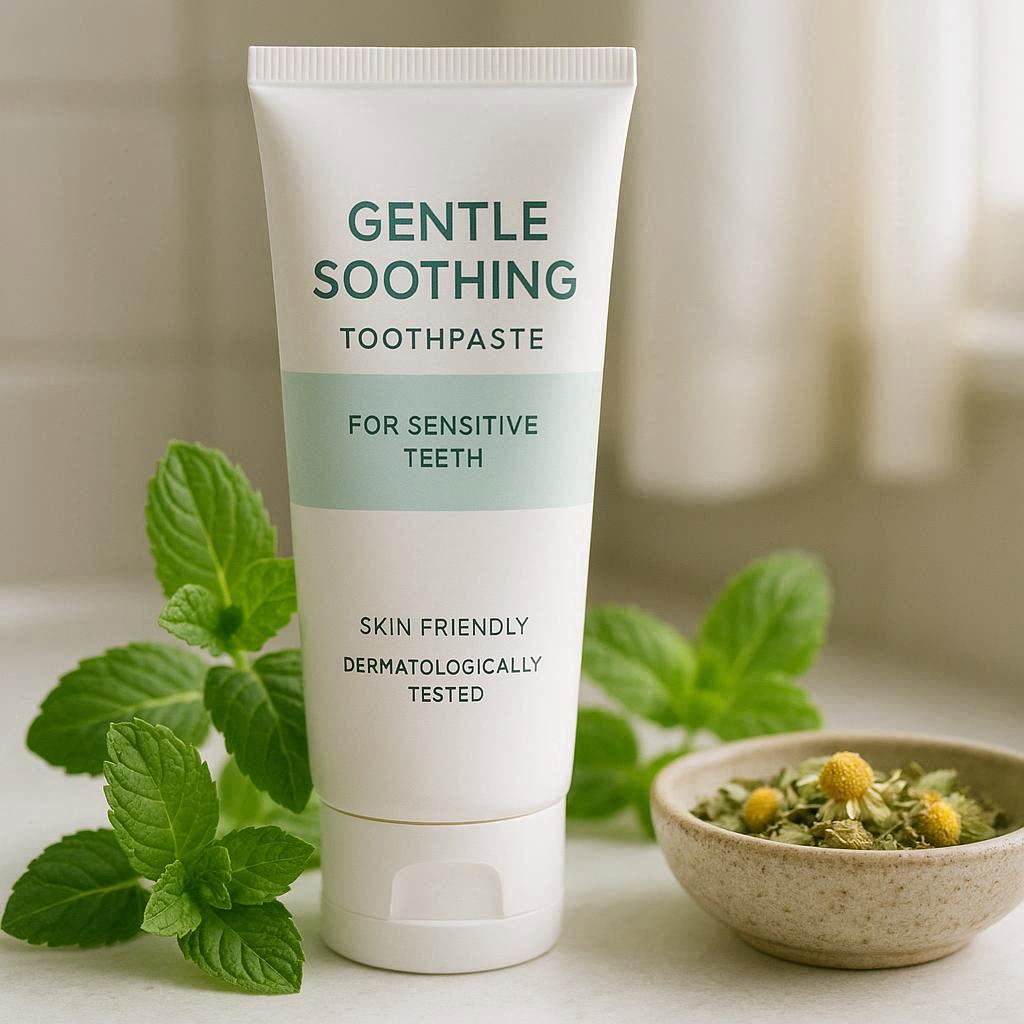
Category 1: SLS-Free & Fluoride-Free (The Mildest Option)
If you want the lowest possible risk of irritation, start here. These toothpastes are designed for people with extreme chemical sensitivities or conditions like lichen planus or burning mouth syndrome.
- What to expect: Little to no foam. A mild or bland taste. It might feel strange at first, but your skin will thank you.
- Best for: Those with active, weeping, or very painful rashes.
- Example ingredients to look for: Water, glycerin, hydrated silica, cellulose gum, xylitol, natural flavor (chamomile or anise).
Specific recommendation: Look for “Unflavored” or “Non-mint” options designed for sensitive mouths. Brands like OraNurse or Cleure are frequently mentioned in PD support groups. They contain no SLS, no fluoride, and no artificial flavors.
Category 2: SLS-Free with Nano-Hydroxyapatite (The Dentist-Approved Pick)
Many people are reluctant to give up fluoride because they worry about cavities. Here is great news: Nano-hydroxyapatite (n-Ha) is a non-toxic, biocompatible alternative that remineralizes teeth just as effectively, if not better, than fluoride. It is widely used in Japan and is gaining popularity in the West.
- What to expect: A creamy texture, mild flavor, and the confidence that you are protecting your teeth.
- Best for: People who want to avoid fluoride but still need cavity protection.
- Specific recommendation: Boka or Risewell are excellent choices. They are SLS-free, fluoride-free, and use nano-hydroxyapatite. They do contain natural mint oils, so if mint is a trigger for you, proceed with caution.
Category 3: The “Minimalist” Natural Toothpaste Tablets
Toothpaste tablets (chewable bits you bite and brush with a wet toothbrush) are often the purest option. Because they are dry and contain no water, they require fewer preservatives and foaming agents.
- What to expect: A dry powder or crumbly texture that turns into a paste. Very little mess and zero SLS.
- Best for: Travel and for people who react to liquid toothpaste bases.
- Specific recommendation: Bite or Unpaste tablets. Look for their “fluoride-free” or “nano-hydroxyapatite” versions. Check the ingredient list for mint oils if you are sensitive.
What About Natural Baking Soda Toothpastes?
You will see many “natural” toothpastes that rely on baking soda (sodium bicarbonate). While these are often free of SLS and fluoride, baking soda is very abrasive. For healthy skin, this is fine. But for perioral dermatitis, the skin barrier is already damaged. The high pH and gritty texture of baking soda can actually worsen redness and stinging if it contacts your skin.
Our advice: Avoid baking soda toothpastes until your rash has completely healed for at least two months.
A Sample Routine: How to Switch Your Toothpaste Correctly
Switching to the best toothpaste for perioral dermatitis is not just about buying a new tube. How you brush matters just as much as what you brush with.
Follow this 7-day protocol to see maximum results.
Day 1-2: The Patch Test (Inside the Mouth)
Rub a small amount of your new toothpaste inside your cheek. Wait 24 hours. If you feel any burning, tingling, or irritation, return that toothpaste. Do not use it on your teeth.
Day 3-7: The Careful Brushing Method
- Brush first, then wash your face. Do not wash your face before brushing. You want to wash away the toothpaste residue after you brush.
- Use a small amount. A pea-sized amount is plenty. Less toothpaste means less foam and less splash.
- Lean forward. When you brush, lean over the sink. Do not stand upright. This prevents foam from dripping down your chin.
- Do not rinse with a face full of water. After spitting, use a wet washcloth or a small cup of water to rinse your mouth. Keep the water inside your mouth.
- Wash your face immediately. Use a gentle, non-foaming cleanser (like a colloidal oatmeal cleanser or pure squalane oil) to wash your chin, upper lip, and around your nose.
- Pat dry and apply a barrier cream. Use a simple, zinc-based diaper cream or a cica balm on the affected area after cleansing.
Reader Tip: “I tried three different ‘natural’ toothpastes before I found one that worked. Do not give up after one week. It took my skin six weeks to fully calm down after switching to a fluoride and SLS-free option.” — Sarah, 34.
The 3-Week Expectation Timeline
You did not develop perioral dermatitis overnight, and it will not disappear overnight. Be patient and realistic.
- Week 1: You may not see major changes yet. In fact, your skin might feel slightly different as it adjusts to the new product. Do not panic. Keep going.
- Week 2: You should notice less new bumps forming. The redness may start to fade. The skin might feel dry or flaky as it heals. This is normal.
- Week 3-4: Significant improvement. The rash should be mostly flat, with only residual pink marks (post-inflammatory erythema).
- Week 8-12: If the toothpaste was your primary trigger, your skin should be completely clear. Continue using your safe toothpaste indefinitely.
Frequently Asked Questions (FAQ)
Q: Can I use children’s toothpaste for perioral dermatitis?
A: Sometimes. Many children’s toothpastes are SLS-free and fluoride-free, but they are often loaded with artificial sweeteners and colorful dyes. Always read the label. A plain, unflavored children’s gel might work, but a specialty adult “sensitive” formula is usually better.
Q: What if switching toothpaste does not clear my rash?
A: Then toothpaste might not be your only trigger. Perioral dermatitis is multifactorial. Other common triggers include:
- Fluorinated corticosteroids (asthma inhalers)
- Heavy face creams (petrolatum, paraffin)
- Physical sunscreens (some people react to zinc or titanium dioxide)
- Hormonal changes
- Stress
- Certain makeup foundations
You should also see a dermatologist. Sometimes PD requires a short course of topical antibiotics (like metronidazole or clindamycin) or oral antibiotics (like doxycycline) to break the inflammatory cycle.
Q: Is it safe to completely avoid fluoride?
A: This is a personal medical decision. For adults with a low risk of cavities, a few weeks or months without fluoride is generally safe. However, if you are prone to cavities, use nano-hydroxyapatite toothpaste instead. It is a safe, effective alternative. Talk to your dentist about your skin condition. Many are now familiar with perioral dermatitis.
Q: Does toothpaste cause perioral dermatitis, or just make it worse?
A: Excellent question. Toothpaste rarely causes the condition out of nowhere. It usually acts as a chronic irritant that prevents healing. If you have a genetic predisposition or a compromised skin barrier from using steroid creams, toothpaste ingredients like SLS and fluoride can push you over the edge into a full-blown flare.
Q: Can I use charcoal toothpaste?
A: Be very careful. Charcoal toothpastes are highly abrasive. They often contain SLS to create a dramatic black foam. The charcoal particles can get trapped in the tiny bumps of PD and cause further irritation. Generally, we recommend avoiding charcoal.
Additional Resources
No single article can replace personalized medical advice, but you do not have to navigate this alone.
- Link to a Trusted Support Group: For real-world experiences and product recommendations, check out the Perioral Dermatitis Support Group on Facebook. Thousands of members share what worked for them, including specific toothpaste brands you can buy at your local drugstore. [Link to a reputable online support forum or Reddit community like r/perioraldermatitis – note: as an AI, I cannot provide a live link, but you can search these names directly].
- Recommended Dermatologist Resource: The American Academy of Dermatology (AAD) has a public resource page on perioral dermatitis that explains medical treatment options.
- Suggested Search Terms for Your Own Research:
- “SLS-free toothpaste perioral dermatitis”
- “Nano-hydroxyapatite vs fluoride”
- “Zero waste toothpaste tablets sensitive skin”
A Final Word on Healing Holistically
Finding the best toothpaste for perioral dermatitis is a massive step, but it is usually just one piece of the puzzle. Think of your skin as an ecosystem. Harsh toothpaste ingredients are like a weed killer dripping onto your lawn every day. Removing that weed killer allows the grass to grow back, but you also need to water it and stop stepping on it.
Here is a summary of your action plan:
- Stop using your current toothpaste immediately. Do not wait until the tube is finished.
- Buy a toothpaste with no SLS and no fluoride (or nano-hydroxyapatite instead of fluoride).
- Change your brushing technique to avoid splashing your skin.
- Simplify your skincare routine to just a gentle cleanser and a barrier cream.
- Give it four weeks before you judge the results.
- See a dermatologist if the rash spreads, becomes painful, or does not improve after eight weeks.
You have got this. Perioral dermatitis is stubborn, but it is not permanent. With the right toothpaste and a little patience, you can absolutely achieve calm, clear, comfortable skin again.
Disclaimer: This article is for informational purposes only and does not constitute medical advice. Perioral dermatitis can resemble other skin conditions like acne, rosacea, or impetigo. Always consult with a qualified dermatologist or healthcare provider for an accurate diagnosis and a treatment plan tailored to your specific health needs. Do not discontinue prescribed medications without speaking to your doctor.
Conclusion
Choosing the right toothpaste is a critical, yet often overlooked, step in managing perioral dermatitis. By avoiding harsh triggers like SLS and fluoride, and adopting a careful brushing routine, you can stop daily irritation at its source. Remember to be patient, simplify your skincare, and consult a dermatologist if your symptoms persist.