Best Toothpaste for Canker Sores
If you have ever dealt with a canker sore, you already know how much a simple daily task like brushing your teeth can hurt. That sharp, stinging feeling when toothpaste foam touches the sore is enough to make anyone want to skip brushing altogether. But skipping oral hygiene only makes things worse.
The truth is, not all toothpastes are created equal when you have sensitive mouth tissues. Some common ingredients in regular toothpaste can actually trigger canker sores or make existing ones last longer. The good news? Switching to the right toothpaste can make a real difference.
This guide walks you through everything you need to know about choosing the best toothpaste for canker sores. You will learn which ingredients to look for, which ones to avoid, and how to brush comfortably even during a painful outbreak.
What Exactly Are Canker Sores?
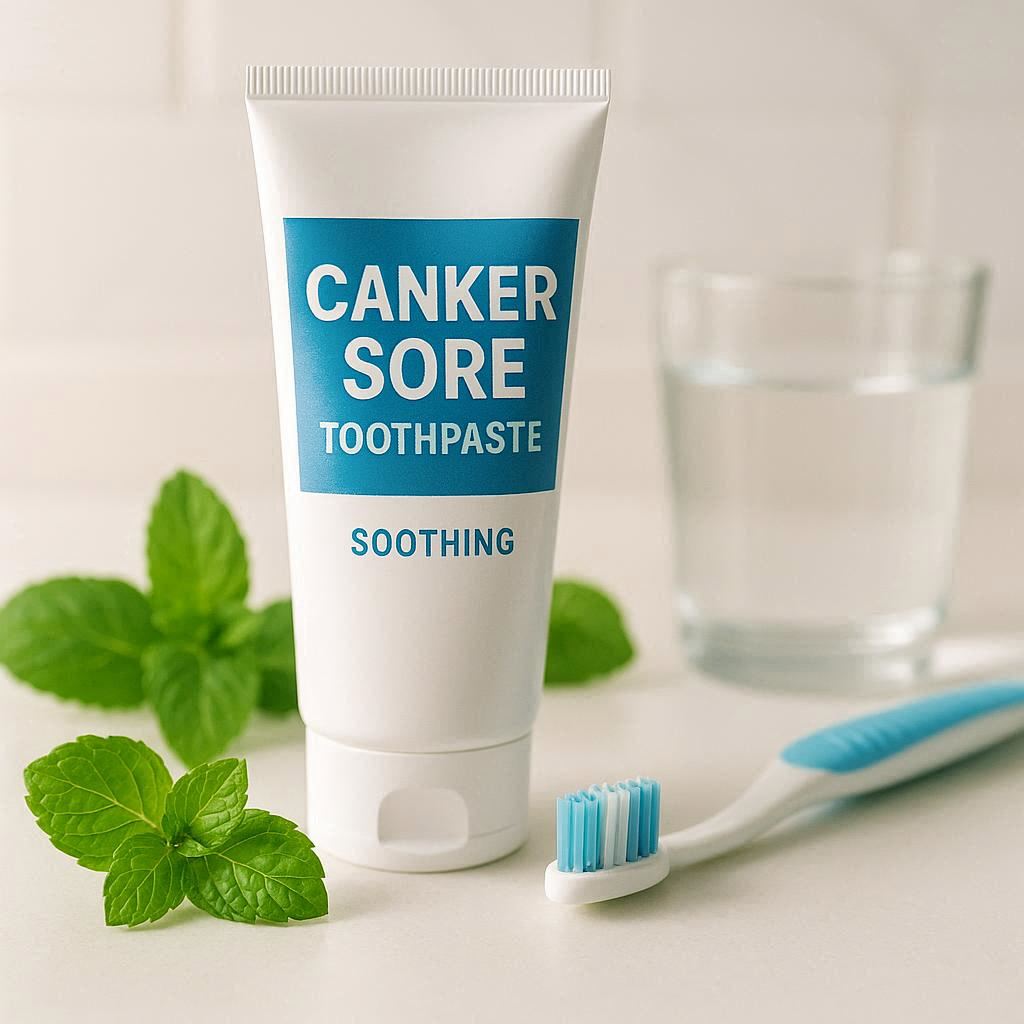
Before diving into toothpaste choices, it helps to understand what you are dealing with. Canker sores, known medically as aphthous ulcers, are small, shallow lesions that develop on the soft tissues inside your mouth. You might find them on the inside of your lips, cheeks, under your tongue, or at the base of your gums.
Unlike cold sores, canker sores are not contagious. They do not form on the outside of your lips. They are usually round or oval with a white or yellow center and a red border.
Common Symptoms You Might Notice
- A burning or tingling sensation one or two days before the sore appears
- A small, round, painful ulcer
- Difficulty eating, drinking, or talking
- Increased pain when brushing near the area
Most canker sores heal on their own within one to two weeks. However, the pain can make daily life uncomfortable, especially when you are trying to maintain good oral hygiene.
What Causes Canker Sores?
Doctors and dentists do not know the exact cause of canker sores. However, several factors are known to trigger them in many people.
| Common Triggers | Examples |
|---|---|
| Minor mouth injuries | Accidentally biting your cheek, aggressive brushing, dental work |
| Food sensitivities | Acidic fruits (pineapple, citrus), chocolate, coffee, nuts |
| Nutritional deficiencies | Low levels of vitamin B12, zinc, folate, or iron |
| Stress and hormones | Emotional stress, lack of sleep, hormonal shifts |
| Toothpaste ingredients | Sodium lauryl sulfate (SLS) is a common culprit |
Important Note: If you get canker sores very often or they take longer than three weeks to heal, talk to a dentist or doctor. Frequent, severe outbreaks can sometimes signal an underlying health condition.
How Your Toothpaste Affects Canker Sores
You might not think about toothpaste as a trigger, but it spends a significant amount of time in contact with the soft tissues inside your mouth. Every time you brush, the ingredients in your toothpaste spread across your cheeks, gums, and tongue.
For most people, regular toothpaste causes no problems. But if you are prone to canker sores, certain ingredients can irritate your mouth lining and trigger new sores or worsen existing ones.
The Main Offender: Sodium Lauryl Sulfate (SLS)
Sodium lauryl sulfate is a foaming agent found in most commercial toothpastes. It creates that satisfying foam that makes you feel like your mouth is getting clean. The problem? SLS can be harsh on sensitive mouth tissues.
Research suggests that SLS dries out the protective layer of tissue inside your mouth. This makes your mouth lining more vulnerable to irritants and minor injuries, which can then develop into canker sores.
A clinical study published in the Journal of the American Dental Association found that participants who used an SLS-free toothpaste experienced a significant reduction in the number of canker sores they developed.
Other Potential Irritants in Regular Toothpaste
While SLS is the most well-known trigger, other ingredients can also cause problems for sensitive individuals.
- Artificial flavors and preservatives: Some people react to synthetic additives.
- Strong whitening agents: Peroxides and harsh abrasives can irritate soft tissues.
- Cinnamon flavoring: This is a surprisingly common trigger for some people.
- Essential oils: In high concentrations, they can burn sensitive areas.
How SLS-Free Toothpaste Helps
Switching to a toothpaste without SLS allows your mouth’s soft tissues to maintain their natural protective barrier. Without that constant mild irritation, your mouth becomes less reactive. Many people who switch report three main improvements:
- Fewer new canker sores forming
- Existing sores heal faster
- Less pain while brushing
“I used to get at least two canker sores every month. Within three weeks of switching to an SLS-free toothpaste, I noticed a huge difference. Now I only get them when I’m extremely stressed.”
— Emily, chronic canker sore sufferer
Key Ingredients to Look For
When you are shopping for the best toothpaste for canker sores, the ingredient list matters more than the brand name or the flavor. Here is what you should look for.
Sodium Lauryl Sulfate-Free (SLS-Free)
This is the most important feature. Any toothpaste marketed as SLS-free is already a better choice for canker sore prevention. Check the ingredient list carefully. Sometimes manufacturers use similar names like sodium dodecyl sulfate, which is essentially the same chemical.
Low Abrasion Formulas
Toothpastes have a Relative Dentin Abrasivity (RDA) score. Lower numbers mean gentler cleaning. For canker sore sufferers, a low-abrasion toothpaste reduces the risk of causing tiny scratches that can turn into ulcers.
Soothing Natural Ingredients
Some toothpastes include ingredients specifically chosen to calm mouth tissues.
| Ingredient | Benefit |
|---|---|
| Aloe vera | Natural anti-inflammatory and soothing properties |
| Chamomile | Calms irritated tissues |
| Myrrh | Traditional remedy for mouth ulcers |
| Baking soda | Gentle cleaning without harsh abrasives |
| Xylitol | Natural sweetener that does not irritate |
Fluoride (Still Important)
Do not avoid fluoride unless a dentist tells you to. Fluoride protects your teeth from cavities. Many SLS-free toothpastes still contain fluoride, which is exactly what you want. Cavities are a bigger problem than canker sores for most people.
Simple, Short Ingredient Lists
Toothpastes with fewer ingredients give you fewer chances to encounter an irritant. Look for “natural” or “simple formula” toothpastes, but always check the actual ingredients rather than trusting marketing claims.
Ingredients to Avoid Completely
Knowing what to avoid is just as important as knowing what to look for. Here is your checklist of ingredients that commonly trigger canker sores.
Sodium Lauryl Sulfate (SLS) and Sodium Laureth Sulfate (SLES)
These are the top offenders. They create foam but offer no real cleaning benefit. Many SLS-free toothpastes still clean perfectly well without the bubbles.
Artificial Preservatives
- Parabens (methylparaben, propylparaben)
- Formaldehyde releasers (DMDM hydantoin, quaternium-15)
These preservatives can cause contact irritation in sensitive individuals.
Harsh Whitening Agents
- Hydrogen peroxide
- Carbamide peroxide
- Silica (in large amounts)
Whitening toothpastes are generally too harsh for people with recurrent canker sores. The chemicals that remove stains can also burn soft tissues.
Propylene Glycol
This is a thickening agent that some people find irritating. While not a trigger for everyone, it is worth avoiding if you have frequent outbreaks.
Strong Artificial Flavors
Mint is usually fine for most people. However, cinnamon, spearmint, and fruit flavors sometimes contain compounds that irritate sensitive mouths. If you notice that a particular flavor triggers sores, switch to a milder option.
Quick Comparison: Regular vs. Canker-Sore-Friendly Toothpaste
| Feature | Regular Toothpaste | Canker-Sore-Friendly Toothpaste |
|---|---|---|
| Foaming agent | SLS (strong foam) | SLS-free (low or no foam) |
| Abrasion level | Medium to high | Low |
| Whitening agents | Often included | Rarely included |
| Preservatives | Many artificial options | Minimal or natural |
| Fluoride | Usually present | Usually present |
| Flavor intensity | Strong | Mild |
The Best Toothpaste for Canker Sores: Top Picks
No single toothpaste works perfectly for everyone. However, certain brands and formulas have earned strong reputations among people who suffer from frequent canker sores. Below are some of the most reliable options available.
1. Squigle Tooth Builder
This is often considered the gold standard for canker sore sufferers. Squigle contains no SLS, no preservatives, and no artificial flavors. It uses a unique ingredient called Xylitol and calcium-based cleaning agents.
Why it works: The formula is extremely gentle. Many users report that their canker sores heal faster and appear less often.
Best for: People with severe, frequent canker sores who have tried everything else.
Drawback: It does not contain fluoride. You may need to use a separate fluoride rinse.
2. Verve Ultra SLS-Free Toothpaste
Verve uses a coconut-oil-based cleanser instead of SLS. It contains fluoride and has a mild mint flavor that most people tolerate well.
Why it works: It balances effective cleaning with gentle ingredients.
Best for: People who want fluoride protection without SLS irritation.
Drawback: Slightly more expensive than drugstore brands.
3. Hello Oral Care SLS-Free Toothpaste
Hello offers several SLS-free options, including a fluoride version. The ingredients are simple, and the brand avoids artificial sweeteners, dyes, and preservatives.
Why it works: Widely available in drugstores and online. Affordable for an SLS-free option.
Best for: Beginners who want an easy switch from regular toothpaste.
Drawback: The flavor is strong for some sensitive users.
4. Burt’s Bees Natural Toothpaste
Burt’s Bees uses a baking soda base with no SLS. It contains fluoride and gets its flavor from natural peppermint oil.
Why it works: Baking soda cleans gently without harsh abrasives.
Best for: People who prefer natural, widely available brands.
Drawback: Some users find the baking soda taste unusual.
5. Dr. Bronner’s All-One Toothpaste
This toothpaste uses organic ingredients and no synthetic foaming agents. It comes in several mild flavors like anise and cinnamon (though cinnamon is a trigger for some).
Why it works: Extremely short ingredient list. Almost nothing to irritate you.
Best for: People with multiple chemical sensitivities.
Drawback: No fluoride and no foam. The texture feels different from regular toothpaste.
Comparison Table: Top SLS-Free Toothpastes
| Brand | Contains Fluoride | Flavor | Approx. Price | Best Feature |
|---|---|---|---|---|
| Squigle Tooth Builder | No | Non-mint | $$$ | Extremely gentle |
| Verve Ultra | Yes | Mild mint | $$ | Fluoride + SLS-free |
| Hello Oral Care | Optional | Mint | $ | Affordable & available |
| Burt’s Bees | Yes | Peppermint | $ | Natural baking soda |
| Dr. Bronner’s | No | Various mild | $$ | Short ingredient list |
Important Note: Prices and availability change frequently. Check current options online or at your local pharmacy. Always read the ingredient list yourself, even for trusted brands, because formulas can change.
How to Brush Your Teeth When You Have an Active Canker Sore
Even with the best toothpaste, brushing over an open sore hurts. Here is how to minimize pain and protect your healing mouth.
Step-by-Step Gentle Brushing Technique
- Choose a soft-bristled toothbrush. Extra-soft is even better. Hard bristles will irritate the sore and may create new ones.
- Use a pea-sized amount of SLS-free toothpaste. Less toothpaste means less contact with the sore.
- Warm water rinse first. Swish warm water around your mouth before brushing. This helps loosen debris and may reduce sensitivity.
- Brush away from the sore. Start on the opposite side of your mouth. When you need to brush near the sore, use very gentle, short strokes.
- Do not brush directly over the sore. Clean around it, but avoid pressing on the ulcer itself.
- Rinse with salt water. After brushing, rinse gently with a warm salt water solution. This soothes the sore and keeps it clean.
What Not to Do
- Do not use mouthwash containing alcohol. It will burn and delay healing.
- Do not scrub aggressively. You are not trying to “clean off” the sore.
- Do not avoid brushing entirely. Poor oral hygiene leads to more bacteria and slower healing.
Alternative: The Two-Brush Method
Some people find it helpful to keep two toothbrushes. Use one with a small amount of toothpaste for most of your mouth. Use a second, damp brush with no toothpaste at all for the area near the sore. This gives you some cleaning action without any chemical irritation.
Beyond Toothpaste: Other Ways to Prevent and Treat Canker Sores
Toothpaste is just one piece of the puzzle. If you get canker sores often, consider these additional strategies.
Adjust Your Diet
Certain foods are known triggers. Keep a food diary for two weeks to identify your personal triggers. Common offenders include:
- Citrus fruits (oranges, lemons, grapefruit)
- Pineapple and other acidic fruits
- Tomatoes and tomato products
- Nuts, especially walnuts
- Chocolate
- Coffee and very hot drinks
- Spicy foods
- Salty snacks like potato chips
You do not need to avoid these forever. Just notice if you get a sore within 24 to 48 hours after eating a particular food.
Address Nutritional Deficiencies
Many people with recurrent canker sores have low levels of certain vitamins and minerals. A simple blood test can check for:
| Nutrient | Why It Matters | Food Sources |
|---|---|---|
| Vitamin B12 | Supports tissue repair | Meat, fish, eggs, dairy |
| Folate (B9) | Cell growth and healing | Leafy greens, beans, citrus |
| Iron | Oxygen transport to tissues | Red meat, spinach, lentils |
| Zinc | Immune function and healing | Shellfish, seeds, nuts |
Speak with a doctor before starting supplements. Taking too much of certain vitamins can cause problems.
Manage Stress
Stress is a major trigger for many people. You cannot eliminate stress entirely, but you can reduce its impact on your body.
- Practice deep breathing for five minutes each morning
- Get seven to eight hours of sleep
- Exercise regularly, even gentle walking
- Try meditation or yoga
“I used to think my canker sores came from food. After tracking for a month, I realized they always showed up the day after a stressful work deadline. Managing my stress cut my outbreaks by more than half.”
— David, graphic designer
Use Protective Pastes
Over-the-counter products create a protective barrier over the sore. These are not toothpastes, but they help you brush and eat more comfortably.
- Orabase: A protective paste that sticks to moist mouth tissues
- Canker covers: Dissolving discs that cover the sore
- Benzocaine gels: Numbing gels for temporary pain relief
Apply these products before brushing to reduce pain.
Common Myths About Toothpaste and Canker Sores
Let us clear up some confusion. Many well-meaning people share advice that is not supported by evidence.
Myth 1: “All natural toothpastes are safe for canker sores”
Natural does not automatically mean gentle. Some natural toothpastes contain essential oils, cinnamon, or other plant extracts that can be highly irritating. Always check the ingredient list.
Myth 2: “Toothpaste without fluoride is better for canker sores”
Fluoride is not the problem. In fact, fluoride does not cause or worsen canker sores. The only reason to choose a fluoride-free toothpaste is if you specifically want to avoid fluoride for other reasons. Most SLS-free toothpastes with fluoride work wonderfully.
Myth 3: “You should stop brushing when you have a canker sore”
No. Stopping brushing leads to plaque buildup and bacteria overgrowth, which can make the sore take longer to heal. Just brush more gently with a softer brush and SLS-free toothpaste.
Myth 4: “Baking soda toothpaste causes canker sores”
Baking soda is actually gentle and soothing for most people. It has a low abrasion level and can help neutralize acids in the mouth. If a baking soda toothpaste bothers you, the problem is likely another ingredient.
Myth 5: “Only expensive toothpastes work”
Price does not determine effectiveness. Many affordable SLS-free toothpastes work perfectly well. Focus on the ingredient list, not the price tag.
Frequently Asked Questions (FAQ)
Can toothpaste really cause canker sores?
Yes, for some people. The foaming agent sodium lauryl sulfate (SLS) is a known irritant that can trigger canker sores in susceptible individuals. Switching to an SLS-free toothpaste reduces outbreaks for many people.
How long does it take for an SLS-free toothpaste to work?
Most people notice a difference within two to four weeks of switching. Your mouth tissues need time to heal from previous irritation. If you still get canker sores after six weeks, SLS may not be your primary trigger.
Is it safe to use regular toothpaste if I run out of my SLS-free kind?
Yes, it is safe. Using regular toothpaste for a few days will not cause permanent harm. You might notice increased irritation or a new sore, but the effect is temporary. Go back to your SLS-free toothpaste as soon as possible.
Can children with canker sores use these toothpastes?
Yes, SLS-free toothpastes are safe for children. Many brands offer kid-friendly flavors. Always supervise young children to make sure they spit out the toothpaste rather than swallowing it.
What if SLS-free toothpaste does not help me?
SLS is only one possible trigger. If you switch to an SLS-free toothpaste for two months and see no improvement, your canker sores may be caused by something else. Consider food triggers, stress, nutritional deficiencies, or an underlying medical condition. A dentist or doctor can help.
Should I use mouthwash instead of toothpaste?
No. Mouthwash does not remove plaque effectively. You need the mechanical action of brushing. You can use a gentle mouthwash in addition to brushing, but not as a replacement.
Does whitening toothpaste make canker sores worse?
Often, yes. Whitening toothpastes contain peroxides and higher abrasives that can burn or scratch sensitive mouth tissues. If you are prone to canker sores, avoid whitening formulas.
A Note on When to See a Doctor
Most canker sores are harmless and heal on their own. However, sometimes a sore is actually a sign of something else. See a dentist or doctor if you experience any of the following:
- Sores that last longer than three weeks
- Sores that are unusually large (bigger than a dime)
- Sores that spread or multiply
- Severe pain that prevents eating or drinking
- Fever along with mouth sores
- Difficulty swallowing
These symptoms could indicate a more serious condition such as oral herpes, a fungal infection, or in rare cases, oral cancer. Do not assume every mouth sore is just a canker sore.
Final Thoughts on Finding Your Best Toothpaste
Choosing the best toothpaste for canker sores comes down to one main rule: avoid SLS. From there, look for low abrasion, simple ingredients, and the presence of fluoride for cavity protection. Everyone’s mouth is different, so you might need to try two or three brands before finding your perfect match.
Start with an affordable, widely available SLS-free toothpaste like Hello or Burt’s Bees. If those do not help, try a specialized option like Squigle or Verve. Pay attention to how your mouth feels over several weeks, not just one or two days.
Remember that toothpaste is only one factor. Diet, stress, nutrition, and brushing technique all play important roles. Address the full picture, and you will likely see fewer and less painful canker sores.
Additional Resources
For more detailed information on canker sores and oral health, visit the American Academy of Oral Medicine’s patient information page:
🔗 American Academy of Oral Medicine – Aphthous Ulcers (Canker Sores)
[External link – please search directly on AAOM’s official website for the most current patient resources]
You can also speak with a registered dietitian about potential food triggers or ask your dentist for personalized toothpaste recommendations based on your specific history.
Conclusion
The best toothpaste for canker sores is always one without sodium lauryl sulfate (SLS), low in abrasives, and free from harsh whitening agents. Switching to an SLS-free formula reduces irritation, helps prevent new sores, and makes brushing far more comfortable. For lasting relief, combine the right toothpaste with good stress management, a balanced diet, and gentle brushing habits.
Disclaimer: This article is for informational purposes only and does not constitute medical advice. Always consult with a qualified dentist or physician for any health concerns or before making significant changes to your oral care routine. Individual results may vary.