Tooth with Screw Implant: The Complete Guide to a New Smile
Losing a tooth can feel embarrassing. It can also make chewing difficult. For many years, the only solutions were bridges or dentures. But today, there is a better, more permanent option.
We are talking about the tooth with screw implant.
This sounds technical. Maybe a little scary. But in reality, this solution has changed millions of lives. It looks natural. It feels strong. And with the right care, it can last a lifetime.
In this guide, we will walk you through everything step by step. You will learn what it is, how it works, and if it is the right choice for you. No complex medical terms. No false promises. Just honest, clear, and useful information.
What Is a Tooth with Screw Implant?
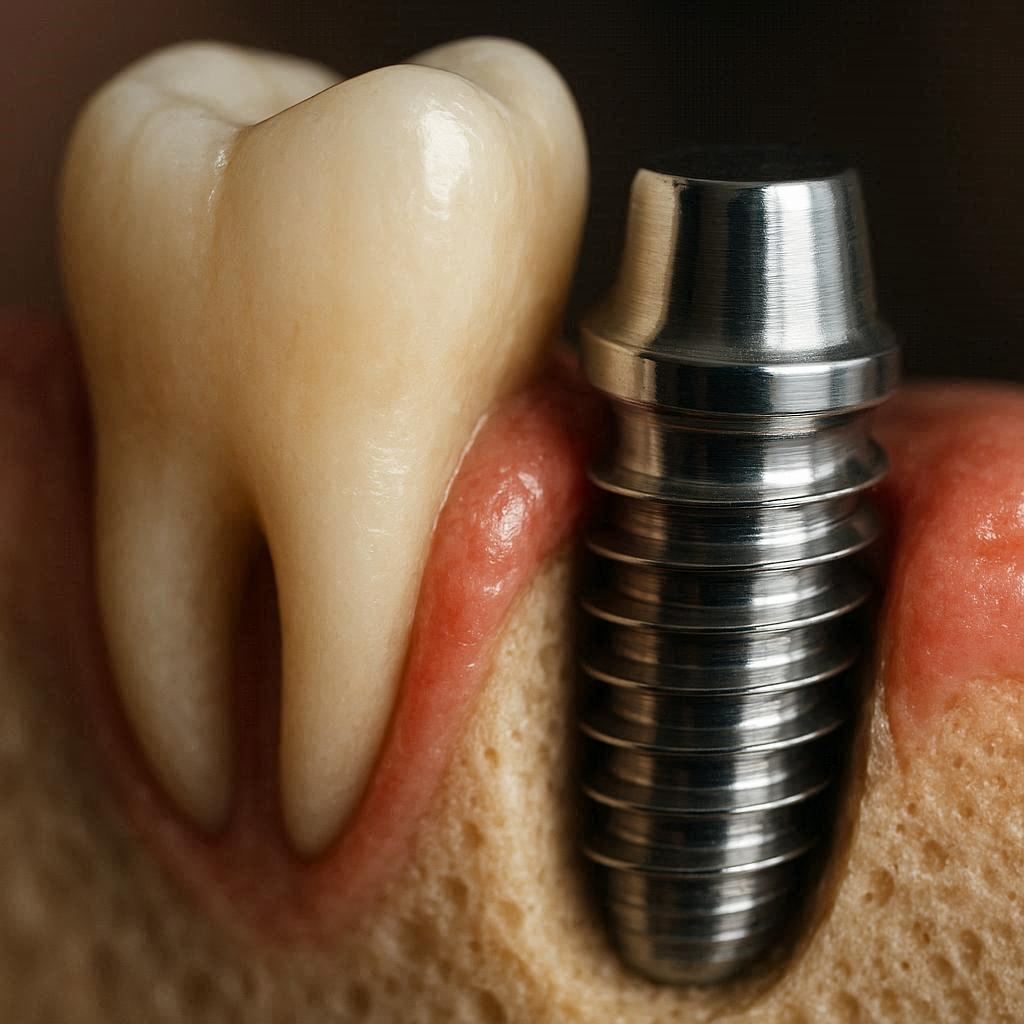
A tooth with screw implant is a complete tooth replacement system. It has two main parts: the screw (post) and the crown (false tooth).
The screw is usually made of titanium. Titanium is a safe metal. Your body accepts it very well. The dentist places this screw directly into your jawbone. It acts like a natural tooth root.
The crown is the visible white part. A connector called an abutment joins the screw and the crown together. The final result looks, feels, and functions like a real tooth.
Note from a dentist: “Think of a screw implant like building a house. The screw is the strong foundation. The crown is the beautiful house on top.”
Difference Between Implants and Other Options
| Feature | Screw Implant | Dental Bridge | Denture |
|---|---|---|---|
| Looks | Like a real tooth | Good | Artificial |
| Stability | Very high | Moderate | Low |
| Bone protection | Yes | No | No |
| Affects adjacent teeth | No | Yes (shaving down) | No |
| Longevity | 20+ years | 5–15 years | 5–8 years |
| Removable | No | No | Yes |
As you can see, the tooth with screw implant wins in most categories. It protects your jawbone. It keeps neighboring teeth untouched. And it feels solid when you bite an apple.
Who Is a Good Candidate for a Screw Implant?
Not everyone can get a screw implant right away. You need certain conditions for success. But do not worry. Many people who think they cannot get one actually can.
Ideal conditions
- Good general health. Chronic diseases like uncontrolled diabetes can slow healing.
- Healthy gums. No active gum disease.
- Sufficient jawbone. The screw needs enough bone to hold it tight.
- Non-smoker (or willing to quit). Smoking greatly increases failure rates.
- Commitment to oral hygiene. Implants need daily cleaning, just like real teeth.
What if you lack jawbone?
This is a common fear. But modern dentistry has solutions.
- Bone grafting: The dentist adds bone material to your jaw.
- Sinus lift: For upper back teeth, they lift the sinus to make space.
- Short implants: Some cases only need a shorter screw.
These procedures add time and cost. But they open the door for almost anyone to receive a tooth with screw implant.
Realistic advice: Do not let bone loss stop you from booking a consultation. A specialist can tell you exactly what your options are.
The Step-by-Step Procedure of a Tooth with Screw Implant
Let us demystify the process. Many patients fear pain. But modern anesthesia and techniques make this very manageable. Most people say the extraction of a bad tooth hurts more than the implant placement.
Step 1: Initial consultation
Your dentist examines your mouth. They take X-rays or a 3D CT scan. This shows bone density and nerve positions. Together, you create a treatment plan.
Step 2: Preparatory work (if needed)
- Tooth extraction from the damaged site.
- Bone grafting or sinus lift.
- Gum disease treatment.
Healing from these steps takes weeks or months. Patience is key here.
Step 3: Placing the screw
This is the main surgery day.
- The dentist applies local anesthesia. You are awake but feel nothing.
- They make a small cut in your gum.
- They drill a precise hole into the bone.
- The titanium screw goes into that hole.
- They close the gum over the screw or attach a healing cap.
The entire process usually takes 1–2 hours for one tooth.
Step 4: Osseointegration (the magic waiting period)
This is the most important phase. Your bone grows tightly around the screw. This process is called osseointegration. It takes 3 to 6 months.
During this time, you may wear a temporary partial denture. You eat soft foods. But you can work, talk, and live normally.
Step 5: Attaching the abutment
Once the screw is solid, the dentist uncovers it. They attach a small metal piece called an abutment. This acts as the connector.
Step 6: Placing the final crown
Your dentist takes impressions of your mouth. A lab creates your custom crown. The crown matches the color, shape, and size of your natural teeth. Finally, they cement or screw the crown onto the abutment.
Congratulations. You now have a fully functional tooth with screw implant.
Benefits of Choosing a Screw Implant
Why do millions of people choose this option? The reasons are both practical and emotional.
1. Natural look and feel
No one will know you have an implant unless you tell them. The crown reflects light like a real tooth. The screw gives you the same biting force as a natural root.
2. Bone preservation
When you lose a tooth, the jawbone slowly melts away. This changes your face shape over time. It makes you look older. A screw implant stops this process. It stimulates the bone, keeping it healthy.
3. No damage to healthy teeth
A traditional bridge requires shaving down the two adjacent teeth. That is irreversible. An implant stands alone. Your neighboring teeth stay untouched and intact.
4. Long-term solution
With good care, a tooth with screw implant can last 20, 30, or even 40 years. The crown may need replacement after 10–15 years due to normal wear. But the screw can last a lifetime.
5. Comfort and confidence
Dentures slip. Bridges trap food. Implants feel like part of you. You speak clearly. You laugh openly. You eat steak, popcorn, and nuts without worry.
Patient story: “I had a removable partial denture for five years. I hated it. I could not eat in public. Now with my implant, I forget it is even there. It changed my life.”
Risks and Honest Limitations
We must be realistic. No medical procedure is perfect. A tooth with screw implant has potential downsides. But most are rare or manageable.
Possible complications
| Complication | Likelihood | Solution |
|---|---|---|
| Infection at implant site | Low (1–5%) | Antibiotics, cleaning |
| Screw loosening | Low | Retightening by dentist |
| Nerve damage | Very low (0.5%) | Usually temporary numbness |
| Implant failure (no bone bonding) | 2–5% | Remove implant, try again after bone graft |
| Sinus problems (upper implants) | Low | Sinus lift procedure before implant |
Honest limitations
- Time commitment: The full process can take 6–12 months from start to finish.
- Cost: Implants cost more upfront than bridges or dentures (more on this later).
- Surgery required: Not everyone wants or can handle oral surgery.
- Not for young people: Jaw growth must be complete. Usually age 18 for females, 20+ for males.
- Requires healthy habits: Poor hygiene leads to peri-implantitis (gum disease around implant).
What about allergies?
Titanium allergies are extremely rare. If you have known metal allergies, zirconia implants exist. They are white and metal-free. Ask your dentist about ceramic options.
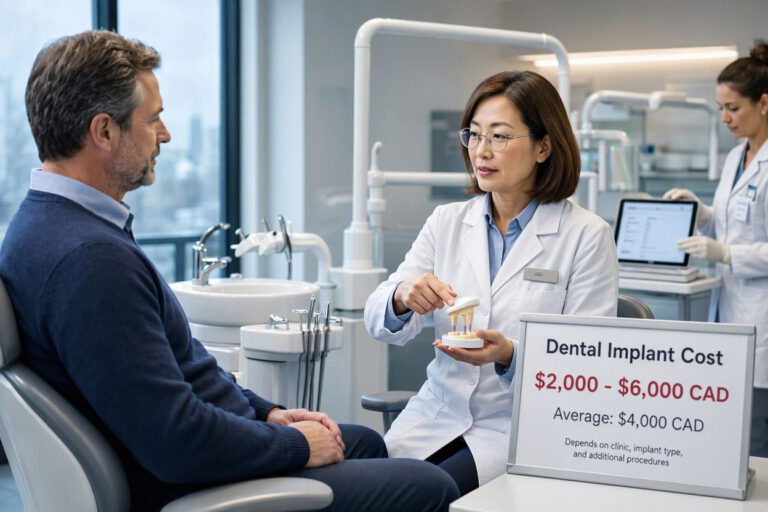
Cost Breakdown of a Tooth with Screw Implant
Let us talk money honestly. This is often the biggest barrier. But understanding the costs helps you plan better.
Average costs in the United States (without insurance)
| Component | Cost Range |
|---|---|
| Consultation and CT scan | 150–500 |
| Extraction of damaged tooth | 200–600 |
| Bone grafting (if needed) | 300–1,500 |
| Implant screw placement | 1,500–2,500 |
| Abutment | 300–600 |
| Crown | 1,000–2,000 |
| Total single tooth implant | 3,500–3,500–7,500 |
Important note: These are typical prices. High-cost cities like New York or Los Angeles can reach 10,000pertooth.Low−costareasmaybecloserto3,000.
Does dental insurance cover implants?
Traditional dental insurance often excludes implants. Or it covers only 10–30% of the crown portion. However:
- Some plans now include implant coverage.
- Medical insurance may cover the screw if tooth loss is due to an accident.
- Always pre-authorize before starting treatment.
More affordable options
- Dental schools: Treatment by supervised students. Up to 50% cheaper.
- Payment plans: Many offices offer in-house financing or CareCredit.
- Dental tourism: Mexico, Costa Rica, or Thailand offer quality work for 40–60% less. But factor in travel and follow-up care.
- Corporate discounts: Some chains offer package pricing.
Long-term value
A bridge costs 2,000–5,000 initially. But it may need replacement every 10 years. Plus, it damages healthy teeth. An implant costs more now but saves money and teeth over a lifetime.
Think of it as an investment in your health, not an expense.
Pain, Recovery, and What to Expect
Fear of pain stops many people. Let us walk through what you will actually feel.
During the surgery
- Pain level: 0/10 (numbed area)
- Sensation: Pressure, pushing, vibration. No sharp pain.
- Sounds: Drilling and tapping noises are normal.
- Anxiety: Ask about sedation options (pills, laughing gas, IV sedation).
First 24 hours after surgery
- Anesthesia wears off after 3–5 hours.
- Mild to moderate discomfort begins. Rate 2–4 out of 10.
- Some bleeding and swelling are normal.
- Take prescribed or OTC pain relievers (ibuprofen or acetaminophen).
- Apply ice packs to your face for 15-minute intervals.
Days 2–7
- Swelling peaks around day 2–3, then decreases.
- Pain should be manageable with medication.
- Stick to soft foods: yogurt, soup, smoothies, mashed potatoes.
- Avoid the surgical site when brushing.
- No strenuous exercise for 5 days.
Weeks 1–4
- Most pain and swelling disappear.
- You return to normal activities.
- The gum heals around the screw.
- Avoid chewing directly on that side.
Months 3–6 (osseointegration)
- You feel nothing inside your jaw.
- The bone silently grows around the screw.
- Routine checkups ensure everything stays on track.
Honest truth: Most patients say the recovery is easier than a tooth extraction. You will be pleasantly surprised.
Caring for Your Tooth with Screw Implant
Good news. Caring for an implant is very similar to caring for natural teeth. But there are a few extra steps.
Daily home care
- Brush twice a day: Use a soft or extra-soft toothbrush.
- Floss daily: Use implant-specific floss or super floss with a stiff end.
- Water flosser: Excellent for cleaning around the abutment.
- Interdental brushes: Small brushes that clean under the crown.
- Avoid: Hard toothbrushes, abrasive toothpaste, and chewing ice.
Professional maintenance
- Regular cleanings: Every 6 months. Tell your hygienist you have an implant.
- X-rays: Once a year to check bone levels.
- Screw tightening: Very rarely needed. Your dentist will check.
What to avoid
- Smoking: The #1 cause of implant failure.
- Chewing hard objects: Pens, ice, hard candy.
- Grinding your teeth: Use a nightguard if you grind.
- Skipping cleanings: Gum disease around an implant is serious and hard to treat.
Signs of trouble (see your dentist immediately)
- Bleeding or pus around the implant
- The crown feels loose
- Pain when biting down
- The gum recedes showing the screw
Catching problems early saves the implant. Do not wait.
Frequently Asked Questions (FAQ)
How long does a tooth with screw implant last?
The screw itself can last 30 years to a lifetime. The crown typically lasts 10–20 years before needing replacement due to normal wear.
Is the procedure painful?
Not during the surgery. Afterward, most patients describe mild discomfort similar to a tooth extraction. Manageable with over-the-counter pain relievers.
Can I get an implant years after losing a tooth?
Yes. But you may need a bone graft first. The longer you wait, the more bone loss occurs. Still, it is very possible.
What is the success rate?
Success rates are 95–98% for lower jaw and 90–95% for upper jaw. Smoking drops success to 85–90%.
Can my body reject a titanium screw?
True rejection is almost impossible because titanium is biocompatible. Failure happens when bone does not fuse properly, not from rejection.
How many visits are needed?
Typically 4–6 visits over 6–12 months.
Can I have multiple screw implants?
Yes. You can replace a single tooth or all teeth with multiple implants supporting a full arch.
What is better: implant or bridge?
An implant is almost always better for long-term health. The only exceptions are very small gaps between existing teeth or severe medical conditions.
Can I have an MRI with an implant?
Yes. Titanium is non-magnetic and MRI-safe. Always tell the technician, but it is completely safe.
What if my implant fails?
The dentist removes it, lets your bone heal for 3–6 months, and places a new implant. Success on the second attempt is still very high.
Additional Resource: Where to Learn More
For the most up-to-date research, patient stories, and dentist referrals, visit the official website of the American Academy of Implant Dentistry (AAID).
👉 Link: www.aaid.com
This resource offers:
- A “Find a Dentist” tool
- Free patient guides
- Information on costs and financing
- Latest technology updates
Conclusion
A tooth with screw implant is the closest you can get to a real, natural tooth. It preserves your jawbone, protects healthy teeth, and restores your ability to eat, smile, and laugh with confidence. While the process requires time and investment, the long-term benefits far outweigh the temporary inconveniences. With proper care, your implant can serve you for decades.
Disclaimer: This article is for informational purposes only. It does not replace professional medical or dental advice. Always consult a licensed dentist for a proper diagnosis and treatment plan tailored to your specific health needs. Results and costs vary by individual case and geographic location.