Foods To Eat After Dental Implant Surgery
You just left the dentist’s office. Your mouth is still numb, and a small voice in your head is asking the same question most people forget to ask before surgery: What on earth am I going to eat for the next two weeks?
Let’s be honest. The internet is full of advice that sounds good on paper but fails in real life. Telling someone to eat “mashed potatoes” for ten days straight is not realistic. You will get bored. You will get frustrated. And worst of all, you might reach for something crunchy out of desperation and risk your new investment.
This guide is different. We are going to walk through the actual foods to eat after dental implant surgery that are nourishing, satisfying, and genuinely easy to prepare. No fancy chef skills required. No unrealistic promises.
We will also look at what to avoid, why your healing timeline matters, and how to eat like a human being while your mouth does its important work.
Important Note: This article is for general informational purposes only. Every surgical procedure is different. Always follow the specific post-operative instructions provided by your oral surgeon or dentist. They know your unique case better than anyone.
Why Your First Week of Eating Really Matters
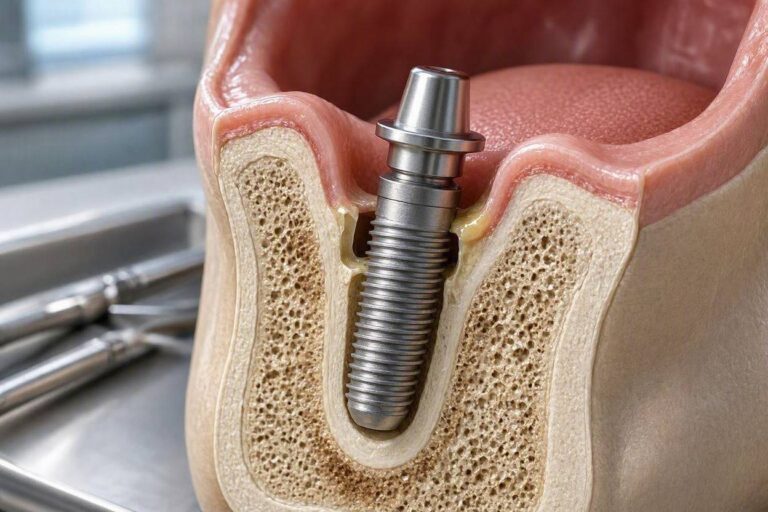
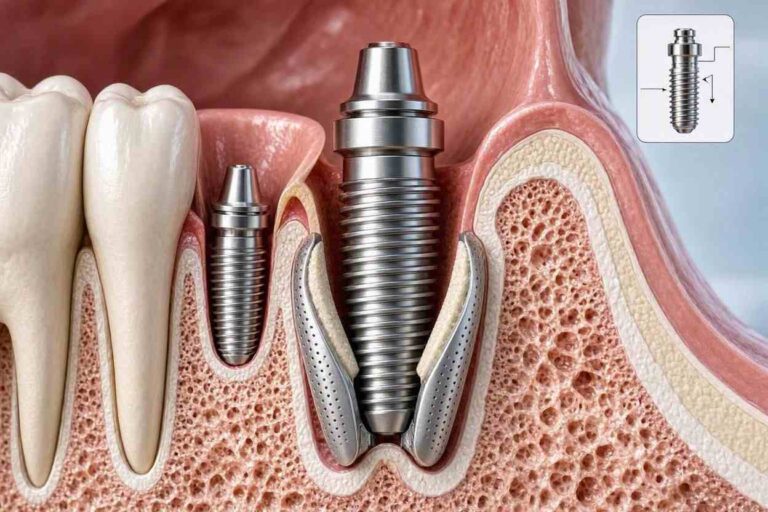
Before we dive into the grocery list, let us talk about the “why.” Dental implant surgery is not like pulling a tooth. You are having a titanium post placed into your jawbone. Over time, that post will fuse with the bone in a process called osseointegration.
Anything you eat that disturbs that healing process can cause problems. Hard foods can press directly on the surgical site. Chewy foods can pull at the stitches. Hot foods can increase bleeding. Small particles like seeds or rice grains can get lodged in the incision.
But here is the good news. You do not need a special “dental implant diet” forever. Most patients return to normal eating within six to eight weeks. The critical window is the first seven to ten days.
Think of this period as giving your mouth a gentle vacation. You are not depriving yourself. You are protecting a significant investment in your long-term health.
The Golden Rules for Post-Implant Eating
Let us set three simple rules to guide every food choice you make during recovery.
Rule One: Temperature Matters More Than Taste (At First)
Your first 24 to 48 hours are all about cold or lukewarm foods. Why? Heat expands blood vessels. Expanded blood vessels mean more bleeding and more swelling. Cold does the opposite. It constricts blood vessels and reduces inflammation.
After day three, you can slowly introduce warm foods. But “warm” means soup that does not steam when you hold a spoon to your lips. Save the hot coffee and spicy chili for later.
Rule Two: If You Have to Chew, Do Not Eat It
This is the simplest test. Put a piece of food in your mouth. Do your teeth need to grind, tear, or crush it? If yes, put it back. During the first week, your goal is to swallow directly or mash everything against your palate with your tongue.
Rule Three: Nutrition Is Non-Negotiable
Your body is working hard to heal bone and gum tissue. It needs protein, vitamins, and calories. A diet of only pudding and ice cream will leave you feeling weak, irritable, and slow to heal. Prioritize real food whenever possible.
Phase One: The First 24 Hours (Cold and Liquid)
The day of surgery is not about gourmet dining. It is about getting calories in without disturbing the surgical site. Your mouth will be numb for several hours, which makes chewing impossible and swallowing tricky.
Safe Options for Day One
| Food | Why It Works | Pro Tip |
|---|---|---|
| Cold smoothies | Nutrition without chewing. Cold reduces swelling. | Use a spoon, not a straw. Suction dislodges blood clots. |
| Greek yogurt | High in protein. Smooth texture. | Choose plain varieties to avoid sharp fruit seeds. |
| Protein shakes | Complete nutrition. No effort required. | Look for low-sugar brands. Avoid chocolate if gritty. |
| Cold pudding or custard | Soothing. Easy to swallow. | Make sure no crust or crunchy toppings. |
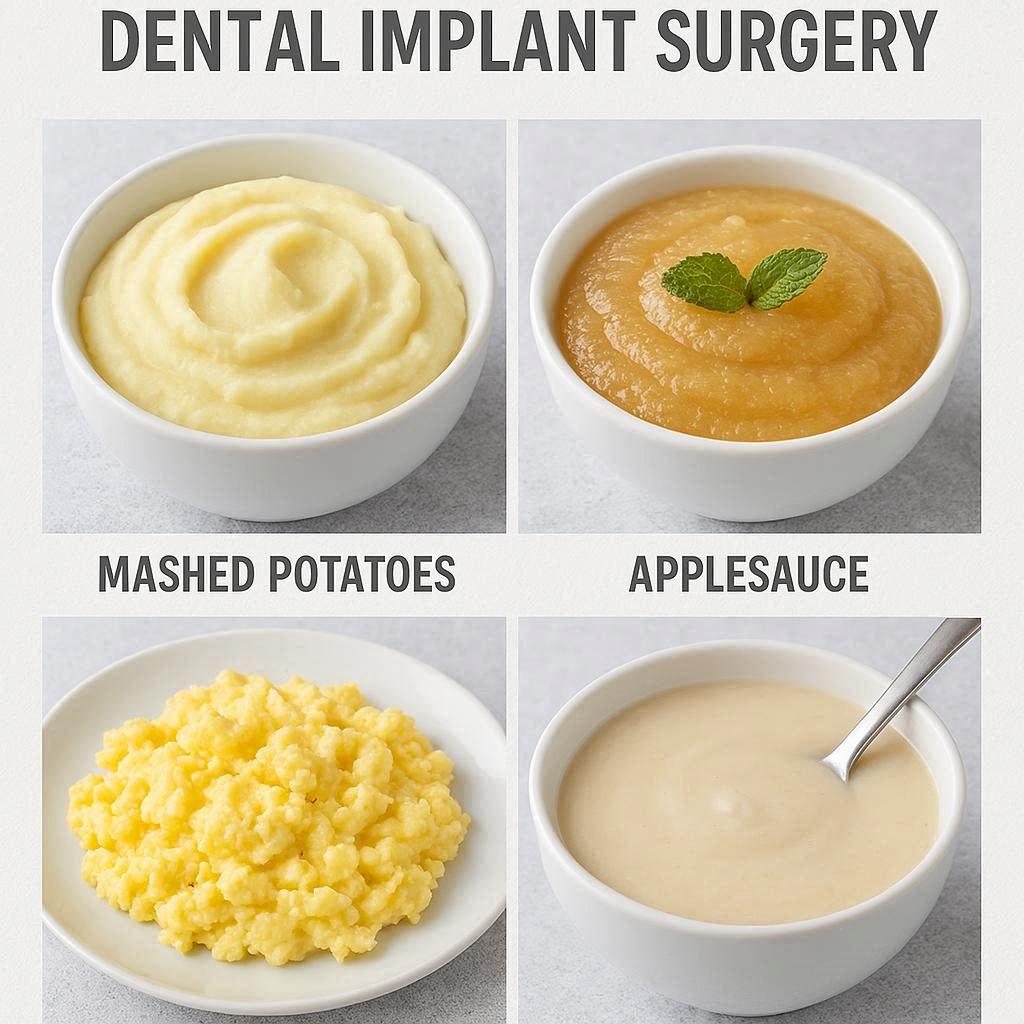
| Applesauce | Gentle. Familiar. | Opt for smooth, not chunky. |
| Ice cream (without mix-ins) | Calorie-dense. Comforting. | Avoid nuts, cookie dough, or hard chocolate pieces. |
What to Absolutely Avoid on Day One
- Straws. This is critical. The sucking motion can dislodge the protective blood clot and cause a painful dry socket.
- Hot liquids. Coffee, tea, or hot soup will increase bleeding.
- Carbonated drinks. The bubbles can irritate fresh incisions.
- Anything with small seeds. Strawberry seeds, raspberry seeds, and sesame seeds can get trapped in the surgical site.
A Realistic Day One Meal Plan
Breakfast: A cold protein shake and a small cup of Greek yogurt.
Lunch: Smooth applesauce followed by a cold pudding cup.
Dinner: A smoothie made with banana, protein powder, almond milk, and a spoonful of peanut butter.
Snack: A small serving of ice cream (soft, not frozen solid).
Phase Two: Days 2 to 4 (Soft, Cool, and Mashed)
The numbness is gone. The swelling might be peaking. You are probably tired of sweet foods and want something that tastes like an actual meal. This is where the real planning begins.
During these days, you can graduate to foods that require minimal pressure from your tongue. You are still not chewing. But you can handle slightly thicker textures.
Best Proteins for Healing
Protein is the building block of tissue repair. Without enough protein, your healing slows down noticeably.
| Protein Source | Preparation Method | Texture |
|---|---|---|
| Scrambled eggs | Cook low and slow. Add milk for extra fluffiness. | Soft curds that break apart easily. |
| Ricotta cheese | Eat straight from the container. | Smooth and creamy. |
| Cottage cheese (small curd) | Blend first if worried about texture. | Soft and moist. |
| Refried beans | Thin with a little broth or water. | Smooth paste. |
| Silken tofu | Blend into soups or eat plain with soy sauce. | Custard-like. |
| Salmon (canned or baked soft) | Flake into tiny pieces. Mix with Greek yogurt. | Moist and tender. |
Vegetables Without Chewing
This is where most people struggle. How do you eat vegetables when you cannot chew? You puree, mash, or juice.
- Pureed carrot ginger soup. Rich in vitamin A for tissue healing.
- Mashed avocado. Full of healthy fats. Eaten plain or thinned with broth.
- Butternut squash soup. Smooth, naturally sweet, and packed with vitamins.
- Well-cooked zucchini. Cook until mushy. Mash with a fork.
- Spinach puree. Blend cooked spinach with a little cream or broth.
The Reality Check
You will not be eating salads or crunchy vegetables during this phase. Accept that. Your goal is not perfect nutrition. Your goal is better nutrition than surviving on milkshakes alone.
Quote from a real patient: “By day three, I would have killed for a piece of toast. But I stuck to scrambled eggs and mashed avocado, and by day ten, I was so glad I did. My healing was noticeably faster than my friend who tried to eat regular food too soon.”
Day Two to Four Sample Menu
- Breakfast: Soft scrambled eggs with a spoonful of pureed spinach mixed in.
- Morning snack: Small curd cottage cheese.
- Lunch: Blended lentil soup (strained to remove skins).
- Afternoon snack: Mashed avocado with a sprinkle of salt.
- Dinner: Refried beans thinned with bone broth, topped with a dollop of sour cream.
- Evening snack: Greek yogurt with a drizzle of honey.
Phase Three: Days 5 to 10 (Introducing Gentle Chewing)
Congratulations. You have made it through the hardest part. The swelling has gone down significantly. Your stitches may still be in place, but the risk of disturbing the surgical site is lower.
Now you can start introducing foods that require very light chewing. Think of foods that practically fall apart on their own. You are still avoiding anything crunchy, hard, or sticky. But you have more options than ever.
What You Can Add Now
- Soft pasta. Macaroni and cheese, buttered egg noodles, or small pasta shapes cooked well beyond al dente.
- Oatmeal. Make it creamy. Avoid steel-cut oats, which are chewy.
- Well-cooked rice. Risotto is perfect. Plain white rice is fine if you overcook it slightly.
- Mashed potatoes with gravy. A classic for a reason. Just skip the crispy skin.
- Soft fish. Baked cod, tilapia, or flounder flakes apart with a fork.
- Ground meat. Meatloaf is excellent. Ground turkey or beef in a soft sauce (like sloppy joe meat eaten without the bun).
- Ripe bananas. Almost dessert-like when fully spotted with brown.
- Canned fruit. Peaches, pears, or fruit cocktail in juice. Avoid pineapple (too acidic).
A Word of Caution About Bread
Many patients desperately want toast, a sandwich, or a roll by day seven. Here is the truth: bread is risky. It turns into a pasty, sticky mass that can adhere to your surgical site. If you must have bread, choose very soft white bread without crust and tear it into tiny pieces. Even then, proceed with caution.
The Test Before You Bite
Ask yourself three questions before eating anything new:
- Can I smash this against the roof of my mouth with my tongue?
- Does this food turn into a smooth paste when I chew it twice?
- Is there any chance a small hard piece exists in this food?
If you answer “no” to any question, wait another two days before trying.
Phase Four: Days 11 to 21 (Returning to Normal)
You are past the halfway point. The implant is settling into the bone. Your gums look and feel mostly normal. You can start eating most soft-to-medium foods, but you are still avoiding the “danger zone” of hard, crunchy, or sticky foods.
Safe Foods in Phase Four
| Category | Examples | Caution |
|---|---|---|
| Soft breads | Pancakes, soft muffins, flour tortillas | Avoid crusty artisan bread or bagels |
| Cooked vegetables | Steamed broccoli, carrots, green beans | Cook until fork-tender |
| Tender meats | Shredded chicken, pulled pork, meatballs | Cut into small pieces |
| Fruits | Peeled apples, ripe pears, peeled peaches | Remove all skins |
| Dairy | Soft cheeses, yogurt, cottage cheese | All fine at this stage |
| Grains | Soft rice, quinoa, couscous | Watch for small grains getting stuck |
What You Still Cannot Eat (Yet)
- Nuts and seeds. Too hard. Too small. Too risky.
- Potato chips or tortilla chips. Sharp edges are dangerous.
- Popcorn. The hulls are notorious for getting lodged in gums.
- Steak or tough meats. Too much chewing pressure.
- Hard candies or lollipops. Sucking is still not ideal.
- Crunchy raw vegetables. Carrots, celery, bell peppers.
- Sticky foods. Caramel, taffy, dried fruit, gummy candy.
Listening to Your Body
Every person heals differently. Some people feel ready for soft pizza by day fourteen. Others need a full three weeks before chewing feels comfortable. There is no prize for eating solid food faster. There is only the risk of pain, bleeding, or implant failure.
If something hurts, stop eating it. If you feel pressure at the implant site, go back to softer foods for a few more days.
The Ultimate 14-Day Healing Food Calendar
Use this table as a quick reference. Print it out. Put it on your refrigerator.
| Day | Phase | Best Foods | Foods to Avoid |
|---|---|---|---|
| 1 | Liquid/Cold | Smoothies, yogurt, pudding, protein shakes | Hot foods, straws, seeds, carbonation |
| 2 | Soft/Cool | Scrambled eggs, mashed avocado, cottage cheese | Any chewing, warm foods, rice |
| 3 | Soft/Cool | Refried beans, pureed soups, ricotta | Bread, pasta, ground meat |
| 4 | Soft/Cool | Mashed potatoes, smoothies with protein | Crunchy or hard textures |
| 5 | Gentle chewing | Soft pasta, oatmeal, well-cooked rice | Nuts, seeds, raw vegetables |
| 6 | Gentle chewing | Meatloaf, soft fish, canned fruit | Crusty bread, chips, crackers |
| 7 | Gentle chewing | Pancakes, soft muffins, ground turkey | Steak, raw carrots, popcorn |
| 8-10 | Soft regular | Shredded chicken, steamed vegetables, soft breads | Sticky candies, hard fruits |
| 11-14 | Near normal | Most soft foods, tender meats, cooked vegetables | Nuts, seeds, hard chips |
| 15-21 | Full soft diet | Almost everything except crunch | Extremely hard or sticky items |
Common Mistakes That Slow Healing
Let us talk about what not to do. These are real mistakes real patients make. Learn from them so you do not have to learn the hard way.
Mistake One: Eating Rice Too Soon
Rice seems harmless. It is soft, right? The problem is that individual rice grains are tiny, dry, and sticky. They can wedge themselves into the surgical incision. Patients report finding rice in their gums days after eating it. Save rice for week two at the earliest.
Mistake Two: Using a Straw After Day One
You made it through the first day without a straw. Great. But some patients think a straw is fine once the bleeding stops. It is not. The negative pressure from sucking on a straw can still disrupt healing tissue for up to two weeks.
Mistake Three: Blending Everything Into a Smoothie
Blending is a great strategy. But blending a cheeseburger into a drinkable liquid does not make it a good idea. High-acid foods like tomatoes, citrus, and vinegar-based sauces can irritate your incisions. Stick to gentle ingredients.
Mistake Four: Ignoring Hydration
You are eating soft foods, but are you drinking enough water? Dehydration slows every aspect of healing. Aim for eight to ten glasses of water per day. Avoid alcohol completely for the first week. It thins your blood and delays healing.
Mistake Five: Getting Impatient With Texture
“This mashed potato has a tiny lump in it. I am sure it is fine.”
Stop right there. A tiny lump can become a major irritation when it presses against a fresh surgical site. Strain your soups. Blend your foods thoroughly. Smooth is your friend.
A Complete Shopping List for Recovery
Take this list to the grocery store before your surgery date. Being prepared means you will not be tempted to eat the wrong things.
Protein Section
- Greek yogurt (plain, full-fat for calories)
- Cottage cheese (small curd)
- Ricotta cheese
- Silken tofu
- Eggs
- Canned salmon or tuna (packed in water)
- Bone broth
- Protein powder (unflavored or vanilla)
Produce Section
- Bananas (very ripe)
- Avocados
- Spinach (for pureeing)
- Carrots (for soup)
- Butternut squash
- Zucchini
- Potatoes (russet or sweet)
- Canned peaches or pears (in juice)
Pantry Items
- Smooth applesauce
- Pudding cups
- Refried beans
- Creamy peanut butter or almond butter
- Oatmeal (quick oats)
- Cream of wheat
- Honey or maple syrup
- Soft pasta (egg noodles, small shells)
Dairy and Alternatives
- Milk (dairy or almond)
- Heavy cream (for creamy soups)
- Ice cream (no mix-ins)
- Cream cheese (plain)
Soups and Bases
- Tomato soup (low-acid if tolerated)
- Butternut squash soup
- Cream of mushroom soup
- Vegetable broth
Five High-Protein Recovery Smoothie Recipes
Smoothies are your best friend during early recovery. These recipes prioritize protein and healing nutrients over sugar.
Recipe 1: The Healing Starter
- 1 cup Greek yogurt
- 1 ripe banana
- 1 scoop unflavored protein powder
- 1/2 cup almond milk
- 1 tablespoon honey
Blend until completely smooth. Serve cold.
Recipe 2: Green Recovery
- 1/2 cup silken tofu
- 1/2 cup frozen spinach (thawed)
- 1/2 avocado
- 1 cup unsweetened coconut water
- 1 tablespoon maple syrup
This smoothie is packed with vitamin K and healthy fats.
Recipe 3: Peanut Butter Power
- 2 tablespoons creamy peanut butter
- 1 scoop chocolate protein powder
- 1 banana
- 1 cup dairy milk
- 1 tablespoon cocoa powder (optional)
High calorie. High protein. Tastes like dessert.
Recipe 4: Bone Broth Blended (Savory Option)
- 1 cup warm (not hot) bone broth
- 1/4 cup pureed cooked carrots
- 1/4 cup silken tofu
- Pinch of salt
This is for when you cannot stand one more sweet smoothie.
Recipe 5: Berry Without Seeds
- 1/2 cup seedless berry puree (strained)
- 1 cup Greek yogurt
- 1 scoop vanilla protein powder
- 1/2 cup milk
- 1 tablespoon honey
Straining removes problematic seeds while keeping flavor.
When to Call Your Dentist
Eating the right foods supports healing, but it cannot fix complications. Contact your oral surgeon immediately if you experience:
- Bleeding that does not stop after applying gentle pressure for 20 minutes.
- Pain that worsens after day three instead of improving.
- Signs of infection: fever, chills, foul taste, or pus at the surgical site.
- Swelling that increases dramatically after day two.
- Numbness that persists beyond the expected time frame.
- A feeling that the implant is loose or moving.
Do not wait. Do not hope it gets better on its own. These symptoms require professional attention.
Frequently Asked Questions (FAQ)
Can I drink coffee after dental implant surgery?
Avoid coffee for the first 48 hours due to heat and vasodilation. After that, you may drink coffee if it is lukewarm. Skip the sugar and creamer with small particles. Never use a straw.
How long until I can eat normally again?
Most patients return to a normal diet by week four to six. Full healing of the implant site (osseointegration) takes three to six months, but you will be eating normally long before that.
Can I eat pizza after dental implant surgery?
Not during the first two weeks. The crust is too hard and chewy. The cheese can be stringy and sticky. After week three, you may eat thin-crust pizza if you cut it into tiny pieces and chew on the opposite side.
What if I accidentally eat something crunchy?
Do not panic. Rinse your mouth gently with warm salt water. Check the surgical site for any food particles. If nothing is lodged and you feel no pain, you are likely fine. Just be more careful going forward.
Is soup safe to eat?
Yes, but temperature and texture matter. Lukewarm soups with no chunks are best. Avoid soups with rice, noodles, corn, or seeds. Strain chunky soups before eating.
Can I use a water flosser during recovery?
Do not use a water flosser on the surgical site for at least two weeks. The pressure can disrupt healing. Ask your dentist when it is safe to resume.
Why can’t I eat seeds and nuts?
Seeds and nuts are small, hard, and sharp. They can wedge themselves into the incision, cause infection, or put direct pressure on the implant post.
What is the best food for healing?
Protein-rich foods like eggs, Greek yogurt, and blended soups with bone broth provide the amino acids needed for tissue repair. Vitamin C from pureed bell peppers or smoothies supports collagen production.
Additional Resource
For a visual guide to food textures and preparation techniques during each recovery phase, visit the American Academy of Implant Dentistry’s patient resource library at www.aaid.com/patient-resources. This free library includes printable recovery checklists and expert video explanations.
Conclusion
Healing from dental implant surgery does not have to be miserable or nutritionally empty. Focus on cold, soft, protein-rich foods for the first few days. Gradually introduce warm, gently chewable options as your comfort allows. Protect your investment by avoiding hard, crunchy, sticky, and seedy foods for at least two to three weeks. Listen to your body. When in doubt, eat softer. Your future self—with a fully healed and functional smile—will thank you.
Disclaimer: This article is for educational purposes only and does not constitute medical advice. Always consult with your dental surgeon or healthcare provider before making dietary decisions following surgery. Individual recovery times and dietary restrictions vary based on the specific procedure performed.