How Do Dental Implants Appear After Being Healed?
The journey to a dental implant is long. There is surgery, healing, and multiple appointments. It is natural to wonder about the final result. What will it look like? What will it feel like? You want to know if the investment of time and money will be worth it. This leads to a common question: “How do dental implants appear after being healed?” The answer is simple: they should look, feel, and function like natural teeth. But the details matter. A successful implant blends seamlessly into your smile. This guide will describe the visual appearance, the tactile feel, and the functional reality of a fully healed dental implant.
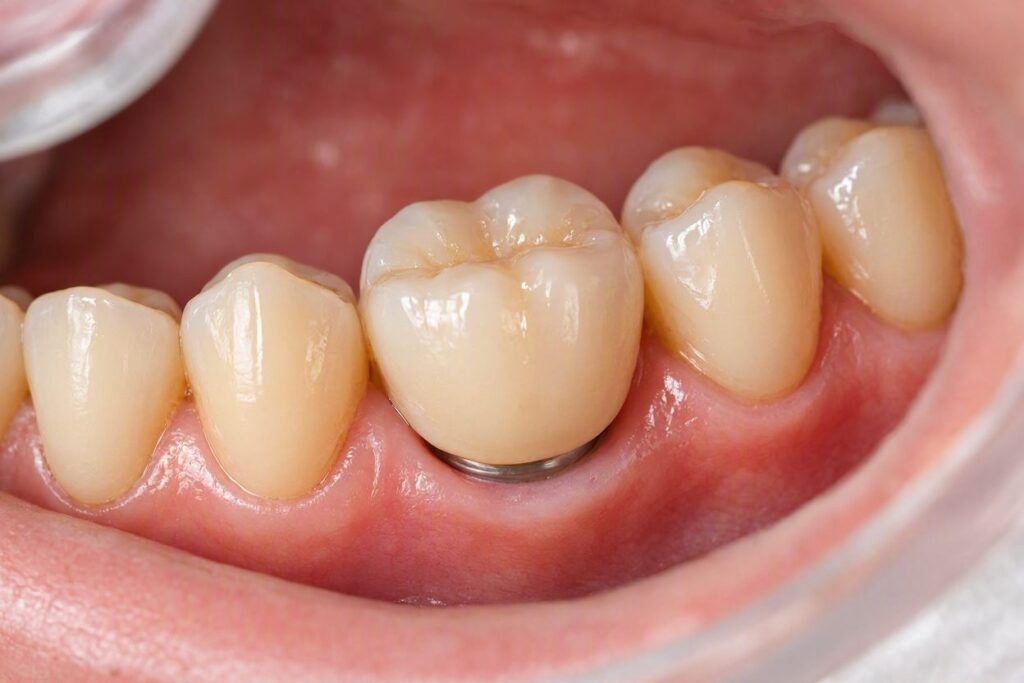
The Visual Appearance: A Seamless Blend
The ultimate goal of a dental implant is to be invisible. No one should be able to tell which tooth is the implant. When you look in the mirror, you should see a complete, healthy smile.
1. The Crown (The Visible Part)
The crown is the prosthetic tooth. It is custom-made from porcelain or ceramic. It is designed to match the exact color, shape, and size of your surrounding teeth. The dentist takes precise measurements and photographs. The laboratory then layers the ceramic to mimic the subtle translucency and texture of natural enamel. It should not look “too perfect” or “too white.” It should look like it belongs in your mouth.
2. The Gum Line
This is where the artistry of implant dentistry matters most. The gum tissue around the implant should wrap around the crown naturally. It should have a healthy pink color. There should be no gaps, no receding, and no inflammation. The crown should emerge from the gum line just like a natural tooth does. This is achieved through careful placement of the implant and the use of a healing abutment to shape the gum tissue.
3. The Absence of Metal
For many years, a problem with implants was the “gray line.” The titanium post could sometimes show through thin gum tissue, creating a dark shadow at the gum line. This is less common with modern techniques. Dentists now use zirconia (white ceramic) abutments for front teeth. Even if you have a titanium implant, the white abutment and the porcelain crown prevent any dark color from showing through. A healed implant should have no visible metal.
The Tactile Feel: How It Feels in Your Mouth
What does it feel like when you run your tongue over it? What does it feel like when you chew?
1. The Smoothness
The crown should feel smooth and polished, just like your natural teeth. There should be no rough edges or sharp spots.
2. The Firmness
This is the defining characteristic of a healed implant. When you push on the implant with your tongue or finger, it should not move. It should feel absolutely solid. This is the result of osseointegration—the bone has fused to the implant. It feels like it is part of your body.
3. The Bite
When you bite down, the implant tooth should meet the opposing tooth with the same pressure as your other teeth. It should not feel too high or too low. The dentist will carefully adjust the bite to ensure it is comfortable and balanced.
4. The “Forgotten” Tooth
The highest compliment a patient can give is that they “forget” they have an implant. It feels so natural that it does not register as a foreign object. You do not think about it when you eat, talk, or smile.
The Functional Reality: What It Can Do
A healed implant is not just for show. It is a fully functional replacement for a lost tooth.
1. Chewing Power
A healed implant restores nearly 100% of your natural chewing force. You can eat hard, crunchy, and chewy foods without fear. This is a stark contrast to dentures, which only restore a fraction of chewing power.
2. Speech
Missing teeth can cause a lisp or difficulty pronouncing certain sounds. A properly placed implant restores normal speech. The tongue has the proper surface to press against.
3. Bone Preservation
This is a benefit you cannot see, but it is happening. The implant post acts like a natural tooth root. It stimulates the jawbone, preventing the bone loss that occurs when a tooth is missing. This preserves the structure of your face and prevents the “sunken in” look that can occur with long-term tooth loss.
The Timeline of Appearance: From Surgery to Healed
The appearance changes over time. Here is what to expect at each stage.
| Stage | Appearance | Feel |
|---|---|---|
| Immediately After Surgery | Swelling, bruising, possibly sutures visible. No tooth visible yet. | Sore, tender, swollen. |
| Healing Phase (Osseointegration) | Gum looks healed, but there is a flat area or a small hole where the implant is buried. | No pain, but the area feels empty. |
| After Abutment Placement | A small metal or white post is visible above the gum line. The gum may look slightly irritated. | The post is smooth, but it feels strange until the crown is placed. |
| After Crown Placement (Healed) | A complete, natural-looking tooth. Gum is pink and healthy. | Smooth, firm, and functional. Feels like a natural tooth. |
What a “Perfect” Result Looks Like
Let’s describe the ideal outcome. You smile in the mirror. You see a full set of teeth. The color is uniform. The gum line is even. When you look closely, you cannot identify which tooth was replaced. When you eat, you feel confident. When you talk, you speak clearly. When you brush and floss, the area feels clean and healthy. This is the standard of success for a modern dental implant.
A Prosthodontist’s Perspective
“My job is to create the illusion of nature. A great implant crown is not noticed. It is only noticed when it is bad. If a patient tells me they forgot which tooth was the implant, I know I have done my job.” – Dr. James Lee, DDS, Prosthodontist
Signs of a Problem: When Appearance Is Wrong
Sometimes, a healed implant does not look right. Here are some signs that something is amiss:
- Receding Gums: If the gum pulls away, exposing the implant post or the abutment, this is a sign of a problem.
- A Dark Line: If you see a gray or dark shadow at the gum line, the titanium may be showing through.
- Redness or Swelling: Persistent inflammation is a sign of infection (peri-implantitis).
- A Visible Gap: If food gets trapped between the implant and the adjacent tooth, the crown may be poorly contoured.
- The Tooth Looks Fake: If the color is off, or the shape is unnatural, it will stand out.
If you notice any of these signs, schedule a visit with your dentist.
Important Notes for Readers
- Healing Takes Time: The final, “perfect” appearance is not immediate. The gum tissue needs several weeks to mature after the crown is placed. It will settle and look more natural over time.
- Photographs Matter: Your dentist will take photographs to match the color and shape of your teeth. This is a standard part of the process.
- The Role of the Lab: The quality of the crown depends heavily on the skill of the dental laboratory technician. A good dentist uses a good lab.
- Maintain Hygiene: The long-term appearance of your implant depends on your home care. Brush and floss diligently to keep the gum tissue healthy and pink.
The Bottom Line
How do dental implants appear after being healed? They appear natural. They are designed to be indistinguishable from your own teeth. They are smooth, firm, and seamlessly integrated into your smile. The gum tissue is healthy, the color matches, and the function is complete. This is the result of a well-planned and well-executed procedure. By understanding what a successful outcome looks like, you can have confidence in your decision and know what to expect at the end of your journey.
Frequently Asked Questions (FAQ)
Q: Will my dental implant look exactly like my other teeth?
A: Yes, that is the goal. The crown is custom-made to match the color, shape, and size of your surrounding teeth. A skilled dentist and a quality laboratory can achieve a virtually identical match.
Q: Can people tell I have a dental implant when I smile?
A: No. When done correctly, the implant is indistinguishable from a natural tooth. People will not be able to tell which tooth is the implant.
Q: Will the implant feel different from my natural teeth when I eat?
A: It may feel slightly different at first because there is no periodontal ligament (the shock absorber around natural teeth). However, most patients adapt quickly and soon cannot tell the difference.
Q: How long does it take for the gum to look normal after the crown is placed?
A: The gum tissue around the crown typically takes 2 to 4 weeks to fully mature and settle into its final, healthy shape. During this time, you may notice slight tenderness or inflammation, which should resolve.
Additional Resource
For a gallery of before-and-after photos of dental implant cases, you can visit the American Academy of Cosmetic Dentistry’s smile gallery: https://aacd.com/