What Is The Typical Cost Of A Dental Filling?
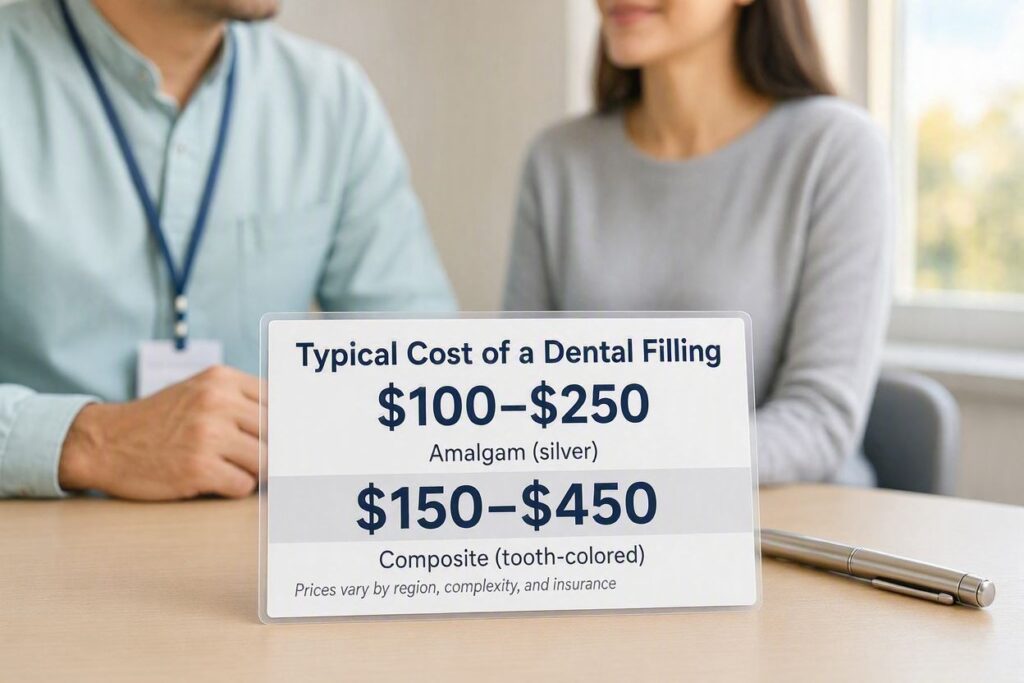
Dental fillings are one of the most common dental procedures in the world. Nearly everyone will need one at some point. Whether it’s a small cavity or a broken tooth, a filling restores your tooth’s function and appearance. But how much does a typical dental filling cost? The answer varies widely, from $50 to $500 or more, depending on the material, the size of the cavity, and where you live.
This guide will break down the typical costs of dental fillings. We’ll cover the different types of fillings, what affects the price, insurance coverage, and practical tips to save money. By the end, you’ll know exactly what to expect—and how to keep your smile healthy without breaking the bank.
What Is a Dental Filling?
A dental filling is a material used to repair a tooth damaged by decay or trauma. Your dentist removes the decayed portion, cleans the area, and fills the cavity with a restorative material. The goal is to stop decay from spreading and restore the tooth’s function.
Fillings are needed for:
- Cavities (tooth decay)
- Cracked or broken teeth
- Worn-down teeth from grinding
- Replacing old, failing fillings
There are several types of filling materials. Each has its own cost, durability, and appearance.
Average Cost of a Dental Filling
Let’s get to the numbers. Here’s what you can expect to pay.
| Type of Filling | Average Cost (US) | Average Cost (UK) | Average Cost (Canada) |
|---|---|---|---|
| Amalgam (Silver) | $50 – $150 | £30 – £80 | CAD $60 – $180 |
| Composite (White) | $90 – $250 | £40 – £120 | CAD $100 – $300 |
| Glass Ionomer | $70 – $200 | £35 – £100 | CAD $80 – $220 |
| Ceramic | $150 – $400 | £100 – £250 | CAD $180 – $450 |
| Inlay/Onlay | $250 – $600 | £150 – £400 | CAD $300 – $700 |
| Temporary Filling | $20 – $50 | £15 – £40 | CAD $25 – $60 |
Note: These prices are per tooth. Multiple fillings cost more. Prices vary by region and clinic.
Types of Dental Fillings and Their Costs
Not all fillings are the same. The material affects the price, durability, and appearance.
Amalgam Fillings
Amalgam is a mix of silver, tin, copper, and mercury. It’s strong and cheap. But it’s silver-colored, so it’s visible. Some people worry about mercury, but studies show it’s safe.
Cost: $50 – $150
Pros: Durable, cheap, long-lasting (10-15 years).
Cons: Visible, contains mercury, can expand over time.
Composite Fillings
Composite is a tooth-colored resin. It blends in with your natural teeth. It’s the most popular choice today.
Cost: $90 – $250
Pros: Natural look, bonds to tooth, less drilling.
Cons: More expensive than amalgam, can stain over time, lasts 5-10 years.
Glass Ionomer Fillings
These are made of acrylic and glass. They release fluoride, which helps prevent decay. They’re often used for children or root surfaces.
Cost: $70 – $200
Pros: Releases fluoride, good for kids, less sensitive.
Cons: Weaker than composite, wears down faster.
Ceramic Fillings
Ceramic fillings are made of porcelain. They’re tooth-colored and very durable. They’re often used for larger cavities.
Cost: $150 – $400
Pros: Natural look, durable, resistant to staining.
Cons: Expensive, can wear down opposing teeth.
Inlays and Onlays
These are custom-made fillings created in a lab. They’re used for larger cavities. Inlays fit inside the tooth; onlays cover one or more cusps.
Cost: $250 – $600
Pros: Very durable, custom-fit, natural look.
Cons: Expensive, requires two visits.
Temporary Fillings
Used as a short-term fix before permanent treatment. They’re not meant to last.
Cost: $20 – $50
Pros: Quick, cheap, relieves pain.
Cons: Temporary, can fall out, not a long-term solution.
What Affects the Cost of a Dental Filling?
Several factors influence the price. Understanding them helps you budget and compare quotes.
Cavity Size and Complexity
A small cavity is quick and easy. A large cavity takes longer, uses more material, and may need additional work. The bigger the problem, the higher the cost.
Number of Surfaces
Dentists charge by the number of tooth surfaces affected. A one-surface filling costs less than a three-surface filling. A filling on the front of a tooth may cost more because it’s more visible and requires careful shaping.
Dentist’s Experience and Reputation
A highly experienced dentist with a great reputation charges more. You’re paying for skill, precision, and a lower risk of complications. A newly qualified dentist may charge less.
Geographic Location
Big cities have higher overhead costs. Rural areas are cheaper.
| Location | Average Composite Filling Cost |
|---|---|
| New York City | $150 – $350 |
| Small town, Midwest | $90 – $180 |
| London, UK | £60 – £120 |
| Rural Canada | CAD $100 – $200 |
Type of Clinic
- Private clinic: Higher fees.
- Dental school: 30% – 50% off.
- Community health center: Sliding scale fees.
- Insurance: May cover part of the cost.
Additional Procedures
Sometimes a filling isn’t enough. You might need:
- Root canal: $400 – $1,200
- Crown: $500 – $1,500
- Extraction: $150 – $500
These add significantly to the total.
Emergency vs. Scheduled
Emergency appointments cost more. If you’re in pain and need immediate care, expect to pay a premium.
Does Insurance Cover Dental Fillings?
It depends on your plan. Here’s what you need to know.
Dental Insurance
Most dental insurance plans cover fillings. But there are limits.
- Coverage percentage: 50% to 80% for fillings.
- Annual maximum: $1,000 to $2,000.
- Waiting periods: Some plans require 6 to 12 months of enrollment.
- Exclusions: Some plans don’t cover composite fillings on back teeth.
Tip: Call your insurance company and ask:
- Is the filling covered?
- What’s my out-of-pocket cost?
- Do I need pre-authorization?
- Is the dentist in-network?
Medicaid
Medicaid covers medically necessary fillings for eligible adults and children. Coverage varies by state.
Medicare
Original Medicare does not cover dental fillings. Medicare Advantage plans may offer dental coverage.
NHS (UK)
NHS dental care covers fillings. In 2025, the Band 2 charge is £70.20. If you’re exempt from NHS charges, it’s free.
Hidden Costs to Watch Out For
The quoted price isn’t always the final price. Watch out for these extras.
X-Rays
Most dentists take an X-ray before treatment. It costs $15 – $50. Some clinics include it; others charge separately.
Anesthesia
Local anesthesia is usually included. But if you need sedation, that’s $100 – $300 extra.
Temporary Filling
If you need a temporary filling before a permanent one, that’s $20 – $50.
Follow-Up Visits
Some clinics charge for follow-up visits. Ask if they’re included.
Replacement Fillings
Fillings don’t last forever. Composite lasts 5-10 years; amalgam lasts 10-15 years. When they fail, you’ll pay again.
Missed Appointment Fees
Some clinics charge $50 – $100 if you miss an appointment without notice.
Important: Always ask for a written treatment plan with a full cost breakdown before you start.
How to Save Money on Dental Fillings
You don’t have to pay full price. Here are practical ways to reduce your costs.
Get Multiple Quotes
Prices vary widely. Call several dentists and compare. Don’t just look at the price—look at what’s included.
Visit a Dental School
Dental schools offer fillings at reduced rates. Students work under supervision. It takes longer, but you can save 30% to 50%.
Use Dental Insurance
If you have dental insurance, use it. It can cover 50% to 80% of the cost.
Ask About Payment Plans
Some clinics offer interest-free payment plans. Ask.
Use FSA or HSA Funds
Flexible Spending Accounts and Health Savings Accounts let you pay with pre-tax dollars. That’s a 20% to 30% savings.
Choose Amalgam Over Composite
Amalgam is cheaper and durable. If the filling is on a back tooth and appearance doesn’t matter, amalgam is a good choice.
Go to a Neighborhood Clinic
Clinics in residential areas often charge less than those in city centers or tourist zones.
Look for Promotions
Some clinics offer discounts for new patients, seniors, or multiple fillings. Ask.
Prevent Cavities
The best way to save money is to avoid cavities. Brush twice a day, floss daily, and see your dentist regularly.
Real Quotes from Real Patients
“I paid $150 for a composite filling in New York. My insurance covered 80%, so I paid $30.” — Michael T., New York, NY
“I went to a dental school in Toronto for a filling. It cost CAD $80 instead of $200. It took longer, but I saved a lot.” — Priya K., Toronto, Canada
“I paid £70.20 for an NHS filling in London. It was quick and easy.” — David M., London, UK
“I had three fillings done at once. The total was $450. My insurance covered half.” — Sarah L., Austin, TX
These stories show that with research and flexibility, you can find affordable options.
Amalgam vs. Composite: Which Is Better?
| Factor | Amalgam | Composite |
|---|---|---|
| Cost | $50 – $150 | $90 – $250 |
| Durability | 10 – 15 years | 5 – 10 years |
| Appearance | Silver | Tooth-colored |
| Strength | Very strong | Good |
| Mercury | Contains mercury | Mercury-free |
| Best For | Back teeth | Front teeth, visible areas |
Note: Composite is more popular today because it looks natural. But amalgam is still a good choice for back teeth if you’re on a budget.
Frequently Asked Questions About Dental Filling Costs
How much does a dental filling cost?
A composite filling costs $90 to $250. Amalgam costs $50 to $150. Inlays and onlays cost more.
Is a filling covered by insurance?
Most dental insurance plans cover fillings at 50% to 80%. Check your policy.
How long does a filling last?
Composite lasts 5 to 10 years. Amalgam lasts 10 to 15 years. Inlays and onlays last 15 to 20 years.
Does a filling hurt?
The procedure is done with local anesthesia, so you won’t feel pain. You may have some sensitivity afterward.
Can I get a filling if I’m pregnant?
Yes, but tell your dentist. They may postpone non-urgent treatment until after the first trimester.
What happens if I don’t get a filling?
Decay spreads. You may need a root canal, crown, or extraction. It’s cheaper to treat it early.
Are there free dental clinics for fillings?
Some community health centers and non-profits offer free or low-cost fillings. Availability is limited.
Can I pay for a filling in installments?
Some clinics offer payment plans. Ask before treatment.
How do I find a dentist for a filling?
Check the American Dental Association (US), General Dental Council (UK), or your provincial dental association (Canada).
What’s the cheapest type of filling?
Amalgam is the cheapest. Composite is more expensive but looks better.
Important Notes for Readers
- Don’t ignore cavities. They won’t go away on their own.
- Get a written estimate. Ask what’s included and what’s not.
- Consider a dental school. You can save 30% to 50%.
- Use your insurance benefits. Many people don’t use their full annual maximum.
- Prevent cavities. Brush, floss, and see your dentist regularly.
Conclusion: A Small Price for a Healthy Tooth
A dental filling costs $50 to $400, depending on the material and size. It’s one of the most common and affordable dental procedures. Insurance, dental schools, and payment plans can reduce your costs. Treating cavities early saves money and pain. Don’t wait—see your dentist today.
Additional Resources
For more information on dental fillings and finding a dentist, visit the American Dental Association at ada.org or the NHS at nhs.uk.