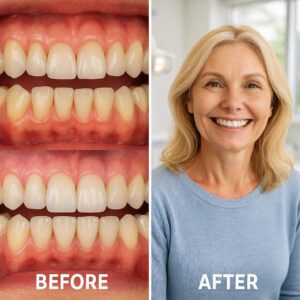
3 on 6 dental implants before and after
Imagine biting into a crisp apple without a second thought. Laughing unreservedly in a group photo, confident in your smile’s brilliance. Enjoying a steak dinner, feeling the natural stability of your teeth with every chew. For millions living with failing teeth, chronic denture discomfort, or the embarrassment of gaps, these simple joys feel like distant memories. The journey from dental despair to renewed confidence is profound, and today, modern implant dentistry offers a bridge more stable and lifelike than ever before. At the forefront of this revolution is the 3-on-6 dental implant technique—a sophisticated, permanent solution that has redefined full-arch restoration. This exclusive, in-depth guide will walk you through every facet of the 3-on-6 experience: the challenging “before,” the intricate process, and the transformative “after.” Whether you are in Trenton, Newark, or the Jersey Shore, understanding this procedure is the first step toward reclaiming not just your smile, but your quality of life.
2. What Are 3-on-6 Dental Implants? Demystifying the Concept
The “3-on-6” terminology is elegantly descriptive. It refers to a full-arch dental prosthesis (for either the upper or lower jaw) that is supported by six precisely placed dental implants. These six titanium implant posts, which fuse with your jawbone in a process called osseointegration, act as the foundational pillars. Attached to these implants are three individual bridges, each spanning a section of the arch. Typically, this means a bridge for the left posterior segment, one for the front six teeth, and one for the right posterior segment. This design is a significant evolution from older concepts.
Why Six Implants? While protocols like All-on-4® utilize four implants at strategic angles, the 3-on-6 approach uses two additional implants. This provides a biomechanical advantage: superior force distribution. The bite force is shared across more supports, reducing stress on any single implant and the underlying bone. This often allows for the use of stronger, more aesthetic materials like zirconia for the final prosthesis, as the support system can handle the material’s properties. It is particularly beneficial for patients with denser bone quality or those who desire the ultimate in stability and material choice.
The Prosthesis Itself: The final “3” bridges are custom-crafted from high-performance materials—often monolithic zirconia or porcelain-fused-to-zirconia. These materials are chosen for their incredible strength, chip resistance, and ability to mimic the translucency and vitality of natural tooth enamel. The bridges are permanently fixed onto the implant abutments and can only be removed by a dentist, offering a truly “fixed” tooth replacement feel, as opposed to a removable appliance.
3. The Profound “Before”: Life with Failing Teeth or Dentures
The decision to pursue 3-on-6 implants is seldom made on a whim. It is usually the culmination of a long, often painful struggle. Understanding this “before” state is crucial to appreciating the “after.”
-
Physical Discomfort and Pain: Decaying teeth cause persistent toothaches, gum infections (abscesses), and sensitivity. Ill-fitting dentures create painful sore spots, gum inflammation, and can even cause bone loss due to uneven pressure.
-
Functional Limitations: Diet becomes severely restricted. Crunchy vegetables, chewy meats, nuts, and sticky candies become forbidden. Nutrition suffers as individuals shift to soft, often carbohydrate-heavy foods. Dentures can slip or rock during chewing and speaking, making both activities a challenge.
-
Speech Impediments: Missing teeth or bulky dentures alter tongue placement, leading to whistling, lisping, or a muffled speech quality that undermines professional and personal communication.
-
Aesthetic and Psychological Toll: The smile deteriorates—teeth may be discolored, broken, or missing entirely. Facial collapse due to bone loss can make a person look prematurely aged, with thinning lips and a sunken jawline. This leads to profound self-consciousness, social anxiety, and a loss of self-esteem. Many report avoiding smiling, laughing, or social gatherings altogether.
-
The Denture Cycle: Removable dentures require messy adhesives, constant cleaning, and the fear of a public embarrassment if they become dislodged. They do not halt jawbone deterioration; they can accelerate it.
4. Are You a Candidate? A Thorough Self-Assessment and Professional Evaluation
Ideal candidates for 3-on-6 implants share common characteristics, but a professional evaluation is non-negotiable.
Potential Candidate Traits:
-
Missing all or most teeth in one or both arches.
-
Have failing teeth that are non-restorable (e.g., due to advanced decay, fracture, or severe gum disease).
-
Wear an unstable, uncomfortable removable denture.
-
Have sufficient jawbone density to support six implants, or be a candidate for bone grafting.
-
Be in good general health (uncontrolled diabetes, autoimmune diseases, or heavy smoking can complicate healing).
-
Have realistic expectations and understand the commitment to oral hygiene and long-term care.
The Professional Diagnostic Workup: This is a multi-step process:
-
Comprehensive Exam: Review of medical/dental history, oral cancer screening, and assessment of gum health.
-
Advanced 3D Imaging: A Cone Beam CT (CBCT) scan is the gold standard. It provides a precise, three-dimensional map of your jawbone, revealing bone height, width, density, and the exact location of vital structures like nerves and sinuses.
-
Digital Smile Design (DSD): Using photos and impressions, your team can digitally preview the proposed aesthetic outcome, planning for lip support, smile line, and tooth shape and color.
5. The Detailed Surgical Journey: From Planning to Final Restoration
The transformation is methodical and planned to the micron.
Phase 1: Collaborative Treatment Planning
Using the CBCT data and digital models, the surgical and restorative team plans the exact size, angle, and position of all six implants using specialized software. A surgical guide is often 3D-printed to ensure the plan is executed with precision during surgery, minimizing invasiveness and improving outcomes.
Phase 2: The Surgical Procedure
Surgery is typically performed under IV sedation or deep conscious sedation for complete patient comfort.
-
Tooth Extractions (if needed): Any remaining failing teeth are removed atraumatically.
-
Implant Placement: Using the surgical guide, the surgeon makes minimal incisions and prepares the bone sites. The six titanium implants are then threaded into their pre-determined positions. In many cases, if primary stability is achieved, the team can attach a temporary fixed prosthesis on the same day—the “Teeth in a Day” protocol.
-
Healing and Osseointegration: Over the next 3-6 months, the jawbone biologically fuses with the implants, creating a rock-solid foundation. The patient wears a temporary bridge during this time.
Phase 3: The Final Restoration
After healing is confirmed:
-
Impressions or digital scans are taken of the implant positions.
-
A master dental technician, in close consultation with your dentist, crafts the three permanent zirconia bridges.
-
At the final appointment, the temporary bridge is removed, and the custom-crafted, permanent bridges are attached with titanium screws (screw-retained), ensuring exceptional strength and retrievability for maintenance.
6. The Stunning “After”: Life-Changing Results and Benefits
The “after” is a renaissance of form and function.
-
Aesthetic Transformation: The prosthesis is designed to replicate the natural contours, color, and character of a healthy, vibrant smile. It supports the facial muscles, restoring a more youthful facial structure.
-
Unparalleled Function: Bite force is restored to near-natural levels. Patients can return to a normal, healthy diet without restrictions. The bridges do not move, allowing for confident chewing and clear speech.
-
Preservation of Jawbone: The implants provide the necessary stimulation to the jawbone, halting and preventing the resorption that occurs with tooth loss and traditional dentures.
-
Hygienic Design: The “3-piece” design often creates accessible spaces between the bridges, allowing for easier flossing and cleaning around the implant supports compared to a one-piece full-arch prosthesis.
-
Psychological Revival: The restoration of a confident smile and the ability to eat and speak normally leads to dramatic improvements in self-esteem, social interaction, and overall mental well-being.
7. Realistic Timeline: From First Consultation to Final Smile
| Phase | Activity | Estimated Timeframe | Key Notes |
|---|---|---|---|
| 1. Planning | Consultations, Imaging, Treatment Plan | 2-4 Weeks | Most critical phase for success. |
| 2. Surgery | Extractions, Implant Placement, Temp Bridge | 1 Day (Surgery) | “Teeth in a Day” concept applied. |
| 3. Healing | Osseointegration & Soft Tissue Maturation | 3-6 Months | Wearing a temporary prosthesis. |
| 4. Final | Fabrication & Placement of Permanent Bridges | 3-6 Weeks | Precision lab work required. |
| 5. Maintenance | Lifelong Care with Professional Check-ups | Forever | Essential for long-term success. |
8. Cost Analysis, Insurance, and Financing in New Jersey
The investment for a 3-on-6 procedure in New Jersey is significant, reflecting the expertise, technology, and high-quality materials involved. As of 2025, a single arch typically ranges from $25,000 to $45,000+. This comprehensive fee usually includes extractions, implants, the surgical guide, temporary prosthesis, final zirconia bridges, and all related appointments.
-
Dental Insurance: Traditional insurance rarely covers the full cost. There may be partial coverage for extractions, the temporary prosthesis, or implant components under major restorative benefits. A pre-determination of benefits is highly recommended.
-
Medical Insurance: In some cases, if tooth loss is due to a traumatic accident or a qualifying medical condition, a portion of the surgery may be covered.
-
Financing: Most premier implant practices partner with third-party healthcare financiers (like CareCredit, Prosper Healthcare Lending) to offer low-interest or interest-free payment plans, making the treatment more accessible.
9. Critical Aftercare and Long-Term Maintenance
Permanent does not mean maintenance-free. Long-term success depends on meticulous care.
-
Home Care: Use of specialized tools is crucial: soft-bristled brushes, low-abrasive toothpaste, water flossers, and super floss/threaders to clean around the implant abutments under the bridges.
-
Professional Maintenance: Biannual (or more frequent) professional cleanings and check-ups are mandatory. The hygienist will use plastic or titanium instruments to clean the implants without scratching them and assess the health of the surrounding gums and bone via X-rays and probing.
10. Risks, Complications, and How to Mitigate Them
As with any major surgery, risks exist but are minimized with proper planning and care.
-
Surgical Risks: Infection, bleeding, nerve injury (temporary or permanent numbness), sinus involvement (upper jaw). Mitigated by 3D planning and an experienced surgeon.
-
Biological Complications: Peri-implantitis (an inflammatory disease affecting the tissues around the implant, similar to gum disease). Prevented by impeccable oral hygiene and smoking cessation.
-
Technical Complications: Rare screw loosening or prosthetic material fracture. Addressed by using high-quality components and ensuring proper occlusion (bite) balance.
11. 3-on-6 vs. All-on-4® vs. Traditional Dentures: A Comparative Analysis
| Feature | 3-on-6 Dental Implants | All-on-4® Dental Implants | Traditional Complete Dentures |
|---|---|---|---|
| Support | 6 Implants per Arch | 4-6 Implants (angled posterior) | Rests on Gums |
| Stability | Excellent – Fixed, Non-removable | Very Good – Fixed, Non-removable | Poor – Removable, Requires Adhesives |
| Bone Loss | Prevents & Halts Bone Loss | Prevents & Halts Bone Loss | Accelerates Bone Loss Over Time |
| Bite Force | Near-Natural (80%+) | High (70%+) | Very Low (10-20%) |
| Aesthetics | Exceptional – Highly Customizable | Very Good – Customizable | Variable – Can Look Artificial |
| Hygiene | Requires Specialized Cleaning | Requires Specialized Cleaning | Removable for Cleaning |
| Upfront Cost | Highest | High | Lowest |
| Long-Term Value | Very High (Durability, Health) | High | Low (Frequent Replacements, Relines) |
12. The Psychological and Social Impact: More Than Just Teeth
The impact transcends the physical. Patients consistently report a “rebirth” of confidence. The mental energy once spent hiding their mouth or worrying about denture slippage is freed. Social withdrawal reverses; they dine out, accept speaking opportunities, and smile openly in photos. The procedure often marks a turning point, improving overall life satisfaction and interpersonal relationships.
13. Choosing the Right Implantologist in New Jersey: A Step-by-Step Guide
Your success hinges on your team. Look for:
-
Credentials & Specialization: Seek a board-certified prosthodontist or oral surgeon, or a general dentist with extensive, documented implant training (e.g., fellowships from the AAID or ICOI).
-
Technology: The practice must have in-house CBCT and digital planning capabilities.
-
Portfolio & Testimonials: Review extensive before/after galleries and patient video testimonials.
-
Team Approach: Ensure a collaborative approach between the surgeon who places the implants and the restorative dentist who makes the teeth.
-
Comprehensive Consultation: They should spend time understanding your goals, explain all options without pressure, and provide a clear, written financial plan.
-
Facility & Staff: A modern, clean, and welcoming practice with a compassionate staff is indicative of the overall patient experience.
Choose from the links below to find a Free Dental Clinics in New Jersey *(Note: While 3-on-6 treatment is a premium service not typically offered at free clinics, these resources may provide initial consultations, emergency dental care, or referrals to low-cost specialist networks. University dental schools, like Rutgers School of Dental Medicine, often provide advanced procedures at reduced costs through their post-graduate clinics.)*
14. Conclusion: A Lasting Investment in Yourself
The journey with 3-on-6 dental implants is a profound commitment that yields transformative rewards. It moves beyond mere tooth replacement to fully rehabilitate oral health, facial aesthetics, and personal confidence. By choosing this advanced, permanent solution and partnering with a skilled New Jersey implant team, you are not just rebuilding a smile—you are investing in a future of health, function, and the freedom to live life without dental limitations.
15. Frequently Asked Questions (FAQs)
Q: How painful is the 3-on-6 procedure?
A: During surgery, you are under sedation and feel no pain. Post-operative discomfort is managed effectively with prescribed medications and typically subsides within a few days to a week. Most patients report the discomfort is less than expected.
Q: How long do 3-on-6 implants last?
A: With proper care and maintenance, the titanium implants can last a lifetime. The zirconia bridges are extremely durable but may require repair or replacement due to wear over many decades, much like natural teeth.
Q: Can the bridges be removed?
A: They are permanently fixed (fixed-detachable). They are screwed in and can only be removed by your dentist during maintenance appointments, which is an advantage for professional cleaning and inspection.
Q: What if I don’t have enough bone?
A: Bone grafting procedures (sinus lifts, ridge augmentations) are common and highly successful. Your surgeon will determine the best method to create a suitable foundation for the implants during your planning phase.
Q: Is the “Teeth in a Day” promise real with 3-on-6?
A: Yes, in many cases. A temporary, fixed prosthesis is attached on the same day as surgery. You leave with a complete, functional smile while the implants heal underneath.
16. Additional Resources
-
American College of Prosthodontists (ACP): Patient education on tooth replacement options. https://www.gotoapro.org/
-
International Congress of Oral Implantologists (ICOI): Find a credentialed implant dentist and access educational materials. https://www.icoi.org/
-
Rutgers School of Dental Medicine: For those seeking care in a teaching environment, which can offer reduced fees. https://sdm.rutgers.edu/
-
National Institute of Dental and Craniofacial Research (NIDCR): Information on dental implants and oral health. https://www.nidcr.nih.gov/