
A complete guide to the average cost of dental retainers
- On
- InDENTAL
You’ve finally reached the finish line after months or years of orthodontic treatment. Your braces are off, and your smile is perfect. But your orthodontist hands you a retainer and explains it’s the key to keeping your teeth in their new positions. Then comes the inevitable question: how much does this cost?
The average cost of a dental retainer isn’t a single number. It’s a range influenced by a tapestry of factors—from the type of retainer you choose to where you live and the expertise of your provider. This guide is designed to unravel that complexity. We’ll walk you through every detail, from basic price points to hidden fees, ensuring you can make a confident, informed decision about this crucial investment in your long-term oral health.
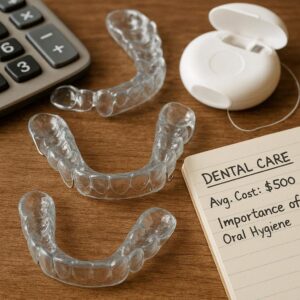
Table of Contents
ToggleWhy Your Retainer is Non-Negotiable: More Than Just a Plastic Tray
Before we talk numbers, it’s vital to understand what you’re paying for. A retainer isn’t an optional accessory; it’s a mandatory part of any successful orthodontic treatment.
“Think of your teeth as being set in freshly poured concrete,” says Dr. Anya Sharma, a board-certified orthodontist. “For the first several months after braces, that ‘concrete’—your bones and ligaments—is still hardening around the new tooth positions. Without a retainer to hold them steady, they will drift back, a process called relapse. Your investment in a straight smile can literally unravel.”
This phase, known as retention, is what locks in your results for life. The cost of a retainer, therefore, isn’t just for a piece of plastic or wire; it’s for the long-term security of your orthodontic outcome. Skipping it to save money almost always leads to much higher costs for re-treatment later.
Breaking Down the Average Cost of Dental Retainer Types
The single biggest factor affecting price is the type of retainer you get. Each has distinct advantages, disadvantages, and price points.
1. Essix (Clear Plastic) Retainers
-
Average Cost Range: $150 – $400 per arch (upper or lower)
-
How They Work: These are vacuum-formed or pressure-formed from clear plastic sheets, creating a nearly invisible tray that fits snugly over your teeth.
-
Pros: Excellent aesthetics, relatively inexpensive to produce, comfortable with no metal wires.
-
Cons: Can wear out, crack, or become discolored over time (typically lasting 1-3 years); may affect speech slightly initially; not as durable for heavy grinders.
2. Hawley (Acrylic and Wire) Retainers
-
Average Cost Range: $350 – $600 per arch
-
How They Work: The classic retainer with a pink acrylic base that sits against the roof of the mouth or behind lower teeth, and a custom-bent wire that wraps around the front teeth.
-
Pros: Extremely durable and long-lasting (can last 5-10 years or more with care); allows for minor tooth movement adjustments by the orthodontist; less likely to warp.
-
Cons: More visible due to the wire; the acrylic can feel bulky; the wire can break.
3. Fixed or Permanent (Bonded) Retainers
-
Average Cost Range: $250 – $600 per arch
-
How They Work: A thin, custom-shaped wire is permanently bonded with dental cement to the back surfaces of your teeth, usually the lower front six teeth.
-
Pros: Provides 24/7 retention without you having to remember to wear it; completely invisible from the front.
-
Cons: Can make flossing more challenging (requires special tools like floss threaders); must be checked periodically for bond failure; not suitable for all patients or all teeth.
4. Vivera® and Other Premium Clear Retainers
-
Average Cost Range: $500 – $800+ for a set of multiple trays
-
How They Work: A brand-name, proprietary type of clear retainer made from a more durable plastic using digital scanning and milling technology. Often sold in multi-pack sets (e.g., 3-4 sets of trays).
-
Pros: Superior material clarity and durability compared to standard Essix retainers; computer-designed for a precise fit; having multiple sets provides built-in replacements.
-
Cons: The most expensive removable option; still subject to loss or damage like any removable appliance.
Comparative Retainer Cost Table
| Retainer Type | Avg. Cost Per Arch (Low) | Avg. Cost Per Arch (High) | Key Advantage | Key Consideration |
|---|---|---|---|---|
| Essix (Clear) | $150 | $400 | Best Aesthetics | Needs replacement every 1-3 years |
| Hawley | $350 | $600 | Maximum Durability | More visible, can feel bulky |
| Fixed/Bonded | $250 | $600 | 24/7, “Forget-It” Retention | Makes flossing more difficult |
| Premium (Vivera) | $500 (set) | $800+ (set) | Precision Fit & Multi-Pack | Highest upfront cost for removable |
What Truly Drives the Price? Factors Beyond the Type
Understanding the “why” behind the cost helps you evaluate quotes. Here are the core factors:
1. Geographic Location: Just like the cost of living, dental and orthodontic fees vary dramatically by region. An orthodontist in a major metropolitan area (e.g., New York City, San Francisco) will almost always have higher overhead and fees than one in a rural or suburban setting.
2. Provider Expertise and Practice Type:
-
Orthodontist Specialist: An orthodontist is a dentist with 2-3 additional years of specialized residency training. Their fees for retainers often reflect this advanced expertise in tooth movement and retention planning.
-
General Dentist: Many general dentists offer retainers, often at a slightly lower cost. This can be a great option for simple cases, but complex cases may benefit from a specialist’s eye.
3. Laboratory Fees & Materials: The retainer isn’t made in the back room. Impressions or digital scans are sent to a specialized dental lab. Higher-quality labs using better materials and skilled technicians charge more, which is passed on to you.
4. The Initial Consultation and Fitting: The price usually includes the visit for taking impressions/scans and the follow-up appointment to deliver the retainer, make adjustments, and provide care instructions. These professional services are part of the fee.
5. Complexity of Your Case: A simple, straightforward case will cost less than one where teeth are prone to severe relapse or require a very specific, customized retention strategy.
The Hidden Costs of Retainer Ownership
The initial purchase price is just the beginning. Responsible retainer ownership involves planning for ongoing costs.
-
Replacement Costs: This is the biggest “hidden” cost. Whether you lose it, your dog eats it, or it simply wears out, you will likely need a replacement. Budget $150-$800 for a future replacement, depending on the type.
-
Repair Costs: A Hawley wire can be recemented or rebent for $50-$150. Fixed retainers can be re-bonded if a section comes loose.
-
Specialized Cleaning Products: While mild soap and water are often fine, you may invest in retainer cleaning tablets or ultrasonic cleaners ($20-$80).
-
Adjustment Visits: Minor adjustments for comfort are often free shortly after delivery, but some practices may charge a small fee for visits years later.
Important Note: Always ask your provider for a detailed, written cost breakdown. It should specify the retainer type, the number of arches, any follow-up adjustment visits included, and the warranty or replacement policy. A clear agreement prevents surprises.
Navigating Insurance and Payment for Your Retainer
Dental Insurance: This is where many patients get confused. Most dental insurance plans classify retainers as a prosthetic device.
-
Coverage: It’s common for insurance to cover 50% of the cost, but this is subject to your plan’s “prosthetic” allowance and your annual maximum.
-
Timing is Key: Insurance may only cover a retainer within a certain period (e.g., 12 months) after active orthodontic treatment ends. Always get a pre-treatment estimate from your insurance company.
-
Medical Insurance: In rare cases, if orthodontics were covered due to a medical condition (like severe TMJ), retention might also be covered. This is exceptional.
Payment Options and Plans:
-
Flexible Spending Accounts (FSA) / Health Savings Accounts (HSA): Retainers are almost always eligible expenses. Use these pre-tax dollars to save significantly.
-
In-Office Payment Plans: Many orthodontic offices offer interest-free monthly payment plans, making the cost more manageable.
-
Third-Party Financing: Companies like CareCredit® offer medical credit cards with promotional no-interest periods if paid in full.
Making the Smart Choice: How to Select Your Retainer
Choosing a retainer is a balance of cost, lifestyle, and clinical need. Ask yourself these questions:
-
What is my primary concern? If it’s invisibility, clear or fixed retainers win. If it’s durability and adjustability, Hawley is a champion.
-
How responsible am I? If you’re prone to losing things, a fixed retainer provides safety, while a multi-pack of Vivera retainers offers built-in backups.
-
What does my orthodontist recommend for my specific teeth? They understand your case’s relapse risk. Often, a combination is used (e.g., a fixed retainer on the lower arch and a clear removable one for the upper).
The Most Common & Cost-Effective Strategy: Many orthodontists recommend a fixed retainer on the lower front teeth (which are most prone to crowding relapse) paired with a clear removable retainer for the upper arch. This provides excellent, worry-free retention on the bottom and invisible retention on the top, often at a mid-range total cost.
Your Retainer Care Bible: Protecting Your Investment
A well-cared-for retainer lasts longer, saving you money.
Daily Care Checklist:
-
Brush it gently with a soft toothbrush and cool water. Avoid toothpaste, which can be abrasive.
-
Soak it daily using a denture cleaner or retainer-specific cleaning tablet to kill bacteria and prevent odor.
-
Always store it in its protective case when not in your mouth. Most retainers are lost because they’re wrapped in a napkin.
-
Keep it away from heat (hot water, car dashboards, pockets) to prevent warping.
What to Avoid:
-
Colored or hot drinks while wearing clear retainers.
-
Using harsh chemicals like bleach or vinegar.
-
Letting it dry out, which can lead to cracking.
Conclusion
The average cost of a dental retainer is a personalized calculation, typically ranging from $150 to over $800, shaped by the type you select, your location, and your provider’s expertise. This investment, while sometimes unexpected, is essential for preserving the results of your orthodontic journey. By understanding the factors behind the price, planning for long-term care and potential replacements, and leveraging insurance or payment options, you can secure your straight smile with confidence and clarity for years to come.
Frequently Asked Questions (FAQ)
Q: Is one retainer type better than the others?
A: There’s no universal “best.” It depends on your clinical needs, lifestyle, and budget. Hawley retainers are known for durability, Essix for aesthetics, and fixed retainers for providing constant, forget-proof retention. Your orthodontist will recommend the best type for your specific situation.
Q: How often will I need to replace my removable retainer?
A: With excellent care, a Hawley retainer can last 5-10 years. A standard clear Essix retainer typically lasts 1-3 years before it becomes too worn, discolored, or loose. Premium clear retainers like Vivera, often provided in multi-packs, can extend the replacement timeline as you cycle through the sets.
Q: Does dental insurance cover the cost of a replacement retainer if I lose it?
A: Usually, yes—but with the same limitations as the first one. It will typically cover 50% of the replacement cost, subject to your annual maximum and the timing rules of your plan. Some plans may limit the number of replacements within a certain period.
Q: Can I get a retainer online or from a third-party cheaper?
A: While direct-to-consumer impression kits exist, they come with significant risks. A retainer is a medical device. Without professional supervision, a poorly fitted retainer can apply harmful pressure, causing tooth damage, bite problems, or jaw pain. The oversight of a dentist or orthodontist is a critical part of the value and safety you pay for.
Q: How long do I need to wear my retainer full-time?
A: Protocols vary, but a common schedule is: Full-time wear (22+ hours/day) for the first 3-6 months, then transitioning to nighttime-only wear indefinitely. Your orthodontist will give you a personalized schedule. Remember, “indefinitely” means for as long as you want to keep your teeth straight.
Additional Resources
-
American Association of Orthodontists (AAO) – Retainer Guide: Visit the AAO’s public website (www.aaoinfo.org) for trusted, patient-friendly information on retention and retainer care directly from orthodontic specialists.
-
Your Dental Insurance Provider: Log into your insurer’s member portal or call the number on your card. They can explain your specific coverage for “fixed or removable prosthetic devices” and help you understand your benefits.
-
Consumer Guide to Orthodontics: This free downloadable PDF from the AAO offers a broader overview of orthodontic treatment, including the retention phase, to help you be an informed patient from start to finish.
Disclaimer: This article is for informational purposes only and does not constitute professional medical or financial advice. Retainer costs and insurance coverage vary widely. Always consult with your licensed orthodontist or dentist for treatment recommendations and obtain detailed cost and insurance information directly from your provider and insurer.

dentalecostsmile
Newsletter Updates
Enter your email address below and subscribe to our newsletter


