The Realistic Guide to $500 Dental Crowns: What You Need to Know
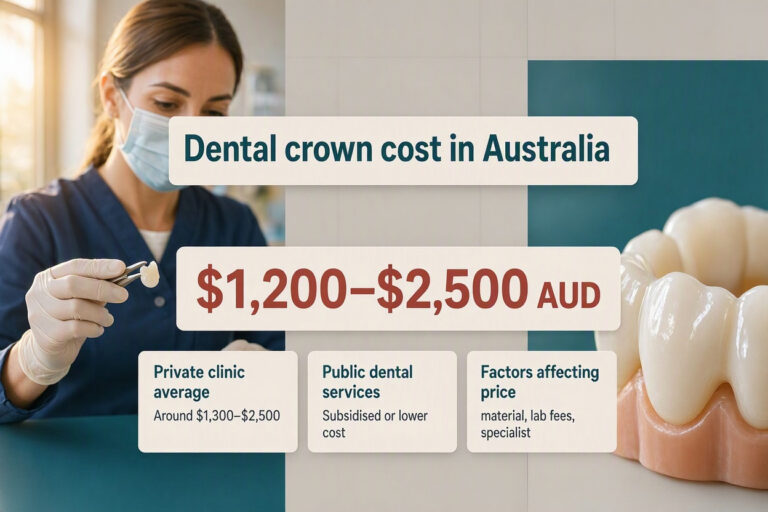
If you’ve been told you need a dental crown and are researching costs, you’ve likely seen ads or search results promising crowns for around $500. It’s a figure that stands out, especially when compared to national averages that can range from $1,000 to $2,500 per tooth. This guide will cut through the confusion. We’ll explore what a $500 dental crown truly entails, the different types available at various price points, and the critical questions you need to ask to ensure you’re making a wise decision for your long-term oral health.
Our goal is not to promote the cheapest option, but to empower you with honest, realistic information. A dental crown is an investment in your health, functionality, and confidence. Understanding the nuances behind the price tag is the first step toward a successful outcome you can smile about for years to come.
Understanding Dental Crowns: More Than Just a Cap
A dental crown, sometimes called a “cap,” is a custom-made restoration that completely covers a damaged tooth. Think of it as a durable, tooth-shaped helmet that strengthens and protects what’s left of your natural tooth structure. Dentists recommend crowns for a variety of reasons:
-
To restore a broken, cracked, or severely worn tooth.
-
To protect a tooth after a large filling or root canal treatment.
-
To cover a dental implant.
-
To improve the appearance of a misshapen or discolored tooth.
The process typically involves two appointments. First, the dentist prepares the tooth, taking impressions for the dental lab. You’ll leave with a temporary crown. At the second visit, the permanent crown is carefully fitted, adjusted, and cemented into place.
The National Cost Landscape: Why is $500 Notable?
To understand why a $500 crown grabs attention, we must look at the broader cost picture. According to data from the American Dental Association and major dental insurance companies, the national average cost for a dental crown without insurance falls between $1,000 and $2,500. This wide range depends heavily on the material used and geographic location.
A crown advertised at $500 is significantly below this average. This doesn’t automatically mean it’s a bad deal or too good to be true, but it does require careful scrutiny. It’s essential to ask, “What is included in this price?” and “What are the potential trade-offs?”
Comparative Table: Average Crown Cost by Material
| Crown Material | Average Cost Range (Per Tooth) | Key Characteristics |
|---|---|---|
| All-Metal (e.g., Gold Alloy) | $1,000 – $2,500+ | Extremely durable, biocompatible, but metallic color. |
| Porcelain-Fused-to-Metal (PFM) | $900 – $1,500 | Strong, good aesthetics, but can show a dark gum line. |
| All-Ceramic / All-Porcelain | $1,000 – $2,500 | Best natural aesthetics, metal-free, great for front teeth. |
| Zirconia | $1,000 – $2,300 | Exceptional strength & good aesthetics, suitable for all teeth. |
| Composite Resin | $600 – $1,200 | Least expensive, can be repaired easily, but stains and wears faster. |
| “Budget” Lab-Made Crown | $500 – $800 | Often a PFM or resin crown from a discounted lab; variable quality. |
Decoding the $500 Dental Crown: What’s Realistic?
When you encounter a flat fee of $500 for a crown, it’s crucial to look beyond the headline. Here’s what this price point realistically often includes—and what it might not.
What This Price Typically Covers
-
The Crown Itself: At this price, the crown material is almost certainly porcelain-fused-to-metal (PFM) or a composite/resin crown from a lower-cost dental laboratory. These materials have lower lab fees for the dentist.
-
Basic Laboratory Fees: The crown will be fabricated at a lab that offers competitive pricing, sometimes overseas.
-
The Dentist’s Fee for Placement: This covers the two appointments for preparation and cementation.
Critical Questions to Ask About a $500 Crown Offer
-
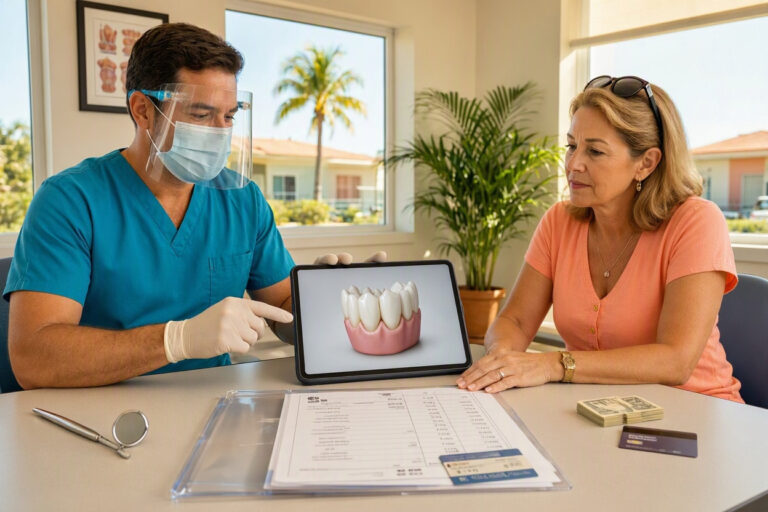
Is this the “all-in” price? Always verify if the quoted $500 includes all necessary procedures: the initial exam, X-rays, the build-up (if the tooth needs extra structure), the anesthesia, the temporary crown, and the final cementation. Sometimes the advertised price is just for the lab crown, and other fees are added.
-
What material is the crown made from? Specifically ask: “Is this a PFM, resin, or another type of crown?” Get the exact material in writing.
-
Who is the dental lab? While you may not know lab names, a reputable dentist should be willing to discuss the quality and source of their lab work.
-
Does the dentist offer a warranty? What is covered if the crown chips, cracks, or comes loose within a year or two? A strong warranty can indicate confidence in the work.
A Note on Value: “I always advise my patients that the true cost of a dental crown isn’t just the fee on the day. It’s the years of service it provides. A slightly higher initial investment in a quality material and expert placement can prevent costly repairs or replacements down the road.” – Dr. Sarah Chen, DDS, Prosthodontist
Key Factors That Influence the Cost of a Crown
The final price you pay is a sum of many parts. Understanding these factors helps explain price variations.
-
Material Cost: This is the biggest driver. All-ceramic and zirconia crowns use more expensive materials and require advanced lab technology, raising the cost. PFM and resin are less expensive.
-
Dental Laboratory Fees: Labs charge dentists for their work. A skilled, local ceramist crafting a lifelike all-ceramic crown charges more than a high-volume lab producing basic PFM crowns.
-
Dentist’s Expertise & Location: A specialist (prosthodontist) or a dentist in a high-cost urban area will have higher overhead and fees than a general dentist in a suburban or rural practice.
-
Case Complexity: Is a simple crown on a molar, or does the tooth require a post, core build-up, or gum treatment first? Complex prep work adds to the cost.
-
Dental Insurance: If you have insurance, your out-of-pocket cost will be your plan’s co-payment (often 50% for major procedures) after your deductible, up to your annual maximum.
How to Find Quality Dental Care at Various Price Points
Finding a good balance between cost and quality is possible. Here are strategic ways to approach your search:
1. Dental Insurance & Discount Plans
-
Insurance: Use your in-network benefits. Your co-pay for a crown could realistically bring your cost to the $500-$800 range.
-
Dental Discount Plans: These are not insurance but offer pre-negotiated discounts (e.g., 20-50% off) at member dentists. An annual fee ($100-$200) might secure a significant discount on a crown.
2. Dental Schools
Accredited dental schools offer treatment provided by supervised students at a fraction of private practice costs. Procedures take longer but are thoroughly checked by experienced faculty. A crown at a school clinic can very well fall into the $500-$800 range.
3. Community Health Centers & FQHCs
Federally Qualified Health Centers provide sliding-scale fees based on your income. They are an excellent resource for affordable, essential dental care.
4. Negotiating with Your Dentist
-
Ask about paying in cash for a possible discount.
-
Inquire about an in-office membership plan for uninsured patients, which often covers preventive care and offers discounts on major work.
-
Discuss phased treatment if you need multiple crowns, spacing them out over time.
-
Get a detailed written estimate before any work begins.
Important Considerations & Potential Risks
Choosing a dental crown based solely on the lowest price carries inherent risks that can lead to higher long-term costs and frustration.
The Risk of “Dental Tourism”
Some patients consider traveling abroad for drastically cheaper crowns. While savings can be substantial, this introduces significant risks:
-
Lack of continuity of care for adjustments or repairs.
-
Variable and unverifiable material quality and lab standards.
-
Difficulty pursuing legal recourse if problems arise.
-
The total cost of travel must be factored in.
Warning Signs to Watch For
-
Pressure to Upsell: A $500 crown quote that quickly escalates after the exam.
-
Lack of Transparency: Unwillingness to provide details on materials, lab, or a written treatment plan.
-
Too Fast, Too Cheap: Crowns made “same-day” with ultra-low prices may use the cheapest materials and cutting corners on fit.
Patient Safety Note: Always ensure any dental practice you visit follows strict infection control protocols (sterilized instruments, glove use, etc.). Your health is paramount.
Making Your Final Decision: A Checklist
Before you commit to any crown procedure, use this checklist:
-
I have received a written, itemized treatment plan with the total cost.
-
I know the exact material of the proposed crown and its pros/cons.
-
I understand what is and is NOT included in the quoted price.
-
I have asked about the warranty or guarantee on the work.
-
I have considered my long-term oral health goals, not just short-term savings.
-
I feel comfortable with the dentist and trust their communication.
Conclusion
Navigating the world of $500 dental crowns requires a blend of cautious optimism and informed skepticism. While this price point is often achievable with specific materials like PFM or through insurance co-pays, it’s crucial to verify what the quote includes and the quality of care provided. The best decision balances upfront cost with long-term durability, functionality, and aesthetics, ensuring your investment protects your smile for years to come.
Frequently Asked Questions (FAQ)
Q: Is a $500 dental crown good quality?
A: It can be adequate, depending on the material and context. A $500 PFM crown covered by insurance on a back molar may be a good solution. However, a $500 all-ceramic crown is highly unusual and may indicate lower-quality materials or lab work. Always ask for specifics.
Q: How long will a $500 crown last?
A: The lifespan depends more on the material and your oral hygiene than the price alone. A well-fitted PFM crown can last 10-15 years or more with proper care. A resin crown at this price may need replacement sooner (5-8 years).
Q: Can I get a front tooth crown for $500?
A: It is very unlikely to get a high-aesthetic, natural-looking front tooth crown (which requires all-ceramic or zirconia) for $500. Front teeth demand the best aesthetics, and cheaper materials like PFM can appear opaque or show a dark line at the gum.
Q: Does dental insurance cover crowns?
A: Yes, most dental insurance plans classify crowns as a “major procedure,” typically covering 50% of the cost after you meet your annual deductible, up to your plan’s maximum. Your out-of-pocket cost could then be in the $500 range.
Q: What are the cheapest types of dental crowns?
A: The least expensive types are generally stainless steel (used primarily on baby teeth), composite resin, and certain porcelain-fused-to-metal (PFM) crowns from budget labs.
Additional Resources
-
American Dental Association (ADA) – Find-a-Dentist: Use the ADA’s verified tool to search for dentists in your area. https://findadentist.ada.org/
-
Health Resources & Services Administration (HRSA): Find a Federally Qualified Health Center (FQHC) near you that offers sliding-scale dental care. https://findahealthcenter.hrsa.gov/
-
Commission on Dental Accreditation (CODA): Locate an accredited dental school clinic for low-cost, supervised care. https://www.ada.org/en/coda
Disclaimer: This article is for informational purposes only and does not constitute professional medical advice. Always consult with a licensed dentist for diagnosis and treatment of your specific dental condition. Treatment options and costs vary by individual case and geographic location.
Date: January 05, 2026
Author: The Editorial Team at Sage Dental Health Guide