EMAX Dental Crowns Cost: Your Complete Guide to Pricing and Value
Navigating the world of dental restorations can feel overwhelming, especially when it comes to understanding costs. You’ve likely heard about EMAX crowns, renowned for their strength and stunning aesthetics, and your first question is almost always, “How much will this cost per tooth?” It’s a smart question, as being informed is the first step to making a confident decision about your oral health.
Unlike a simple product with a fixed price tag, the cost of an EMAX crown is influenced by a tapestry of factors—your geographic location, the dentist’s expertise, the complexity of your case, and t

he materials used in the lab. This guide is designed to unravel that complexity for you. We’ll provide a clear, realistic breakdown of what you can expect to invest, why EMAX commands its price, and how to ensure you receive outstanding value for your money. Think of this not just as a cost analysis, but as a roadmap to a healthier, more beautiful smile.
Understanding EMAX Crowns: Why the Investment?
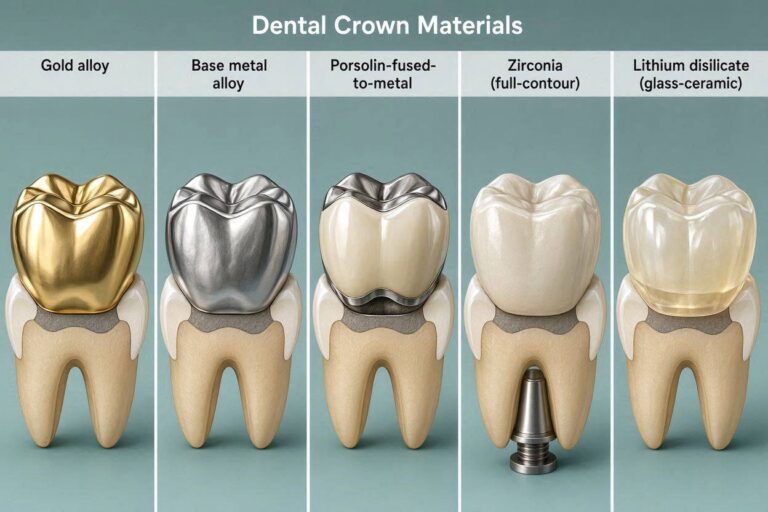
Before we delve into numbers, it’s crucial to understand what you’re investing in. EMAX is not a generic term for ceramic crowns; it’s a specific brand of lithium disilicate glass-ceramic material made by Ivoclar Vivadent. It has become a gold standard in cosmetic and restorative dentistry for very good reasons.
The Core Advantages of EMAX:
-
Unmatched Aesthetics: EMAX is highly translucent and reflects light similarly to natural tooth enamel. This allows it to blend seamlessly with your surrounding teeth, making it virtually indistinguishable. It’s the material of choice for front teeth and visible restorations.
-
Remarkable Strength: While it’s incredibly beautiful, EMAX is also impressively strong. It’s suitable for both front and back teeth, capable of withstanding the significant chewing forces on molars.
-
Minimally Invasive Preparation: Because EMAX is a strong monolithic material (made from a single block), dentists can often prepare a more conservative amount of your natural tooth structure compared to other crown types.
-
Biocompatibility: The ceramic material is extremely biocompatible, meaning it’s gentle on your gums and unlikely to cause allergic reactions or sensitivity.
Dr. Lisa Monroe, a prosthodontist in Austin, TX, notes: “When patients choose EMAX, they’re choosing a restoration that prioritizes both form and function. We’re not just fixing a tooth; we’re preserving biology and restoring confidence. The material’s balance of strength and beauty allows for a truly conservative and lifelike result.”
Breaking Down the Cost: What You’re Really Paying For
The fee for a single EMAX crown is not just for a piece of ceramic. It encompasses a full spectrum of professional services, expertise, and high-quality materials. Here’s a detailed breakdown of what that investment covers:
-
Professional Expertise & Consultation: This includes the time for your initial exam, diagnosis, treatment planning, and all follow-up visits. Your dentist’s years of training and skill in preparing the tooth and ensuring a perfect fit are paramount.
-
Materials & Laboratory Costs: The EMAX ceramic blocks themselves are a premium product. A certified dental laboratory then uses advanced CAD/CAM technology to design and mill your custom crown. The skill of the dental technician significantly impacts the final aesthetic outcome.
-
Technology & Equipment: Many dentists use intraoral scanners (instead of messy impressions) and have in-office milling machines. This technology represents a substantial investment for the practice but can improve accuracy and convenience.
-
Practice Overhead: This includes everything from the state-of-the-art sterilization equipment to the friendly staff who schedule your appointment—all essential for a safe, comfortable, and professional experience.
-
The Procedure Itself: The cost covers the local anesthesia, the temporary crown, the cementation of the final crown, and any necessary adjustments.
EMAX Crown Cost Comparison Table (National Averages)
The following table provides a general overview of average costs in the United States. Please remember these are estimates, and your actual cost may vary.
| Cost Component | Low-End Estimate | Mid-Range Average | High-End Estimate | Notes |
|---|---|---|---|---|
| EMAX Crown per Tooth | $1,200 | $1,500 – $2,000 | $2,500+ | Varies greatly by region & practice. |
| Comparative Crown Type | ||||
| Porcelain-Fused-to-Metal (PFM) | $900 | $1,000 – $1,500 | $1,800 | Strong, but less aesthetic due to metal. |
| Full Gold Crown | $1,000 | $1,300 – $1,800 | $2,200+ | Excellent durability, but metallic appearance. |
| Zirconia Crown | $1,100 | $1,400 – $1,800 | $2,200+ | Extremely strong, can be less translucent. |
Key Factors That Influence Your Final Price
Why does the cost vary so much? Several key factors are at play:
-
Geographic Location: Dental fees are typically higher in urban centers and coastal metropolitan areas (e.g., New York City, San Francisco) compared to suburban or rural locations due to higher practice overheads.
-
Dentist’s Training and Specialization: A general dentist with extensive cosmetic training or a prosthodontist (a specialist in crowns, bridges, and implants) may charge more for their advanced expertise.
-
Case Complexity: Is it a straightforward crown on a molar, or a crown on a front tooth requiring meticulous color matching and cosmetic contouring? More complex cases require more time and skill.
-
Laboratory Used: Dentists may work with different labs. A master ceramist lab known for exquisite aesthetic work will charge more than a standard commercial lab.
-
Additional Procedures: Often, a crown is just one part of the treatment. You may need a core buildup if the tooth is extensively damaged, a root canal treatment beforehand, or gum contouring. These add to the total cost.
Important Note for Readers: Always ask for a detailed, written treatment plan that itemizes all costs—the crown itself, any necessary preliminary procedures, and follow-up visits. This transparency is the hallmark of a trustworthy practice.
Dental Insurance and EMAX Crowns: What to Expect
Dental insurance adds another layer of consideration. Most plans categorize EMAX crowns under “porcelain” or “all-ceramic” crowns.
-
Typical Coverage: Insurance companies usually calculate their coverage based on the cost of a PFM (porcelain-fused-to-metal) crown, which they consider the “standard” alternative. If your plan pays 50% for major procedures and their “allowable fee” for a crown is $1,200, they will contribute $600.
-
The Patient’s Responsibility: If your EMAX crown costs $1,800, you would be responsible for the $1,200 balance ($1,800 – $600). This is why understanding your plan’s “UCR” (Usual, Customary, and Reasonable) rates is important.
-
Pre-Authorization is Key: Before starting treatment, have your dentist submit a pre-authorization to your insurance company. This will give you a clear, advance understanding of what they will pay and what your out-of-pocket cost will be.
Financing and Making EMAX Crowns Affordable
Don’t let the upfront cost deter you from the best treatment for your smile. Explore these options:
-
In-House Dental Membership Plans: Many practices offer annual membership plans for uninsured patients. For a flat yearly fee, you receive preventive care and a significant discount (e.g., 15-20%) on treatments like crowns.
-
Third-Party Medical Financing: Companies like CareCredit or LendingClub Patient Solutions offer short-term interest-free or longer-term low-interest payment plans specifically for healthcare expenses.
-
Flexible Spending Accounts (FSA) or Health Savings Accounts (HSA): These use pre-tax dollars, effectively giving you a discount equal to your tax rate on the procedure.
The Long-Term Value of Choosing EMAX
When evaluating cost, consider long-term value, not just the initial price. An EMAX crown is an investment in your oral health and daily confidence.
-
Durability & Longevity: With proper care (good oral hygiene and avoiding habits like chewing ice), an EMAX crown can last 10 to 15 years or more. Its strength reduces the risk of chipping or fracture.
-
Aesthetic Timelessness: Unlike PFM crowns, which can show a dark gum line over time, EMAX maintains its beautiful, natural appearance for its entire lifespan.
-
Preservation of Tooth Structure: The minimally invasive approach means more of your healthy natural tooth is preserved, which is beneficial for the long-term health of the tooth.
How to Choose the Right Dentist: It’s Not Just About Price
Selecting your dentist is the most important decision in this process. Here’s what to look for:
-
Review Before-and-After Photos: A dentist experienced with EMAX will have a portfolio showcasing their cosmetic work. Look for crowns that match seamlessly in color, shape, and texture.
-
Ask About Their Process: Do they use digital scanning? What kind of lab do they work with? A dentist who invests in technology and partners with a quality lab is invested in optimal outcomes.
-
Get a Comprehensive Consultation: You should feel heard, have all your questions answered, and receive a clear, written plan without pressure.
-
Understand the Warranty: Inquire about the practice’s warranty or guarantee on the crown’s workmanship and materials.
Helpful Checklist for Your EMAX Crown Journey
-
I have had a comprehensive exam and digital X-rays.
-
I understand why I need a crown and why EMAX is recommended for my case.
-
I have received a written, itemized treatment plan with a clear total cost.
-
I have verified my insurance coverage via a pre-authorization (if using insurance).
-
I have explored financing options and have a payment plan in place.
-
I have viewed my dentist’s before-and-after gallery of cosmetic crown work.
-
I understand the procedure steps and the timeline for treatment.
-
I know what the practice’s warranty covers.
Conclusion
The cost of an EMAX dental crown represents a thoughtful investment in a restoration that combines exceptional aesthetics, durable strength, and biocompatibility. While prices typically range from $1,500 to $2,000 per tooth, your final cost will depend on your location, your dentist’s expertise, and your unique dental needs. By understanding the value behind the price, exploring insurance and financing options, and carefully selecting a qualified dentist, you can move forward with confidence, knowing you are making an informed decision for your long-term oral health and smile aesthetics.
Frequently Asked Questions (FAQ)
Q: Is an EMAX crown more expensive than a zirconia crown?
A: Often, yes, but the difference is usually minor. EMAX tends to be slightly more expensive due to its superior aesthetic properties and the material cost. Zirconia is incredibly strong and may be preferred for back teeth where extreme force is a primary concern, while EMAX is often the choice for visible teeth due to its lifelike translucency.
Q: How long does the entire EMAX crown process take?
A: With modern technology, it can often be completed in two visits. The first visit involves preparing the tooth, scanning it, and placing a temporary crown. The crown is then designed and milled (sometimes in-office the same day, otherwise at a lab). The second visit, usually 1-2 weeks later, is for removing the temporary and cementing the permanent EMAX crown.
Q: Can an EMAX crown be repaired if it chips?
A: Minor chips can sometimes be polished or repaired with composite resin bonding. However, significant damage usually requires replacement of the entire crown. Their monolithic structure makes them very resistant to chipping compared to layered ceramics.
Q: Are there any downsides to EMAX crowns?
A: The primary “downside” is the cost, as they are a premium material. In very rare cases of extreme bite force or bruxism (teeth grinding), a dentist might recommend the ultimate strength of zirconia for back teeth. For most patients, EMAX offers an ideal balance.
Additional Resources
-
Academy of General Dentistry (AGD): Find a dentist in your area and access patient education materials on restorative care. https://www.agd.org/
-
American College of Prosthodontists (ACP): Learn more about crown specialists (prosthodontists) and the latest in restorative materials. https://www.gotoapro.org/
-
Ivoclar Vivadent (EMAX Manufacturer): Official information on the EMAX material, its properties, and indications. https://www.ivoclarvivadent.com/en/emax
Disclaimer: This article is for informational purposes only and does not constitute medical advice. The cost estimates provided are national averages and may not reflect the exact fees of any specific dental practice. Always consult with a qualified dental professional for an accurate diagnosis and treatment plan tailored to your individual needs. Treatment costs and insurance coverage can vary widely.
Date: January 15, 2026
Author: The Web Wellness Team