The Definitive Guide to All-on-4 Dental Implants Costs in Scripps Ranch
Imagine this: You’re at the Lake Miramar Reservoir, about to enjoy a picnic with friends. The laughter is contagious, the food looks incredible, but you hesitate. You subtly avoid the crunchy bread, the crisp apple, the hearty steak, opting instead for softer, less conspicuous options. The fear of discomfort, a loose denture, or embarrassment holds you back from fully engaging in the moment. This scenario, and countless others like it at the Scripps Ranch Farmers Market or a community theater performance, is a daily reality for those suffering from extensive tooth loss or decay. But what if there was a permanent, stable, and transformative solution that allowed you to eat, speak, laugh, and live with unwavering confidence? Enter the All-on-4 dental implant protocol—a revolutionary procedure that has changed the landscape of full-arch tooth replacement.
For residents of Scripps Ranch—a community known for its beautiful parks, excellent schools, and active lifestyle—maintaining health and vitality is paramount. Your smile is a cornerstone of that vitality. This article is not a generic overview; it is an exclusive, deeply researched guide tailored specifically to you, the discerning Scripps Ranch resident, seeking to understand the real investment behind All-on-4 dental implants. We will move beyond simplistic price tags and delve into the nuances of cost, quality, and value within our local dental ecosystem. From the cutting-edge practices along Scripps Poway Parkway to the highly skilled oral surgeons serving our region, we will equip you with the knowledge to navigate this significant decision. Prepare to explore a journey that goes far beyond dentistry—it’s about restoring function, aesthetics, and fundamentally, your quality of life.
Chapter 1: Understanding the All-on-4® Solution – More Than Just “Teeth in a Day”
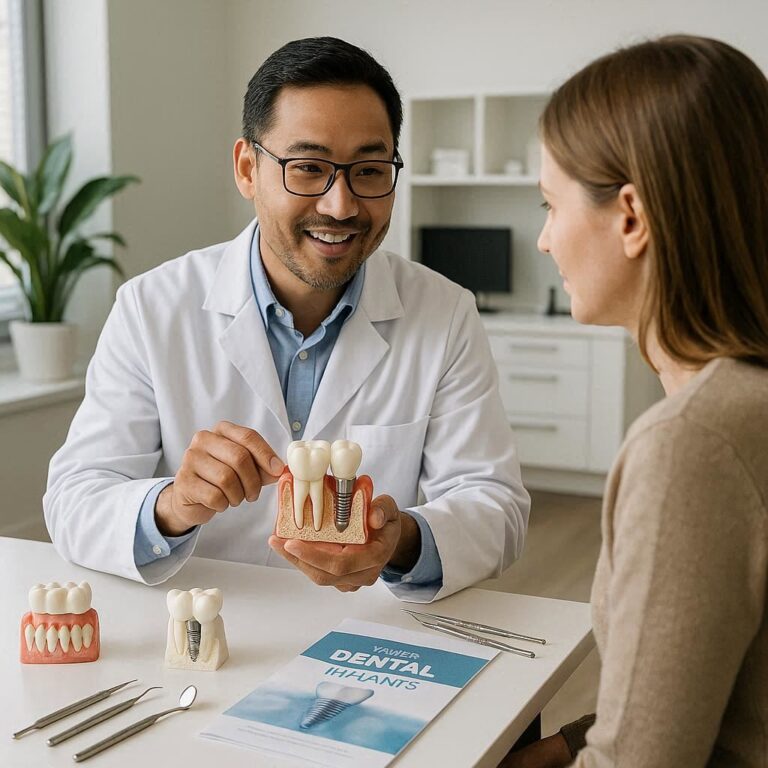
The term “All-on-4” is often used generically, but it originated as a specific, patented treatment concept developed by Nobel Biocare. At its core, All-on-4 is a surgical and prosthetic protocol designed to support a full arch of replacement teeth (typically 10-14 teeth) using only four dental implants. The brilliance lies in its strategic geometry: two implants are placed vertically at the front of the jaw, where bone density is typically higher, and two are placed at the back at an angled trajectory. This angulation allows surgeons to bypass critical anatomical structures like the sinus cavity in the upper jaw or the nerve canal in the lower jaw, and it often eliminates the need for costly and invasive bone grafting procedures.
The promise of “Teeth in a Day” is a compelling reality with this protocol. Patients arrive with failing teeth or dentures and leave the same day with a fixed, provisional prosthesis attached to their new implants. This immediate function and aesthetics provide a profound psychological boost. However, it is critical to understand that this is a two-phase process. The initial prosthesis is temporary, designed for healing and gum tissue shaping. After a period of 3-6 months, during which the implants fully integrate with the jawbone (a process called osseointegration), the final, precision-crafted, highly aesthetic permanent bridge is fabricated and installed. This final restoration is made from advanced materials like zirconia or layered acrylic, designed for decades of durable, beautiful service.
Chapter 2: The Scripps Ranch Dental Landscape – What Makes Our Community Unique?
Scripps Ranch is not a medical desert; it is a hub for advanced dental care within San Diego County. The community is served by a mix of high-caliber general dentists with advanced training in implantology and some of the region’s most respected board-certified oral and maxillofacial surgeons and prosthodontists. Many of these specialists have affiliations with nearby institutions like UCSD Health or Sharp Mary Birch Hospital, bringing an academic level of expertise to private practice.
This concentration of talent means competition, which can be beneficial for patients seeking quality care. However, it also creates a wide spectrum of pricing and marketing approaches. You will find practices that heavily advertise low “starting at” prices and those that position themselves as premium, concierge-style services with corresponding fees. The Scripps Ranch patient tends to be educated, values long-term quality over short-term savings, and seeks a collaborative relationship with their healthcare provider. Understanding this landscape is key to interpreting the cost estimates you will receive.
Chapter 3: The Core of the Matter – Detailed Breakdown of All-on-4 Costs in Scripps Ranch
A single, flat price for All-on-4 is a myth. The total fee is an amalgamation of several professional services, advanced technology, and high-quality materials. Here is a detailed breakdown of what you are paying for:
-
Diagnostic and Planning Phase ($1,000 – $2,500): This is the foundation of success. It includes a comprehensive exam, 3D cone beam CT scans (which provide a detailed, radiation-efficient view of your jawbone, sinuses, and nerves), digital or physical impressions, and photographs. Sophisticated computer-guided surgical planning using this data is often included here or in the surgical fee.
-
Surgical Phase ($12,000 – $20,000 per arch): This covers the expertise of the surgeon, the cost of the four implants themselves (brand and quality matter immensely), the surgical guides (if used), the facility fee, anesthesia (from local to IV sedation), and all related surgical supplies.
-
Prosthetic Phase ($10,000 – $18,000 per arch): This is the domain of the restorative dentist or prosthodontist. It includes the cost of the temporary prosthesis placed on surgery day and the final, definitive bridge. The material choice for the final bridge (e.g., monolithic zirconia vs. porcelain-fused-to-zirconia vs. high-performance acrylic) is the single largest cost variable in this phase.
-
Auxiliary Procedures (Variable, $0 – $7,000+): Not everyone needs these, but they are common. This includes tooth extractions (if not included in the surgical fee), bone grafting (minor or major), sinus lifts (for upper arches), or treatment for periodontal disease.
-
Post-Operative and Maintenance ($500 – $1,500 annually): This includes all follow-up visits, the final bridge delivery appointment, and a long-term maintenance plan. Implants require professional cleanings with specific instruments and annual check-ups to ensure their longevity.
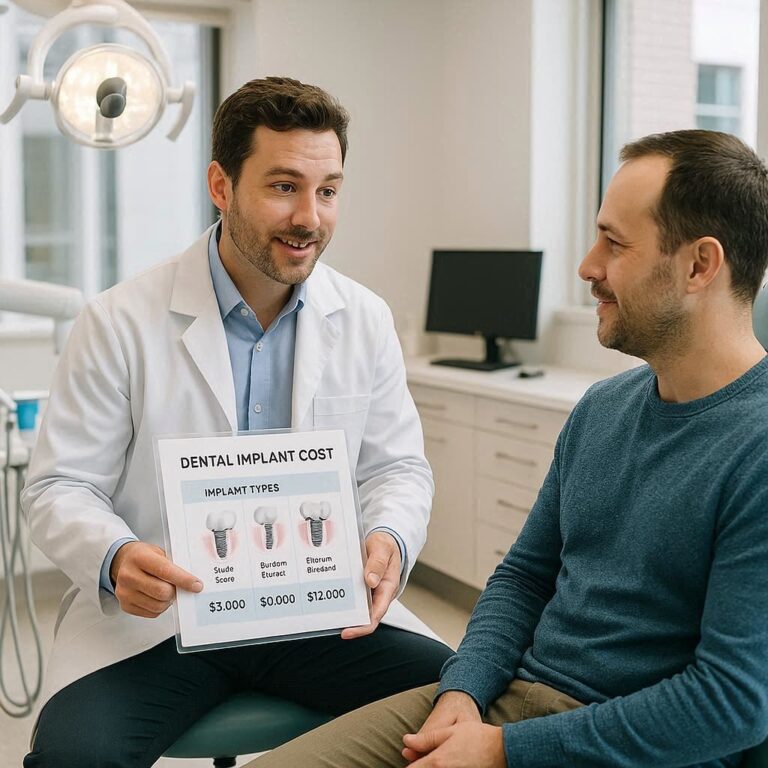
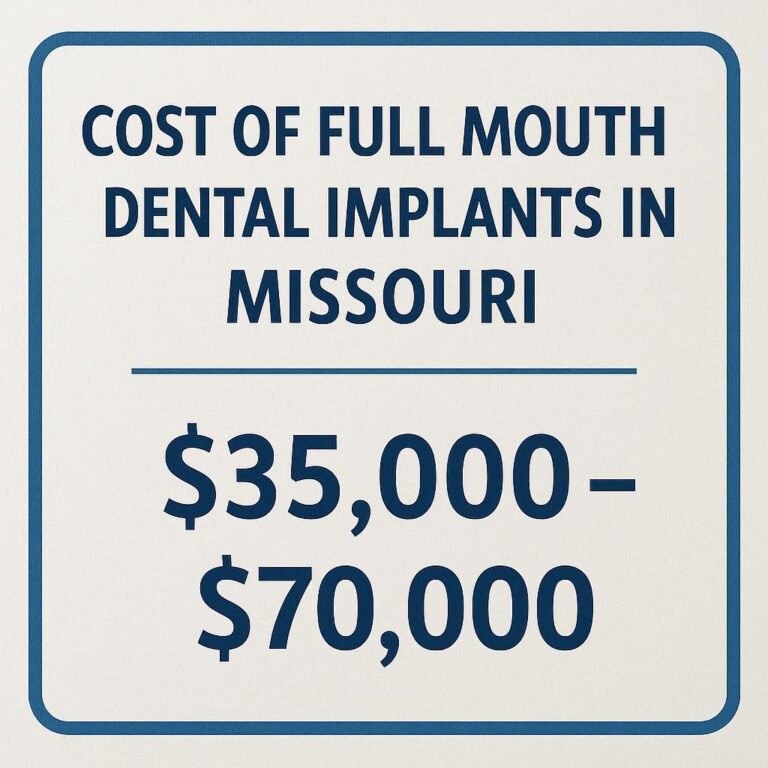
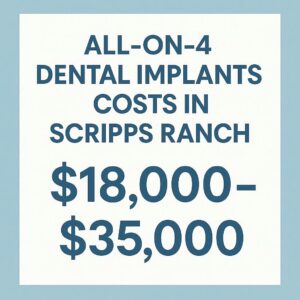
Total Estimated Range in Scripps Ranch: For a single arch (upper or lower), a comprehensive, high-quality All-on-4 treatment typically ranges from $23,000 to $45,000. For both arches, patients can expect a range of $45,000 to $85,000+. These are realistic figures for a full-service, specialist-led practice using top-tier components.
Chapter 4: The Investment Table – A Visual Cost Comparison
The table below illustrates how different factors can position a quote within the broad spectrum. These are Scripps Ranch-specific scenarios.
| Provider & Scenario Profile | Estimated Cost Per Arch | Key Cost Drivers & What it Typically Includes |
|---|---|---|
| Economy-Focused General Dentist | $18,000 – $25,000 | May use value-line implants, an in-house lab for the final bridge (often acrylic), limited sedation options, and may not include computer-guided surgery. May market a strong “starting at” price. |
| Established Specialist Practice (Most Common) | $28,000 – $38,000 | Uses premium implant brands (Nobel Biocare, Straumann), a top-tier dental lab, includes CBCT & guided planning, offers IV sedation, provides a zirconia hybrid final bridge, and has extensive experience. |
| Premium Prosthodontist/Surgeon Team | $38,000 – $50,000+ | Involves a separate surgeon and prosthodontist collaborating, uses ultra-high-end materials (full contour zirconia), offers exclusive materials and warranties, provides a truly custom aesthetic and functional design, and has a concierge patient experience. |
| Case with Major Complexity | $35,000 – $55,000+ | Includes all aspects of the established specialist practice, plus significant bone grafting, multiple extractions, sinus lift surgery, and potentially more than four implants for added stability. |
Chapter 5: What Drives the Price? The 10 Key Factors Influencing Your Final Quote
-
Implant Brand and Quality: Premium brands like Nobel Biocare and Straumann have decades of clinical research, proven osseointegration rates, and robust warranties. They cost more than generic or copycat implants.
-
Expertise of the Provider: A board-certified oral surgeon or prosthodontist with thousands of hours of additional training commands higher fees than a general dentist who has taken weekend courses. Their expertise directly impacts your risk of complications and long-term success.
-
The Dental Laboratory: The final bridge is a work of biomechanical art. A master ceramist at a renowned lab charges significantly more than a high-volume offshore lab. This is often reflected in the fee.
-
Material of the Final Teeth: Acrylic (PMMA) temporaries are affordable but wear. High-performance acrylic (Pekkton, Telio) is more durable. Zirconia is the gold standard—incredibly strong, stain-resistant, and highly aesthetic, but it is the most expensive option.
-
Technology Integration: Practices that invest in cone beam CT scanners, intraoral scanners, and computer-guided surgery software have higher overhead, which is part of the fee. This technology drastically improves precision and safety.
-
Anesthesia and Sedation: The cost increases from local anesthetic to nitrous oxide (“laughing gas”) to oral conscious sedation to IV sedation administered by a dedicated anesthesia provider.
-
Geographic Location: Scripps Ranch/San Diego has a higher cost of living and higher practice overhead (rent, salaries) than many other regions in the country, which influences pricing.
-
Pre-Existing Oral Health: The need for extractions, treatment of gum disease, or bone grafting adds substantial cost and time to the treatment plan.
-
Number of Implants: While the protocol is “All-on-4,” some cases benefit from five or six implants for increased support, which adds to the cost.
-
Practice Philosophy: A practice focused on high-volume, streamlined treatment may have lower prices. A practice focused on bespoke, one-patient-at-a-time care with unlimited chair time will have higher prices.
Chapter 6: The Procedure Unveiled – From Consultation to Final Restoration
-
Phase 1: The Collaborative Consultation (Weeks 1-2): This is your most important appointment. A thorough examination, 3D imaging, and discussion of your goals and health history occur. A detailed, written treatment plan with a transparent fee breakdown should be provided.
-
Phase 2: The Surgical Day (Day 0): Under anesthesia, any remaining teeth are removed, the jaw is prepared, and the four implants are placed precisely according to the surgical plan. The temporary bridge is attached, and you leave with a new, fixed smile.
-
Phase 3: The Healing & Integration (Months 3-6): You follow a soft-food diet while the implants fuse with the bone. Multiple check-ups ensure proper healing. The temporary bridge allows your gums to heal in an ideal shape.
-
Phase 4: The Final Restoration (Month 6+): Once healed, your final bridge is crafted. Precise impressions are taken, and the shade, shape, and fit are meticulously planned. The final bridge is secured with titanium screws, and the access holes are sealed with composite. This bridge is designed to last for decades.
Chapter 7: Choosing Your Provider in Scripps Ranch – Surgeon vs. General Dentist
This is a critical decision. A board-certified oral surgeon or periodontist is a specialist in the surgical placement of implants, bone grafting, and managing complex anatomy. A prosthodontist is a specialist in the design, fabrication, and placement of the final teeth—the “architect” of your smile. Many successful cases involve a collaborative team of a surgeon and a prosthodontist or highly trained restorative dentist.
A general dentist can legally perform All-on-4 surgery and the restoration. The key is to investigate their specific training, experience, and volume of full-arch cases they have completed. Ask: “How many All-on-4 arches do you personally treat per year?” “What is your implant survival rate?” “Can I see multiple before-and-after cases of your actual patients?” Do not base your decision solely on price; base it on proven outcomes.
Chapter 8: Financing Your New Smile – Options Beyond the Sticker Price
Very few pay the entire cost upfront. Reputable practices offer multiple pathways:
-
Medical/Dental Financing: Companies like CareCredit, Alphaeon Credit, or LendingClub offer extended payment plans, often with promotional no-interest periods (if paid in full within the term).
-
In-House Payment Plans: Some practices offer direct monthly payment plans.
-
Health Savings Accounts (HSA) / Flexible Spending Accounts (FSA): These allow you to use pre-tax dollars for eligible medical expenses, which includes most aspects of All-on-4 treatment.
-
Dental Insurance: While insurance rarely covers the full procedure, it may contribute significantly to the cost of extractions, the temporary prosthesis, or parts of the final bridge. A detailed pre-authorization is essential.
Chapter 9: The Long-Term Value – Why All-on-4 is an Investment, Not Just an Expense
Viewing All-on-4 as a mere purchase misses its true value. It is a capital investment in your health and well-being.
-
Health Dividend: Prevents catastrophic bone loss, maintains facial structure, restores proper nutrition, and eliminates the systemic inflammation from periodontal disease.
-
Functional Dividend: Eat anything you want with 90%+ chewing efficiency. Speak clearly without slips. No adhesives, no removals.
-
Psychological Dividend: Unshakeable confidence in social and professional settings. The end of “denture anxiety.”
-
Financial Dividend: While dentures are cheaper upfront, they require constant maintenance, relines, replacements, and adhesives over a lifetime. A well-planned implant prosthesis, with proper care, can last 20-30 years or more, often making it more cost-effective over a lifetime.
Chapter 10: Potential Risks, Complications, and How to Mitigate Them
No surgery is risk-free. Potential complications include implant failure to integrate (rare with healthy patients and good surgery), infection, nerve injury (tingling), or mechanical issues like screw loosening or prosthesis fracture. The single greatest risk mitigation strategy is choosing an exceptionally qualified and experienced provider. Following post-op instructions meticulously and committing to impeccable oral hygiene and lifelong professional maintenance are equally crucial.
Conclusion: Your Path Forward
The journey to an All-on-4 transformation in Scripps Ranch is a significant one, defined not by a single price but by the profound value of restored health and confidence. By understanding the detailed cost components, recognizing the factors that influence investment, and prioritizing provider expertise over the lowest bid, you empower yourself to make a choice that will serve you for decades. Your new smile awaits—a permanent testament to your commitment to living life fully, in the vibrant community you call home.
Frequently Asked Questions (FAQs)
Q: What is the single most important question to ask during a consultation?
A: “Can you show me a portfolio of at least 10-15 completed All-on-4 cases you have personally treated from start to finish, and can I speak to a past patient?”
Q: Is the “Teeth in a Day” temporary bridge sturdy?
A: Yes, it is fixed and fully functional, but it is designed as a healing aid. You must follow a soft-food diet for several months to protect the integrating implants underneath.
Q: How painful is the recovery?
A: Most patients report discomfort manageable with prescribed medication for 3-5 days, with swelling and bruising subsiding within two weeks. It is significantly less painful than years of dental distress.
Q: Can I get All-on-4 if I’ve had dentures for years and have bone loss?
A: Often, yes. The angled posterior implants are designed to use available bone. If bone loss is severe, a “All-on-4 with Extras” (grafting) or an alternative like zygomatic implants may be discussed.
Q: What does maintenance look like?
A: It requires diligent daily cleaning with specific brushes and floss, and professional cleanings/check-ups every 3-6 months. The bridge must be professionally removed periodically (every 1-5 years) for a deep cleaning and implant assessment.
Additional Resources
-
American College of Prosthodontists (ACP): Patient education website on tooth loss and advanced restoration options. (www.gotoapro.org)
Date: December 28, 2025
Author: The Scripps Ranch Dental Implant Journal
Disclaimer: The information provided in this article is for educational and informational purposes only and does not constitute medical advice. Treatment costs are estimates and can vary significantly based on individual patient needs, practitioner experience, and specific clinical circumstances. Always consult with a qualified dental professional for a personal assessment and treatment plan.