Understanding the Average Cost for Dental Veneers
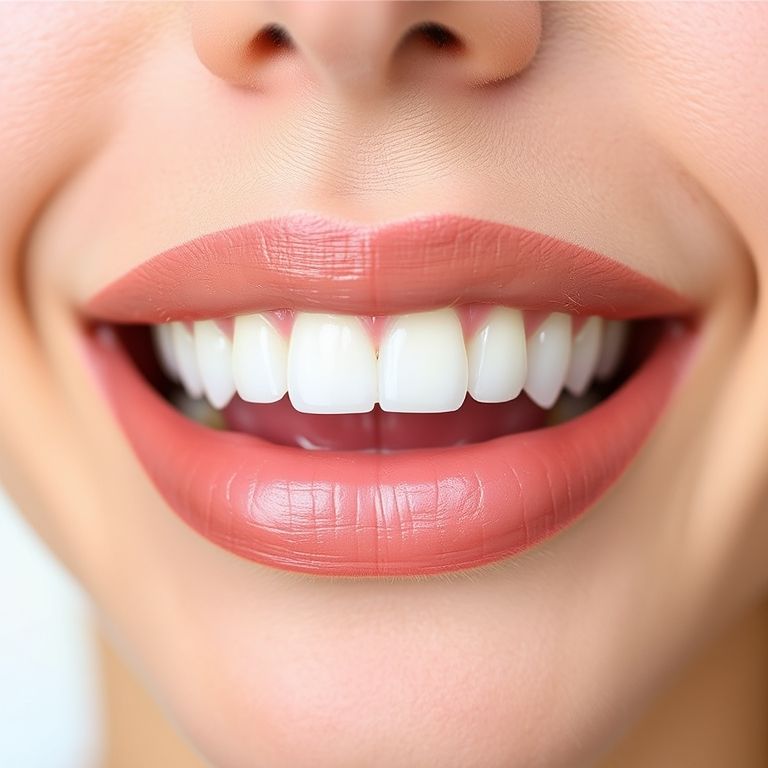
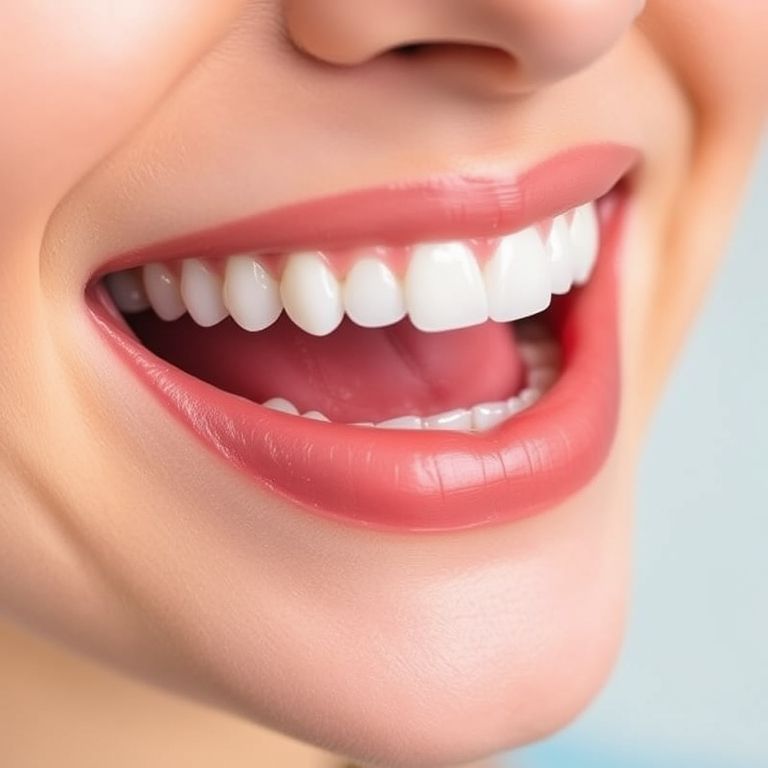
There is a moment in almost everyone’s life when they look in the mirror and wonder what it would be like to have a “movie star” smile. For many, dental veneers are the answer. They promise to fix chips, close gaps, and erase years of staining in just a few visits.
But before you start imagining your new look, there is usually one question that stops people in their tracks: What is this actually going to cost?
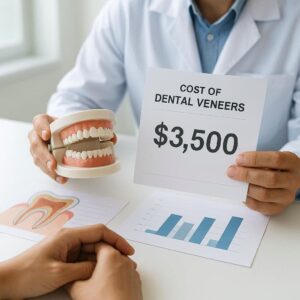
If you search for the average cost for dental veneers, you will see numbers ranging wildly from $400 to $2,500 per tooth. That is a huge gap. It can feel confusing, frustrating, and even a little suspicious when you see a “too good to be true” price online.
The truth is, veneers are one of the biggest investments you will ever make in your appearance—comparable to a luxury vacation or a used car. But unlike a vacation, this investment is permanent.
I want to walk you through exactly what goes into that price tag. By the end of this guide, you will understand why prices vary, what you are really paying for, and how to make a decision that fits your budget without sacrificing your health or safety.
What Are Dental Veneers? A Quick Overview
Before we dive into the dollars and cents, it helps to understand what a veneer actually is. Imagine a thin shell, like a contact lens for your tooth. That is the basic concept.
Veneers are custom-made shells designed to cover the front surface of your teeth. They change the color, shape, size, and length of your natural teeth.
There are two main types that affect the average cost for dental veneers dramatically:
-
Porcelain Veneers: These are the gold standard. They are made from high-quality ceramic. They resist stains better than your natural teeth and reflect light similarly to natural enamel. Because they are fabricated in a dental lab by skilled technicians, they require two or three visits to place.
-
Composite Resin Veneers: Often called “direct veneers,” these are made from a tooth-colored resin material. The dentist applies the resin directly to your tooth, sculpts it, and hardens it with a special light. This is usually done in a single visit.
There is a common misconception that veneers are “fake teeth” like dentures. That is not accurate. A veneer only covers the front; the back of your tooth remains natural. This distinction is crucial because the complexity of placing them is a major factor in the final bill.
Breaking Down the Average Cost for Dental Veneers
When you look at national averages, you need to separate the two types of materials. Combining them into one number gives you an inaccurate picture.
Let’s look at the realistic ranges per tooth in the United States as of today.
| Type of Veneer | Average Cost Per Tooth | Factors Influencing Price |
|---|---|---|
| Composite Resin | $250 – $1,500 | Usually done chairside in one visit. Less lab work. Less durable (5-7 years). |
| Porcelain | $1,000 – $2,500+ | Requires lab technician. Highly durable (10-20 years). Superior aesthetics. |
If you are replacing a single tooth that is discolored, composite might be a good option. However, if you are looking for a full smile makeover on six to ten teeth, the price obviously multiplies.
For a full upper set (usually 6 to 10 veneers to create a balanced smile), you are looking at:
-
Composite: $3,000 to $12,000
-
Porcelain: $9,000 to $25,000+
I know those numbers can be shocking. But let’s look under the hood to see why a porcelain veneer costs more than a high-end smartphone.
Why the Price Isn’t Just for the “Shell”
When you pay for a veneer, you are not just paying for a piece of ceramic. You are paying for a team of professionals, a process, and materials designed to last.
Here is what is typically included in that fee:
-
The Consultation and Exam: X-rays to check bone health and gum condition.
-
The Preparation: The dentist removes a thin layer of enamel (about 0.5mm) so the veneer sits flush.
-
Impressions: Digital or physical molds sent to the lab.
-
The Lab Fabrication: A ceramist spends hours hand-crafting the shade and shape.
-
Temporaries: Temporary veneers to protect your teeth while you wait.
-
The Bonding: The final visit where the veneers are cemented and adjusted for bite comfort.
If a price seems exceptionally low, ask what is missing from that list. Sometimes, a quoted price excludes the temporary veneers or the final adjustments.
Geographic Location: The Zip Code Factor
Where you live plays a massive role in determining the average cost for dental veneers. Dentistry is a local market, and overhead costs vary drastically.
If you live in a metropolitan area like New York City, Los Angeles, or San Francisco, you can expect to pay at the top end of the spectrum. Rent for a dental office on Fifth Avenue or Rodeo Drive is astronomical. Staff salaries are also higher in these areas to accommodate the cost of living.
Conversely, if you are in a rural area in the Midwest or the South, you might find fees that are 20% to 40% lower.
However, do not assume that “cheaper” is always better. I have seen patients travel to big cities specifically to find a “master ceramist” or a dentist who specializes in high-end cosmetic work. In this field, you often get what you pay for. A poorly placed veneer can lead to gum disease, decay, or a “bulky” look that feels unnatural in your mouth.
A Note on Dental Tourism
You have likely heard stories of people traveling to Mexico, Costa Rica, or Thailand for veneers at a fraction of the US price. Yes, you can get a porcelain veneer for $300 to $400 abroad.
However, there are significant risks to consider. If a veneer breaks six months later, will you fly back to have it fixed? If the bite is off, causing jaw pain, who will adjust it? Most US dentists will not “fix” someone else’s work from another country because they cannot guarantee the quality of the underlying materials.
If you go this route, I always suggest having a very clear contingency plan and budget set aside for potential corrections back home.
Hidden Costs: What the Quote Might Not Tell You
One of the most frustrating parts of budgeting for dental work is the “sticker shock” of hidden fees. When you ask for the average cost for dental veneers, make sure you are asking for the total case fee.
Here are common costs that are sometimes billed separately:
-
Consultation and Imaging: Some high-end cosmetic dentists charge a fee for the initial workup, which often gets applied to the treatment if you proceed. Others charge a flat fee for digital smile design.
-
Anesthesia (Novocaine): Usually included, but if you require sedation (like nitrous oxide or oral sedatives), that is often an additional charge.
-
Core Buildups: If a tooth is broken down or has an old filling, the dentist may need to “build up” the core of the tooth before placing the veneer. This is a separate procedure.
-
Periodontal Work: If you have gum disease or need gum contouring (reshaping the gum line for symmetry), you must treat this first. Veneers placed on unhealthy gums are doomed to fail.
-
Occlusal Adjustments: If you grind your teeth (bruxism), you might need a nightguard to protect your new investment. This is rarely included in the veneer price.
I always recommend asking for a “treatment plan” in writing. A professional office will provide a breakdown of every code and fee before you commit.
Composite vs. Porcelain: Which Is Right for You?
Choosing between composite and porcelain is not just about the upfront cost. It is about your long-term goals, patience level, and lifestyle.
Composite Veneers: The Entry Point
Best for: Patients looking for a quick, affordable change, or those who want to “test drive” a smile makeover.
-
Pros: Lower cost. Can often be done in one appointment. Less enamel removal (sometimes none). Repairable if they chip.
-
Cons: Less durable (lasts 5-7 years). More prone to staining (coffee, wine, smoking). They can look “chalky” or opaque compared to natural teeth over time. They require polishing maintenance.
Porcelain Veneers: The Investment
Best for: Patients who want the most natural, durable, and long-lasting result.
-
Pros: Stain-resistant. Incredibly lifelike translucency. Last 10-20 years with good care. Stronger than composite.
-
Cons: Higher upfront cost. Usually requires two to three visits. Irreversible (because enamel is removed). If they break, they usually need to be completely replaced, not repaired.
“I always tell my patients that porcelain veneers are like buying a designer suit,” says Dr. Amanda Hayes, a cosmetic dentist based in Austin. “It fits perfectly, looks impeccable, and lasts a decade. Composite is like buying a nice off-the-rack blazer. It looks good, but it might need tailoring over time. Neither is wrong; it just depends on your priorities.”
The Insurance Question
A common point of confusion is whether dental insurance covers veneers.
Generally, no, dental insurance does not cover veneers if they are done purely for cosmetic reasons.
However, there is a gray area. If a tooth is fractured or damaged, and a veneer is considered a “restoration” to restore function, insurance might cover a small portion—usually 50% of the cost of a composite filling or crown, not the full cosmetic veneer price.
Before you start treatment, ask your dentist’s office to send a “pre-determination of benefits” to your insurance company. This will give you a clear picture of what, if anything, they will pay. Do not rely on the insurance company’s phone representatives; get it in writing.
Financing Your Smile: Making It Affordable
Very few people pay $20,000 out of pocket for veneers. Most use financing options to spread the cost over time.
Here are the most common ways people afford their new smiles:
1. In-House Membership Plans
Many dental offices are moving away from traditional insurance. They offer membership plans where you pay a monthly or annual fee. In exchange, you get a significant discount (often 10-15% off cosmetic procedures). If you don’t have dental insurance, this is often the best deal.
2. Third-Party Financing (CareCredit)
CareCredit is the most popular healthcare credit card. They often offer promotional periods of 6, 12, or 24 months with no interest if you pay the balance in full by the deadline. Be careful, though—if you miss a payment or don’t pay it off in time, they charge deferred interest (often 26.99%) on the original amount.
3. Traditional Bank Loans
Sometimes, a low-interest personal loan from a bank or credit union is a better option than high-interest medical credit cards. It is worth shopping around.
4. Phased Treatment
Not everyone needs to get all their veneers done at once. A responsible cosmetic dentist will often agree to phase the treatment. You might do the upper front four teeth (the “social six”) first, and then save up for the next four in six months. This allows you to manage cash flow without going into debt.
Long-Term Value: Thinking Beyond the Price Tag
When we look at the average cost for dental veneers, we often fixate on the number written on the estimate. But I want to encourage you to think about cost per year.
Let’s do some simple math:
-
Composite Veneers: If you pay $800 per tooth and they last 6 years, that is roughly $133 per year per tooth.
-
Porcelain Veneers: If you pay $1,800 per tooth and they last 15 years, that is $120 per year per tooth.
Suddenly, porcelain becomes the more economical choice in the long run, even though the initial hit to your wallet is harder.
Of course, this math assumes everything goes perfectly. Maintenance matters. If you grind your teeth at night and don’t wear a guard, you might break a porcelain veneer in year two, which changes the math entirely.
Red Flags: When a “Cheap” Deal Isn’t a Deal
In my years of researching dental trends, I have seen an alarming rise in “dental spas” and unlicensed practitioners offering veneers at prices that seem too good to be true.
If you see an ad for “Veneers for $199,” run the other way.
Here is why:
-
No Enamel Removal: Some “pop-on” veneers are not real veneers; they are snap-on covers that ruin your gum health and trap bacteria.
-
Unlicensed Providers: In some states, non-dentists are trying to place veneers. This is illegal and extremely dangerous. Improperly placed veneers can lead to nerve damage, tooth death (requiring root canals), and severe gum recession.
-
Lack of Follow-up: A veneer isn’t done when you leave the chair. It’s done when your bite is balanced. A cheap provider often rushes the bite adjustment, leading to chronic jaw pain (TMJ) that costs thousands to fix later.
Always verify that your provider is a licensed dentist. Look for accreditation from the American Academy of Cosmetic Dentistry (AACD). This ensures they have gone through rigorous training beyond dental school.
Preparing for Your Consultation
If you are ready to move forward, how you prepare for the consultation can save you money and disappointment.
Make a list of questions to ask the dentist. Here are a few to get you started:
-
“How many smile makeovers have you completed?” (Ask to see a portfolio of before-and-after photos.)
-
“Do you use a ceramist, or is the lab in-house?” (Dentists who work closely with a specific master ceramist usually produce the best results.)
-
“What is your policy on remakes if I don’t like the shape or color?”
-
“Can I see a wax-up or digital preview of my smile before we start?”
-
“What happens if a veneer breaks after a year?”
A confident dentist will have no problem answering these questions. If they get defensive or evasive, consider that a red flag.
The Bottom Line
The average cost for dental veneers is not just a number; it is a reflection of the skill, materials, and time required to give you a smile that is both beautiful and functional.
For some, composite veneers offer a perfect middle ground—affordable and effective for minor cosmetic changes. For others, porcelain is the only way to achieve the high-end, durable results they desire.
The most important takeaway is this: view this as an investment in your confidence and oral health. Cheap veneers can lead to expensive complications. Good veneers, placed by a skilled professional, can change your life for decades.
Take your time. Get multiple opinions. Review the treatment plans. And remember, a healthy smile is always the ultimate goal—not just a pretty one.
Conclusion
To summarize, the cost of dental veneers depends entirely on the material (composite vs. porcelain), the expertise of the dentist, and your geographic location. While composite veneers offer a quicker, budget-friendly option starting around $250 per tooth, porcelain veneers provide superior longevity and aesthetics, averaging $1,000 to $2,500 per tooth. Ultimately, investing in a qualified cosmetic dentist and a thorough treatment plan ensures your new smile is safe, durable, and worth every penny.
Frequently Asked Questions (FAQ)
1. Do veneers ruin your natural teeth?
Porcelain veneers require the removal of a thin layer of enamel, which is irreversible. However, when done correctly by a skilled dentist, the tooth structure remains healthy and protected by the veneer. Composite veneers often require little to no enamel removal.
2. How long do veneers last?
Porcelain veneers typically last between 10 and 20 years with proper care. Composite veneers usually last between 5 and 7 years. Your habits (like teeth grinding or nail-biting) heavily influence their lifespan.
3. Are veneers painful?
The procedure is not painful because a local anesthetic (numbing) is used. After the anesthetic wears off, there may be mild sensitivity for a few days, especially to hot or cold temperatures. This usually subsides quickly.
4. Can I whiten my veneers?
No. Veneers are stain-resistant (especially porcelain), but they do not respond to whitening treatments. If you are considering veneers, it is best to whiten your natural teeth before starting so the veneers can be matched to your desired shade.
5. What if I don’t like the color after they are bonded?
This is why communication is key. Reputable dentists will let you “test drive” the color using trial paste before permanently bonding the veneers. If you are unhappy with the color after bonding, replacing them is difficult and costly.
Additional Resource
For a deeper look into finding a qualified specialist, I highly recommend visiting the American Academy of Cosmetic Dentistry (AACD) website. They offer a “Find a Dentist” tool that allows you to search for accredited cosmetic dentists in your area who have demonstrated advanced skill and ethical standards.
👉 Find an AACD Cosmetic Dentist Near You