The Complete Guide to the Connective Tissue Graft Dental Code (D4270)
If your dentist or periodontist has told you that you need a gum graft, you have probably found yourself drowning in a sea of clinical terms and confusing numbers. Between worrying about the procedure itself and trying to figure out what your insurance will actually pay for, it is easy to feel overwhelmed.
One of the biggest sources of confusion is the billing code. You might hear your dental office mention “D4270” and wonder what it actually means, or why it matters for your wallet.
Don’t worry. We are going to walk through everything you need to know about the connective tissue graft dental code. We will break down what the procedure involves, what the code means for your insurance claim, and how to navigate the financial side of things without needing a medical degree.
Think of this as a friendly conversation with a knowledgeable friend who wants to help you make sense of it all.
What Is a Connective Tissue Graft?
Before we dive into the numbers and codes, let’s talk about the “why.” Why would someone need this procedure in the first place?
A connective tissue graft is a surgical procedure performed by a periodontist (a gum specialist) to treat gum recession. Gum recession is exactly what it sounds like: the gum tissue surrounding your teeth wears away or pulls back, exposing more of the tooth, or sometimes even the root of the tooth.
Why does this happen?
-
Aggressive brushing: Brushing too hard can actually push the gums back.
-
Periodontal disease: Gum infections can destroy gum tissue.
-
Genetics: Some people are simply born with thinner gums.
-
Tooth positioning: Crooked teeth or bite misalignment can put pressure on the gums.
When the gum recedes, it creates a “pocket” or exposes the sensitive root. This can lead to pain when eating cold or hot foods, and it makes the teeth look longer than they should. More importantly, it can lead to bone loss and eventually tooth loss if left untreated.
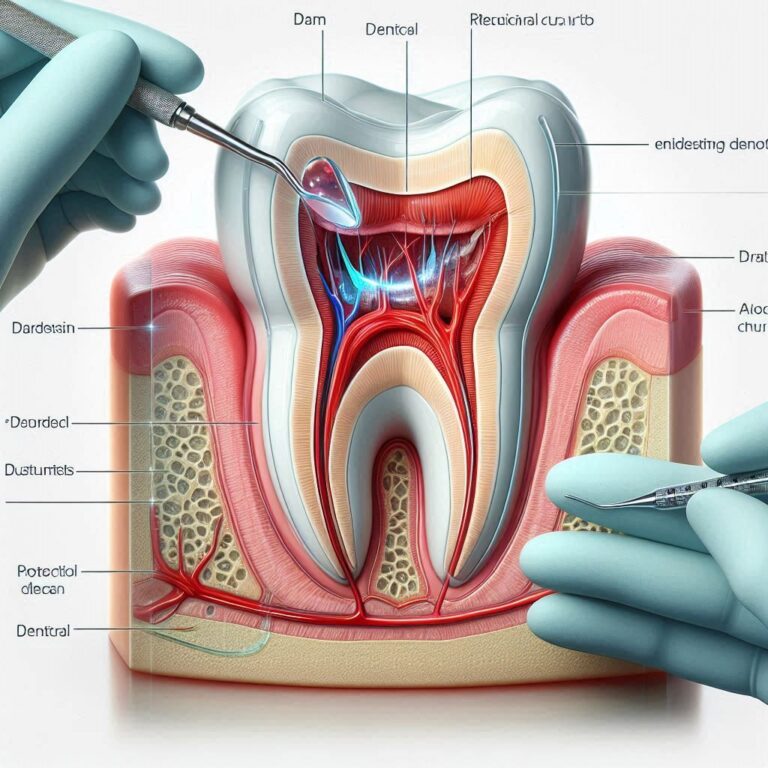
The procedure itself involves taking tissue from the roof of your mouth (the palate) and stitching it onto the receded area to cover the exposed root. It is a delicate process, but it is the gold standard for treating this issue.
Decoding the Code: D4270
In the world of dentistry, every single procedure has a specific code. These codes are part of the Current Dental Terminology (CDT) . Think of it as the language that dentists, insurance companies, and billing departments use to talk to each other.
If you are looking for the “connective tissue graft dental code,” you are looking for D4270.
Let’s look at what this code actually represents in a simple table format.
| Code | Procedure Description | What It Means |
|---|---|---|
| D4270 | Pedicle Soft Tissue Graft Procedure | A graft where the tissue is moved from an area right next to the recession site. It stays attached at one end (like a pedicle) to maintain its blood supply. |
| D4271 | Free Soft Tissue Graft Procedure | Tissue is taken from the palate (or another donor site) and is completely detached before being sewn onto the recipient site. |
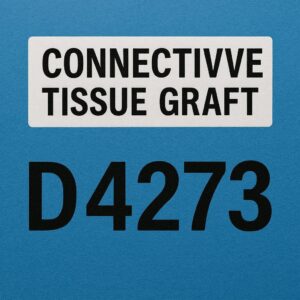
| D4273 | Subepithelial Connective Tissue Graft Procedure | A specific type of graft where the top layer of skin is removed from the palate tissue, and only the underlying connective tissue is used for the graft. This is the most common and successful type of graft. |
| D4275 | Soft Tissue Allograft | Instead of taking tissue from your own palate, the dentist uses donated tissue from a tissue bank. This avoids the second surgical site on the roof of your mouth. |
Important Note: While “D4273” technically specifies the subepithelial connective tissue graft, many dental offices and insurance companies colloquially refer to any gum grafting under the broader search term “connective tissue graft dental code.” However, when you look at your specific treatment plan, you must check which exact code is listed.
Why the Specific Code Matters to You
You might be thinking, “Okay, it’s D4273. Why should I care?” The answer comes down to two things: insurance coverage and your wallet.
1. Insurance Classification
Dental insurance plans usually categorize procedures into three types:
-
Preventative: Cleanings and exams (covered at 80-100%).
-
Basic: Fillings and simple extractions (covered at 50-80%).
-
Major: Crowns, bridges, dentures, and periodontal surgery (grafts) (covered at 20-50%).
Because D4270 and its related codes fall under “Major” restorative care, you will likely have a higher out-of-pocket cost. Knowing the code helps you verify your benefits with your insurance company.
2. Medical vs. Dental Necessity
Here is a secret that many patients don’t realize: sometimes, a gum graft can be billed to medical insurance instead of dental insurance.
If the gum recession is causing pain, infection, or is a result of a medical condition (like medications you take or acid reflux), your dentist might be able to argue “medical necessity.” In this case, they might use a different coding system called CPT (Current Procedural Terminology) , which is used by medical insurance.
-
CPT Code 41870 is often the corresponding code for a gum graft in the medical world.
If your dentist suspects your case qualifies, they might ask you to check with your medical insurance. It is rare, but it can save you thousands of dollars if your medical policy covers it.
The Financial Reality: What to Expect to Pay
Let’s be realistic. Dental procedures are not cheap. When you see the connective tissue graft dental code on your estimate, the price tag can be shocking.
The cost of a connective tissue graft can vary wildly depending on where you live, the experience of the specialist, and the complexity of your case.
Typical Cost Range:
-
Per Tooth: $600 to $3,000
-
Multiple Teeth/Sextant: $4,000 to $8,000+
Why is it so expensive?
-
Expertise: A periodontist has to complete 3+ years of additional training after dental school.
-
Time: The procedure can take 60 to 90 minutes for a single tooth.
-
Materials: Sutures, anesthetic, and sterile surgical kits all cost money.
-
Lab/Allograft Fees: If you opt for an allograft (donor tissue), the dentist pays a tissue bank for that material, and that cost is passed on to you.
A Realistic Breakdown of Your Treatment Plan
When your dentist gives you a treatment plan, it won’t just say “Gum Graft – $2,000.” It will be itemized. Here is what you might see next to the connective tissue graft dental code.
-
Procedure Cost: The fee for the surgery itself (D4273).
-
Anesthesia/Sedation: If you choose to be sedated (which is common for anxious patients), there will be a separate fee for that.
-
Biopsy/Pathology Report: If the dentist sends the tissue to a lab to check for abnormalities (rare, but possible).
-
Post-op Appointment: Sometimes the follow-up visit is included in the surgical fee, but sometimes it is a separate “post-operative evaluation” code.
Always ask: “Is everything included in this fee, or are there separate charges for follow-ups?”
What Happens During the Procedure?
Knowing what to expect can reduce anxiety. While this article isn’t about the surgery itself, understanding the context of the code helps you realize why it is priced the way it is.
-
Numbing: The area (teeth and palate) is thoroughly numbed with local anesthetic.
-
Preparation: The area around the exposed root is cleaned and prepared to receive the new tissue.
-
Harvesting:
-
If using your own tissue (Autograft): The surgeon makes a small flap in the roof of your mouth and extracts a layer of connective tissue from underneath. They then stitch the palate back up.
-
If using donor tissue (Allograft): This step is skipped. The dentist prepares the donated tissue.
-
-
Grafting: The harvested tissue is placed over the exposed root and stitched into place with tiny, delicate sutures.
-
Healing: You go home with specific instructions. The palate heals in about 2-4 weeks, and the graft site heals in a few months.
Navigating Insurance: A Step-by-Step Guide
Dealing with insurance companies can feel like arguing with a robot. However, armed with your knowledge of the connective tissue graft dental code, you can advocate for yourself better.
Step 1: Call Your Insurance Before the Procedure
Do not rely solely on the dental office’s estimate (though they are usually accurate). Call the number on the back of your insurance card and ask specific questions.
Questions to ask:
-
“Is code D4273 (or the specific code you have) a covered benefit?”
-
“What is my annual maximum? (e.g., $1,500)”
-
“What percentage do you pay for major restorative care (like D4273)?”
-
“Is there a waiting period for this type of surgery?”
-
“Do I need a pre-authorization or pre-determination?”
Step 2: Ask About the “Alternative” Codes
Sometimes, insurance will deny D4273 because they consider it cosmetic. If the recession is causing root sensitivity or decay, you are not doing this for looks; you are doing it for health.
Ask your dentist if they are willing to submit a narrative letter explaining why the procedure is medically necessary. This can sometimes tip the scales in your favor.
Step 3: Understand the “Patient Portion”
Let’s do some quick math.
-
Total Fee: $2,500
-
Insurance Coverage: 50% after a $100 deductible.
-
Insurance Pays: (50% of $2,500) = $1,250 minus the $100 deductible = $1,150 paid by insurance.
-
You Pay: $2,500 – $1,150 = $1,350.
This is a simplified example, but it shows how the percentage coverage works against the total fee.
Payment Options: Making It Work
If your insurance doesn’t cover much, or if you don’t have insurance at all, you still have options. Dental health is important, and putting off a graft can lead to tooth loss, which is much more expensive to fix.
-
In-House Membership Plans: Many dental offices are moving away from traditional insurance and offering their own “membership” plans. For a yearly fee, you get discounted rates on procedures.
-
CareCredit or Healthcare Lenders: These are credit cards specifically for healthcare. They often offer 6, 12, or even 24-month interest-free financing if you pay the balance within that time.
-
Dental Schools: If you live near a university with a dental school or a periodontics residency program, you can get the procedure done by a student under the supervision of a specialist professor. It takes much longer, but it can cost 50-70% less.
-
Negotiation: It never hurts to ask, “If I pay in cash today, is there a discount?” Some offices offer a 5-10% discount for upfront payment.
Common Questions About the Gum Graft Code
We have compiled a list of questions patients ask most often. These are the real-world concerns people have when they see this code on their paperwork.
1. “My dentist says I need a gum graft, but I don’t have any pain. Is it really necessary?”
Gum recession is often painless until it becomes severe. However, even without pain, you can lose the bone structure around the tooth. Think of your gum as a turtleneck sweater. If the neck of the sweater is stretched out (receded), the bone underneath is exposed to bacteria. The graft is often preventative, stopping bone loss before it starts.
2. “Why does the code on my claim form look different?”
Make sure you are looking at the correct column. The CDT code (D4273) will be under “Procedure Performed.” Sometimes there are line numbers or “tooth numbers” next to the code, which can be confusing. If the code starts with a “D,” it is a dental code.
3. “Will I be asleep for this?”
Most grafts are done under local anesthesia (you are awake but numb). However, if you are anxious or having a large area worked on, you can discuss sedation options (nitrous oxide or oral sedatives). This will add a different code to your bill, usually something like D9230 or D9222.
4. “Does insurance cover the entire mouth if I need multiple teeth?”
This is a tough one. Most insurance plans have an “annual maximum” (usually $1,000 to $2,000). If one tooth costs $2,000 and your plan max is $1,500, you will hit your limit. You may have to stage the treatment over two years—doing one side of the mouth this year, and the other side next year.
5. “What is a ‘Site Specific’ code?”
Codes like D4270 are “site-specific,” meaning they are billed per surgical site. A “site” is usually defined as an area of three or more adjacent teeth requiring the graft. If you have recession on teeth #24, #25, and #26, that is one site (one code). If you have recession on #24 and #27 with a healthy tooth in between, that might be billed as two separate sites.
Additional Resources
Navigating dental benefits is complex, but you are not alone. Here are some trustworthy places to look for more information or help.
-
American Academy of Periodontology (AAP): perio.org
The AAP is the governing body for gum specialists. Their website has patient-friendly resources explaining gum disease and treatments. It is a great place to verify the information your dentist gives you. -
CareCredit: carecredit.com
If you are looking for financing options, CareCredit is the largest healthcare credit lender. You can check your pre-qualification status without hurting your credit score. -
NADP (National Association of Dental Plans): nadp.org
This is a good resource for understanding how dental insurance works in general. It explains the difference between DHMO and PPO plans, which helps you understand why your specific code pays out differently depending on your plan type.
Frequently Asked Questions (FAQ)
To wrap things up, here are some quick answers to the most burning questions people have when facing this procedure.
Q: Is the connective tissue graft dental code the same for everyone?
A: Generally, yes, the code describes the procedure. However, the exact modifier (like D4273 vs D4275) depends on where the tissue comes from (your palate or a donor).
Q: How long does it take to get a response from insurance for a pre-auth?
A: Typically, it takes 2 to 4 weeks. It is a waiting game, so it’s best to start the process early.
Q: Can I use my FSA or HSA to pay for this?
A: Yes, absolutely. Flexible Spending Accounts (FSA) and Health Savings Accounts (HSA) are tax-advantaged accounts that can be used for dental surgery. This is a great way to pay with pre-tax dollars.
Q: What if my insurance denies the claim?
A: Don’t panic. Ask your dentist’s office if they will file an appeal. Often, a simple letter of medical necessity is enough to get a denial overturned. If not, you are responsible for the balance, but you can usually set up a payment plan with the dental office.
Q: Is the recovery painful?
A: Most patients report that the roof of the mouth (the donor site) is more uncomfortable than the graft site itself. It feels like a pizza burn. However, with modern pain management and proper care, the discomfort is very manageable.
Conclusion
Facing a gum graft can be stressful, but understanding the paperwork doesn’t have to be. The connective tissue graft dental code—usually D4270 or D4273—is simply the key that unlocks the conversation between your dentist and your insurance. By knowing what this code means, how insurance applies to it, and what your financial options are, you take the fear out of the unknown. Take it one step at a time: verify your benefits, ask questions, and focus on the long-term health of your smile.
Disclaimer: This article is for informational purposes only and does not constitute medical or financial advice. Please consult with your dental professional and insurance provider regarding your specific treatment and coverage.