The Complete Guide to Cosmetic Dental Surgery Costs: Investing in Your Confident Smile
A bright, aligned, and healthy smile is a powerful asset. It boosts confidence, influences first impressions, and contributes significantly to overall well-being. If you’ve been considering improving your smile, one of the first questions that comes to mind is inevitably about the investment. Understanding the financial aspect of cosmetic dentistry is crucial for making an informed and confident decision.
This guide is designed to demystify the costs associated with cosmetic dental procedures. We’ll move beyond simple price lists to explore the why behind the numbers, examine the factors that influence your final quote, and provide you with a realistic framework for planning your smile transformation. Our goal is to equip you with the knowledge you need to navigate this journey wisely, ensuring you achieve a beautiful, lasting result that aligns with your expectations and budget.

What Is Cosmetic Dentistry? Beyond Basic Care
Cosmetic dentistry focuses on improving the appearance of your teeth, gums, and bite. While many procedures also offer functional benefits—like better chewing or improved oral health—the primary goal is aesthetic enhancement. It’s a blend of art and science, where a dentist uses advanced materials and techniques to create a smile that is both beautiful and natural-looking.
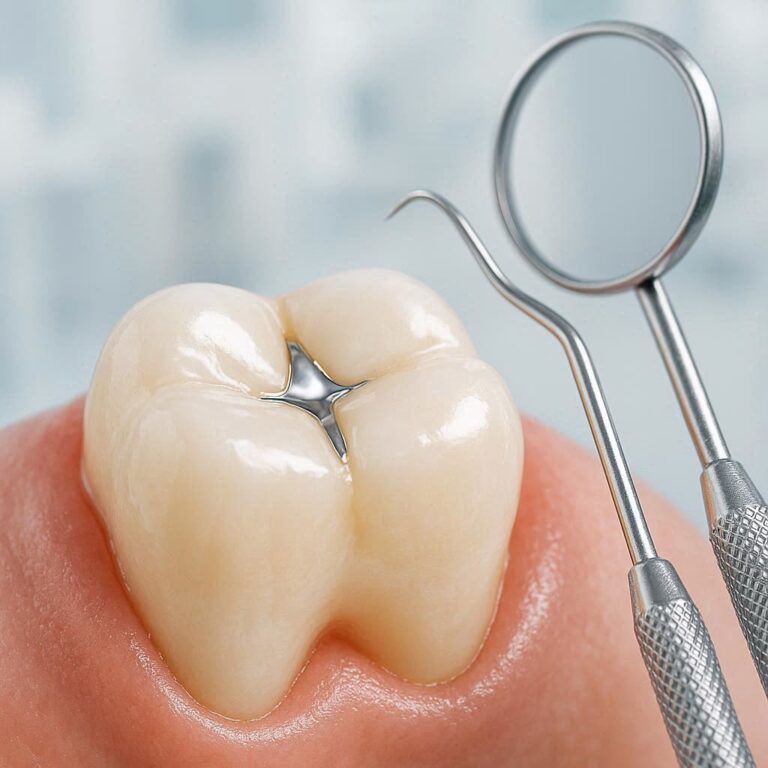
It’s important to distinguish cosmetic dentistry from general or restorative dentistry. A filling is necessary to treat decay (restorative), but a tooth-colored composite filling chosen to match your natural tooth shade has a cosmetic component. Cosmetic procedures are typically elective, sought out by individuals who want to address issues like discoloration, chips, gaps, or misalignment.
Dr. Elena Rodriguez, DDS, a cosmetic dentist in Beverly Hills, notes: “Today’s patients are savvy. They understand that cosmetic dentistry is an investment in themselves. Our consultations are less about selling a procedure and more about co-creating a plan that achieves the patient’s vision while ensuring oral health foundations are solid. The cost reflects this comprehensive, customized approach.”
Common Cosmetic Dental Procedures
The field encompasses a wide range of treatments, from simple, single-visit solutions to complex, multi-step smile makeovers. Here’s a brief overview of the most popular procedures you’ll encounter:
-
Teeth Whitening: Professional bleaching to remove stains and lighten tooth shade.
-
Dental Veneers: Thin, custom-made shells of porcelain or composite resin bonded to the front of teeth.
-
Dental Bonding: Application of a tooth-colored resin material to repair chips, cracks, or gaps.
-
Dental Crowns: Tooth-shaped “caps” that restore a tooth’s shape, size, strength, and appearance.
-
Orthodontics (Braces & Clear Aligners): Systems like traditional braces, ceramic braces, or clear aligner trays (e.g., Invisalign) to straighten teeth.
-
Dental Implants: Titanium posts surgically placed in the jawbone to replace missing tooth roots, topped with a crown.
-
Gum Contouring: Reshaping the gum line to create a more balanced, aesthetically pleasing smile.
Each of these solutions addresses different concerns and, consequently, comes with its own pricing structure and considerations.
Breaking Down the Costs: A Procedure-by-Procedure Analysis
Providing exact prices is challenging, as they vary dramatically based on location, provider expertise, and case complexity. However, the following tables offer realistic national average ranges in the United States to give you a foundational understanding. Remember, a detailed consultation with a qualified dentist is the only way to get an accurate quote for your specific situation.
Cost Ranges for Common Cosmetic Procedures
| Procedure | Average Cost Range (Per Tooth/Arch/Set) | Key Notes |
|---|---|---|
| Professional In-Office Whitening | $300 – $1,000 (per arch) | Highest concentration of bleach; fastest results (often in one visit). |
| Take-Home Professional Kits | $100 – $400 (for both arches) | Custom trays from your dentist; lower concentration gel used over weeks. |
| Composite Dental Bonding | $200 – $600 (per tooth) | Less expensive than veneers; good for minor repairs; may stain over time. |
| Porcelain Veneers | $925 – $2,500 (per tooth) | High durability and stain resistance; requires removal of a small amount of enamel. |
| Dental Crowns (Porcelain) | $1,000 – $3,500 (per crown) | Needed for severely damaged teeth; cost varies by material (porcelain-fused-to-metal is often less). |
| Traditional Metal Braces | $3,000 – $7,000 (full treatment) | Most effective for complex cases; cost often inclusive of all adjustments. |
| Clear Aligners (e.g., Invisalign) | $3,000 – $8,000 (full treatment) | Nearly invisible; removable; price depends on case complexity (Express vs. Comprehensive). |
| Single Dental Implant | $3,000 – $6,000 (for the entire process) | This is a total cost estimate including implant post, abutment, and crown. A significant investment but the most permanent solution. |
| Gum Contouring | $500 – $3,000 (full procedure) | Cost depends on the amount of gum tissue being reshaped and the technology used (laser vs. scalpel). |
Important Note: The prices listed are for the cosmetic procedure itself. They often do not include additional costs that may be necessary for a successful outcome, such as diagnostic X-rays, 3D scans ($250-$500), preliminary cleanings, treatment for gum disease, or tooth extractions.
Understanding the Full Implant Cost Breakdown
Because dental implants are a significant and multi-faceted investment, they deserve a closer look. The total fee is rarely a single number but a sum of several components.
Detailed Breakdown of a Single Dental Implant Cost
| Stage/Component | Description | Average Cost Range |
|---|---|---|
| Initial Consultation & Imaging | Comprehensive exam, X-rays, and often a 3D CBCT scan to plan implant placement. | $150 – $500 |
| Bone Grafting (if needed) | Adds volume and density to the jawbone to support an implant. Not always required. | $300 – $3,000 |
| Implant Post (Surgery) | The titanium screw itself and the surgical procedure to place it into the jawbone. | $1,500 – $3,000 |
| Abutment | The connector piece that attaches to the implant post and holds the crown. | $300 – $800 |
| Crown (Implant-Supported) | The custom-made artificial tooth that is visible above the gum line. | $1,000 – $2,500 |
| Possible Extractions | Removal of a damaged tooth before implant placement. | $150 – $650 |
| Sedation/Anesthesia | For comfort during the surgical procedure. | $200 – $800 |
Potential Total Range: $3,600 – $8,250+ per implant. This illustrates why getting a comprehensive, all-inclusive quote is essential.
The 7 Key Factors That Determine Your Final Price
Why does the cost for, say, veneers vary so widely? Your final quote is a personalized calculation based on several critical variables.
-
Geographic Location: Dentistry costs more in major metropolitan areas and coastal cities (e.g., New York, San Francisco) compared to suburban or rural locations, reflecting higher overheads like office rent and staff salaries.
-
Dentist’s Expertise and Credentials: A dentist with extensive post-graduate training in cosmetic dentistry, accreditation from bodies like the American Academy of Cosmetic Dentistry (AACD), or a renowned reputation typically commands higher fees. This expertise often translates to superior aesthetic results and treatment planning.
-
Case Complexity and Customization: Are you whitening a few teeth or undergoing a full-mouth reconstruction? The more complex your needs—requiring more time, materials, and ancillary procedures—the higher the cost. A truly custom smile design takes significant skill and labor.
-
Materials and Technology Used: High-quality, dental-grade materials cost more. For example, premium porcelain for veneers or crowns offers better aesthetics and longevity than standard options. Practices that invest in state-of-the-art technology (digital scanners, 3D printers, laser dentistry) may have higher fees but can offer greater precision, comfort, and efficiency.
-
Number of Teeth Involved: This is straightforward: treating eight teeth with veneers will cost approximately eight times the per-tooth price (though some dentists offer discounts for multiple units).
-
Type of Dental Practice: A large, branded cosmetic dental clinic with extensive marketing may price differently than a small, established private practice. There’s no universal “better” option; focus on the dentist’s portfolio and your comfort level.
-
Ancillary and Preparatory Procedures: Your cosmetic goal may require a foundation of health. This can include treatment for gum disease ($500-$2,000+), root canal therapy on a damaged tooth ($700-$1,800), or orthodontics to properly align teeth before placing veneers. These are critical for long-term success and add to the total investment.
How to Finance Your Smile Transformation
Given that cosmetic dentistry is often not covered by insurance, several payment strategies can make your goal more accessible.
-
Dental Insurance: Check your policy carefully. Most exclude purely cosmetic procedures. However, if a procedure has a restorative benefit (e.g., a crown on a cracked tooth), a portion might be covered. Always get a pre-treatment estimate from your insurer.
-
Practice Payment Plans: Many dental offices offer in-house monthly payment plans, sometimes with little or no interest for a promotional period.
-
Third-Party Medical Financing: Companies like CareCredit or LendingClub Patient Solutions offer credit lines specifically for healthcare expenses. They often provide interest-free periods (e.g., 6, 12, or 18 months) if the balance is paid in full within that time.
-
Health Savings Account (HSA) or Flexible Spending Account (FSA): These tax-advantaged accounts allow you to use pre-tax dollars to pay for eligible medical expenses, which can include many cosmetic procedures if deemed medically necessary by your dentist (e.g., implants to restore function).
-
Personal Savings or Loans: Using savings avoids debt, while a personal loan from a bank or credit union provides a lump sum with a fixed interest rate.
A Helpful Tip: When comparing financing options, always look at the Annual Percentage Rate (APR) and the total amount you will repay over time, not just the monthly payment.
The True Value: More Than Just a Price Tag
While the initial cost is a major consideration, evaluating the long-term value is crucial. This includes:
-
Longevity and Durability: A high-quality porcelain veneer, professionally placed, can last 15-20 years or more with proper care. A cheaper, less skillfully placed alternative may fail in 5-7 years, costing you more in replacements and repairs over your lifetime.
-
Aesthetic Quality and Natural Results: The skill of your dentist directly impacts how natural, beautiful, and functional your final smile will be. This is an artistic craft.
-
Improved Oral Health and Function: Correctly aligned teeth are easier to clean, reducing decay and gum disease risk. Replacing missing teeth with implants preserves jawbone health.
-
Boost in Confidence and Quality of Life: The psychological and social benefits of a smile you love to share are immense and can positively affect personal and professional interactions.
Your Action Plan: How to Get an Accurate Quote
-
Do Your Research: Look for dentists with strong before-and-after portfolios, positive patient reviews, and relevant credentials (e.g., AACD membership).
-
Schedule Multiple Consultations: It’s wise to consult with 2-3 qualified providers. Consultations are often low-cost or even free.
-
Ask the Right Questions During Your Consultation:
-
Is this the best procedure for my specific goals?
-
Can you provide a detailed, written estimate that includes all potential costs (surgery, materials, lab fees, anesthesia, follow-up visits)?
-
What is your experience with cases like mine? Can I see examples?
-
What are the risks and long-term maintenance requirements?
-
What financing options do you offer?
-
-
Review the Treatment Plan Thoroughly: Ensure you understand every line item before committing. A reputable dentist will be transparent and patient with your questions.
A Final, Critical Consideration: Beware of deals that seem too good to be true. Extremely low prices for complex work like veneers or implants may indicate the use of inferior materials, less experienced dentists or technicians, or a business model that rushes procedures. Your smile and oral health are worth investing in a qualified professional.
Conclusion
Navigating the world of cosmetic dentistry costs requires looking beyond a single price tag. It involves understanding the detailed breakdown of procedures, recognizing the factors that influence price, and weighing the long-term value of quality work. By focusing on finding a skilled, trustworthy provider and exploring all available financial options, you can make a confident investment in a smile that enhances your health, confidence, and life for years to come.
Frequently Asked Questions (FAQ)
Q: Does dental insurance cover cosmetic procedures?
A: Typically, no. Standard dental insurance is designed to cover medically necessary treatments (fillings, extractions, some crowns). Purely cosmetic procedures like veneers or whitening are almost always excluded. However, always submit a pre-treatment estimate to your insurer, as some plans may offer minor allowances for certain procedures.
Q: What is the single most affordable cosmetic dental procedure?
A: For addressing minor stains, professional take-home whitening kits offer a significant improvement at a relatively low cost. For repairing small chips or gaps, dental bonding is generally the most cost-effective per-tooth treatment.
Q: How can I save money on cosmetic dentistry without compromising quality?
A: Consider these strategies: 1) Get multiple detailed quotes to understand market rates in your area. 2) Ask about phased treatment—addressing the most important areas first and others later. 3) Explore dental schools, where supervised students perform procedures at a reduced rate. 4) Prioritize health-first; addressing issues like gum disease early prevents more costly problems later.
Q: Are there non-surgical alternatives to procedures like veneers?
A: Yes, for some cases. Dental bonding can address similar issues as veneers (chips, small gaps) but with less tooth reduction. For mild to moderate crowding, clear aligners might be an alternative to “instant” smile makeovers with veneers. A consultation will determine the best option for your specific anatomy and goals.
Q: How long do cosmetic dental results typically last?
A: Longevity varies by procedure and your oral hygiene habits. Teeth whitening results can last 6 months to 3 years. Veneers and crowns can last 10-20+ years. Dental implants, with proper care, are designed to last a lifetime, though the crown on top may need replacement after 15-20 years.
Additional Resources
-
American Academy of Cosmetic Dentistry (AACD): An excellent resource for finding accredited cosmetic dentists and learning more about procedures and standards of care. Visit their website at [www.aacd.com].
-
American Dental Association (ADA): Provides general information on oral health and can help you verify a dentist’s credentials.
-
CareCredit & LendingClub Patient Solutions: To research and pre-apply for healthcare financing options.
Disclaimer: This article is for informational purposes only and does not constitute medical or financial advice. Costs are estimates and vary widely. All treatment decisions should be made in consultation with a licensed dental professional after a thorough examination.
Date: January 01, 2026
Author: The Smile Guide Editorial Team