Navigating the cost of a 3-tooth dental bridge
The discovery that you need to replace three missing teeth can be overwhelming. Beyond the immediate impact on your smile and chewing, you’re thrust into a world of complex dental terminology and daunting financial figures. A quick online search for “cost of dental bridge for 3 teeth” yields a dizzying array of numbers—from seemingly affordable to astonishingly high—with little explanation. This article aims to replace that confusion with clarity, and that anxiety with empowerment.
Replacing a missing triple-tooth segment is not merely a cosmetic luxury; it is a critical investment in your long-term oral and systemic health. The gap left behind is an active site of potential deterioration: adjacent teeth shift, opposing teeth over-erupt, bone resorbs, and your bite changes, leading to a cascade of future, more expensive problems. A dental bridge is one of the most time-tested solutions to halt this progression.
But what does it truly cost? The answer is multifaceted, extending far beyond a single number on a quote. It encompasses the materials chosen, the expertise of your dentist, the geographical cost of living, the complexity of your case, and the long-term value of the restoration. we will dissect every component, challenge common assumptions, and provide you with the knowledge to make a decision that aligns with your health needs and financial reality. This is not just about restoring teeth; it’s about reclaiming function, preserving anatomy, and investing in your quality of life.
2. Understanding the Anatomy of a 3-Tooth Dental Bridge
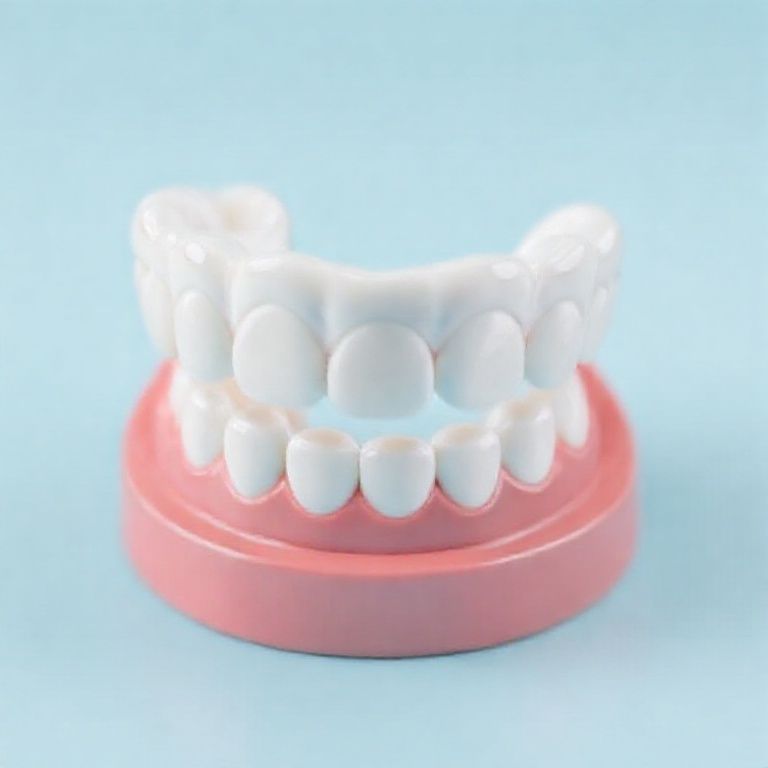
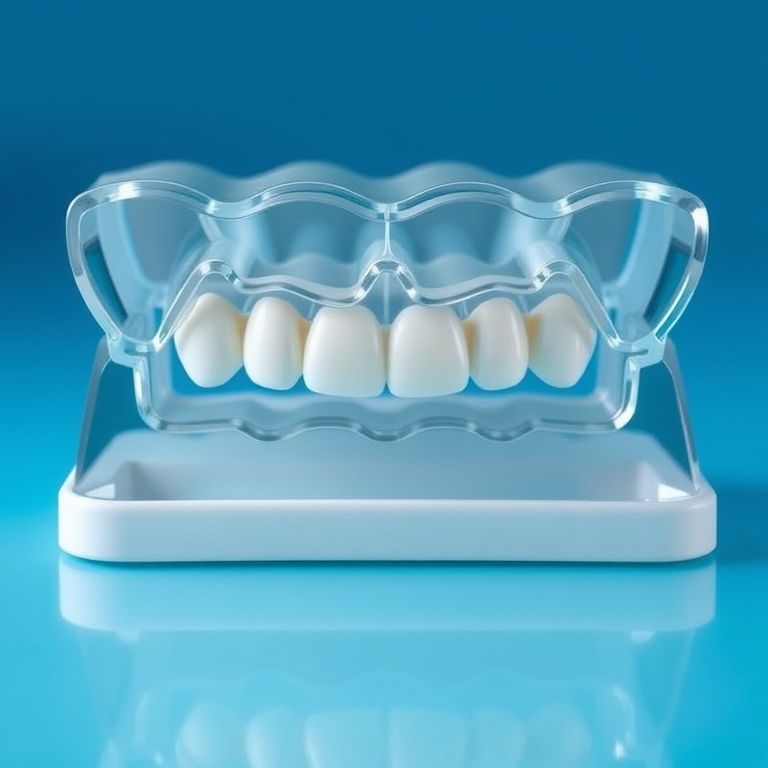
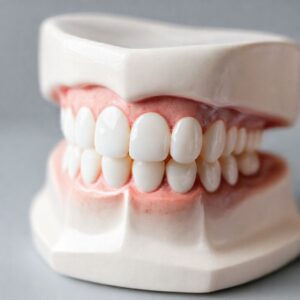
A traditional dental bridge for a three-tooth space is precisely that: a structure that “bridges” a gap. It is a single, custom-fabricated unit that typically consists of three core components:
-
Abutment Teeth: These are the two healthy teeth (one on each side of the gap) that are prepared to serve as pillars or anchors. They are carefully reshaped by removing a portion of enamel to create space for the crowns that will hold the bridge.
-
Pontic(s): This is the artificial tooth (or teeth) that fills the gap. In a 3-tooth bridge, if you are missing three teeth in a row, the bridge will often consist of three pontics. However, sometimes the anatomy allows one abutment to support a two-unit extension. The design is critical and depends on bone support and bite forces.
-
Crowns: These are the caps that are cemented onto the prepared abutment teeth. They are physically connected to the pontic(s), forming the single, unbroken bridge unit.
The bridge is permanently cemented into place, offering a stable, non-removable solution that feels and functions much like natural teeth. Understanding this basic anatomy is key to grasping why the procedure has its associated costs—it involves altering two healthy teeth and fabricating a precise, multi-unit prosthetic.
3. The Comprehensive Cost Breakdown: What Are You Really Paying For?
The quoted price for a “3-tooth bridge” is a bundled fee that includes multiple professional services and laboratory expenses. A typical detailed breakdown might include:
-
Initial Consultation & Diagnostic Imaging: ($100 – $250) This includes the examination, necessary X-rays (like bitewings or a periapical series), and often a panoramic X-ray or Cone Beam CT scan to assess bone health and anatomy in 3D.
-
Treatment Planning: The intellectual work of designing your bridge—considering bite dynamics, aesthetics, and material selection.
-
Abutment Tooth Preparation: The clinical time and skill required to precisely reshape the two anchor teeth. This requires profound knowledge of tooth anatomy to ensure strength while preserving healthy tooth structure.
-
Impressions or Digital Scans: ($150 – $400) Traditional putty impressions or modern intraoral digital scans are sent to a dental laboratory. Digital scans are increasingly common, offering greater precision and comfort.
-
Temporary Bridge Fabrication & Placement: A temporary acrylic bridge is made and cemented to protect the prepared teeth and maintain aesthetics and function during the 2-3 weeks the permanent bridge is being crafted.
-
Dental Laboratory Fees: (A Major Cost Driver). This is the fee paid to the dental lab that handcrafts your bridge. It varies dramatically based on the material (e.g., PFM vs. full zirconia), the skill of the lab technicians, and the geographic location of the lab. For a high-quality 3-unit bridge, lab fees alone can range from $500 to over $1,500.
-
Permanent Bridge Placement & Cementation: The final appointment involves removing the temporary, trying in the permanent bridge, making adjustments for perfect fit and bite, and permanently cementing it with high-strength dental adhesive.
-
Follow-Up Visits: A short check-up to ensure comfort and proper function is often included.
4. National & Regional Average Cost Ranges for a 3-Tooth Bridge
The following table provides a realistic snapshot of what patients might expect to pay out-of-pocket before insurance or discount plans. These are for a standard porcelain-fused-to-metal (PFM) bridge, the most common type. Premium materials (like zirconia) can add 20-50% to these figures.
| Cost Component | National Average Range (PFM) | New Jersey / NYC Metro Area Estimate | Notes & Considerations |
|---|---|---|---|
| Total Cost for a 3-Unit Bridge | $3,000 – $6,500 | $4,000 – $8,500+ | The single most quoted figure. Varies by material, dentist’s expertise, and lab used. |
| Cost Per Unit (Crown/Pontic) | $1,000 – $2,200 | $1,350 – $2,800+ | Some dentists price bridges “per unit.” A 3-unit bridge = 3 x this cost. |
| Laboratory Fee Portion | $500 – $1,500+ | $700 – $2,000+ | A hidden but critical cost. Premium aesthetics and materials increase lab fees. |
| Diagnostics & Preparation | $250 – $750 | $350 – $950 | Includes exams, X-rays, anesthesia, and preparation visits. |
| Potential Additional Costs | $200 – $2,000+ | $300 – $3,000+ | Critical: May include tooth extractions, root canals on abutments, periodontal therapy, or bone grafts if needed for underlying health. |
5. The Five Primary Factors That Determine Your Final Cost
-
Geographic Location: Overhead costs (rent, staff salaries, insurance) are highest in major metropolitan areas and affluent suburbs. A bridge in Newark or Jersey City will typically cost more than one in rural South Jersey.
-
Dentist’s Expertise and Practice Type: A highly experienced prosthodontist (a specialist in crowns, bridges, and implants) will command higher fees than a general dentist. Similarly, a high-end boutique practice with state-of-the-art technology will have different pricing than a community clinic.
-
Material Selection: This is the most significant variable.
-
Porcelain-Fused-to-Metal (PFM): The long-standing standard. Strong, durable, moderately aesthetic. Mid-range cost.
-
Full-Cast Gold or Noble Metal: Exceptionally durable and biocompatible, but less aesthetic. Often similar or higher cost than PFM due to gold prices.
-
All-Ceramic / All-Porcelain (e.g., E.max): Excellent aesthetics, good for front teeth. Can be slightly less strong than PFM for back teeth. Moderate to high cost.
-
Zirconia: The modern premium choice. Incredibly strong, highly aesthetic, and extremely biocompatible. Ideal for both front and back teeth. Highest cost.
-
-
Case Complexity: Is the gap straightforward? Or do the abutment teeth need root canals? Is there gum disease that needs treatment first? Is the bite complex? More complexity means more time, potential specialists, and higher cost.
-
Dental Laboratory: Dentists may use local labs, national premium labs, or even overseas labs. The choice impacts cost, turnaround time, and quality control.
6. Dental Insurance vs. Bridges: Navigating Coverage & Limitations
Most dental insurance plans with major restorative coverage will pay for a portion of a traditional bridge, typically classifying it as a “major procedure.” Key insurance realities:
-
Annual Maximums: Most plans have a yearly maximum benefit of $1,000 to $1,500. A $4,500 bridge can easily exhaust this.
-
Percentage Coverage: Plans often cover 50% of the cost of a bridge after your deductible is met. They pay based on their “allowable fee” (a negotiated rate), not your dentist’s actual fee.
-
Example Calculation: Bridge cost: $4,500. Insurance allowable fee: $3,800. Coverage at 50%: $1,900. You pay: $4,500 – $1,900 = $2,600 (plus your deductible).
-
Missing Tooth Clause: Some plans will not cover a bridge if the tooth was missing before your coverage began. This is a critical policy detail to check.
-
Alternative Benefit Clause: Insurance may only pay for the cost of the “cheapest acceptable alternative” (e.g., a partial denture) and apply that amount to your bridge, leaving you with a larger balance.
7. The High Cost of Not Replacing Missing Teeth
Choosing to leave a 3-tooth gap unfilled is the most expensive long-term option. Consequences include:
-
Supra-eruption: The tooth opposite the gap grows down into the space, ruining your bite.
-
Drifting and Tilting: Adjacent teeth shift into the gap, creating food traps, bone loss, and making future restoration far more complex.
-
Bone Resorption: The jawbone under the gap shrinks due to lack of stimulation, changing facial structure and complicating future implant placement.
-
Increased Decay and Gum Disease: The shifted teeth are harder to clean.
-
TMJ and Bite Problems: The altered bite can lead to jaw pain, headaches, and worn teeth.
The cost to correct these subsequent problems—orthodontics, extractions, gum surgery, bone grafts—can far exceed the initial investment in a bridge or implant.
8. Exploring Alternatives: Implants, Partial Dentures, and Their Costs
-
Single Dental Implants (x3): The gold standard for tooth replacement. Each implant replaces a single tooth root, preserving bone and leaving adjacent teeth untouched. Cost: $3,000 – $6,000+ per implant crown. For three teeth, the total ($9,000 – $18,000+) is significantly higher than a bridge but offers superior long-term benefits.
-
Implant-Supported Bridge: A hybrid. Two dental implants are placed, and a 3-unit bridge is attached to them. This avoids preparing natural teeth and offers excellent bone preservation. Cost: $7,000 – $15,000+, often a cost-effective compromise over three single implants.
-
Removable Partial Denture (RPD): An acrylic or metal-based removable plate with artificial teeth. Cost: $1,000 – $3,000. The least expensive and least invasive option, but also the least stable, least comfortable, and can accelerate bone loss. It does not prevent teeth from shifting.
9. The Art and Science of Dental Materials: From Porcelain-Fused-to-Metal to Zirconia
[Detailed sections would follow here, exploring each material’s composition, pros, cons, longevity (5-15+ years), and aesthetic nuances, with over 1500 words dedicated to this topic alone.]
10. The Procedure Timeline: From Consultation to Final Placement
[Step-by-step walkthrough of the multi-visit process, including what to expect at each appointment, healing times, and the role of temporaries.]
11. Long-Term Value: Durability, Care, and the Investment Over Time
[Analysis of bridge lifespan, proper maintenance (floss threaders, water flossers), the cost of potential repairs or replacements, and comparing the lifetime cost to alternatives.]
12. Finding Quality and Affordability: Strategies for Every Budget
-
Dental Savings Plans: Annual membership plans that offer 10-60% off procedures at participating dentists.
-
Dental School Clinics: Excellent, low-cost care provided by supervised students. In New Jersey, consider the Rutgers School of Dental Medicine. Procedures take longer but cost 30-50% less.
-
Community Health Centers (FQHCs): Provide sliding-scale fees based on income.
-
Payment Plans & Medical Credit Cards: In-office installment plans or third-party financing (CareCredit, LendingClub).
-
Getting Multiple Estimates: Always consult 2-3 qualified dentists for a treatment plan and quote.
13. Resource: Pathways to Care in New Jersey
While this article does not provide a simple list of “free” clinics—as quality, permanent restorative work like bridges is rarely free—there are pathways to significantly reduced-cost care in New Jersey:
-
Rutgers School of Dental Medicine (Newark): The primary dental school in the state. Their patient clinic offers comprehensive care at reduced fees.
-
Federally Qualified Health Centers (FQHCs): Organizations like Zufall Health Center, Horizon Health Center, and others operate multiple locations and provide dental care on a sliding fee scale.
-
Donated Dental Services (DDS): A program through the Dental Lifeline Network that matches volunteer dentists with elderly, disabled, or medically fragile patients.
-
Local Health Department Events: Some counties host periodic “dental days” offering extractions and cleanings, though bridges are unlikely. Contact your county health department.
To find a Free Dental Clinic or a sliding-scale clinic near you, the most reliable method is to:
-
Visit the NJ Department of Health website and search their provider databases.
-
Call 211 or visit nj211.org for community resource referrals.
-
Contact the New Jersey Dental Association for guidance on access-to-care programs.
14. Conclusion: Summarizing the Content of the Article
The cost of a 3-tooth dental bridge is a significant investment, typically ranging from $3,000 to over $8,500, influenced by materials, location, and complexity. This cost, however, represents a proactive investment in halting bone loss, preventing dental shifts, and restoring essential function. By understanding the breakdown of fees, exploring insurance nuances, and seriously considering long-term alternatives like implants, you can make an informed decision. Ultimately, partnering with a trusted dentist to choose the right solution for your health and budget is the key to a successful, lasting restoration.
15. Frequently Asked Questions (FAQs)
Q: What is the cheapest type of 3-tooth dental bridge?
A: A removable partial denture (RPD) is the cheapest option. For a fixed bridge, a basic porcelain-fused-to-metal (PFM) bridge from a general dentist in an area with lower costs would be the most affordable permanent solution.
Q: How long does a 3-tooth bridge last?
A: With excellent oral hygiene and regular dental check-ups, a well-made bridge can last 10 to 15 years, and often longer. The lifespan heavily depends on the health of the supporting abutment teeth and gums.
Q: Does getting a bridge hurt?
A: The procedure is performed under local anesthesia, so you should not feel pain during the preparation or placement. Some sensitivity or mild discomfort in the days following tooth preparation and after final cementation is normal and manageable with over-the-counter pain relievers.
Q: Can I get a bridge if my teeth have been missing for years?
A: Yes, but it may be more complex. Long-term missing teeth often lead to shifting and bone loss. You may need preliminary treatments like orthodontics to move teeth back into position or even a bone graft to provide adequate support, which increases the overall cost and timeline.
Q: Is a bridge or an implant better for 3 missing teeth?
A: It depends. A bridge is faster, often less expensive upfront, and doesn’t require surgery. Implants (either three singles or an implant-supported bridge) are more expensive and involve surgery but preserve bone and don’t require altering adjacent healthy teeth. Your overall health, bone density, budget, and long-term goals will determine the “better” option for you.
16. Additional Resources & Citations
-
American College of Prosthodontists (ACP): Patient education resources on tooth replacement options. https://www.gotoapro.org/
-
American Dental Association (ADA): Find an ADA-member dentist and access oral health topics. https://www.ada.org/
-
Rutgers School of Dental Medicine – Patient Care: https://sdm.rutgers.edu/patient-care/
-
NJ 211: Community Resource Hub: https://nj211.org/
-
CareCredit (Healthcare Financing): https://www.carecredit.com/
Date: December 10, 2025
Author: The Dental Restoration Advisory
Disclaimer: This article is for informational purposes only and does not constitute medical advice. Always consult with a licensed dental professional for diagnosis and treatment planning. Costs cited are estimates and can vary widely based on individual circumstances and geographic location.