cost of dental implant for one molar tooth
The moment you learn you need a dental implant, especially for a crucial workhorse like a molar, a single, daunting question eclipses all others: “How much is this going to cost?” A quick online search yields a dizzying array of numbers—$1,500, $3,000, $6,000—leaving you more confused than enlightened. The truth is, the cost of a single molar implant is not a flat fee but a personalized equation, a reflection of biological complexity, architectural precision, and long-term health strategy. This article moves beyond the simplistic price tag to dissect the profound investment you are considering. We will navigate the layered financial landscape, from the titanium root nestled in your jaw to the ceramic crown that bears the force of your bite. Understanding this investment is not merely about budgeting; it’s about comprehending the value of oral integrity, the prevention of silent bone loss, and the restoration of effortless function. Here, we equip you with the knowledge to transition from a passive recipient of a quote to an informed participant in your own care, capable of discerning between mere expense and genuine value.

The Anatomy of an Implant: Why a Molar Isn’t Just Another Tooth
To appreciate the cost, one must first understand the sophistication of the procedure. A dental implant is not a simple tooth replacement; it is a state-of-the-art prosthetic organ. For a molar, the challenges are magnified. The posterior region of the mouth is a realm of immense biomechanical forces. Every time you chew, your molars sustain pressures ranging from 150 to over 200 pounds per square inch. Therefore, the implant system replacing a molar must be engineered for durability and integration.
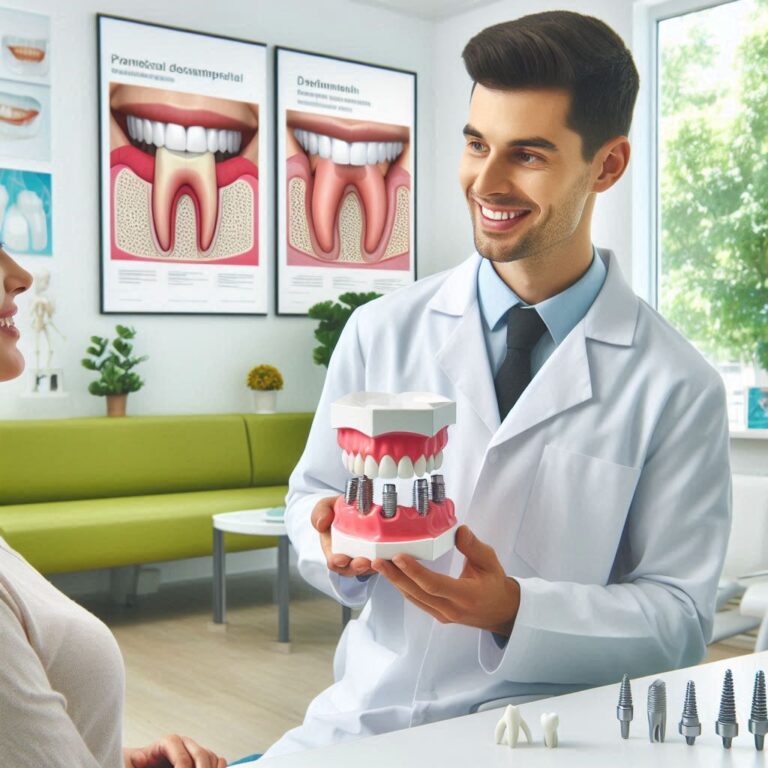
The process unfolds in biological stages. First, the implant fixture—a medical-grade titanium screw—is surgically placed into the jawbone. This isn’t just insertion; it’s a calculated maneuver to maximize contact with healthy bone. Over the next 3 to 6 months, a biological miracle called osseointegration occurs, where the bone cells fuse directly to the titanium surface, creating a living, load-bearing foundation unparalleled by any other dental restoration. Following this, an abutment is attached to the fixture, serving as the connective anchor. Finally, the custom-fabricated crown is secured atop the abutment, meticulously designed to match your bite and the shade of your adjacent teeth. Each of these components—fixture, abutment, crown—carries its own cost, and each surgical and restorative appointment requires expertise, technology, and time. The molar implant is, in essence, a multi-disciplinary project of oral rehabilitation, justifying its position as a premium dental service.
The National Cost Spectrum: A Starting Point for Conversation
In 2025, the national average cost for a single tooth dental implant in the United States ranges from $3,000 to $6,000. This figure typically represents a complete, straightforward case from surgery to final crown placement. However, this range is a broad canvas, and the final price is painted with the specifics of your individual case. A molar implant tends to sit in the mid-to-upper end of this spectrum due to the functional demands mentioned. It is critical to understand that this “all-in” average often quoted by dental practices is a bundled fee. It may or may not include every conceivable related expense. Some providers offer a package price, while others provide an à la carte estimate. This initial number should be the beginning of your inquiry, not the end of it. The following sections will deconstruct this bundle into its elemental parts, empowering you to understand exactly what you are paying for and why significant deviations from this average occur.
The Core Cost Breakdown: Where Does Your Money Go?
The total fee is a composite of several distinct categories:
-
Diagnostics & Treatment Planning: This is the blueprint phase. It includes comprehensive examinations, detailed X-rays (like a panoramic film), and almost invariably, a Cone Beam Computed Tomography (CBCT) scan. The CBCT is a 3D imaging tool that provides a precise map of your jawbone, revealing bone height, width, density, and the exact location of vital structures like nerves and sinuses. This technology mitigates surgical risk and is essential for precision, but it adds several hundred dollars to the upfront cost.
-
Surgical Fees: The fee for the oral surgeon or periodontist who performs the implant placement surgery. This covers their expertise, the surgical procedure itself, anesthesia, and the use of the surgical suite.
-
Implant Fixture Cost: The cost of the titanium implant screw itself. There are hundreds of implant brands globally, from long-established, research-backed systems (e.g., Nobel Biocare, Straumann, Zimmer Biomet) to more economical “value” brands. The difference lies in the surface technology that promotes osseointegration, the manufacturing precision, and the long-term clinical data supporting their success rates.
-
Abutment Fee: The cost of the connector piece. This can be a standard stock abutment or a custom-milled abutment (typically from zirconia or titanium), which is more expensive but offers a superior fit and aesthetic emergence profile for the gum tissue.
-
Restorative Fees: The fee for the restorative dentist (who may also be the surgeon in some cases) who takes impressions, designs the crown, and fits the final restoration. This covers their time, expertise, and laboratory communication.
-
Crown/Ceramic Restoration Cost: This is often the most variable material cost. It includes the dental laboratory fee and the chosen material: porcelain-fused-to-metal (PFM), all-ceramic (e.g., lithium disilicate like e.max), or monolithic zirconia. Each has different price points, aesthetics, and strength characteristics.
-
Bone Grafting & Sinus Lift (if needed): This is the most common “add-on” cost. If you have lacked a tooth for some time, the jawbone naturally resorbs (shrinks). To place an implant, you may need a bone graft to rebuild the site. For upper molars, the sinus cavity may descend into the space, necessitating a sinus lift procedure to create room. These are separate, complex surgical procedures that can add $500 to $3,000+ to the total cost.
-
Sedation/Anesthesia: Beyond local anesthetic, options like IV sedation or general anesthesia for complex cases or anxious patients incur additional fees.
-
Post-Operative Care & Follow-up: Included in most surgical fees, this covers the necessary check-ups to monitor healing.
The Surgical Phase: Foundation Costs
The surgical appointment is where the physical investment begins. The surgeon’s fee is a reflection of their training, experience, and the complexity of the placement. A simple, straightforward placement in ample, healthy bone will command a lower surgical fee than a case requiring strategic angulation, immediate placement after extraction, or navigating close to a nerve. The choice of implant brand also plays a role here. Premium systems often come with advanced surgical guides and instrumentation that the surgeon may factor into their fee. Furthermore, the type of anesthesia used significantly impacts cost. Nitrous oxide (“laughing gas”) is less expensive than oral conscious sedation, which is in turn less expensive than IV sedation administered by an anesthesiologist. The surgical phase is the cornerstone of the entire implant’s success, and investing in a highly skilled clinician is often the most consequential financial decision in the process.
The Restoration Phase: The Visible Crown and Its Cost Variables
Once osseointegration is secure, the restorative phase begins. This is where art meets science. The crown must be incredibly strong to withstand molar forces, yet aesthetically blend with your natural dentition. The restorative dentist’s fee covers the clinical steps: placing the healing abutment, taking precise digital or physical impressions, determining the bite, and cementing or screwing the final crown. The laboratory fee, a major component, is dictated by the crown material and the lab’s caliber.
Comparative Analysis of Molar Implant Crown Materials
| Material | Approximate Cost Range (Crown & Lab Fee) | Key Advantages | Key Considerations | Best For |
|---|---|---|---|---|
| Porcelain-Fused-to-Metal (PFM) | $1,000 – $1,500 | Historic gold standard, very strong due to metal substructure, reliable. | Less aesthetic (opaque, can show a dark line at gum over time), requires more tooth reduction. | Budget-conscious cases where ultimate aesthetics are less critical for a posterior tooth. |
| Lithium Disilicate (e.max) | $1,400 – $2,000 | Excellent balance of strength and high-quality aesthetics, very natural translucency, bondable. | May not be recommended for patients with very heavy bites or bruxism in the molar region. | Patients seeking a great blend of durability and natural appearance for a first molar. |
| Monolithic Zirconia | $1,500 – $2,200 | Extreme strength and durability, highly fracture-resistant, excellent for heavy bite forces. Can be minimally thin. | Can be more opaque than natural teeth, though newer translucent versions are improving aesthetics. | The premier choice for second molars and patients with bruxism (teeth grinding). |
| Zirconia with Porcelain Veneer | $1,800 – $2,500 | Combines the strength of a zirconia core with the lifelike aesthetics of layered porcelain. | The porcelain veneering layer has a small risk of chipping over many years under extreme force. | First molars where aesthetics are highly important and maximum strength is still desired. |
The Silent Cost Drivers: What’s Not on the Initial Quote?
The most significant financial surprises arise from unanticipated pre-implant procedures. Bone grafting is the most common. After a tooth loss, the alveolar bone begins to atrophy. A CBCT scan will reveal if you have sufficient “bone volume” for an implant. If not, a graft is mandatory. This involves placing graft material (synthetic, bovine, or human donor bone) into the site, which must heal for 4-9 months before implant placement. Similarly, for upper molars, sinus augmentation is frequently required. The maxillary sinus is an air space that can expand, leaving inadequate bone height. A sinus lift procedure gently elevates the sinus membrane and places graft material beneath it. These procedures are surgeries in their own right, adding substantial time and cost to the overall treatment plan. Other hidden costs can include tooth extraction (if not already done), treatment for periodontal disease that must be controlled before surgery, or the management of medical comorbidities like diabetes that require special pre-operative protocols.
Geographic Chess: How New Jersey Location Impacts Your Bill
New Jersey presents a microcosm of national cost variations. The overhead costs of running a dental practice—rent, staff salaries, insurance, utilities—are substantially higher in affluent urban and suburban areas like Bergen County, Princeton, or the Jersey Shore towns compared to more rural regions in South Jersey or the northwestern counties. Consequently, a practice in Morristown or Hoboken will likely have higher fees than one in Vineland or Newton to cover these operational expenses. Furthermore, the concentration of highly specialized practitioners and surgical centers in proximity to major medical hubs (like those near NYC or Philadelphia) can also command a premium. It is not uncommon to see a cost variance of 15-25% for the same procedure across different regions within the state.
The Surgeon’s Hand: Expertise as a Premium
In implant dentistry, expertise is not a luxury; it is a primary determinant of long-term success. A clinician who has placed thousands of implants, who regularly engages in continuing education on advanced techniques, and who may hold credentials from recognized organizations like the American Board of Oral Implantology, brings invaluable skill to the table. This expertise often translates to a higher fee. However, this premium buys more than just the procedure—it buys precision, which reduces the risk of complications (like nerve injury or implant failure), and it buys predictability. A seasoned surgeon can often handle complex cases with more efficiency and may have greater success in achieving optimal esthetic and functional outcomes. Choosing a provider based solely on the lowest bid can be a financially and biologically costly decision if a revision surgery or corrective treatment is needed later.
Technology & Precision: The Cost of Advanced Care
Modern implant dentistry is increasingly digital and guided, enhancing both outcomes and patient comfort. Key technologies that may influence cost include:
-
Cone Beam CT (CBCT) Scans: As mentioned, these are now the standard of care for planning. The cost of the machine and software is reflected in the diagnostic fee.
-
Intraoral Scanners: Replacing messy putty impressions with a digital wand that creates a precise 3D model of your mouth.
-
Computer-Guided Implant Surgery: Using the CBCT scan and digital impressions, the surgeon plans the exact implant position, depth, and angle on software. A 3D-printed surgical guide is then fabricated, which fits over your teeth/gums during surgery to direct the drill with sub-millimeter accuracy. This minimizes invasiveness, reduces surgery time, and improves safety, but adds $500-$1,500 to the cost for the planning and guide fabrication.
-
CAD/CAM Milling: Many practices or labs now design and mill custom abutments and crowns in-office using computer-aided design and manufacturing, offering speed and precision.
Financing Your Implant: Pathways to Affordability
Facing a $5,000 procedure is daunting, but numerous financing options exist:
-
Dental Practice Payment Plans: Many offices offer in-house, interest-free or low-interest payment plans, allowing you to spread the cost over 6-18 months.
-
Third-Party Medical Financing: Companies like CareCredit, Alphaeon Credit, or LendingClub offer healthcare-specific credit lines. They often feature promotional periods with no interest if paid in full within a set time (e.g., 12, 18, or 24 months).
-
Flexible Spending Accounts (FSA) or Health Savings Accounts (HSA): These pre-tax accounts can be used to pay for qualified medical expenses, including implants, effectively giving you a discount equal to your tax rate.
-
Dental School Clinics: Institutions like Rutgers School of Dental Medicine provide implant services at a significantly reduced cost (often 30-50% less), as procedures are performed by supervised, licensed postgraduate residents. The trade-off is a longer appointment timeline.
-
Medical Insurance Cross-Coding: In rare cases where tooth loss is due to trauma or a congenital condition, a portion of the surgical procedure might be billed to medical insurance. This requires skillful coding by your surgeon’s office.
Insurance Nuances: Decoding the Fine Print
Traditional dental insurance is notoriously limited when it comes to implants. Most plans classify implants as a “major” or “prosthetic” service and have annual maximums typically between $1,000 and $2,000, which haven’t significantly increased in decades. They may cover a portion of the crown (e.g., 50% of their “allowable fee”) after you’ve met your deductible, but often exclude coverage for the surgical placement of the implant fixture and necessary bone grafts, considering them “elective” or “surgical.” It is imperative to obtain a pre-treatment estimate from your insurance company based on the specific codes your dentist provides. Understand your policy’s waiting periods, missing tooth clauses, and replacement schedules. Do not assume coverage; verify meticulously.
The High Cost of Not Getting an Implant: Long-Term Oral Health Economics
When weighing the cost, consider the long-term financial and biological consequences of alternatives or inaction.
-
Tooth-Supported Bridge: The traditional alternative. It seems cheaper upfront ($2,500-$5,000 for a 3-unit bridge). However, it requires grinding down two healthy adjacent teeth, making them vulnerable to decay and root canals. Bridges have a lifespan of 10-15 years and will likely need replacement, incurring new costs. They also do nothing to prevent bone loss beneath them.
-
Removable Partial Denture: The least expensive option ($300-$1,500) but often the least satisfactory. It can be uncomfortable, impair taste and speech, and requires adhesives. It provides minimal chewing function and accelerates bone loss in the area due to lack of stimulation.
-
Doing Nothing: Leaving a gap leads to bone resorption, which can collapse facial support, making you look older. Adjacent teeth will tilt, and opposing teeth will supra-erupt, leading to bite problems, TMJ disorders, and increased risk of decay and gum disease on these teeth—problems far more expensive to fix collectively than a single implant.
The implant, while a higher initial investment, is designed to last decades, often a lifetime, with proper care. It preserves bone, protects adjacent teeth, and restores normal function. Its cost per year over 30+ years is remarkably low compared to repeatedly replacing a bridge or denture.
The Consultation Imperative: Your Blueprint for Financial Clarity
Armed with this knowledge, your next step is the formal consultation. Treat this as an investigative meeting. A reputable provider will perform a thorough exam (likely with a CBCT), present a detailed, line-itemed written treatment plan, and discuss all fees transparently. Come prepared with questions: Is this an all-inclusive quote? What implant brand do you use and why? What is your experience with molar implants? What is the estimated timeline? What are the payment options? Obtain a second opinion. Comparing two detailed plans is the best way to ensure you understand both the clinical and financial roadmap.
Conclusion: The Synthesis of Value, Health, and Investment
The cost of a single molar dental implant is a multifaceted equation, blending surgical expertise, advanced materials, precise technology, and the unique contours of your anatomy. It represents an investment not in a mere commodity, but in long-term oral health, functional preservation, and quality of life. By moving beyond the initial price shock to understand the components, necessity of adjunctive procedures, and available financial pathways, you empower yourself to make a decision grounded in value rather than fear. In the landscape of dental health, the molar implant stands as a testament to modern medicine’s ability to restore what is lost, not just cosmetically, but fundamentally—offering a durable, predictable, and biologically sound solution that pays dividends in health and confidence for years to come.
Frequently Asked Questions (FAQs)
Q: What is the single biggest factor that increases the cost of my molar implant?
A: The most common and significant cost adder is the need for bone grafting or a sinus lift procedure. These are separate surgeries required to create an adequate foundation for the implant and can add $500 to $3,000 or more to the total cost.
Q: Is the cheapest implant option a good idea?
A: Not necessarily. While cost is important, the surgeon’s skill and experience are the most critical factors for long-term success. A low-cost implant from an unknown brand placed by a less-experienced clinician carries a higher risk of failure or complication, which can be far more expensive and difficult to correct later. Prioritize the provider’s expertise over the absolute lowest price.
Q: How long does the entire implant process take for a molar?
A: From initial consultation to final crown placement, a straightforward case typically takes 4 to 9 months. The majority of this time is the healing and osseointegration period (3-6 months) where the bone fuses to the implant. If bone grafting is needed, add 4-9 months of healing before the implant can even be placed, extending the total timeline to 8-18 months.
Q: Does dental insurance cover implants?
A: Coverage is often limited. Most plans have annual maximums ($1,000-$2,000) and may cover a portion of the crown (the prosthetic tooth) but often exclude the surgical placement of the implant fixture and bone grafts. Always obtain a pre-treatment estimate.
Q: What is the success rate of a molar dental implant?
A: In the hands of an experienced clinician, dental implants have a very high success rate, typically cited between 95% and 98% over 10 years. Success depends on patient health (e.g., controlled diabetes, non-smoking), oral hygiene, and proper placement. Molar implants are highly successful due to the generally good bone quality in the posterior jaws.
Additional Resources
-
American Academy of Implant Dentistry (AAID): https://www.aaid.com – Provides patient information, FAQs, and a credentialed find-a-dentist tool.
-
American College of Prosthodontists (ACP): https://www.gotoapro.org – Resource for understanding the restorative (crown/bridge) aspect of implant treatment and finding a specialist.
-
International Congress of Oral Implantologists (ICOI): https://www.icoi.org – A global organization offering patient education and a surgeon directory.
-
Rutgers School of Dental Medicine – Patient Care: https://sdm.rutgers.edu/patient-care/ – Information on seeking lower-cost care at a dental school clinic in New Jersey.
-
CareCredit (Financing): https://www.carecredit.com – A widely accepted healthcare credit card for procedures not fully covered by insurance.
Date: December 03, 2025
Author: The Healthcare Insights Team
Disclaimer: The information provided in this article is for educational and informational purposes only and does not constitute professional medical or financial advice. Dental implant costs and procedures can vary significantly based on individual patient circumstances, geographic location, and clinical findings. Always consult with a licensed dental professional for diagnosis, treatment plans, and precise cost estimates. The mention of specific techniques, materials, or potential funding options does not imply endorsement.