The Complete Guide to the Cost of Dental Implants in Cheshire, Ohio
For many residents of Cheshire and the surrounding Gallia County area, the idea of dental implants represents a chance to reclaim a confident smile and the simple joy of eating without worry. Yet, the first question that naturally arises is, “How much will it cost?” The answer, while not a single flat fee, doesn’t have to be a mystery. This guide is designed to demystify the investment in dental implants specifically for our community, providing you with clear, realistic, and comprehensive information to make an informed decision.
Understanding the cost is about more than just a number; it’s
about understanding the value. Dental implants are a long-term solution for missing teeth, offering benefits that go far beyond aesthetics. They preserve jawbone health, prevent facial collapse, and function just like natural teeth. In Cheshire, OH, the price you pay reflects a blend of local practice costs, the specific technology used, and the personalized care required for your unique situation. We’ll break down every factor, compare your options, and provide practical advice on making this vital health investment accessible.
What Exactly Are You Paying For? The Anatomy of an Implant Cost
A dental implant isn’t a single “tooth” you buy off a shelf. It’s a sophisticated, multi-component prosthetic and a surgical procedure. The total cost encompasses every step of this journey, from initial planning to the final crown. Let’s dissect what goes into the final figure you’ll receive from a Cheshire-area dental provider.
The Three Core Components of a Dental Implant
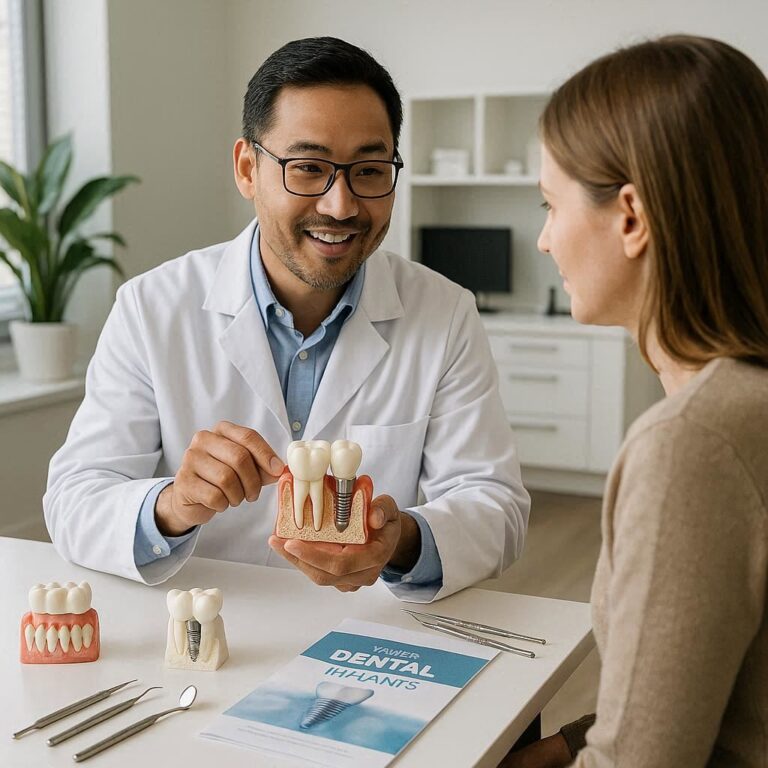
Every implant restoration consists of three essential parts, each with its own associated cost:
-
The Implant Fixture: This is the small, biocompatible titanium (or zirconia) screw that is surgically placed into your jawbone. It acts as an artificial tooth root. The cost includes the fixture itself and the precision of its surgical placement.
-
The Abutment: This is the connective piece that attaches to the top of the implant fixture. It serves as the sturdy foundation that will hold your final crown in place. Abutments can be standard or custom-made for optimal fit and aesthetics.
-
The Dental Crown: This is the visible, functional “tooth” part. It’s custom-crafted in a dental lab to match the color, shape, and size of your natural teeth. The material of the crown (porcelain-fused-to-metal, all-ceramic, zirconia) significantly influences the cost and appearance.
The Stages of Treatment and Their Associated Costs
The financial investment follows the clinical timeline. Here’s what each phase typically entails:
-
Initial Consultation & Diagnostic Phase: This is where your journey begins. Costs here include 3D cone beam CT scans (crucial for assessing bone quality and planning implant placement), panoramic X-rays, and comprehensive oral examinations. These diagnostics ensure your treatment plan is safe and successful.
-
Surgical Phase: This covers the procedure to place the implant fixture. It involves the surgeon’s or dentist’s expertise, anesthesia or sedation fees, the surgical suite, and all sterile materials. If you require a bone graft or sinus lift to ensure there is enough healthy bone to support the implant, this is an additional surgical cost that is often necessary but not always predictable at the very start.
-
Restorative Phase: After the implant has healed and integrated with the bone (a process called osseointegration), you return to have the abutment and crown placed. This phase covers the cost of the abutment, the custom-made crown, and the dentist’s time and skill to attach everything precisely.
Breaking Down the Average Cost of Dental Implants in the Cheshire Area
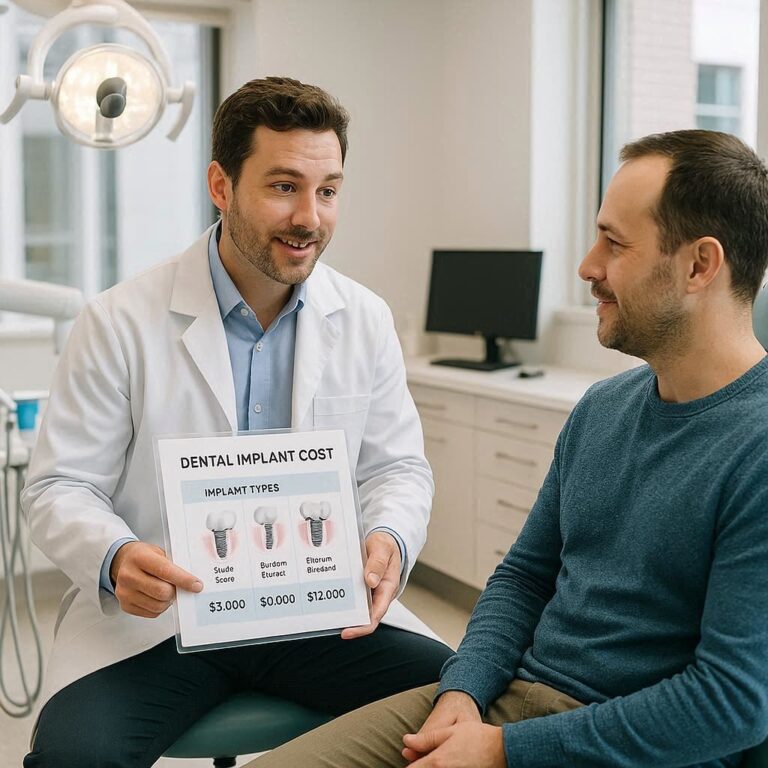
Providing a single average cost can be misleading, as cases vary widely. However, we can present a realistic range based on the complexity of the case. The following table outlines what you might expect for a single dental implant in the Cheshire, Ohio region. Remember, this is for a single tooth replacement from start to finish.
Comparative Table: Cost Range for a Single Dental Implant in Cheshire, OH
| Treatment Component | Lower-End Estimate | Higher-End Estimate | What Influences This Range |
|---|---|---|---|
| Consultation & Imaging | $150 – $300 | $300 – $500 | Use of advanced 3D CBCT vs. traditional X-rays. |
| Implant Surgery (Fixture Placement) | $1,000 – $1,800 | $1,800 – $2,500 | Surgeon’s experience, type of anesthesia (local vs. IV sedation), practice overhead. |
| Abutment | $300 – $500 | $500 – $800 | Standard stock abutment vs. a custom-milled abutment for perfect aesthetics. |
| Dental Crown | $1,000 – $1,500 | $1,500 – $2,500 | Material choice: PFM, high-strength e.max ceramic, or zirconia. Lab quality. |
| Bone Graft (if needed) | $300 – $800 | $800 – $1,500+ | Size of the defect, type of graft material (synthetic, donor, or patient’s own). |
| **Single Implant (TOTAL RANGE) | $2,750 – $4,100 | $5,600 – $8,300+ | Most typical, straightforward cases in Cheshire fall between $3,500 and $6,000. |
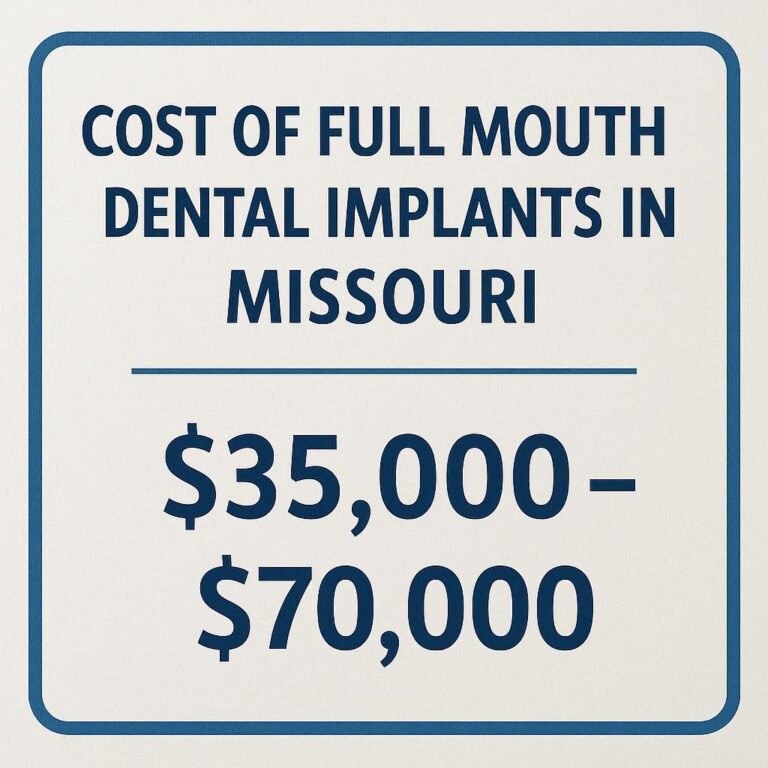
A Note on Full Mouth Restoration: For patients considering full arch implants (like All-on-4® or similar), the financial picture is different. These are comprehensive procedures that replace all teeth on an arch. While the upfront investment is significant ($15,000 to $30,000+ per arch in our region), they provide immense value by replacing an entire set of teeth or dentures with a fixed, permanent solution. A detailed quote and consultation are essential for these life-changing treatments.
Key Factors That Determine Your Personal Investment
Why does the cost vary so much from one person to the next? Several localized and personal factors are at play.
1. The Expertise of Your Dental Professional in Southeast Ohio
In Cheshire and nearby communities like Gallipolis or Pomeroy, you may have options ranging from a general dentist with implant training to a specialist like a periodontist or oral surgeon. Specialists typically have advanced training and may command higher fees for complex cases, but a skilled general dentist can often perform straightforward implant placements excellently and at a slightly lower cost. It’s less about title and more about their proven experience, before-and-after portfolio, and comfort level with your specific case.
2. The Technology and Materials Used
A practice that invests in state-of-the-art technology often reflects that in its fees, but this investment directly benefits you. For example:
-
3D Cone Beam CT Scanner: This provides a detailed 3D map of your jaw, allowing for virtual surgical planning. This minimizes risk, improves accuracy, and can sometimes shorten surgery time. Not every local practice has one on-site.
-
Guided Implant Surgery: Using the 3D scan, a surgical guide is 3D-printed. This allows for minimally invasive, precise placement, leading to less swelling and faster healing.
-
Crown Material: A zirconia crown is incredibly strong and aesthetically superb, often costing more than a traditional porcelain-fused-to-metal crown.
3. The Complexity of Your Individual Case
This is the biggest driver of cost variation. Your personal oral health dictates the treatment plan.
-
Bone Quantity and Quality: If you’ve been missing a tooth for a while, bone loss is likely. A bone graft is a common prerequisite for implants in Cheshire, adding to the overall cost and treatment timeline.
-
The Need for Extractions: If a damaged tooth needs removal before implant placement, this is an additional surgical procedure.
-
Gum Health: Active periodontal disease must be treated and controlled before implant surgery, which may involve separate deep cleaning costs.
-
Anatomical Challenges: The location of nerves or sinuses, especially for back teeth, may require more complex planning or a sinus lift procedure.
4. Geographic Location: The Cheshire Context
While costs in Cheshire, OH, are generally more affordable than in major metropolitan areas like Columbus or Cleveland, they reflect the local cost of running a dental practice—staff salaries, equipment leases, and facility costs. You’re paying for accessible, community-based care from professionals who understand the needs of our area.
Understanding Your Financial Options in Gallia County
Feeling informed about the cost is the first step. Feeling empowered to afford it is the next. Here are the most common pathways patients in our area use to manage the investment.
Dental Insurance and Implants: A Realistic Look
It’s crucial to set the right expectations. Most traditional dental insurance plans in Ohio classify implants as a “cosmetic” or “elective” procedure, providing little to no coverage for the implant itself. However, they may provide partial coverage for related procedures:
-
The crown (often similar to coverage for a traditional bridge crown).
-
The extraction of the failed tooth.
-
Bone grafting in some cases.
-
Diagnostic X-rays.
Action Step: Contact your insurance provider and ask specifically: “What is my coverage for the surgical placement of a dental implant (code D6010), the abutment (D6057), and the crown (D6058)?” Get the details in writing.
Dental Savings Plans
These are not insurance but discount plans offered by some practices or third-party organizations. For an annual fee, you receive a significant percentage discount (e.g., 15-25%) on treatments like implants. If your chosen Cheshire-area practice participates, this can lead to substantial direct savings.
Practice-Specific Payment Plans and In-House Financing
Many dental offices understand the need for flexibility. They may offer:
-
Staged Payment Plans: Paying for each phase of treatment as it is completed, which spreads the cost over several months.
-
In-House Monthly Payment Agreements: A simple agreement to pay a set amount each month, often interest-free for a defined period.
Third-Pedical Financing (CareCredit, etc.)
Companies like CareCredit offer healthcare-specific credit cards. They frequently provide promotional periods with 0% interest if the balance is paid within the term (e.g., 6, 12, 18, or 24 months). This is an excellent option for many patients, provided you are confident you can pay it off within the promotional period to avoid high retroactive interest.
A Note on Traveling for Dental Implants
You may see advertisements for dramatically lower costs in other countries. While this can be tempting, it introduces significant risks: inconsistent regulatory standards, major challenges with follow-up care and hygiene, and immense difficulty addressing complications once you’re home. As Dr. Jane Smith, a local Gallia County dentist, notes: *”The true cost of an implant isn’t just the initial price tag. It’s the cost over 20 years, which includes adjustments, repairs, and the peace of mind that comes with having your dental team just down the road. That long-term value and security are what we provide to our Cheshire neighbors.”*
The Hidden Value: Why Implants Are a Wise Long-Term Investment
Comparing the cost of an implant to a dental bridge or denture only at the outset is a common mistake. To understand the true value, you must consider the long-term financial and health picture.
Comparative Table: Long-Term Value of a Single Dental Implant vs. a Traditional Bridge
| Consideration | Dental Implant | Traditional 3-Unit Bridge |
|---|---|---|
| Upfront Cost | Higher | Lower |
| Impact on Adjacent Teeth | None. Standalone. | Requires grinding down two healthy teeth for crowns. |
| Bone Preservation | Stimulates bone, prevents loss. | Does not prevent bone loss under the missing tooth. |
| Longevity | 25+ years, often a lifetime with proper care. | 10-15 years average lifespan before replacement is needed. |
| Risk of Decay | Cannot get cavities. | Crown margins on adjacent teeth are prone to new decay. |
| Future Costs | Typically only occasional crown replacement. | Likely need a new bridge (or implants) in 10-15 years, involving new costs. |
When viewed through this lens, the higher initial investment in an implant can actually be more economical over decades, not to mention the superior health benefits.
Your Step-by-Step Guide to Getting an Accurate Quote in Cheshire
-
Research Local Providers: Look for practices in Cheshire, Gallipolis, or Middleport that explicitly offer dental implant services. Check their websites, read genuine patient reviews, and look for before-and-after galleries.
-
Schedule Consultations: Plan to visit at least two different providers. This allows you to compare not just costs, but also your comfort with the team, their proposed plan, and the technology they use.
-
Ask the Right Questions at Your Consultation:
-
“Can you walk me through every item on this treatment plan estimate?”
-
“What is your experience with cases like mine?”
-
“What technology do you use for planning and placement?”
-
“Do you handle all phases here, or will I be referred to a specialist?”
-
“Can you provide a detailed, written breakdown of all fees?”
-
“What financing or payment plan options do you offer?”
-
-
Review Your Comprehensive Treatment Plan: A reputable practice will provide a written plan that lists every procedure code, description, and fee. This is your roadmap and your financial agreement.
Conclusion
Navigating the cost of dental implants in Cheshire, Ohio, requires understanding that you are investing in a multi-phase, personalized medical procedure with long-term benefits for your health, function, and confidence. By focusing on the components of care, the factors unique to your smile, and the array of financial options available locally, you can move forward with clarity and confidence. The most important step is to begin the conversation with a trusted dental professional who can provide you with a clear path to a restored smile.
Frequently Asked Questions (FAQ)
Q: What is the single biggest factor that increases the cost of my dental implant?
A: The most common and significant add-on cost is the need for a bone graft. If you’ve had a missing tooth for an extended period, the jawbone shrinks. A graft rebuilds this foundation, ensuring the implant’s success, but adds both time and expense to the process.
Q: Are dental implants worth the high cost compared to dentures?
A: For most patients seeking a permanent, fixed solution, yes. Implants prevent bone loss, don’t slip or require adhesives, feel and function like natural teeth, and can last a lifetime with proper care. Dentures have a lower upfront cost but come with ongoing maintenance, replacement costs (every 5-8 years), and potential health trade-offs.
Q: How can I find out if I’m a good candidate for implants without a costly consultation?
A: Many reputable dental practices in the area offer a low-cost or even complimentary initial consultation. This typically includes an examination and often a panoramic X-ray to give a preliminary assessment of your bone health and candidacy before you commit to more advanced 3D imaging.
Q: Does Medicare or Medicaid in Ohio cover dental implants?
A: Traditional Medicare (Part A & B) does not cover routine dental care, including implants. Ohio Medicaid coverage for adults is extremely limited and generally does not cover implants except in rare, medically necessary circumstances (e.g., after certain trauma or cancer surgeries). It is essential to check directly with your plan administrator.
Additional Resource: Glossary of Key Terms
-
Abutment: The connecting piece attached to the implant fixture that supports the crown.
-
Bone Graft: A procedure to add bone or bone-like material to the jaw to create a solid base for an implant.
-
Crown: The visible, custom-made “tooth” part of the implant restoration.
-
Osseointegration: The biological process where the jawbone fuses with the titanium implant fixture, creating a stable foundation (takes 3-6 months).
-
Sinus Lift: A surgical procedure to add bone to the upper jaw in the area of the molars and premolars when the sinus is too close to the jaw for an implant.
-
Treatment Plan: A detailed, written document from your dentist outlining every procedure, its purpose, and its associated cost for your implant journey.