The Complete Guide to the D2140 Dental Code: Amalgam Fillings Explained
Walking out of the dentist’s office with a treatment plan in hand can sometimes feel like reading a foreign language. You see a list of procedures, strange codes, and numbers. One of the most common codes you might encounter is D2140. If you’ve been told you have a small cavity, chances are this code is on your paperwork.
Let’s be honest: dental codes can be confusing. But understanding them is the best way to take control of your oral health and your budget. This guide is designed to break down everything you need to know about the D2140 dental code. We’ll talk about what it means, what the procedure involves, how much it might cost, and what your insurance is likely to cover.
Think of this as your friendly, reliable roadmap to understanding one of the most common procedures in dentistry.

What Exactly is the D2140 Dental Code?
In the simplest terms, the D2140 dental code is the specific identifier used by dentists and insurance companies for a specific type of filling. The official description from the American Dental Association (ADA) is:
“Amalgam – one surface, primary or permanent.”
Let’s break that down into plain English.
-
Amalgam: This tells you what the filling is made of. Dental amalgam is a mixture of metals, including silver, tin, copper, and mercury. You might hear it referred to as a “silver filling.”
-
One surface: This is the most important part of the code. It tells you that the cavity is small and only affects a single surface of the tooth. Teeth have multiple surfaces (the top for chewing, the sides facing your cheek, the sides facing your tongue, and the sides next to other teeth). A D2140 filling only repairs one of these areas.
-
Primary or permanent: This means the code applies to both baby teeth (primary) and adult teeth (permanent).
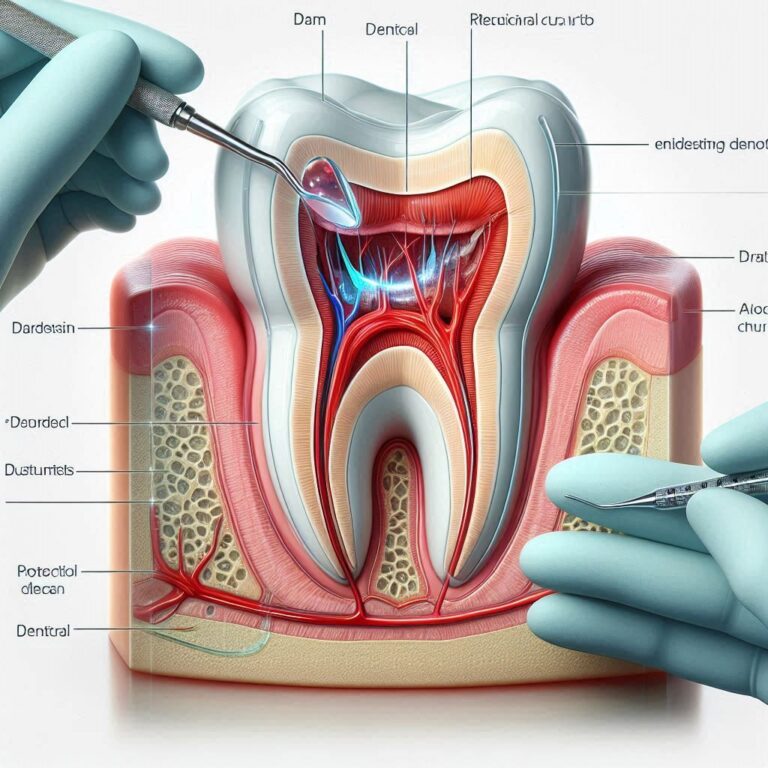
So, when your dentist diagnoses a small, single-surface cavity and plans to fill it with an amalgam (silver) material, they will use code D2140 on your claim form.
Why Would You Need a D2140 Filling?
Cavities, also known as dental caries, are areas of tooth decay. They start small. If caught early enough, a cavity might only affect a tiny spot on one surface of your tooth. This is the perfect scenario for a D2140 filling.
The goal of this procedure is simple: to remove the decayed portion of the tooth and “fill” the space to prevent the decay from spreading deeper into the tooth, where it could reach the nerve and cause a much more serious (and expensive) problem like a root canal.
You might need this code if:
-
Your dentist spots a small area of decay on an x-ray.
-
You have a small pit or fissure on the chewing surface of a back tooth that has started to decay.
-
An old, small filling has failed and needs to be replaced, and the new decay is still limited to one surface.
The Step-by-Step Procedure: What to Expect
Knowing what happens during a dental procedure can ease a lot of anxiety. Here’s a realistic walkthrough of what getting a D2140 filling is like.
1. Diagnosis and Numbing
First, your dentist will confirm the need for the filling, usually with an x-ray and a visual exam. Once you agree to proceed, they will apply a local anesthetic (like novocaine) to numb the area around the tooth. You’ll feel a small pinch, but after that, the area should be completely comfortable.
2. Isolating the Tooth
To keep the area clean and dry, the dentist or dental assistant might place a small rubber dam over the tooth or use cotton rolls to absorb saliva. This is crucial for the filling to bond properly.
3. Removing the Decay
Using a high-speed handpiece (dental drill), the dentist will gently remove all the decayed part of the tooth. They will also shape the remaining healthy tooth structure to create a strong foundation for the filling. You might feel some vibration, but you shouldn’t feel any pain.
4. Placing the Amalgam
Once the tooth is clean and prepared, the dentist will mix the amalgam material. It has a putty-like consistency at first. It is then packed into the prepared cavity. The dentist will use special tools to condense it firmly and carve it to match the natural anatomy of your tooth.
5. Shaping and Biting
You will be asked to bite down on a piece of colored paper. This marks any high spots on the new filling. The dentist will then polish and adjust the filling until your bite feels completely natural and comfortable.
6. The Hardening Process
This is a unique feature of amalgam fillings. They don’t harden immediately like white fillings. They gain full strength over the next 24 hours as a chemical reaction takes place. You’ll be asked not to chew on that side for the rest of the day.
D2140 vs. Other Filling Codes: A Handy Comparison
One of the biggest sources of confusion is the difference between D2140 and other filling codes. The key differentiator is the number of tooth surfaces involved. Here’s a simple table to clarify.
| Dental Code | Material | Surfaces Involved | What It Means |
|---|---|---|---|
| D2140 | Amalgam | One | A small, simple cavity on a single surface. |
| D2150 | Amalgam | Two | A medium cavity that has spread to involve two surfaces of the tooth. |
| D2160 | Amalgam | Three | A larger cavity involving three surfaces. |
| D2161 | Amalgam | Four or more | A very large cavity affecting four or more surfaces. |
| D2330 | Resin (White) | One | A small cavity on a single surface, filled with a tooth-colored material. |
| D2391 | Resin (White) | Two | A medium cavity on two surfaces, filled with a tooth-colored material. |
Important Note: A “surface” refers to a specific side of the tooth. The main surfaces are Occlusal (chewing), Mesial (front side), Distal (back side), Buccal (cheek side), and Lingual (tongue side).
The Pros and Cons of Choosing Amalgam (Silver) Fillings
In today’s world, many patients automatically ask for white (composite/resin) fillings for cosmetic reasons. However, amalgam is still a widely used, safe, and effective material. Understanding its pros and cons will help you have a more informed conversation with your dentist.
Advantages of Amalgam (D2140)
-
Exceptional Durability: Amalgam fillings are incredibly strong and can withstand the tremendous force of chewing, especially on back molars. They can last for 10 to 15 years or even longer with good care.
-
Cost-Effective: Amalgam is generally less expensive than composite resin. If cost is a primary concern, a D2140 filling is a very budget-friendly option for treating a cavity.
-
Moisture Tolerant: Unlike white fillings, which require a completely dry field to bond properly, amalgam is more forgiving and can be placed in areas that are harder to keep dry.
-
Proven Track Record: Amalgam has been used in dentistry for over 150 years. Its safety and performance are well-documented and trusted by dental professionals worldwide.
Disadvantages of Amalgam
-
Aesthetics: This is the biggest drawback for most people. Silver fillings are highly visible and can darken over time, which can be a cosmetic concern.
-
Tooth Structure Removal: To create a strong mechanical lock for the amalgam, the dentist sometimes needs to remove a bit more healthy tooth structure compared to the preparation for a bonded white filling.
-
Thermal Sensitivity: Amalgam can expand and contract slightly with hot and cold temperatures. In some cases, this can lead to minor cracks in the tooth structure over a very long period.
-
Initial Appearance: For the first 24 hours, the filling will look dull and metallic. It will naturally polish itself over time with brushing and chewing.
Understanding the Costs and Insurance for D2140
Money talk is never fun, but being prepared is empowering. The cost of a D2140 filling can vary depending on where you live, the specific dentist, and your insurance plan.
What is the Average Cost?
Without insurance, you can expect to pay anywhere from $150 to $350 for a single D2140 amalgam filling. This price typically includes the procedure, the materials, and the dentist’s expertise.
How Does Dental Insurance Work for Fillings?
Most dental insurance plans categorize procedures into three classes. D2140 almost always falls into Class I: Basic Restorative Procedures.
Here is a typical breakdown of how insurance might cover it:
-
Preventive Care (Class I): Cleanings and exams (often covered at 80-100%).
-
Basic Procedures (Class II): Fillings (D2140), extractions. (Often covered at 70-80%).
-
Major Procedures (Class III): Crowns, bridges, dentures. (Often covered at 50%).
Example: If your D2140 filling costs $250 and your insurance covers basic procedures at 80%, they would pay $200, and you would be responsible for the remaining $50 (your co-pay).
A Crucial Note on Insurance: Always remember your annual maximum. This is the most money your insurance plan will pay in a calendar year, usually between $1,000 and $1,500. If you’ve already had other work done, you might have less coverage available for your filling.
Frequently Asked Questions (FAQ)
Here are answers to some common questions people have about the D2140 code and amalgam fillings.
Q: Is the mercury in amalgam fillings safe?
A: Yes. Major global health organizations, including the World Health Organization (WHO), the FDA, and the ADA, have thoroughly reviewed the scientific evidence and confirm that dental amalgam is a safe and effective restorative material for the general population. The mercury binds with the other metals to form a stable, safe compound.
Q: My dentist recommended D2140. Can I ask for a white filling instead?
A: Absolutely. This is your choice. If you prefer a tooth-colored filling, you should discuss this with your dentist. They will use a different code (likely D2330 for a one-surface white filling). Be aware that white fillings may cost more, and your insurance coverage for the alternative code might be different.
Q: How long will my D2140 filling last?
A: With excellent oral hygiene and regular dental checkups, an amalgam filling can last 10 to 15 years or longer. Its longevity depends on factors like the size of the filling, your bite force, and your home care routine.
Q: Does getting a D2140 filling hurt?
A: Your dentist will use a local anesthetic to numb the area. You should not feel any sharp pain during the procedure. You may feel some pressure or vibration from the drill, but the goal is to keep you comfortable. Some mild sensitivity to cold or pressure in the days following the procedure is normal and should subside quickly.
Q: What is the difference between D2140 and D2150?
A: This is a very common question. The difference is the size of the cavity. D2140 is for a small cavity on just one surface of the tooth. D2150 is for a slightly larger cavity that has spread to involve two surfaces of the tooth.
Caring for Your D2140 Filling
Getting the filling is only half the battle. To make sure it lasts as long as possible, you need to take good care of it.
-
Oral Hygiene is Key: Brush twice a day with fluoride toothpaste and floss daily. The tooth is still vulnerable to decay at the edge where the filling meets the natural tooth structure. This is called recurrent decay.
-
Be Mindful of the First 24 Hours: Remember, the filling needs time to fully harden. Avoid chewing gum or eating sticky, hard foods on that side for a full day.
-
Attend Regular Checkups: Your dentist will check the condition of your fillings during your routine visits. They can spot early signs of wear or leakage around the edges before they become a big problem.
-
Watch for Warning Signs: If you notice increased sensitivity, a sharp edge, a crack in the filling, or if a piece of it feels like it’s missing, call your dentist right away.
An Additional Resource
For the most authoritative and up-to-date information on dental amalgam, you can visit the American Dental Association (ADA) website. They provide excellent patient resources that explain the safety, science, and use of various dental materials.
Visit the ADA Consumer Website
Conclusion
In short, the D2140 dental code represents a small, single-surface silver filling used to repair minor cavities. It is a safe, durable, and cost-effective solution that has stood the test of time. Understanding this code helps you navigate your dental treatment plan with confidence, knowing what to expect from the procedure, its costs, and your insurance coverage.