Understanding the D2160 Dental Code: A Complete Guide for Patients
Walking out of a dentist’s office with a treatment plan can sometimes feel like you are trying to decipher a foreign language. Between the clinical terms and the confusing rows of numbers, it is easy to feel overwhelmed. If you have been told you need a filling, you might have noticed a specific code on your paperwork: D2160.
Don’t worry, you are not alone in wondering what that means for your teeth and your wallet.
In the world of dentistry, coding is everything. It is the language used by dentists to communicate with insurance companies, ensuring that procedures are documented correctly. But for the average patient, these codes remain a mystery. This article is designed to pull back the curtain. We will focus specifically on the D2160 dental code, breaking down exactly what it entails, why it is used, and what you can expect during the procedure.
Whether you are dealing with a sudden toothache or just trying to understand your insurance benefits, consider this your friendly, straightforward guide to getting the answers you need.
What Exactly is the D2160 Dental Code?
Let’s start with the basics. In the Current Dental Terminology (CDT), every procedure has a unique code. These codes are set by the American Dental Association (ADA) and are used universally across the United States.
D2160 is a specific code that falls under the category of restorative procedures. Simply put, it means you are getting a filling.
The full, formal description of this code is:
“Amalgam – four or more surfaces, primary or permanent.”
To put that in plain English:
-
Amalgam: This refers to the type of material used. Amalgam is the silver-colored filling material, known for its durability and strength. It is a mixture of metals, including silver, tin, copper, and mercury.
-
Four or more surfaces: Your teeth have five distinct surfaces (the chewing surface, the front, the back, and the two sides). A filling on four or more surfaces indicates that the decay or damage is quite extensive. It is not a small pit; it is a large cavity that wraps around a significant portion of the tooth.
-
Primary or permanent: This code applies to both baby teeth (primary) and adult teeth (permanent).
So, if your dentist has recommended a D2160 procedure, they are planning to restore a large cavity in one of your teeth using a strong, metal-based filling material.
A Note on Dental Materials
While the code specifies amalgam, it is always a good idea to have a conversation with your dentist. Some patients prefer tooth-colored composite resin for cosmetic reasons. However, because the D2160 code describes a very large filling on multiple surfaces, your dentist might recommend amalgam for this specific situation because of its superior strength and ability to withstand the heavy forces of chewing.
Important Note for Readers: The D2160 code describes the procedure and the material (amalgam). If you and your dentist decide to use a white composite material instead for this large, multi-surface cavity, the code would likely change to a different one (like a D2000-series code for composite restorations). Always confirm the final code with your dental office before treatment to avoid surprises with your insurance.
The Procedure: What Happens During a D2160 Filling?
Understanding the process can help ease any anxiety you might have. Getting a large amalgam filling is a routine procedure, but because it covers multiple surfaces, it requires more time and precision than a simple one-surface filling. Here is a step-by-step breakdown of what typically happens:
1. Numbing the Area
Your comfort is the priority. The dentist will apply a topical anesthetic (like a gel) to your gum to numb the surface. Then, they will inject a local anesthetic (like lidocaine) to completely numb the tooth and the surrounding area. You should only feel a small pinch or burn from the injection.
2. Removing the Decay
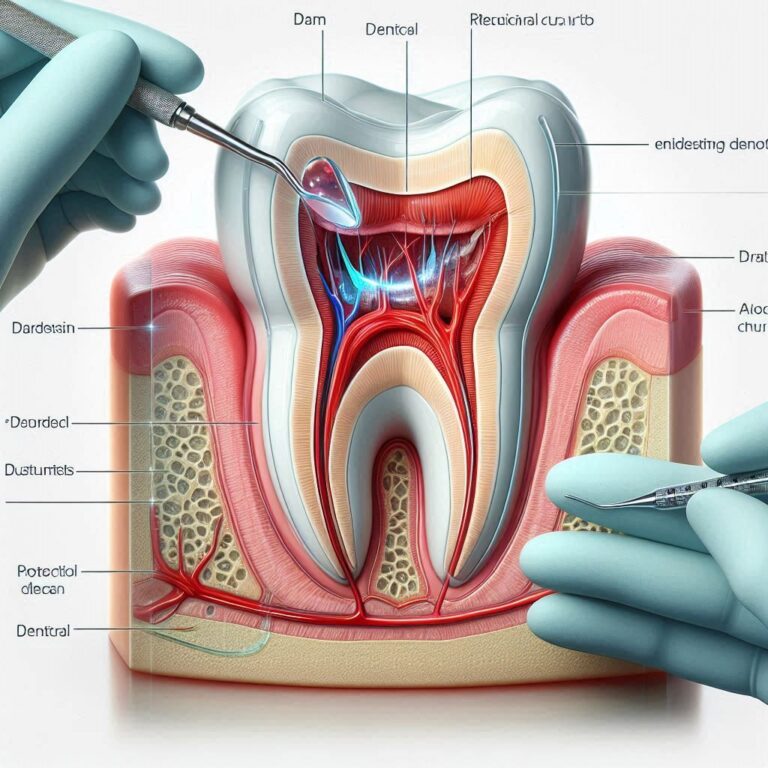
Once you are numb, the dentist will use a high-speed handpiece (dental drill) to remove the decayed portion of the tooth. They will also remove any weak or unsound tooth structure to create a stable foundation for the filling.
3. Shaping the Tooth
For a filling on four or more surfaces, the dentist must shape the remaining tooth structure to hold the filling securely in place. This process, called “undercutting,” ensures that the amalgam doesn’t pop out when you chew. Because amalgam is not adhesive, it relies on this mechanical retention.
4. Placing the Matrix Band
Since the filling extends to multiple surfaces, the dentist needs to rebuild the missing walls of the tooth. They will place a small, temporary metal or plastic matrix band around the tooth. This acts as a form, holding the soft amalgam in place while it is being shaped.
5. Mixing and Condensing the Amalgam
The dentist will mix a fresh capsule of amalgam, which has a putty-like consistency. They will press (condense) this material firmly into the prepared cavity and against the matrix band. This requires skill to ensure no gaps or bubbles are left behind.
6. Carving and Shaping
Before the amalgam hardens, the dentist will remove the matrix band and use carving tools to sculpt the filling. They will recreate the natural grooves and contours of your tooth. This step is crucial for ensuring your bite feels normal and the tooth contacts your neighboring teeth correctly.
7. Checking Your Bite
The dentist will ask you to bite down gently on colored articulating paper. This paper leaves marks on the filling where your bite is too high. The dentist will then polish down those high spots. This step is repeated until your bite feels perfectly comfortable and natural.
8. Final Polishing
While amalgam hardens quickly, it takes about 24 hours to reach its full strength. The dentist will do a final polish to smooth the surface, but the filling will continue to shine and smooth out naturally over time as you brush your teeth.
Why Would a Dentist Choose Amalgam for a Large Cavity?
In an era where cosmetic dentistry is so popular, you might wonder why a dentist would still recommend a silver filling. For a large, multi-surface cavity like the one described by code D2160, amalgam is often the material of choice for several very practical reasons.
| Feature | Amalgam (D2160) | Composite Resin (Tooth-colored) |
|---|---|---|
| Durability | Extremely high. Can withstand immense chewing forces. Can last 10-15 years or more. | Good, but less durable than amalgam for very large restorations. More prone to chipping and wear. |
| Cost | Generally less expensive. Often partially covered by insurance as a standard filling. | Typically more expensive due to higher material cost and technique sensitivity. |
| Placement Time | Faster. Less sensitive to moisture during placement. | More time-consuming. Requires a completely dry field, which can be difficult to maintain. |
| Strength | Becomes incredibly strong and hard, supporting the remaining tooth structure. | Bonds to the tooth, which can reinforce it, but the material itself is not as strong as amalgam for large areas. |
| Aesthetics | Silver/Gray. Very noticeable. | Tooth-colored. Virtually invisible. |
| Best Use Case | Large cavities in back teeth (molars/premolars) where strength is critical. | Small to medium cavities, front teeth, or for patients who prioritize appearance. |
When Strength Matters Most
The back teeth, or molars, are subjected to incredible force every time you chew. For a cavity that covers four or more surfaces, the tooth has been significantly weakened. Amalgam’s unique property is its high compressive strength—it can literally withstand the pressure of clenching and grinding better than most other materials.
Expert Insight:
“For a multi-surface restoration on a molar, I often discuss the long-term benefits of amalgam with my patients. While it isn’t as pretty as composite, its track record for longevity in high-stress areas is outstanding. It’s about choosing the right tool for the job.” — Dr. Eleanor Vance, DDS
Insurance and the D2160 Code: What Will You Pay?
Understanding your dental insurance benefits can be tricky. The D2160 code is almost always classified as a “basic restorative” service by insurance companies. This is good news, as most dental plans cover a significant portion of basic procedures.
However, coverage is never 100%. Here are the key factors that will determine your out-of-pocket cost:
1. Your Plan’s Structure
Most dental insurance plans operate on a 100-80-50 structure:
-
Preventive care (cleanings, exams): Covered at 100%.
-
Basic procedures (fillings, extractions): Covered at 80%.
-
Major procedures (crowns, bridges, dentures): Covered at 50%.
For a D2160 procedure, your insurance will likely pay 80% of the “allowed amount,” and you will be responsible for the remaining 20%.
2. Deductibles and Annual Maximums
-
Deductible: This is the amount you must pay out-of-pocket before your insurance kicks in. If you have a $50 annual deductible and haven’t met it yet, you will need to pay that $50 first. After that, the 80/20 split begins.
-
Annual Maximum: This is the total dollar amount your insurance will pay in a year (typically $1,000 to $2,000). If you have already used a large portion of your benefits on other treatments, you may have less coverage left for your filling.
3. In-Network vs. Out-of-Network
If you visit a dentist who is “in-network” with your insurance plan, they have agreed to a discounted fee for the D2160 code. Your co-pay will be calculated based on this lower, negotiated rate. If you go “out-of-network,” the dentist may charge their full fee, and you will be responsible for the difference between that fee and what your insurance pays.
Example Cost Breakdown
Let’s look at a hypothetical scenario to make this clearer.
-
Dentist’s Fee for D2160: $250
-
Insurance Negotiated (In-Network) Fee: $220
-
Insurance Coverage (80%): $176
-
Patient Responsibility:
-
Co-pay (20% of $220): $44
-
Unmet Deductible: $50
-
Total Estimated Out-of-Pocket: $94
-
Always check with your insurance provider and your dentist’s billing department for a personalized estimate before the procedure.
D2160 vs. Other Common Filling Codes
It is helpful to understand how this code stacks up against others. This can give you a better idea of the size of your filling compared to other common restorations.
-
D2140: Amalgam – one surface, primary or permanent. This is the smallest amalgam filling, used for a pit or small cavity on just one side of the tooth.
-
D2150: Amalgam – two surfaces, primary or permanent. This filling covers two sides of the tooth, such as the chewing surface and one side.
-
D2160: Amalgam – four or more surfaces, primary or permanent. This is one of the largest fillings you can get before a dentist might recommend a crown.
-
D2161: Amalgam – five surfaces or more, primary or permanent. This is the absolute largest amalgam filling code, indicating the tooth is severely decayed on almost every surface.
-
D2394: Resin-based composite – four or more surfaces, posterior. This is the tooth-colored equivalent of the D2160, but it uses composite resin material.
When a Filling Isn’t Enough: The Bridge to a Crown
If a tooth requires a D2160 or D2161 filling, it means a significant portion of the natural tooth structure is missing. While amalgam is strong, it cannot strengthen the tooth. In some cases, if the remaining tooth walls are too thin or weak, a large amalgam filling may not be the best long-term solution.
Your dentist might explain that the tooth is a candidate for an onlay or a crown. A crown (caps) the entire tooth, holding it together and preventing it from fracturing. This is a more expensive and invasive procedure, but it is sometimes the only way to save a severely damaged tooth from breaking in the future.
Living with a Large Amalgam Filling
Once your D2160 filling is placed, you can generally treat it like a normal tooth, but there are a few things to keep in mind.
The First 24 Hours
-
Sensitivity: It is common to experience some sensitivity to hot and cold for a few days or even weeks. This usually subsides as the tooth adjusts.
-
Expansion: Amalgam expands slightly as it sets. This is one of its strengths (it creates a tight seal), but it can also cause minor, temporary discomfort.
-
Chewing: Your dentist will likely advise you to avoid chewing on that side of your mouth for at least 24 hours to allow the filling to reach its final strength.
Long-Term Care
-
Brushing and Flossing: You must brush and floss around the filling just as you would a natural tooth. Plaque can still build up at the margins (the line where the filling meets the tooth).
-
Monitoring the Margins: Over many years, the edges of an amalgam filling can sometimes chip or pull away slightly from the tooth, creating a gap where decay can start again. Your dentist will check these margins during your regular checkups.
-
Teeth Grinding: If you grind your teeth at night (bruxism), you are at a higher risk for fracturing both your teeth and your fillings. Talk to your dentist about a night guard to protect your dental work.
Frequently Asked Questions (FAQ)
Q: Is the mercury in amalgam fillings safe?
A: This is a common concern. The American Dental Association (ADA), the FDA, and numerous public health agencies around the world have extensively studied dental amalgam. They have concluded that it is a safe, effective, and durable restorative material for the general population. The mercury in amalgam binds with other metals to form a stable, safe compound. However, patients with specific allergies to any of the metals in amalgam should discuss alternative materials with their dentist.
Q: My dentist recommended a D2160, but I really want a white filling. Can I insist on that?
A: Yes, you can certainly discuss your preference with your dentist. It is your mouth, and your opinion matters. However, be open to their professional advice. They may have valid clinical reasons for recommending amalgam, such as the size of the cavity, the difficulty of keeping the area dry, or the need for extreme durability. If you opt for composite, be aware that it might have a higher cost and potentially a higher risk of failure for that specific tooth.
Q: Will my insurance cover a white composite filling if the code is D2160?
A: Generally, no. Insurance companies base their coverage on the CDT code. If your dentist uses the D2160 code, they are billing for an amalgam filling. If they place a composite filling, they must use a different code (like D2394). Your plan’s coverage for that composite code might be different. Some plans cover composites only on front teeth, or they may cover them at the same rate as amalgam. Others may require you to pay the “difference” in cost.
Q: How long does a D2160 filling procedure take?
A: Because it is a large filling on multiple surfaces, it takes longer than a simple one-surface filling. From the time you sit in the chair to the time you leave, you can expect the appointment to last between 45 minutes and an hour.
Q: What happens if my large amalgam filling breaks?
A: If your filling breaks or a piece chips off, contact your dentist immediately. Depending on the extent of the damage, the filling may be repairable, or it may need to be replaced entirely. In some cases, a broken filling can expose the tooth to bacteria and decay.
Conclusion
Understanding the D2160 dental code empowers you to take control of your oral health. It signifies more than just a filling; it represents a common, reliable solution for restoring a tooth with extensive decay. While the idea of a large, silver filling might not be glamorous, its proven strength and durability make it a trusted workhorse in dentistry.
Remember, communication with your dentist is key. By understanding the “why” behind the procedure—the need for strength, longevity, and protection—you can make an informed decision that balances your health needs, your budget, and your personal preferences. So the next time you see D2160 on your treatment plan, you will know exactly what it means and what to expect.
Additional Resource:
For the most authoritative and up-to-date information on dental procedures and oral health, visit the American Dental Association’s public website at https://www.ada.org/resources/research/health-policy-institute/dental-coding. (This link leads to the ADA’s main resources page; you can navigate to their specific patient education or coding sections from there.)