Decoding the D2330 Dental Code: Your Complete Guide to Three-Surface Fillings
Navigating the world of dental insurance and procedural codes can often feel like trying to read a foreign language. You visit your dentist, they recommend a filling, and then you receive a confusing statement from your insurance company filled with letters and numbers. One of the most common codes you might encounter is the D2330 dental code.
If you’ve been told you need a filling and saw this code on your treatment plan, you’re in the right place. This guide is designed to walk you through everything you need to know about the D2330 code. We’ll break down what it means, what the procedure involves, how much it might cost, and how your insurance will likely handle it.
Our goal is to make you feel informed and confident. After all, understanding your dental health is the first step in taking the best care of it.

What Exactly is the D2330 Dental Code?
Let’s start with the basics. In the dental world, standardization is key. The American Dental Association (ADA) maintains a set of codes, known as the Code on Dental Procedures and Nomenclature, or simply the CDT Code. This is the universal language that dentists and insurance companies use to communicate about specific treatments.
The D2330 dental code fits neatly into this system. It’s the specific, official code for a resin-based composite filling on a single tooth, involving three surfaces.
To understand that definition, we need to break it down piece by piece.
Breaking Down the Definition: Resin-Based Composite
First, what is a “resin-based composite”? This is the material your dentist will use. You probably know it as a “tooth-colored” or “white” filling.
-
Composition: It’s a mixture of plastic (resin) and finely ground glass-like particles.
-
Function: This material is designed to be strong, durable, and, most importantly, aesthetic. It can be matched to the exact shade of your surrounding teeth, making the filling virtually invisible.
-
The Process: Unlike older materials, composite resin bonds directly to the tooth structure. This allows the dentist to be more conservative, removing slightly less healthy tooth structure to create a strong hold.
While other filling materials exist (like amalgam/silver or gold), the D2330 code specifically refers to this modern, tooth-colored composite material.
Breaking Down the Definition: Three Surfaces
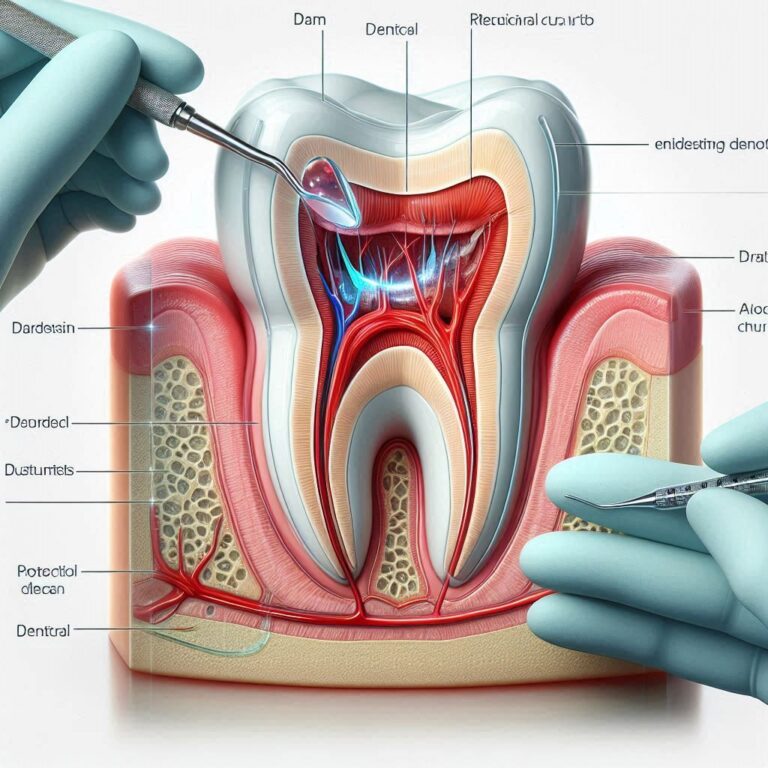
This is the most crucial part of the code. Your teeth aren’t just one solid block; they have different surfaces, or sides. When a cavity forms, it can affect one or more of these surfaces.
The D2330 code is used when a filling needs to cover three surfaces of a single tooth. The specific surfaces involved are typically on the back teeth (premolars and molars) and are identified by specific letters in other, more detailed codes:
-
Mesial (M): The front surface of the tooth, closest to the midline of your dental arch.
-
Occlusal (O): The chewing surface of the back teeth.
-
Distal (D): The back surface of the tooth, farthest from the midline.
Therefore, a D2330 code usually represents a filling on a premolar or molar that covers the chewing surface and two of the sides. A common combination you might see on a detailed treatment plan would be MOD (Mesial, Occlusal, Distal) . This means the filling is wrapping around the tooth, restoring the chewing top and both the front and back sides.
In simpler terms: If a cavity is extensive enough to require a filling that covers the chewing surface and goes down both the front and back walls of the tooth, you’re likely looking at the D2330 code.
D2330 vs. Other Filling Codes: A Quick Comparison
To really understand D2330, it helps to see how it fits in with other common codes. The number of surfaces is the main differentiating factor.
| CDT Code | Procedure Description | Typical Surfaces Involved | Commonly Used For |
|---|---|---|---|
| D2330 | Resin-based composite – three surfaces | Three (e.g., Mesial, Occlusal, Distal) | Larger cavities on back teeth. |
| D2140 | Amalgam – one surface | One | Small cavities, often on chewing surface. |
| D2160 | Amalgam – three surfaces | Three | Larger cavities on back teeth using silver material. |
| D2331 | Resin-based composite – four surfaces | Four | Very large cavities, but not quite a crown. |
| D2332 | Resin-based composite – five surfaces | Five | Extensive decay on a single tooth. |
| D2391 | Resin-based composite – one surface | One | Small cavity on a front or back tooth. |
| D2392 | Resin-based composite – two surfaces | Two | Moderate-sized cavity. |
Key Takeaway: The D2330 code is for a composite filling that is more complex than a simple one or two-surface filling, but not as extensive as a four-surface filling or a full crown.
The Procedure: What Happens During a D2330 Filling?
Knowing what to expect can significantly reduce any anxiety you might feel about a dental procedure. Here is a step-by-step walkthrough of what a typical appointment for a D2330 three-surface filling looks like.
1. Numbing the Area (Local Anesthesia)
Your comfort is the top priority. The dentist or hygienist will apply a topical anesthetic (like a gel) to your gum tissue to numb the surface. After a minute, they will carefully inject a local anesthetic (like lidocaine). You might feel a small pinch or burn, but this subsides quickly. Soon, your tooth, lip, and surrounding gum will be completely numb.
2. Isolating the Tooth
To keep the area clean and dry, the dentist needs to isolate the tooth. Saliva and moisture are the enemies of a good composite bond. They will often place a small rubber dam over the tooth, held in place by a small clamp. This might look strange, but it’s a great way to ensure a sterile and dry environment. Alternatively, they might use cotton rolls and high-speed suction.
3. Removing Decay and Old Filling Material
Using a high-speed handpiece (dental drill) and sometimes a laser or air abrasion tool, the dentist will carefully remove all traces of tooth decay. They will also remove any failing old filling material to create a fresh, clean surface. This step is all about precision – removing what’s bad while preserving as much of your healthy tooth structure as possible.
4. Preparing the Tooth for Bonding
Once the decay is gone, the dentist prepares the tooth to receive the new filling. They will apply a series of gels and adhesives:
-
Etching: A mild acid gel is applied to the tooth for a few seconds to create a microscopically rough surface. This helps the bonding agent stick.
-
Bonding: A liquid bonding agent (adhesive) is painted onto the etched surface. It seeps into the micro-pores created by the etching.
5. Placing and Curing the Composite Resin
This is where the artistry begins. The dentist will apply the tooth-colored composite resin in thin, small increments.
-
Layering: Because the filling covers three surfaces, they will carefully build up the anatomy of the tooth, layer by layer. This ensures the material is fully hardened and the final shape is perfect.
-
Curing: After each layer is placed, the dentist uses a special bright blue light (a curing light) to harden the material instantly. The light triggers a chemical reaction that turns the soft resin into a hard, durable filling.
6. Shaping and Polishing
With the filling material in place, the real work of sculpting begins. The dentist uses various fine burs and finishing strips to shape the filling to match the natural contours of your tooth. They will check your bite with special articulating paper to make sure it’s perfectly aligned with the opposing teeth. Finally, they polish the filling to a smooth, shiny finish that will feel just like your natural tooth enamel.
Important Note for Patients: It is completely normal to experience some sensitivity to hot, cold, or pressure for a few days or even a couple of weeks after a deep filling. This usually subsides on its own. Your gum might also be a little sore from the rubber dam clamp or the anesthetic injection.
The Financial Side: Cost and Insurance for D2330
Let’s talk about money. The cost of dental care is a significant concern for many, and understanding the financial aspect of the D2330 code is essential.
What is the Average Cost of a D2330 Filling?
The price for a three-surface composite filling is not one-size-fits-all. It varies depending on several factors, primarily your geographical location and the specific dentist’s fee structure. However, we can provide a realistic range.
On average, without insurance, you can expect the cost of a D2330 dental code procedure to fall between $250 and $550 per tooth.
Here’s a rough breakdown of how costs compare for composite fillings:
| CDT Code | Description | Typical Cost Range (per tooth) |
|---|---|---|
| D2391 | Composite, one surface | $150 – $300 |
| D2392 | Composite, two surfaces | $200 – $400 |
| D2330 | Composite, three surfaces | $250 – $550 |
| D2331 | Composite, four surfaces | $350 – $650+ |
Why the higher cost for D2330?
-
More Material: A larger cavity requires more composite resin.
-
More Time and Skill: Placing a three-surface filling is a complex, time-consuming procedure. The dentist must meticulously build and sculpt the anatomy of the tooth across three different planes, which requires significant skill and artistry.
-
Increased Complexity: Managing moisture and achieving a perfect bond on multiple surfaces is technically more challenging than a simple one-surface filling.
How Dental Insurance Typically Handles D2330
Most standard dental insurance plans follow a “100-80-50” structure for basic restorative procedures like fillings. This is how it generally applies to the D2330 code:
-
Preventive Care (e.g., cleanings, exams): Usually covered at 100%.
-
Basic Restorative Care (e.g., fillings, simple extractions): Usually covered at 80%.
-
Major Restorative Care (e.g., crowns, bridges, dentures): Usually covered at 50%.
Therefore, if you have this type of plan, your insurance would typically cover 80% of the allowed amount for the D2330 code, and you would be responsible for the remaining 20% (your co-pay or coinsurance).
Important Insurance Terms to Understand:
-
Deductible: This is the amount you must pay out-of-pocket before your insurance begins to pay. If you have a $50 annual deductible that you haven’t met yet, you will likely have to pay that before your 80% coverage kicks in.
-
Annual Maximum: This is the total dollar amount your insurance plan will pay for your care within a calendar year. If you’ve already had a lot of dental work done and hit your $1,500 maximum, you might have to pay the full cost of the D2330 filling yourself.
-
In-Network vs. Out-of-Network: Dentists who are “in-network” with your insurance company have agreed to a contracted fee schedule. This often results in lower out-of-pocket costs for you. Going to an “out-of-network” dentist may mean you pay the difference between their fee and what your insurance allows.
Pro-Tip for Readers: Always call your insurance company before a major procedure to verify your specific benefits. Ask them:
“What is my remaining deductible?”
“What is my coverage percentage for code D2330?”
“How much of my annual maximum have I used?”
Alternatives to a D2330 Three-Surface Filling
A three-surface filling is a significant restoration, but it’s not the only option. Depending on the extent of the decay, the condition of the tooth, and your personal preferences, your dentist might discuss alternatives with you.
1. The Dental Crown
If the decay or damage to the tooth is too extensive for a large filling to be strong enough, a crown (often called a cap) might be recommended.
-
What it is: A crown is a custom-made, tooth-shaped cover that fits over the entire remaining natural tooth structure, protecting it from fracturing.
-
When it’s chosen: If more than half of the tooth’s structure is compromised, or if the tooth is at high risk of breaking, a crown is a stronger, more durable long-term solution. This is considered a “major” restorative procedure (often code D2740) and is more expensive.
2. Inlays and Onlays (Indirect Fillings)
These are sometimes referred to as “partial crowns.” They are an intermediate option between a large filling and a full crown.
-
What they are: An inlay (fits within the chewing surface points) or onlay (covers one or more cusps) is fabricated in a dental laboratory from composite resin, porcelain, or gold. It is then bonded to the tooth in a second appointment.
-
When they are chosen: They are used when a tooth has too much damage for a standard filling but not enough to warrant a full crown. They are very strong and precise.
How to Decide: Filling vs. Crown
The choice often comes down to the structural integrity of the tooth.
| Feature | D2330 Composite Filling | Dental Crown |
|---|---|---|
| Tooth Structure Removed | Minimal, only decay is removed. | More tooth structure is shaved down to make room for the crown. |
| Strength | Restores significant strength, but the tooth remains one unit. | Encircles the tooth, providing maximum protection against fractures. |
| Cost | Moderate ($250 – $550). | Higher ($1,000 – $3,000+). |
| Appointments | Usually one. | Usually two (or one with same-day technology like CEREC). |
| Longevity | 5-10+ years with good care. | 10-15+ years with good care. |
Your dentist will always err on the side of preserving as much natural tooth as possible. They will only recommend a crown if a large filling like D2330 wouldn’t provide enough support to keep the tooth safe from breaking in the future.
Recovery, Longevity, and Care for Your D2330 Filling
You’ve had the procedure done. Now, what? Here’s what you can expect after your appointment and how to make your new filling last.
Immediate Aftercare (The First 24-48 Hours)
-
Numbness: Be very careful eating until the anesthesia has completely worn off (usually 2-4 hours). It’s easy to accidentally bite your cheek or lip.
-
Sensitivity: As mentioned, some temperature sensitivity is normal. Try to avoid extremely hot or cold foods and drinks for the first day or two.
-
Chewing: It’s wise to chew on the opposite side of your mouth for the first 24 hours to allow the filling to fully set and to avoid putting too much pressure on it right away.
-
Pain Management: Over-the-counter pain relievers like ibuprofen or acetaminophen can help if you have any soreness in the gum or jaw.
The Lifespan of a Composite Filling
No dental restoration lasts forever. With excellent care, a well-placed three-surface composite filling can last between 5 and 10 years, and sometimes even longer.
Factors that affect longevity include:
-
Size of the Filling: The larger the filling, the more stress is placed on the remaining tooth structure.
-
Oral Hygiene: Excellent brushing and flossing are non-negotiable.
-
Habits: Grinding or clenching your teeth (bruxism) can put tremendous pressure on fillings and cause them to crack or wear down prematurely.
-
Diet: A diet high in sugar and acidic foods increases the risk of new decay around the edges of the filling.
How to Care for Your Filling
Think of your filling like a new tire on your car – it needs regular maintenance to perform its best.
-
Brush Twice Daily: Use a soft-bristled toothbrush and fluoride toothpaste.
-
Floss Daily: This is critical! Flossing removes plaque from the surfaces between teeth, exactly where a three-surface filling lives. Don’t “snap” the floss out; instead, gently release one end and pull it through to avoid tugging on the filling’s edge.
-
Use Fluoride Mouthwash: A fluoride rinse can help strengthen enamel and protect the margins where the filling meets your natural tooth.
-
Regular Dental Visits: See your dentist every six months for cleanings and check-ups. They will use an explorer and take X-rays to check the integrity of your filling and ensure no new decay has formed around it.
A Friendly Reminder: If you notice any sharp edges, roughness, or increased sensitivity in your tooth months after the filling, or if the filling feels like it’s getting taller, call your dentist. These are signs that the filling may need to be adjusted or replaced.
Frequently Asked Questions (FAQ)
To wrap up, let’s address some of the most common questions patients have about the D2330 code and three-surface fillings.
1. Is the D2330 code for a front tooth or back tooth?
While technically it can be used for any tooth, it is most commonly associated with premolars and molars (back teeth) due to the three-surface configuration (Mesial, Occlusal, Distal). Front teeth have different surface names (like incisal instead of occlusal), though the code is for three surfaces regardless of the tooth.
2. My dentist said “MOD” on my chart. Is that the same as D2330?
Yes, in almost all cases. “MOD” stands for Mesial-Occlusal-Distal. This is the clinical description of the three surfaces being filled. The insurance billing code for that composite MOD filling is D2330.
3. Does insurance always cover 80% of the D2330 cost?
Not always. While 80% is a common industry standard for “basic restorative care,” you must check your specific plan. Some plans might cover only 50% for back tooth composites, or they might have a waiting period before coverage begins. Always verify your plan details.
4. Can a D2330 filling be replaced?
Absolutely. Fillings don’t last forever. If your dentist detects decay around the edges of an old filling, or if the filling itself is cracked or worn, they can remove it and place a new D2330 filling, provided enough healthy tooth structure remains.
5. Does a three-surface filling hurt?
The procedure itself should be painless due to the local anesthetic. You may feel some pressure or vibration, but not sharp pain. If you do feel pain, you should raise your hand immediately so the dentist can give you more numbing medication.
6. What’s the difference between D2330 and D2160?
The main difference is the material. D2330 is for a tooth-colored composite resin filling on three surfaces. D2160 is for a silver-colored amalgam filling on three surfaces. Composite is generally preferred for aesthetics and its bonding ability, while amalgam was historically used for its durability and lower cost.
Additional Resources
For the most authoritative and up-to-date information on dental codes and oral health, the best resource is the source itself. You can learn more about dental procedures and the importance of oral health from the American Dental Association.
Visit the American Dental Association (ADA) Website
Conclusion
The D2330 dental code is the standard for a three-surface, tooth-colored composite filling, typically used to restore a back tooth with moderate to large decay. While more complex and costly than a simple filling, it is a highly effective and aesthetic way to preserve your natural tooth structure. Understanding this code empowers you to navigate your treatment plan and insurance benefits with confidence, ensuring you can make informed decisions about your dental health.