The D3332 Dental Code: A Friendly Guide to Understanding Your Emergency Dental Procedure
Let’s be honest: dental insurance codes can feel like a secret language. You get a treatment plan from your dentist, and instead of plain English, you see a jumble of letters and numbers like “D3332.” It’s confusing, and when you’re already dealing with a toothache, the last thing you need is more stress.
If you’ve been told you need a procedure with the code D3332, you’re likely in the middle of a dental emergency. Take a deep breath. We’re going to walk through everything you need to know about this specific code, what it means for your tooth, and what happens next.
Consider this your friendly, no-jargon guide to understanding the D3332 dental code.
What Exactly is the D3332 Dental Code?
In the simplest terms, the D3332 dental code is used for an emergency pulpal debridement. Let’s break that mouthful of words down:
-
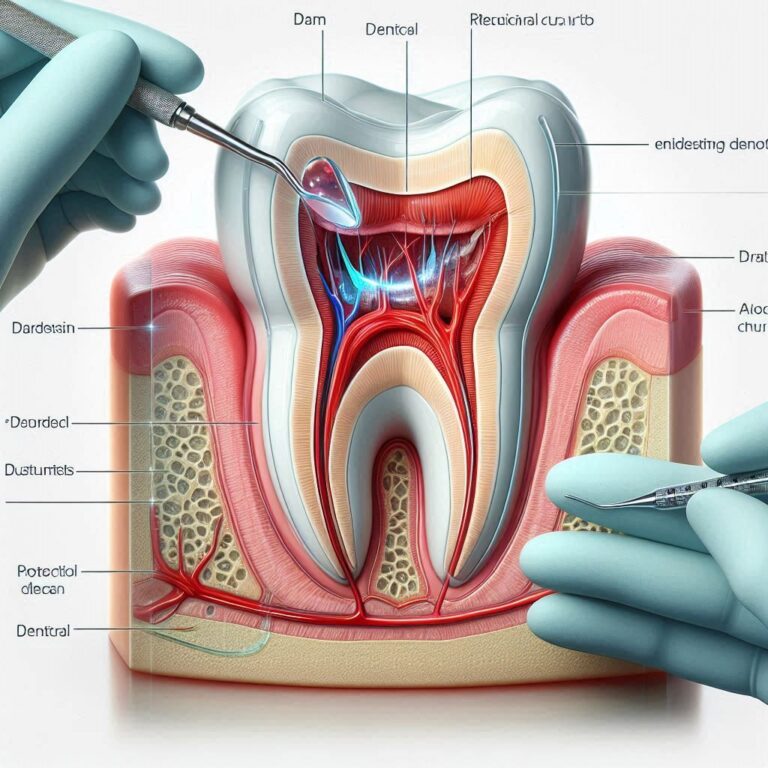
Pulpal: This refers to the dental pulp. The pulp is the soft, living tissue deep inside your tooth. It contains nerves, blood vessels, and connective tissue. Think of it as the “heart” of your tooth.
-
Debridement: This is a medical term for the removal of damaged, infected, or dead tissue. In this context, it means cleaning out the bad stuff from the inside of your tooth.
So, a D3332 procedure is an emergency treatment to clean out the infected or inflamed pulp from the inside of a tooth to provide immediate relief from severe pain. It’s an emergency, palliative treatment—meaning its primary goal is to stop the pain, not to complete the final restoration of the tooth.
It’s crucial to understand that D3332 is not a root canal. It’s the critical first step in managing a dental crisis, often paving the way for a complete root canal (D3310-D3330) shortly after.
Why Would You Need a D3332 Procedure? (The “Tooth Story”)
Imagine a cavity starts as a tiny weak spot on your tooth enamel. If it’s not treated, it grows. It digs deeper, past the enamel and into the next layer, the dentin. If it’s still ignored, it finally reaches the innermost chamber—the pulp.
Once bacteria invade the pulp, your body’s immune system goes to war. The pulp becomes inflamed and infected. But here’s the problem: the pulp is encased in the hard walls of your tooth. When it swells from the inflammation, it has nowhere to go. The pressure builds up inside the tooth, compressing the nerves and blood vessels.
“Think of it like a balloon inflating inside a glass jar. The pressure on the glass (your tooth walls) is immense, but the real pain is from the balloon (the pulp) being crushed.”
This intense pressure is what causes that infamous, excruciating toothache, often made worse by lying down or by hot and cold temperatures.
The D3332 procedure is the solution to this crisis. The dentist creates a small opening in the tooth to relieve that pressure and remove the source of the infection, providing almost instant relief.
D3332 vs. A Root Canal: What’s the Real Difference?
This is the most common point of confusion, and it’s a vital distinction to make. While they both deal with the inside of a tooth, they are different stages of treatment. Let’s compare them in a simple table.
| Feature | D3332 – Emergency Pulpal Debridement | Root Canal Therapy (e.g., D3310, D3320, D3330) |
|---|---|---|
| Primary Goal | Pain Relief. Stop the acute emergency. | Restoration. Save the tooth permanently. |
| Timing | Performed immediately during an emergency visit. | Performed after the tooth is stable and pain-free. |
| Procedure | Partial cleaning of the main pulp chamber to remove debris and relieve pressure. | Complete cleaning and shaping of the entire root canal system (including the small canals in the roots). |
| Completion | It is an incomplete procedure. The tooth is often left with a temporary filling. | The tooth is sealed with a permanent filling material. It is ready for a crown. |
| Analogy | Calling 911 and the paramedics stabilizing a patient at the scene of an accident. | The full surgery and recovery in a hospital to fix the long-term problem. |
In short: D3332 is the beginning of the journey. A root canal is the destination.
What Happens During a D3332 Procedure? A Step-by-Step Walkthrough
Knowing what to expect can significantly reduce anxiety. Here’s a friendly, step-by-step look at what will likely happen during your emergency visit.
-
Diagnosis and Confirmation: Your dentist will first take an X-ray to see the extent of the decay and check for any signs of infection in the surrounding bone. They will also tap on the tooth and test its response to temperature to confirm that the pulp is the source of your pain.
-
Numbing the Area (The Most Important Step!): Your comfort is the top priority. The dentist will apply a topical gel to your gum to numb the surface before injecting a local anesthetic (like lidocaine). They will ensure the entire area is completely numb before proceeding. You shouldn’t feel any sharp pain, only pressure and vibration.
-
Creating the Access: Once you’re numb, the dentist will use a dental drill to make a small hole through the top (biting surface) of the tooth, giving them access to the pulp chamber.
-
The Debridement (The “Ahhh” Moment): This is where the magic happens. Using small, specialized instruments, the dentist will remove the bulk of the infected or dead pulp tissue from the large pulp chamber. This immediately relieves the internal pressure.
-
Irrigation: The inside of the tooth is gently flushed with an antibacterial solution (like sodium hypochlorite) to wash away debris and disinfect the area. You might taste or smell this a little, but it’s a sign that the tooth is being cleaned.
-
Temporary Closure: Because this is an emergency procedure, the tooth isn’t fully sealed yet. The dentist will place a layer of soothing medicated material inside the tooth and then cover the opening with a temporary filling. This protects the tooth until you can return for the full root canal therapy.
-
Post-Op Instructions and Next Appointment: Before you leave, your dentist or a team member will give you clear instructions on how to care for your tooth and will schedule your next appointment to complete the root canal. They will likely recommend you take it easy for the rest of the day.
What to Expect After Your D3332 Emergency Procedure
The relief is often immediate and dramatic. Most patients say the severe, pounding pain is gone as soon as they sit up in the chair. However, here’s what you can expect in the hours and days after:
-
Mild Soreness: The area around the tooth and your jaw muscle may be sore from being open for a while. This is normal.
-
Sensitivity to Pressure: The tooth might feel a little tender when you bite down on it for a few days. This is because the ligaments holding the tooth in place are inflamed from the infection. Stick to soft foods and chew on the other side.
-
Continue Pain Medication: Your dentist may recommend you continue taking over-the-counter ibuprofen (Advil, Motrin) or acetaminophen (Tylenol) for a day or two to manage any residual soreness and help reduce inflammation.
-
Protect the Temporary Filling: Be gentle with that temporary filling!
-
Avoid: Sticky foods (caramel, gum), hard foods (nuts, ice), and chewing directly on that tooth.
-
Be mindful: The temporary filling might feel a little rough or slightly high. If it’s bothering you significantly, call your dentist. They can easily adjust it.
-
Important Note: If you experience severe pain, swelling that increases, a return of the original symptoms, or if the temporary filling falls out, call your dentist immediately.
How Much Does the D3332 Dental Code Cost?
The cost for a D3332 procedure can vary widely based on where you live, the complexity of your case, and the specific dentist. However, you can generally expect it to be less expensive than a complete root canal because it is a less time-consuming procedure.
-
Average Cost Without Insurance: The out-of-pocket cost for an emergency pulpal debridement typically ranges from $150 to $400.
-
With Insurance: If you have dental insurance, your out-of-pocket cost depends on your plan. The D3332 code is often covered under your basic restorative or endodontic benefits. You will likely be responsible for your copay or deductible.
It’s always a good idea to ask the front desk for a cost estimate before the procedure. They can also help you understand what your insurance will cover.
D3332 and Your Dental Insurance: A Few Things to Know
Navigating insurance with this code can have a few twists.
-
It’s Often Bundled: Some insurance companies consider the D3332 emergency debridement as the first part of the root canal therapy. They might apply the fee you pay for D3332 toward your root canal deductible or annual maximum. This is good news—it means you’re not paying for two entirely separate procedures.
-
Waiting for the “Complete” Code: Insurance companies want to see that the treatment is finished. They will expect to see a follow-up claim for the root canal completion code (like D3330) within a certain timeframe. If you don’t complete the root canal, they might later deny the initial D3332 claim, stating the treatment was incomplete.
-
Always Check: The best practice is to ask your dentist’s office to do a “predetermination of benefits” with your insurance company. This will give you a written estimate of what your plan will pay and what your responsibility will be for both the emergency visit and the planned root canal.
The Most Common Questions About D3332 (Your FAQs Answered)
We’ve compiled the most frequently asked questions to give you even more clarity.
Is D3332 the same as a “baby root canal”?
No, not exactly. While the term “baby root canal” is sometimes used informally, a pulpotomy (another procedure code) is closer to that concept, especially for children. D3332 is an emergency debridement for any tooth to stop pain, not a final treatment on a child’s tooth.
Can I just get the D3332 and skip the root canal?
Technically, yes, but it’s a very bad idea. The D3332 only removes the debris from the main chamber. The infection-causing bacteria are still deep within the tiny root canals. If you skip the full root canal, the infection will return, often worse than before, and you will likely end up losing the tooth.
Will the D3332 hurt?
The procedure itself should not hurt because you will be thoroughly numbed with local anesthetic. You will feel pressure and vibrations, but not sharp pain. The most painful part is usually the toothache before the procedure, which the D3332 is designed to fix.
How long does a D3332 procedure take?
It’s a relatively quick emergency procedure. From the time you’re in the chair to the time you leave, you can expect it to take about 30 to 60 minutes. This includes numbing, the procedure itself, and taking a post-op X-ray.
How long can I wait to get the root canal after D3332?
Your dentist will give you a specific timeline, but it’s generally recommended to complete the root canal within a few weeks. Waiting too long (more than a month) increases the risk of re-infection, fracture of the tooth, or the temporary filling breaking down. The goal is to move from the “emergency room” to the “operating room” while the situation is stable.
My dentist says I need a D3330, but my paperwork says D3332. What’s the difference?
This is a very common point of confusion! Here’s the breakdown of the main codes for root canal therapy on permanent teeth with multiple canals (like molars):
-
D3330: This is the code for a complete root canal therapy on a molar (a tooth with three or more roots). This is the final, restorative procedure.
-
D3331: This is an additional procedure code for the treatment of an extra root canal that is not normally expected to be there. It’s an add-on to a D3330.
-
D3332: This is the incomplete root canal therapy or emergency pulpal debridement we’re discussing here.
So, if you need a root canal on a molar, you will ultimately need the D3330. If you first go in for an emergency, you will get the D3332 as a first step, and later the D3330 to finish.
Your Path Forward: From Emergency to Healthy Smile
Finding out you need a dental procedure is never fun, but understanding it is the first step to taking control. The D3332 dental code represents a critical, compassionate intervention. It’s your dentist’s way of saying, “Let’s stop the pain right now and then create a plan to save your tooth for the long term.”
Here is your simple action plan:
-
Get the Emergency Care: Allow the dentist to perform the D3332 and relieve your pain.
-
Ask Questions: Before you leave, confirm the next steps. When is my follow-up appointment? What is the cost of the full root canal? Can you check with my insurance?
-
Follow the Plan: The most important thing you can do for your tooth is to return for the complete root canal therapy. It’s the investment that saves your natural tooth, which is always the best option.
Dealing with a dental emergency is stressful, but you are now armed with the knowledge to navigate it with confidence. Your smile—and your peace of mind—are worth it.
Additional Resource
For more detailed information on tooth anatomy and how decay progresses, the American Association of Endodontists (the root canal specialists) has excellent patient resources. You can visit their website at www.aae.org.
Conclusion
In short, the D3332 dental code is your dentist’s emergency action plan for a severe toothache caused by an infected pulp. It’s a procedure designed for immediate pain relief, not a substitute for a full root canal. Understanding this distinction helps you make informed decisions to save your tooth and restore your comfort.