Understanding the D3921 Dental Code: A Complete Patient Guide
If you’ve recently visited your dentist and seen a strange code on your treatment plan or insurance explanation of benefits (EOB), you might feel a little confused. Dental codes can look like a secret language. One such code you might encounter is D3921.
Don’t worry—we’re here to decode it for you.
This guide will walk you through everything you need to know about the D3921 dental code. We’ll explain what it is, why your dentist might recommend it, what the procedure involves, and how much you might expect to pay. Think of this as your friendly, reliable roadmap to understanding this specific part of your dental health.
Why This Code Matters
Understanding dental codes like D3921 is important for a few key reasons. First, it puts you in control of your treatment plan. When you know what a procedure is and why it’s being done, you can have a more informed conversation with your dentist. Second, it helps you understand your insurance benefits. By knowing the code, you can check your coverage and avoid surprise bills. Finally, it demystifies the process, helping to ease any anxiety you might feel about the unknown.
Let’s dive in and take the mystery out of D3921.
What is the D3921 Dental Code?
Let’s start with the basics. In the world of dentistry, standardized codes are used to describe specific procedures. This ensures clear communication between dental offices and insurance companies.
The Official Definition
According to the American Dental Association (ADA), which maintains the Code on Dental Procedures and Nomenclature (often called the CDT code), the official description of D3921 is:
“Removal of enamel projection.”
That’s the technical definition. But what does it actually mean for you?
Breaking It Down: What is an Enamel Projection?
To understand the procedure, you first need to understand the “enamel projection.”
-
Enamel: This is the hard, protective outer layer of your tooth. It’s the strongest substance in your body.
-
Projection: In this context, a projection means an extension or an outgrowth.
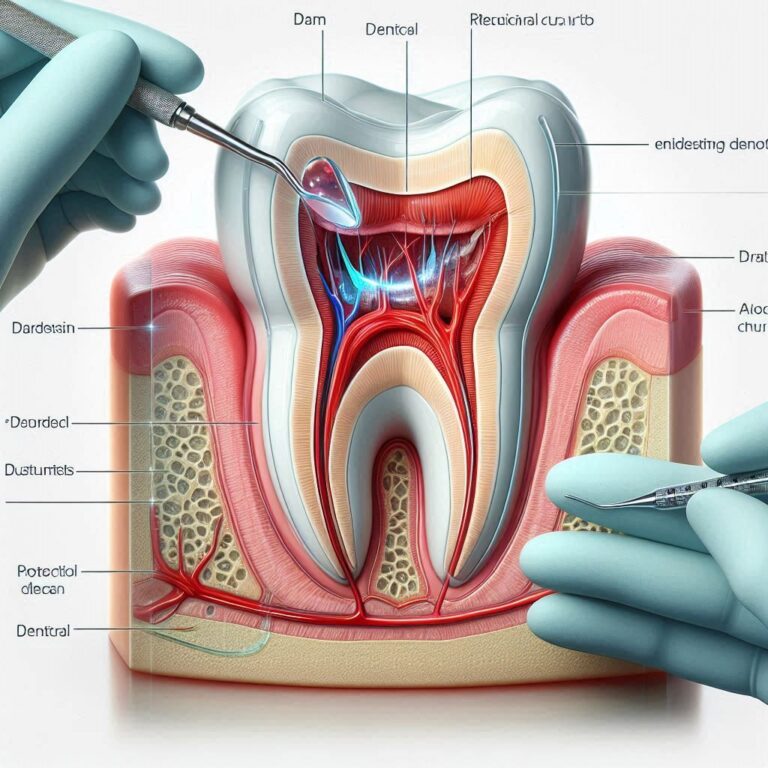
So, an enamel projection is essentially a small, wing-like or finger-like extension of enamel that grows beyond the smooth contour of the tooth. These projections most commonly occur on the roots of the teeth, and they are frequently found on molars (your back teeth).
Think of it like this: your tooth’s enamel is like a well-fitted coat. Normally, the coat stops neatly at the neck of the tooth (the cementoenamel junction), where the root begins. An enamel projection is like a stray strip of fabric from the coat that has extended down onto the sleeve.
Why Is This a Problem?
Enamel is hard and durable, but it’s not meant to be on the root of the tooth. The root is normally covered by a softer layer called cementum. The area where the tooth meets the gum is a delicate ecosystem. When hard enamel extends down onto the root, it creates a challenge. It can disrupt the way the gums attach to the tooth, creating a tiny pocket or gap that is very difficult to keep clean.
This is where the problem—and the need for the D3921 procedure—begins.
Why Would a Dentist Recommend D3921?
A dentist doesn’t recommend the removal of an enamel projection lightly. It’s typically done to address or prevent a specific set of problems. The primary reason is almost always related to periodontal (gum) health.
The Link to Gum Disease
The little gap created by an enamel projection is a perfect hiding place for bacteria and plaque.
-
Normal Anatomy: In a healthy mouth, the gum tissue attaches firmly to the tooth around the cementoenamel junction.
-
With an Enamel Projection: The projection acts as a wedge, preventing the gum from attaching properly. This creates a “pocket” that extends deeper than it should.
This pocket becomes a trap for food particles and bacteria. Because the projection is made of enamel, it’s difficult for the gum tissue to reattach to it. This leads to a chronic inflammatory response.
Here’s a step-by-step look at the potential progression:
-
Plaque Accumulation: Bacteria build up in the hard-to-clean pocket created by the enamel projection.
-
Inflammation (Gingivitis): The gums become red, swollen, and bleed easily. This is the earliest stage of gum disease.
-
Periodontitis: If left untreated, the inflammation can worsen. The bacteria and your body’s response to them can start to destroy the bone and connective tissue that hold your teeth in place.
-
Bone Loss and Tooth Mobility: In severe cases, this bone loss can lead to loose teeth and even tooth loss.
By removing the enamel projection, the dentist smooths the tooth’s surface, allowing the gum to heal and reattach properly, or at least making the area cleansable for you and your hygienist.
Situations Where You Might Need This Procedure
You’ll most likely see the D3921 code on a treatment plan in the following scenarios:
-
During a Periodontal (Deep) Cleaning: If you have been diagnosed with gum disease (periodontitis), your dentist or periodontist will perform a procedure called scaling and root planing (SRP) to clean below the gum line. During this deep cleaning, they might discover an enamel projection that is contributing to the deep pocket. The D3921 procedure is often performed at the same time as the SRP to remove the projection and help the gums heal.
-
During Pocket Reduction Surgery: For more advanced gum disease, a surgeon might need to fold back the gum tissue to thoroughly clean the tooth roots. This is an ideal time to visualize and remove any enamel projections.
-
During a Surgical Extraction: If a tooth is being removed, the dentist has a direct view of it. They might notice a significant enamel projection and remove it to study it or simply as part of cleaning the site, though this is less common for coding purposes.
-
During Crown Lengthening: This is a procedure to remove gum tissue and sometimes bone to expose more of a tooth, often for a crown or filling. An enamel projection might be spotted and removed during this process.
Important Note for Readers: The D3921 code is almost always found in conjunction with other procedures related to gum disease. It is rarely a standalone procedure. If you see this on your treatment plan, it’s a strong indicator that your dental team is focusing on the long-term health of your gums and the bone supporting your teeth.
The D3921 Procedure: A Step-by-Step Walkthrough
Knowing what will happen during a procedure can significantly reduce anxiety. While every dentist has their own technique, the process for removing an enamel projection is generally straightforward.
Let’s walk through what you can typically expect.
Before the Procedure: Diagnosis and Planning
The journey to a D3921 procedure usually starts at a routine check-up or a periodontal evaluation.
-
Examination: Your dentist or hygienist will use a small probe to measure the depth of the pockets around your teeth. Deeper pockets (usually 4mm or more) can indicate a problem.
-
Radiographs (X-rays): Your dentist will likely take X-rays. While an enamel projection itself might not always be visible on an X-ray, the bone loss caused by it often is. The X-ray helps the dentist assess the extent of the damage and plan the best approach.
-
Visual Confirmation: The dentist might suspect an enamel projection based on the pocket depth and the tooth’s appearance, but sometimes the true confirmation comes during the cleaning or surgical procedure itself when the area is exposed.
During the Procedure: What Happens
The environment for the procedure depends on its complexity and what other treatments are being done at the same time. It could be done with just local anesthesia (freezing) or as part of a more involved surgical procedure.
Here is a general breakdown of the steps:
-
Anesthesia: The area around the tooth will be numbed with a local anesthetic to ensure you are comfortable and feel no pain.
-
Accessing the Area:
-
Non-Surgical: If performed with a deep cleaning, the dentist will use small instruments to gently work below the gum line to access the projection.
-
Surgical: If it’s part of a pocket reduction surgery, the dentist will make tiny incisions to gently lift a flap of gum tissue away from the tooth and bone. This provides a clear, direct view of the tooth root and the enamel projection.
-
-
Removal of the Enamel Projection: Once the projection is visible, the dentist will use a small, high-speed dental handpiece (a drill) with a fine bur or specialized hand instruments to carefully and precisely remove the unwanted enamel. The goal is to smooth the projection down so that it is flush with the rest of the tooth’s root surface.
-
Smoothing and Planing: After the projection is removed, the area is smoothed and planed. This creates a clean, even surface that discourages bacteria from re-accumulating and allows the gum tissue to heal against it. This step is critical for success.
-
Closing (if applicable): If a flap was lifted, the dentist will place the gum tissue back into its original position and secure it with sutures (stitches).
After the Procedure: Recovery and Care
Your recovery will depend on how extensive the procedure was. Your dentist will give you specific post-operative instructions, but here are some general guidelines.
-
Immediate Aftercare:
-
Bleeding: Some minor oozing is normal for the first 24 hours.
-
Swelling: You might experience some swelling. Applying an ice pack to the outside of your face for 10-20 minutes at a time can help.
-
Pain Management: Over-the-counter pain relievers like ibuprofen or acetaminophen are usually sufficient to manage any discomfort. Your dentist may prescribe something stronger if needed.
-
Eating: Stick to soft foods for a few days. Avoid hard, crunchy, or chewy foods that could irritate the area.
-
Oral Hygiene: Be gentle when brushing near the surgical site. Your dentist may recommend a special antimicrobial mouthwash to use for a week or two.
-
-
Long-Term Healing:
-
Tissue Reattachment: The goal is for your gum tissue to heal and form a healthy attachment to the now-smooth root surface. This takes time, often several weeks.
-
Follow-up Appointments: It is crucial to attend any follow-up appointments so your dentist can monitor your healing. They will likely re-measure the pocket depths to confirm the procedure was successful.
-
Maintenance: Excellent home care (brushing and flossing) and regular dental cleanings are now more important than ever to keep the area healthy and prevent future problems.
-
D3921 and Your Dental Insurance
Navigating dental insurance can be tricky. Understanding how your plan might view the D3921 code is a key part of the process.
Is it Preventative, Basic, or Major?
Dental insurance companies typically group procedures into three categories: Preventative, Basic, and Major. Where D3921 falls can vary from plan to plan, but it is most often classified as a Periodontal (Basic) procedure. This is because it is performed to treat gum disease, which is a basic restorative or surgical need.
Because of this, you should expect to pay a portion of the cost.
Coverage Expectations
While you must always verify with your specific insurance provider, here’s a general idea of how D3921 is often covered:
| Coverage Aspect | Typical Expectation | What This Means for You |
|---|---|---|
| Classification | Basic Periodontal Procedure | It is not 100% covered like a cleaning or exam. You will likely have a copay. |
| Deductible | Applies | You must first meet your annual deductible (e.g., first $50 or $100 of treatment) before your insurance begins to pay. |
| Coinsurance | 50% – 80% | After your deductible is met, your insurance plan will typically cover 50% to 80% of the allowed amount for the procedure. You are responsible for the remaining percentage (your coinsurance). |
| Annual Maximum | Applies | The cost of this procedure (and your insurance’s portion) will count toward your annual maximum benefit. If you have already used most of your benefits for the year, you may have to pay more out-of-pocket. |
How to Talk to Your Insurance Company
To avoid surprises, be proactive. Here’s a simple script you can use when calling your insurance provider:
“Hello, I have [Your Insurance Company] dental plan [Your Plan Name/Number]. My dentist has recommended a procedure with the code D3921, which is the removal of an enamel projection. I would like to understand my coverage for this specific code.
Is this a covered benefit under my plan?
Has my annual deductible been met?
What is my coinsurance percentage for this procedure?
Is there any limitation on this code, such as a frequency limitation (e.g., once per tooth per lifetime)?
Will this require a pre-determination of benefits (pre-auth)?”
Getting these answers in writing, if possible, is always a good idea. Your dentist’s office can also often help you with a “predetermination,” where they send a treatment plan to your insurance company to get an official estimate of benefits before you proceed.
The Cost of D3921: What to Expect (Without Insurance)
If you don’t have dental insurance, or if you want to understand the full cost before insurance adjustments, it’s helpful to know the price range. Dental costs vary significantly based on where you live, the complexity of your case, and the dentist’s experience.
Average Price Range
Because D3921 is almost always performed in conjunction with other procedures, getting a “standalone” price can be difficult. However, as a guide, you can expect the fee for the removal of an enamel projection to fall within a certain range.
| Geographic Area (U.S. Examples) | Estimated Fee Range for D3921 |
|---|---|
| Rural / Lower Cost of Living | $75 – $150 |
| Suburban / Mid-Range | $125 – $225 |
| Urban / High Cost of Living | $200 – $350+ |
Important Considerations:
-
It’s an Add-on: Think of this as an additional, specialized service. If you are already paying for a deep cleaning ($300-$500 per quadrant) or periodontal surgery ($1000+ per quadrant), the D3921 fee will be added on top of that.
-
Complexity: A small projection that is easy to access will cost less than a large, complicated projection that is difficult to reach.
-
Who Performs It: A general dentist may have a different fee schedule than a specialist, such as a periodontist.
Factors That Influence the Price
Several factors contribute to the final cost you see on your treatment plan.
-
Geographic Location: This is one of the biggest factors. Overhead costs for a dental practice in Manhattan are much higher than in rural Kansas, and those costs are reflected in the fees.
-
Extent of the Procedure: How many enamel projections need to be removed? The D3921 code is typically billed “per tooth.” If you have projections on three teeth, you will likely be billed for three units of D3921.
-
Concurrent Procedures: The overall cost of your visit will be the sum of all procedures performed. The cost of D3921 is just one line item in a larger treatment plan focused on gum health.
-
Dentist’s Expertise and Technology: A dentist who has invested in advanced training in periodontics or uses advanced technology (like dental lasers or microscopes) may charge a premium for their services.
D3921 vs. Other Common Dental Codes
It’s easy to confuse one dental code with another, especially if they sound similar or are performed in the same area of the mouth. To help you better understand your treatment plan, let’s compare D3921 to a few other common codes.
| Dental Code | Procedure Name | Description | Key Difference from D3921 |
|---|---|---|---|
| D3921 | Removal of enamel projection | Removal of a small extension of enamel on the tooth root. | Focuses on removing excess enamel to improve gum attachment. |
| D4212 | Gingivectomy or gingivoplasty to allow access for restorative procedure, per tooth | Removal or reshaping of gum tissue to reach a cavity or place a crown. | This is about removing gum tissue to fix a tooth, not removing enamel to save the gums. |
| D4341 | Periodontal scaling and root planing – four or more teeth per quadrant | A deep cleaning of the tooth roots to remove calculus and toxins in patients with gum disease. | This is the cleaning of the root surface. D3921 is the physical removal of tooth structure (enamel) on that root. They are often done together. |
| D4249 | Clinical crown lengthening – hard tissue | Reshaping of gum tissue and bone to expose more of a tooth’s structure. | This procedure removes both gum and bone to make a tooth taller, usually for a crown. D3921 removes only a small enamel projection. |
| D9970 | Re-cement or re-bond inlay, onlay, veneer, or crown | Re-attaching an existing restoration that has fallen out. | This has nothing to do with gum health or enamel. It’s purely about re-attaching a dental prosthetic. |
Making Sense of Your Treatment Plan
When you look at your treatment plan and see multiple codes, try to see the big picture. For example, a plan might read:
-
D4341 – Periodontal scaling and root planing, lower left quadrant
-
D3921 – Removal of enamel projection, tooth #19
This tells a clear story: Your dentist needs to perform a deep cleaning on that area of your mouth. While doing so, they have identified a specific problem (an enamel projection on tooth #19) that is contributing to your gum disease. Removing it (D3921) is an essential part of the overall treatment to ensure the deep cleaning is successful and your gums can heal properly.
Benefits of the D3921 Procedure
While having any dental work can feel daunting, the D3921 procedure offers significant, long-term benefits for your oral health. It’s not just about fixing a small imperfection; it’s about protecting the foundation of your smile.
1. Improved Gum Health
This is the primary and most important benefit. By removing the enamel projection, you eliminate the physical barrier that was preventing your gum tissue from attaching to the tooth. This allows the gums to heal, shrink the pocket depth, and become pink, firm, and healthy again.
2. Prevention of Further Bone Loss
Untreated gum disease, fueled by hard-to-clean areas like those created by enamel projections, leads to the destruction of the jawbone that holds your teeth in place. By addressing the projection and getting the gum disease under control, you are actively working to stop this bone loss, preserving your natural teeth for the long haul.
3. Easier Home Care
After the projection is removed and the area heals, the tooth surface becomes smooth. This makes it much easier for you to clean effectively with your toothbrush and floss. You can disrupt the plaque biofilm before it has a chance to cause problems again.
4. Fresher Breath
The bacteria that thrive in deep gum pockets are a primary cause of chronic bad breath (halitosis). By eliminating these pockets and making the area cleanable, you can significantly improve your breath.
5. Long-Term Cost Savings
While there is an upfront cost for the procedure, investing in it now can save you money in the future. Treating advanced gum disease and bone loss often involves more complex and expensive procedures, such as bone grafts, gum grafts, or even tooth replacement with implants or bridges. Addressing the problem early is a financially sound decision.
Risks and Considerations
Like any medical or dental procedure, removing an enamel projection comes with a few potential risks and considerations. It’s important to be aware of these so you can have a balanced discussion with your dentist.
Potential Risks
-
Sensitivity: After the procedure, the tooth root may be slightly more sensitive to hot, cold, or sweet things for a while. This is usually temporary and subsides as the gums heal and cover the area. Your dentist can recommend desensitizing toothpaste if needed.
-
Gum Recession: In some cases, after the gum disease is treated and the projection is removed, the gum tissue may heal in a slightly different position. While the goal is for the gums to be healthier, they may recede a small amount. This is often preferable to having a deep, diseased pocket.
-
Infection: As with any procedure that involves breaking the skin/tissue barrier, there is a small risk of post-operative infection. This is why following your dentist’s aftercare instructions, especially regarding oral hygiene, is so vital.
-
Incomplete Resolution: In some cases, especially with advanced bone loss, removing the enamel projection is just one part of a larger puzzle. While it helps, additional treatment may be needed to fully control the gum disease.
Important Considerations
-
Not a Standalone Cure: It’s crucial to understand that D3921 is a procedure that enables healing. It is not a magic bullet for gum disease. Its success depends on your commitment to excellent daily oral hygiene and keeping your regular dental cleaning and periodontal maintenance appointments.
-
Lifestyle Factors: Smoking is a major risk factor for gum disease and significantly impairs healing. If you smoke, your dentist or periodontist will strongly advise you to quit to give your gums the best chance to recover after any periodontal procedure.
-
Realistic Expectations: The goal of the procedure is to create a maintainable, healthy environment in your mouth. It’s about halting the disease process and preserving your teeth. It’s important to have realistic expectations about the outcome and work in partnership with your dental team.
Frequently Asked Questions (FAQ)
Here are answers to some of the most common questions patients have about the D3921 dental code.
Q: Is the D3921 procedure painful?
A: Your dentist will use a local anesthetic to numb the area, so you should not feel any pain during the procedure itself. Afterwards, it’s normal to have some mild soreness or discomfort, similar to what you might feel after a deep cleaning. This can usually be managed with over-the-counter pain relievers.
Q: How long does the D3921 procedure take?
A: The removal of a single enamel projection is a relatively quick procedure, often taking just 10 to 20 minutes. However, the total time you’ll be in the dental chair will depend on what other procedures (like a deep cleaning or surgery) are being done at the same time.
Q: How long does it take to recover?
A: Initial healing of the gum tissue takes about 1-2 weeks. You’ll want to stick to soft foods and be gentle when brushing during this time. Complete healing and reattachment of the gum can take several weeks to a few months. Your dentist will monitor this at your follow-up visits.
Q: Will my gums grow back after the procedure?
A: The goal isn’t for the gums to “grow back,” but to heal and reattach to the tooth’s root surface. By removing the enamel projection, you’ve created a smooth surface that allows this healthy reattachment to occur, which reduces the depth of the periodontal pocket.
Q: Can an enamel projection come back after it’s removed?
A: No, once the enamel is removed, it does not grow back. Enamel is not a living tissue like skin or bone. If the projection is completely removed, the problem is permanently solved for that spot on that tooth.
Q: Is an enamel projection the same as a tooth cavity?
A: No, they are completely different. A cavity is an area of tooth decay caused by bacteria. An enamel projection is a developmental irregularity in the shape of the enamel—it’s not decayed, it’s just in the wrong place. However, the projection can lead to cavities and gum disease because it’s hard to clean.
Q: My dentist says I need a “deep cleaning” (D4341) and D3921. Is that two separate appointments?
A: Often, they can be done in the same appointment. Since your dentist will already be working below the gum line to clean the roots, it’s an ideal time to remove the enamel projection. Your dentist will advise you on the best approach.
Conclusion
Navigating the world of dental codes can feel overwhelming, but understanding the “why” behind a procedure like D3921 empowers you to take control of your health. This code represents a targeted effort to remove a small anatomical irregularity—an enamel projection—that can have a big impact on your gums. By smoothing the tooth’s surface, this procedure paves the way for healing, helps prevent bone loss, and makes it easier for you to maintain a clean and healthy mouth for years to come. Remember, it’s a proactive step towards preserving your natural smile.
Additional Resource
For the most authoritative and detailed information on dental codes and terminology, you can visit the American Dental Association’s official page for the Code on Dental Procedures and Nomenclature (CDT Code). This is the definitive source that all dental professionals in the United States use.
Click here to visit the American Dental Association’s CDT Code Page