The Complete Patient’s Guide to the D4241 Dental Code
If you have recently visited your dentist and been told you need a “gingival flap procedure,” or if you have been scrolling through a confusing “Explanation of Benefits” (EOB) from your insurance company, you have likely stumbled upon the code D4241.
We get it. Dental codes look like a secret language. They are a mix of letters and numbers that seem to have little to do with your actual teeth. But understanding them is the key to understanding your treatment plan and your bill.
In this guide, we are going to demystify everything about the D4241 dental code. We will explain what it means in plain English, when you need it, how it differs from other procedures, and what you can expect to pay.
Let’s dive in and turn that confusing code into clear knowledge.
What is the D4241 Dental Code? A Simple Breakdown
Let’s start with the basics. In the dental world, codes are standardized by the American Dental Association (ADA) in a manual called the “Code on Dental Procedures and Nomenclature.” This ensures that whether you are in a dentist’s office in California or a clinic in New York, the code means the same thing.
So, what does D4241 stand for?
The official ADA definition of D4241 is: “Gingival flap procedure, including root planing, per tooth.”
In simpler terms, think of it as a deep cleaning surgery for one specific tooth.
Here is what that actually means:
-
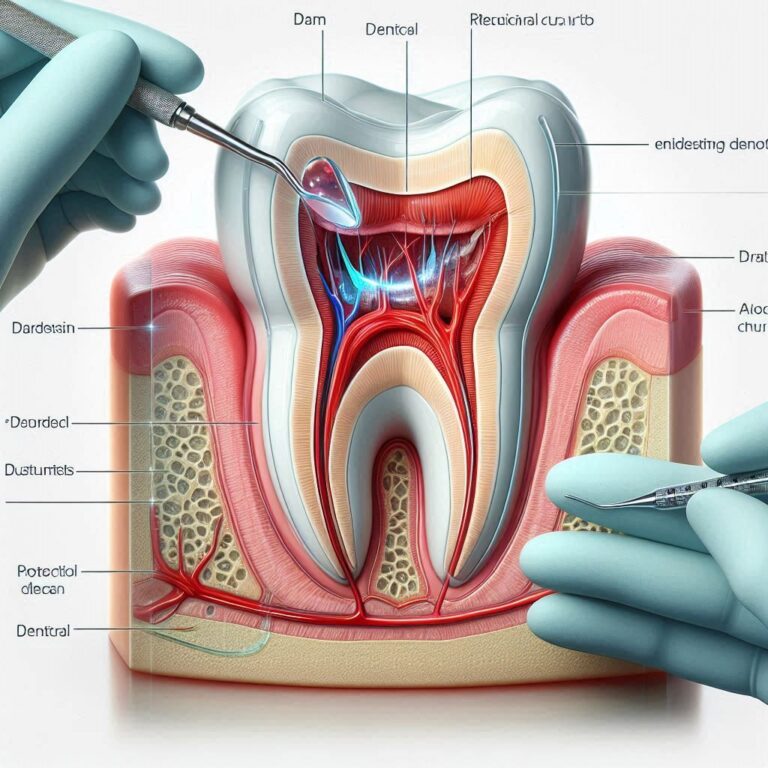
Gingival Flap: Imagine your gum tissue is a blanket covering the roots of your teeth. In this procedure, the dentist or periodontist (a gum specialist) gently lifts a small “flap” of gum tissue away from the tooth.
-
Procedure: Lifting this flap allows the dentist to see the root of the tooth and the bone underneath. They can then clean out the deep, stubborn tartar and bacteria that a regular cleaning cannot reach.
-
Root Planing: This is the “cleaning” part. The dentist smooths the surface of the tooth root. This makes it harder for bacteria to stick to it in the future and helps the gum reattach to the tooth.
Important Note: The code specifies “per tooth.” This means that if your dentist performs this procedure on three teeth, they would bill your insurance three times (or with a different code for multiple teeth). D4241 is specifically for treating individual teeth that require this level of surgical intervention.
When is D4241 Necessary? Understanding Periodontal Disease
You might be wondering, “Why can’t they just do a regular cleaning?” The answer lies in the health of your gums. D4241 is not a routine procedure; it is a treatment for a specific condition.
The Problem: Deep Periodontal Pockets
Your teeth are attached to your jawbone by a complex system of fibers. Your gums fit snugly around the teeth, creating a shallow, healthy groove called a sulcus. This groove is usually between 1 and 3 millimeters deep.
When plaque and tartar build up, the gums can become inflamed (gingivitis). If left untreated, this inflammation can destroy the tissue and bone that hold your teeth in place. This is periodontitis.
As the bone is lost, the gums pull away from the tooth, creating a deeper space called a periodontal pocket. When these pockets reach a depth of 5 millimeters or more, they become impossible to keep clean with a toothbrush and floss at home. Bacteria thrive in these deep pockets, causing more bone loss.
How D4241 Fixes the Problem
This is where the D4241 procedure comes in. When pockets are too deep for a regular “scaling and root planing” (a non-surgical deep cleaning), a flap procedure is the next step.
-
Visual Access: The dentist cannot see the bottom of a 7mm pocket. By lifting the flap, they get a direct view of the tartar buildup and any damage to the bone.
-
Complete Cleaning: They can meticulously remove all the hard and soft deposits from the root surface.
-
Saving the Tooth: The goal of D4241 is to stop the progression of the disease, save the supporting bone, and ultimately, save your tooth from falling out.
“Think of periodontal disease like an infection under a bandage,” explains Dr. [Hypothetical Expert Name], a periodontist. “If you just clean the top of the bandage, the infection underneath will continue to fester. The D4241 flap procedure is like carefully lifting the bandage to clean the wound itself, allowing it to finally heal.”
D4241 vs. Other Common Dental Codes
One of the biggest sources of confusion is how D4241 differs from other “gum” codes. Let’s break it down with a simple comparison table. This will help you look at your treatment plan and understand exactly what your dentist is proposing.
Comparison Table: D4241 vs. Similar Procedures
| Dental Code | Procedure Name | What It Is | Depth of Cleaning | Typical Cost |
|---|---|---|---|---|
| D1110 | Prophylaxis (Adult) | Routine cleaning. Polishing and scaling above the gum line. | Above the gum line only. | $ (Lowest) |
| D4341 | Periodontal Scaling and Root Planing | Non-surgical deep cleaning. Cleaning below the gum line for one to three teeth, usually with local anesthesia (numbing). | Below the gum line (4-7mm pockets), but without opening the gums. | $$ (Moderate) |
| D4241 | Gingival Flap Procedure | Surgical deep cleaning. The gum is lifted to access and clean deep root surfaces and bone. Per tooth. | Deep below the gum line (5mm+ pockets), with full surgical access. | $$$ (High) |
| D4266 | Gingival Flap with Bone Reshaping | A flap procedure that also includes reshaping the underlying bone to make it healthier and easier to clean. | Surgical access with bone contouring. | $$$$ (Highest) |
Key Takeaway: Notice the progression. D1110 is maintenance. D4341 is a deep clean without surgery. D4241 is a surgical procedure to treat a single, severely affected tooth. If your dentist recommends D4241, it means they believe the disease has progressed to a point where non-surgical methods are unlikely to be effective.
Step-by-Step: What Happens During a D4241 Procedure?
Knowing what to expect can significantly reduce anxiety. While every dentist’s technique may vary slightly, here is a general roadmap of the D4241 procedure from start to finish.
The Initial Consultation
Before the procedure day, you will have a consultation. This often involves:
-
Periodontal Probing: Measuring the depth of the pockets around each tooth.
-
X-Rays: To see the level of bone around the teeth.
-
Treatment Plan Discussion: Your dentist will explain which teeth need the procedure and why.
-
Cost Estimate: You will receive a treatment plan to send to your insurance.
The Day of the Procedure
-
Anesthesia: The area will be completely numbed with a local anesthetic (like Novocain). You should not feel any pain, only pressure and vibration.
-
The Incision: The dentist makes a very small, precise incision in the gum tissue around the targeted tooth, creating the “flap.”
-
Reflection: The gum tissue is gently moved away from the tooth and bone, exposing the root and the infected area.
-
Debridement and Root Planing: This is the core of the procedure. Using specialized instruments, the dentist removes all the tartar, plaque, and diseased tissue. They then smooth the root surface.
-
Irrigation: The area is flushed with sterile water or a medicated solution to wash away debris.
-
Suturing (Stitches): The gum flap is placed back into its original position and secured with small stitches. These are often dissolvable, meaning they will go away on their own in a few days to a couple of weeks.
-
Placement of Dressing (Optional): Sometimes, a soft, putty-like “periodontal pack” is placed over the area to protect it while it heals.
The Recovery Period
-
First 24-48 Hours: You can expect some swelling and discomfort. Ice packs and over-the-counter pain relievers (as recommended by your dentist) are your best friends. Stick to soft foods.
-
The Following Days: You will need to be gentle when brushing near the site. Your dentist may recommend a special antimicrobial mouthwash.
-
The Follow-Up Visit: You will have a post-op appointment to ensure the area is healing well and to remove any non-dissolvable stitches.
The Financial Side: Cost and Insurance for D4241
Let’s talk money. Dental procedures can be a significant investment, and D4241 is no exception. However, it is crucial to view this as an investment in your long-term health.
What is the Average Cost of D4241?
The cost can vary wildly based on your location, the complexity of the case, and the dentist’s experience. However, you can expect to pay somewhere in the following range:
-
Without Insurance: The cost for D4241 can range from $300 to $700 per tooth.
Yes, you read that right: per tooth. Because it is a surgical procedure requiring significant skill and time, the cost is much higher than a simple filling or cleaning.
How Does Dental Insurance Work for D4241?
Dental insurance is different from medical insurance. It operates on a “100-80-50” structure, but this depends entirely on your specific plan.
-
Classification: D4241 is almost always classified as “Major Restorative” or “Periodontics” by insurance companies.
-
Coverage Percentage: Most plans cover major procedures at 50% . So, if the procedure costs $500, the insurance company pays $250, and you are responsible for the remaining $250 (your coinsurance).
-
Deductibles: You must first meet your annual deductible (e.g., $50–$100) before your insurance starts paying.
-
Annual Maximums: This is the biggest hurdle. Most dental plans have a low annual maximum, often around $1,500. If you need this procedure on several teeth, you could hit your maximum very quickly.
Checklist: Before You Say “Yes” to D4241
-
Call your insurance provider. Ask them specifically: “What is my coverage percentage for D4241? Have I met my deductible? How much of my annual maximum is remaining?”
-
Ask your dentist for a “predetermination.” This is where the dental office sends the treatment plan to your insurance before the work is done. They will send back an estimate of what they will pay, giving you no surprises later.
-
Discuss payment plans. Many dental offices offer financing options or in-house payment plans to help spread the cost over several months.
Risks, Benefits, and Long-Term Outlook
Any surgical procedure comes with considerations. It is important to weigh the pros and cons.
The Benefits of Getting the Procedure
-
Stops the Disease: It halts the progression of periodontitis, preventing further bone loss.
-
Saves the Tooth: This is often the last line of defense to save a tooth that would otherwise need to be extracted.
-
Reduces Pocket Depth: By cleaning the area and smoothing the root, the gums can heal and tighten back around the tooth, creating a shallower, healthier, and cleanable pocket.
-
Fresher Breath: Eliminating the deep bacteria that cause bad breath (halitosis).
The Potential Risks and Considerations
-
Gum Recession: After the swelling goes down, the gums may be slightly higher on the tooth than before. This is a trade-off for eliminating the disease. It exposes more of the tooth but creates a healthier environment.
-
Sensitivity: Teeth may be more sensitive to hot and cold for a few weeks after the procedure.
-
Infection: As with any surgery, there is a small risk of post-operative infection, which can be treated with antibiotics.
-
Failure: In some cases, despite the surgery, the tooth may not respond, and the disease can continue. This is less common but possible, especially if home care is not meticulous afterward.
The Most Important Part: Post-Procedure Care
The success of your D4241 procedure depends more on you than on the dentist. The surgery cleans the slate, but you are the one who keeps it clean.
Your new daily routine must be excellent:
-
Meticulous Brushing: Twice a day, with a soft-bristled toothbrush.
-
Daily Flossing: You must clean between the teeth every single day.
-
Special Tools: Your dentist may recommend an interdental brush or a water flosser (like Waterpik) to help clean the area without damaging the healing tissue.
-
Regular Recare Visits: You will likely need to see your dentist or hygienist every 3-4 months for “periodontal maintenance” (a special cleaning code, D4910) to ensure the disease stays under control.
Frequently Asked Questions (FAQ)
Q: Is the D4241 procedure painful?
A: During the procedure, you will be completely numb, so you should not feel sharp pain. After the anesthesia wears off, you can expect some discomfort, soreness, and possibly mild pain. This is usually well-managed with over-the-counter pain relievers like ibuprofen.
Q: How long does the D4241 procedure take?
A: For a single tooth, the procedure itself might take 30 to 60 minutes. However, you should plan to be at the office for at least 1.5 to 2 hours to account for anesthesia, preparation, and post-op instructions.
Q: Can I eat after a flap procedure?
A: You should wait until the anesthesia has completely worn off to eat so you don’t accidentally bite your cheek or tongue. For the first few days, stick to a soft food diet—think yogurt, soup, smoothies, mashed potatoes, and scrambled eggs. Avoid hard, crunchy, or spicy foods.
Q: Why does my dentist say I need D4241 when my last dentist never mentioned it?
A: Periodontal disease can progress slowly or sometimes rapidly. It’s possible your gum health has declined since your last visit. It could also be that your previous dentist had a different treatment philosophy. A second opinion is always an option if you are unsure.
Q: Is D4241 the same as gum graft surgery?
A: No, not at all. D4241 treats active infection by cleaning the roots. A gum graft (code D4270) is a regenerative procedure to cover an exposed root and add tissue. They are two completely different types of gum surgery.
Conclusion
Navigating a diagnosis that requires surgical intervention can be stressful. The D4241 dental code, representing a gingival flap procedure, is a powerful tool in the fight against advanced gum disease. While it is a more involved and costly procedure than a standard cleaning, its goal is simple and crucial: to save your natural teeth by creating a healthy, infection-free foundation.
By understanding what the code means, why it is needed, and what the process entails, you are now equipped to have an informed conversation with your dentist. You are no longer just looking at a code on a piece of paper; you are looking at a clear path toward better oral health.
Additional Resource
For a deeper dive into periodontal disease and its treatment options, the American Academy of Periodontology offers excellent patient resources. You can visit their “Patient Resources” section at www.perio.org for more information on gum health.