Decoding the D4283 Dental Code: A Complete Guide for Patients
If you’ve recently visited a periodontist or oral surgeon and received a treatment plan that includes something called the “D4283 dental code,” you might be staring at the paper, wondering what in the world it means. Dental codes can feel like a secret language designed to confuse patients. But don’t worry, you are not alone, and we are going to decode this one together.
The D4283 code is a specific term used by dental professionals and insurance companies. Understanding it is crucial, not just for your peace of mind, but also for your wallet. Whether you are dealing with gum disease, preparing for implants, or just trying to understand a claim from your insurance, knowing what this code represents puts the power back in your hands.
In this guide, we will break down everything you need to know about the D4283 dental code. We’ll look at what it means, the procedure it describes, what to expect during recovery, and how to navigate the financial side of things.
Let’s dive in and make sense of it all.
What Exactly is the D4283 Dental Code?
Let’s start with the basics. In the world of dentistry, every specific procedure has a unique number. These are called Current Dental Terminology (CDT) codes, created by the American Dental Association (ADA). They provide a uniform language for describing dental procedures. This ensures that when a dentist in California sends a code to an insurance company in New York, everyone knows exactly what treatment was performed.
So, what does D4283 stand for?
D4283 is the CDT code for a “freeze-dried, solvent-dehydired allograft.” Specifically, it refers to the graft material placed after a tooth extraction to preserve the socket.
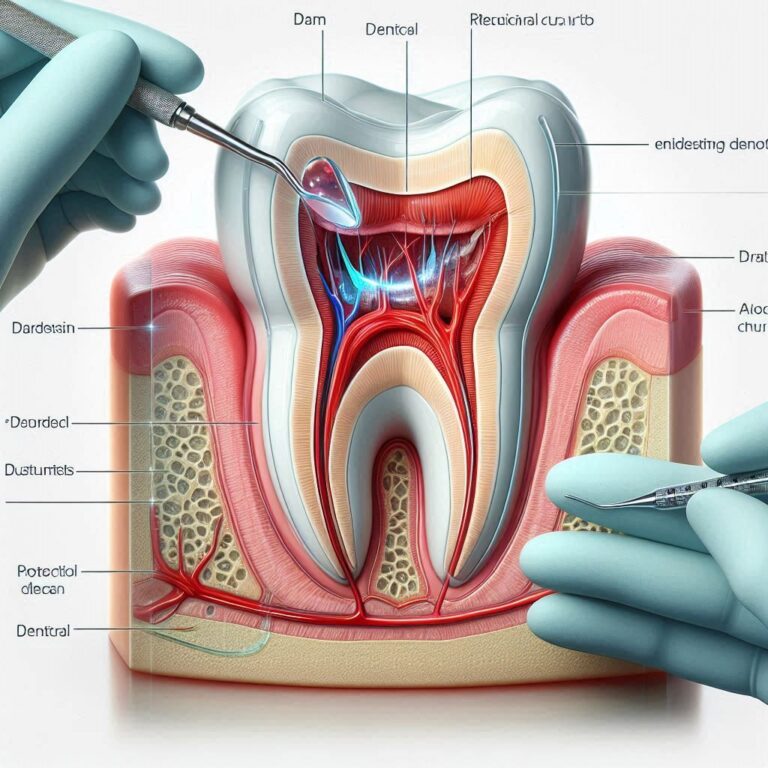
In simpler terms? Imagine you have a tooth pulled. Once that tooth is gone, there’s a hole in your jawbone. Nature wants to fill that space, but if left alone, the bone shrinks. The D4283 procedure is like putting a placeholder in that hole to keep the bone from collapsing. It’s a procedure often called socket preservation or ridge preservation.
Breaking Down the Terminology
The name of the code sounds complicated, but let’s pull it apart:
-
Freeze-dried: This refers to how the graft material is processed and preserved. It’s a sterilization technique that removes water, making it safe and stable for storage.
-
Solvent-dehydired: This is another method of preservation. It’s a chemical process that also cleans and preserves the tissue. (Note: The official ADA spelling is “dehydired,” but it means dehydrated).
-
Allograft: This is the most important part. An allograft means the grafting material comes from a human donor—specifically, from donated cadaver bone or tissue. It is not synthetic, and it is not taken from another part of your own body. The tissue is rigorously screened and tested by a tissue bank to ensure it is safe and sterile.
Important Note: The idea of using donated tissue can sound scary at first. However, allografts are incredibly common in modern medicine and dentistry. They are used because they provide a natural scaffold for your own body’s cells to grow into. Think of it as a trellis for a vine—the donor bone provides the structure, and your body gradually replaces it with your own new bone over time.
When and Why is the D4283 Procedure Needed?
You won’t see D4283 on a routine cleaning appointment. This code is almost always tied to tooth extraction, but specifically, extractions where the future health of the jawbone is a concern.
The primary reason a dentist or periodontist recommends this procedure is to prevent bone loss. When a tooth is removed, the bundle of nerves and blood vessels that fed it is also removed. The body interprets this as “we don’t need that bone anymore” and begins to resorb it. This process is called bone resorption.
Here are the most common scenarios where D4283 is used:
1. Planning for a Dental Implant
This is the most frequent reason. Dental implants are artificial tooth roots that are surgically placed into the jawbone. For an implant to be successful, it needs enough healthy, strong bone to hold it in place—much like a fence post needs solid ground.
If a tooth is extracted and the socket is left empty, the bone will shrink. This shrinkage can make it impossible to place an implant later without first performing a much more extensive (and expensive) bone grafting procedure. By placing a D4283 graft at the time of extraction, the dentist preserves the bone volume, keeping the site ready for an implant in the future.
2. Preventing Collapse of Adjacent Teeth
Your teeth support each other. When one is missing, the neighboring teeth can start to drift or tilt into the empty space. While the graft itself doesn’t stop the teeth from moving, maintaining the bone structure helps maintain the overall architecture of your mouth.
3. Maintaining Facial Structure
This might sound dramatic, but it’s true. Your jawbone is the foundation for your face, specifically your lower facial height. Significant bone loss in the jaw can lead to a “sunken” appearance around the mouth and chin, making a person look older. Socket preservation helps maintain that natural contour.
4. Improving Aesthetics for a Bridge or Denture
If you are planning to replace a missing tooth with a fixed bridge or a partial denture, having a healthy, well-contoured ridge of bone underneath is essential for a natural look. A collapsed ridge can create a visible gap between the false tooth and the gum, or make a denture fit poorly.
The D4283 Procedure: A Step-by-Step Walkthrough
Knowing what to expect during a procedure can significantly reduce anxiety. If your dentist has recommended the D4283 code, here is a realistic look at how the process typically unfolds.
Step 1: The Extraction
The procedure begins with the removal of the tooth. Depending on the tooth’s condition, this might be a simple extraction (for a tooth visible above the gum line) or a surgical extraction (for a tooth that is broken off or impacted). The dentist will use a local anesthetic to numb the area completely. For anxious patients, options like nitrous oxide (laughing gas) or oral sedation might be discussed.
Step 2: Site Evaluation and Preparation
Once the tooth is out, the dentist will carefully examine the socket. They will use instruments to clean out any infection, debris, or unhealthy tissue. This step is vital because you need a clean, healthy environment for the graft to work. They may also use a surgical drill to create small “bleeding points” in the bone walls of the socket. This encourages blood to fill the socket, which is rich in the stem cells and growth factors needed for healing.
Step 3: Placing the Allograft Material
This is the core of the D4283 procedure. The freeze-dried, solvent-dehydired allograft doesn’t look like a piece of bone. It usually comes in a small vial as a collection of particles, almost like coarse sand or small granules.
The dentist will open the sterile package and may mix the particles with a sterile solution, sterile blood from the socket, or another agent to create a paste-like consistency. This mixture is then carefully packed into the empty socket. The dentist will fill it completely, slightly overfilling it to account for any settling.
Step 4: Protecting the Graft
Simply packing the material into the hole isn’t enough; it needs to be protected while it heals. To do this, the dentist will typically place a barrier over the top of the socket. This could be:
-
A Collagen Membrane (often coded separately): A small, dissolvable “bandage” placed over the graft to keep the particles in and prevent gum tissue cells (which grow faster) from invading the bone area (which grows slower).
-
A Sutured Cover: The gum tissue is pulled over the socket and stitched closed, completely covering the graft.
-
A Stabilizing Material: Sometimes, a non-dissolvable dressing or a healing abutment is placed, which will be removed later.
Step 5: Post-Operative Instructions
Once the graft is secure, the dentist will provide you with a list of instructions. They will likely place a piece of gauze over the site and ask you to bite down firmly for 30-60 minutes to help control bleeding. You’ll be sent home with prescriptions for antibiotics (to prevent infection) and possibly pain medication or anti-inflammatory drugs.
What to Expect After Your D4283 Procedure: Recovery and Healing
Recovery from a socket preservation graft is generally very manageable, but it’s a process. Your body is working hard to turn that scaffold of donor bone into your own living tissue. Here’s a timeline of what you can typically expect.
The First 24-48 Hours
-
Bleeding: Some minor oozing is normal. If bleeding is heavy, place a damp, black tea bag on the site for 20 minutes; the tannic acid helps with clotting.
-
Swelling: Some swelling of the gum and cheek is common. Apply an ice pack to the outside of your face (20 minutes on, 20 minutes off) for the first 24 hours to minimize it.
-
Pain: Discomfort is usually mild to moderate. Over-the-counter ibuprofen (Advil, Motrin) is often sufficient to manage pain and reduce inflammation, but take any medication exactly as prescribed by your dentist.
-
Activity: Rest. Avoid strenuous activity for a day or two, as it can increase bleeding.
Days 3-7
-
The initial healing phase begins. Swelling should peak around day 2 or 3 and then start to subside.
-
You will likely be on a soft food diet. Think yogurt, applesauce, smoothies, mashed potatoes, and soup (not too hot!). Avoid anything hard, crunchy, or chewy near the surgical site.
-
Oral Hygiene is crucial but gentle. You must keep the area clean to prevent infection. Do not brush the surgical site. Instead, the dentist may recommend a prescription mouth rinse (like chlorhexidine) or gently rinsing with a warm salt water mixture (1/2 teaspoon of salt in a cup of warm water) several times a day, starting 24 hours after surgery. Do not swish vigorously; just let the liquid fall over the area.
Weeks 2-4
-
The gum tissue should be healing nicely. Any stitches that are not dissolvable may be removed during a follow-up visit.
-
You can gradually return to a normal diet, but continue to be cautious when chewing near the graft site.
-
The graft material itself is now stabilizing, and your body’s bone cells are beginning the long process of forming new bone.
Months 3-6 (and beyond)
-
This is the maturation phase. The graft needs time to fully integrate and turn into hard, viable bone. This process is called osseointegration.
-
If your plan is to get a dental implant, you will likely have to wait anywhere from 4 to 9 months. Your dentist will take X-rays or a 3D scan to ensure there is enough healthy new bone before proceeding with implant placement.
A Quick Comparison: Healing Stages
| Timeframe | Key Events | Patient Experience |
|---|---|---|
| 24-48 Hours | Clot formation, initial inflammation. | Bleeding, swelling, discomfort. Strict soft diet. |
| Week 1 | Soft tissue healing begins. | Stitches in place. Gradual return to normal routine. |
| Weeks 2-4 | Gum tissue closes. Graft stabilizes. | Follow-up appointment. May resume gentle chewing away from site. |
| 3-6 Months | New bone forms (osseointegration). | Site feels normal. Waiting for bone maturity. |
| 4-9 Months | Bone is ready for implant. | X-ray/scan confirms bone volume. Implant placement scheduled. |
The Financial Side: Cost, Insurance, and Codes Like D4266 and D4265
Let’s talk about money. The cost of a D4283 procedure can vary widely depending on where you live, the complexity of the extraction, and the dentist’s expertise. You will rarely see D4283 alone on a bill; it is almost always paired with the extraction code (like D7140, D7210, or D7250).
What Influences the Cost?
-
Geography: Dental costs in major metropolitan areas are typically higher than in rural areas.
-
The Specialist Factor: A general dentist may charge less than a periodontist (gum specialist) or an oral surgeon, though the latter two have advanced training for complex cases.
-
Extent of the Graft: While D4283 is for a single tooth socket, some larger defects require more material.
Typical Price Range
As a general estimate, you can expect the D4283 procedure itself to add $500 to $1,500 to the cost of your tooth extraction. The total cost for the extraction plus the graft can range from $1,000 to $2,500 or more.
Will Insurance Cover D4283?
This is where it gets tricky. Dental insurance is designed to maintain health, not necessarily to rebuild it. Here is a realistic breakdown of coverage:
-
Medical Necessity is Key: If the graft is needed for a procedure that is covered, like a dental implant to restore function, you have a better chance of getting some coverage.
-
Plan Limitations: Many basic dental insurance plans consider socket preservation a “major” service and may cover it at 50%. However, some plans explicitly exclude bone grafts or list them as “not a covered benefit.”
-
The “Rider” Factor: Some policies have a “periodontal rider” or an “implant rider.” If you have this, your coverage for procedures like D4283 will be much better.
-
Medical vs. Dental Insurance: In cases where the extraction is due to trauma (an accident) or pathology (a tumor), your medical insurance might contribute, as the procedure becomes part of reconstructive surgery.
Always ask your dentist’s office for help. Their billing coordinator is an expert at navigating insurance. Ask them to submit a pre-determination of benefits (or pre-authorization) to your insurance company. This is a formal request that tells you, in writing, exactly how much the insurance will pay before you commit to the procedure.
Related Codes You Might See
When looking at your treatment plan, you might see other codes near D4283. It’s helpful to know the difference:
-
D4266: This is a code for a gingival (gum) graft to cover an exposed root. It is a soft tissue procedure, not a bone procedure.
-
D4265: This is a code for a biologic material to aid in tissue regeneration. It is often used with a bone graft to help stimulate healing but is a separate material and a separate charge.
-
D7953: This is a code for bone graft for a slightly different purpose, often for a ridge augmentation, which is a larger procedure to rebuild bone where a tooth has been missing for a while.
D4283 vs. Other Grafting Options: A Clear Comparison
You might wonder, “Why this specific type of graft?” There are several ways to get bone grafting material, and D4283 is just one of them. Understanding the difference can help you have a more informed conversation with your dentist.
Here is a comparison of the main types of bone graft materials:
| Graft Type | Source | Pros | Cons |
|---|---|---|---|
| Allograft (D4283) | Donated human bone (cadaver). | Pros: No second surgical site (less pain). Unlimited supply. Good “scaffold” for new bone. Proven, predictable results. | Cons: Slower integration than an autograft. Some patients have psychological hesitation about the source. |
| Autograft | Your own bone (often from the chin, jaw, or hip). | Pros: The “gold standard.” Contains living bone cells for fastest and most predictable healing. No risk of disease transmission. | Cons: Requires a second surgical site, meaning more pain, longer recovery, and potential for complications at the donor site. Limited supply. |
| Xenograft | Animal bone (usually cow/bovine). | Pros: Excellent scaffolding material. Very slow resorption, which can be good for maintaining volume long-term. Abundant supply. | Cons: No living cells. Some patients have ethical or religious concerns. Integrates more slowly. |
| Alloplast | Synthetic material (calcium phosphate, bioactive glass). | Pros: No concerns about disease transmission. Unlimited supply. No ethical issues regarding source. | Cons: No growth factors. Predictability varies by product. Generally considered less osteogenic (bone-forming) than human grafts. |
Your dentist’s choice will depend on the size of the defect, your medical history, personal preferences, and their clinical judgment. D4283 (allograft) is often the “sweet spot”—it offers excellent results without the pain and recovery of a second surgery site.
Risks and Complications: Being Realistic
No medical procedure is without risk, and it’s important to be honest about that. The D4283 procedure has a high success rate, but complications can occur.
-
Infection: Any time you create a wound in the mouth, bacteria can cause an infection. This is why dentists prescribe antibiotics and stress the importance of gentle, careful oral hygiene. Signs of infection include increasing pain after a few days, foul taste/drainage, and excessive swelling.
-
Graft Failure / Loss of Graft Material: Sometimes, the graft doesn’t “take.” This can happen if the blood clot is dislodged (a condition called dry socket), if the site wasn’t completely healthy to begin with, or if the patient accidentally puts pressure on it (like chewing on it). In some cases, small particles of the graft may work their way out through the gum as it heals. This is usually minor, but if a large amount is lost, the graft may fail.
-
Wound Dehiscence: This is a fancy term for the stitches coming apart or the gum tissue not closing properly over the graft, leaving the material exposed. If a small area is exposed, the dentist can often manage it with special rinses. If a large area is exposed, the graft can become contaminated and fail.
-
Nerve Damage: This is rare for socket preservation in most areas of the mouth. However, in the lower jaw near the “mental nerve” (which supplies feeling to your lip and chin), there is a slight risk of temporary or, very rarely, permanent numbness.
-
Sinus Issues (for upper teeth): If the extraction is on an upper tooth, especially a premolar or molar, the roots are often very close to the maxillary sinus. The graft procedure can sometimes involve or affect the sinus membrane.
Pro Tip: The best way to minimize these risks is to follow your post-operative instructions to the letter. This includes taking all prescribed medications, keeping the area clean, and not smoking. Smoking is one of the biggest risk factors for graft failure because it restricts blood flow to the healing site.
Frequently Asked Questions (FAQ)
To wrap up, let’s tackle some of the most common questions patients have about the D4283 code.
1. Is the D4283 procedure painful?
You will be completely numb during the procedure, so you shouldn’t feel any pain. Afterward, as the anesthesia wears off, you can expect some discomfort, soreness, and swelling. This is typically well-managed with over-the-counter pain relievers like ibuprofen. Most patients say it feels like a difficult extraction and is very manageable.
2. How long does the D4283 procedure take?
The graft placement itself adds only about 15-30 minutes to the extraction appointment. The total appointment time will depend on the complexity of the tooth removal.
3. What happens if I don’t get the socket preservation graft?
If you don’t get the graft, the bone in that area will shrink and resorb over time. The most significant shrinkage happens in the first six months to a year. This can make placing a dental implant difficult or impossible without a more extensive future graft. It can also affect the fit of a denture or bridge.
4. Can I eat normally after the procedure?
Not right away. You will need to stick to a soft food diet for at least a few days to a week. You must avoid chewing directly on the surgery site for several weeks to protect the graft. Your dentist will give you specific dietary guidelines.
5. How do I clean my mouth after a D4283 graft?
You can brush your other teeth as usual, but be very gentle. Avoid the surgical site for the first day. After 24 hours, you can begin very gentle rinsing with warm salt water (do not swish hard, just let it flow over the area). Do not use a Waterpik or spit forcefully near the site until your dentist says it’s safe.
6. How successful is the D4283 procedure?
When performed on a healthy patient by an experienced clinician, success rates for socket preservation are very high—often over 95%. Success means that enough bone volume and quality are preserved to allow for successful implant placement later.
Conclusion
The D4283 dental code might look intimidating on a treatment plan, but it represents a fairly straightforward and highly beneficial procedure. It’s a proactive step to protect your jawbone’s health and integrity immediately after a tooth extraction.