D4322 Dental Code: Treating Periodontal Abscesses
Navigating the world of dental insurance codes can often feel like trying to read a foreign language. You look at your treatment plan or your Explanation of Benefits (EOB), and you’re met with a confusing jumble of letters and numbers. If you’ve recently been told you have a gum infection or a periodontal abscess, you might have come across the code “D4322” and wondered what it means for your health and your wallet.
Don’t worry, you’re in the right place. This guide is designed to pull back the curtain on this specific dental procedure code. We’ll walk you through everything you need to know about the D4322 dental code in plain, simple English.
Think of this as your friendly, reliable roadmap. We’ll cover what the procedure is, why you might need it, what happens during the treatment, and how much it might cost. Whether you’re a patient trying to understand a treatment plan or just someone curious about dental care, this article will give you the clarity you need. Let’s dive in and make sense of it together.
What Exactly is the D4322 Dental Code?
At its core, the D4322 dental code is a specific identifier used by dental professionals and insurance companies. It stands for a procedure called “Treatment of periodontal abscess, localized, including drainage.” It falls under the broader category of periodontal (gum) services.
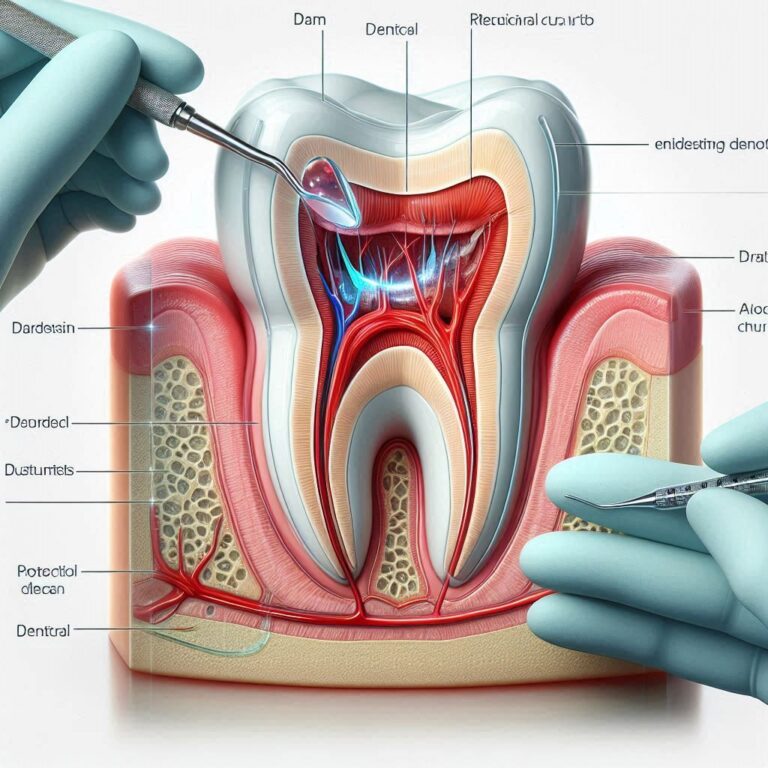
To put it simply, this code is used when a dentist or periodontist treats a pocket of infection in your gums. Unlike a standard cavity that affects the tooth itself, a periodontal abscess is an infection that starts in the gum tissues and the supporting structures around the tooth. The code D4322 covers the work involved in accessing that infection, draining the pus (abscess), and cleaning the area to help it heal.
It’s important to distinguish this from other, similar-sounding codes. For example, there are codes for root canals (which treat the nerve inside the tooth) or for surgical gum procedures (which are more complex and involve reshaping the bone or gums). D4322 is specifically focused on a localized, acute gum infection.
Why is This Specific Code Important?
Using a standardized code like D4322 serves several crucial purposes:
-
Clarity for Insurance: It tells your insurance company exactly what service was performed, which determines how your benefits are applied and how much they will cover.
-
Standardized Patient Records: It allows for clear and consistent record-keeping in your dental chart, ensuring that any dentist who sees your file understands the treatment you received.
-
Basis for Treatment Plans: When your dentist recommends this procedure, they will list D4322 on your treatment plan so you have a clear, itemized breakdown of the proposed work and its cost.
Understanding the Condition: The Periodontal Abscess
Before we go any further, it’s helpful to understand the problem that the D4322 code is designed to fix. After all, you can’t truly understand the treatment without understanding the condition it treats.
A periodontal abscess is essentially a “pimple” on your gum, but it’s one that forms deep within the supporting structures of your tooth. It’s a collection of pus caused by a bacterial infection. Think of it as your body’s way of trying to contain an infection that has gotten out of control.
What Causes a Periodontal Abscess?
Several factors can lead to the development of this painful condition. The most common causes include:
-
Advanced Gum Disease (Periodontitis): This is the primary culprit. When gum disease progresses, it creates “periodontal pockets”—deep spaces between the tooth and the gum. These pockets can trap food, bacteria, and plaque. If the opening of the pocket gets closed off, the bacteria trapped inside multiply, leading to an abscess.
-
Foreign Object Impaction: Sometimes, a small piece of food, like a popcorn kernel husk or a tiny piece of a tortilla chip, can get forcefully lodged deep into the gum tissue. Your body reacts to this foreign object, creating an abscess around it.
-
Weakened Immune System: Individuals with compromised immune systems (due to conditions like diabetes, stress, or other illnesses) are more susceptible to infections, including periodontal abscesses.
Signs and Symptoms You Shouldn’t Ignore
How do you know if you might have a periodontal abscess that requires the D4322 procedure? Here are the classic signs:
-
Localized, Throbbing Pain: The pain is usually intense and focused on one specific area. You might feel a constant, dull ache that turns into a sharp, throbbing pain when you touch the area or chew.
-
Swelling of the Gum: You will likely see a noticeable, red, swollen bump on your gum. It might look like a large pimple.
-
Pus Drainage: You might notice a bad taste in your mouth or see pus draining from the swollen area. Sometimes, the pressure causes the pus to ooze out when you press on the gum.
-
Loose Tooth: The infection can affect the bone and ligaments holding your tooth in place, making the affected tooth feel loose.
-
General Malaise: In more severe cases, the infection can cause fever, swollen lymph nodes in your neck, and a general feeling of being unwell.
Important Note: If you are experiencing swelling on your face or neck, difficulty swallowing, or difficulty breathing, this is a medical emergency. Seek immediate care at a hospital emergency room. These can be signs that the infection is spreading rapidly.
The D4322 Procedure: A Step-by-Step Walkthrough
Knowing what to expect can significantly reduce the anxiety surrounding a dental procedure. So, let’s walk through what typically happens during a D4322 treatment. Remember, every dentist and every patient is unique, so your experience might vary slightly, but this gives you a solid overview.
The primary goals of the D4322 procedure are to eliminate the infection, relieve pain, and save the tooth. It’s a focused, localized treatment.
Step 1: Diagnosis and Assessment
Your dentist won’t just jump into the procedure. First, they need to confirm the diagnosis. This involves:
-
Clinical Examination: The dentist will examine the swollen area, gently probe around the tooth to measure the depth of the periodontal pocket, and check for pus drainage.
-
X-rays: A periapical X-ray (which shows the entire tooth from crown to root) is almost always taken. This is crucial to see if the infection has spread to the bone, to rule out an abscess originating from the tooth’s nerve (an endodontic abscess), and to check for any hidden foreign objects.
Step 2: Anesthesia
Your comfort is the top priority. The dentist will apply a topical anesthetic to numb the gum tissue, followed by a local anesthetic (like lidocaine) injected near the site. This ensures the area is completely numb so you won’t feel any pain during the drainage and cleaning process. You’ll be awake and aware, but you shouldn’t feel sharp pain.
Step 3: Drainage and Debridement
This is the core of the D4322 procedure. The dentist needs to release the trapped pus and clean out the infection. They will typically do this in one of two ways:
-
Probing and Draining: The most common method involves using a dental instrument to gently probe the opening of the periodontal pocket. This allows the trapped pus to drain out, instantly relieving the intense pressure and pain.
-
Incision and Drainage: If the abscess is very large or if the pocket opening is too narrow, the dentist may need to make a small incision (cut) in the gum tissue directly over the abscess to create an exit path for the pus.
Once the pus is drained, the area is flushed thoroughly with a sterile saltwater (saline) solution. This process, called debridement, washes away bacteria, toxins, and debris from the pocket. The dentist may also use a small instrument called a curette to scrape the root surface of the tooth to remove any hard deposits (calculus or tartar) that are fueling the infection.
Step 4: Post-Procedure Instructions and Follow-Up
With the infection drained and the area cleaned, the procedure itself is complete. The dentist will give you clear instructions for the next few days, which typically include:
-
Warm Salt Water Rinses: Starting the next day, you’ll likely be advised to rinse gently with warm salt water several times a day to keep the area clean and promote healing.
-
Pain Management: Over-the-counter pain relievers like ibuprofen or acetaminophen are usually sufficient to manage any post-procedure discomfort.
-
Oral Hygiene: You’ll be instructed to keep the area clean but be very gentle when brushing near the healing site.
-
Follow-Up Appointment: It is very common for the dentist to want to see you again in a few weeks. This follow-up is essential to ensure the infection has cleared completely and the gum tissue is healing well. They will also want to address the underlying cause, such as gum disease, to prevent it from happening again.
D4322 vs. Other Common Dental Codes: A Comparison
One of the most confusing aspects of dental treatment plans is how similar-sounding procedures differ. To help you see the big picture, here’s a simple comparison of D4322 with other common codes.
| Dental Code | Procedure Name | What It Treats | Key Difference from D4322 |
|---|---|---|---|
| D4322 | Treatment of periodontal abscess, localized, including drainage | A localized infection in the gum tissues (periodontal pocket). | Focuses on draining an infection caused by gum disease or a foreign object. |
| D3220 | Therapeutic pulpotomy (excluding final restoration) | Inflammation or infection of the pulp (nerve) in the crown of the tooth. | Treats the interior nerve of the tooth, often in baby teeth or as part of a root canal. Not focused on the gum pocket. |
| D3310 | Endodontic therapy, anterior tooth (excluding final restoration) | Infection or damage to the nerve and pulp of a front tooth. | A complete root canal treatment for a front tooth, removing the entire nerve. |
| D4240 | Gingival flap procedure, including root planing, four or more contiguous teeth | Advanced gum disease affecting a large area. | A major surgical procedure to lift the gums back to clean deep under them. Much more extensive than a localized abscess treatment. |
| D4341 | Periodontal scaling and root planing, four or more teeth | Active gum disease (gingivitis or periodontitis). | A deep cleaning procedure to remove tartar and bacteria from below the gum line, but not specifically for draining an abscess. |
The Financial Side: Cost and Insurance Coverage for D4322
Let’s talk about money. It’s often the elephant in the room, but understanding the potential costs and your insurance coverage can make the entire process much less stressful.
What is the Typical Cost?
The cost of a D4322 procedure is not a fixed number. It can vary based on several factors:
-
Geographic Location: Dental fees tend to be higher in major metropolitan areas compared to rural towns.
-
The Dentist’s Expertise: A specialist, like a periodontist, may charge more than a general dentist for the same procedure.
-
Complexity of the Case: If the abscess is straightforward and drains easily, it might be at the lower end of the cost spectrum. If it requires an incision or is particularly difficult to access, the fee could be higher.
On average, you can expect the cost for a D4322 procedure to range from $150 to $350. This fee typically covers the drainage, debridement, and immediate post-operative care, but it’s always best to confirm exactly what’s included with your dentist’s office.
How Does Dental Insurance Handle D4322?
This is where things get a bit more intricate, but we’ll break it down.
D4322 is classified as a periodontal procedure. How your insurance plan covers it depends on your specific policy. Here’s a general overview of what to expect:
-
Diagnostic and Preventive Coverage (Class I): This includes cleanings and exams and is usually covered at 80-100%.
-
Basic Restorative Coverage (Class II): This includes fillings and simple extractions, typically covered at 70-80%.
-
Major Restorative Coverage (Class III): This includes crowns, bridges, and dentures, typically covered at 50% or less.
-
Periodontal Coverage: This category, where D4322 lives, often falls somewhere between Basic and Major. Many plans will cover it similarly to a basic restorative procedure, meaning they might pay 50-80% after you meet your deductible.
Key Terms to Know:
-
Deductible: The amount you must pay out-of-pocket before your insurance starts to pay. For example, if you have a $50 deductible, you’ll pay the first $50 of the procedure cost.
-
Coinsurance: Your share of the costs after you’ve paid your deductible. If your plan has 20% coinsurance for periodontal services, you pay 20% of the allowed amount, and the insurance pays 80%.
-
Annual Maximum: The total dollar amount your insurance plan will pay for your care within a year. Once you hit that limit, you are responsible for 100% of the costs.
-
Waiting Period: Some plans have a waiting period (e.g., 6-12 months) before they cover certain procedures like periodontal treatment.
Pro-Tip: Before your procedure, call your insurance company. Ask them specifically how they cover code D4322. Ask: “What is my deductible? Has it been met? What is my coinsurance for this code? Do I have a waiting period for periodontal treatment?” This will give you a very clear picture of your financial responsibility.
Why Prompt Treatment with D4322 is Crucial
When faced with a dental problem, it can be tempting to hope it will just go away. Unfortunately, a periodontal abscess is not that kind of problem. Delaying treatment can turn a relatively simple issue into a complex and costly one.
Here’s what can happen if a periodontal abscess is left untreated:
-
Spread of Infection: The infection won’t stay neatly contained in your gum. It can spread to the tissues of your face and neck, causing cellulitis, a serious bacterial skin infection. In very rare but severe cases, it can even lead to a life-threatening condition called Ludwig’s angina, which can block your airway.
-
Tooth Loss: The abscess destroys the bone and periodontal ligament that hold your tooth in place. If left unchecked, this destruction can progress to the point where the tooth has no support left and will either fall out or need to be extracted.
-
Sinus Involvement: If the abscess is in an upper tooth, the infection can spread into your maxillary sinuses, causing a sinus infection.
-
Systemic Health Risks: Chronic inflammation and infection in the mouth are linked to a higher risk of other health problems, including heart disease, stroke, and complications with diabetes.
Seeking treatment and having the D4322 procedure performed promptly is the safest, most effective way to stop this chain of events. It’s a relatively minor procedure that prevents major problems.
What to Expect After Your D4322 Procedure: Recovery and Healing
The relief you feel immediately after the pressure of the abscess is drained is often dramatic. However, proper aftercare is essential for a smooth and complete recovery.
Immediate Aftermath (First 24-48 Hours)
-
Numbness: Your lip, gum, and cheek will be numb for a few hours after the procedure. Be careful not to bite or chew on that side until the feeling has fully returned to avoid injuring yourself.
-
Bleeding: Some minor oozing or spotting is normal for the first few hours. You can gently bite down on a piece of damp gauze placed over the area to help control it.
-
Pain and Discomfort: As the anesthetic wears off, you will likely feel some soreness and tenderness in the area. This is normal and can be managed with over-the-counter pain relievers like ibuprofen. Your dentist may recommend a specific medication.
-
Swelling: Any swelling from the procedure is usually minimal. Applying an ice pack to the outside of your face (20 minutes on, 20 minutes off) for the first 6-8 hours can help keep it down.
The First Week of Healing
-
Rinsing: Do not rinse your mouth vigorously or spit forcefully for the first 24 hours, as this can dislodge the blood clot that is forming and protecting the wound. After 24 hours, begin gentle warm salt water rinses (1/2 teaspoon of salt in a glass of warm water) 2-3 times a day, especially after meals.
-
Oral Hygiene: Continue to brush and floss your other teeth as usual, but be very gentle around the treatment site for the first few days. You can resume normal gentle brushing of the area by day 3 or 4.
-
Diet: Stick to soft foods that don’t require a lot of chewing for a couple of days. Think soups, yogurt, scrambled eggs, mashed potatoes, and smoothies. Avoid hard, crunchy, spicy, or very hot foods that could irritate the area.
-
Activities: You can usually return to your normal daily activities immediately. Avoid strenuous exercise for the first 24 hours, as it can increase bleeding.
When to Call Your Dentist
While complications are rare, it’s important to know the signs that something might be wrong. Call your dentist if you experience:
-
Heavy or persistent bleeding that doesn’t stop with pressure.
-
Increasing pain or swelling that gets worse after 48 hours, rather than better.
-
A fever.
-
Pus or drainage that starts again after the initial healing.
Preventing Future Periodontal Abscesses
The best treatment is always prevention. Having one periodontal abscess means you are likely more susceptible to gum problems. The good news is that you can take proactive steps to significantly reduce your risk of it happening again.
-
Excellent At-Home Oral Hygiene: This is your first line of defense.
-
Brush your teeth for two minutes, twice a day, with a fluoride toothpaste. Pay special attention to the gumline.
-
Floss daily. Flossing removes the plaque and food particles from between your teeth that your toothbrush can’t reach.
-
Consider using an interdental brush or a water flosser if your dentist recommends them, especially if you have deeper pockets.
-
-
Regular Dental Checkups and Cleanings: Seeing your dentist for professional cleanings every six months (or more frequently if you have a history of gum disease) is non-negotiable. These visits allow your dentist to monitor your gum health, catch any problems early, and remove tartar buildup that you can’t remove at home.
-
Don’t Ignore Early Signs: If you notice a little gum tenderness, some bleeding when you floss, or a strange taste in your mouth, don’t wait for your next checkup. Call your dentist. Early intervention for gum inflammation is far easier than treating a full-blown abscess.
-
Healthy Lifestyle Choices: Smoking is a major risk factor for gum disease. Quitting tobacco is one of the best things you can do for your gum health. Managing systemic conditions like diabetes also plays a critical role in your body’s ability to fight infection.
Conclusion
The D4322 dental code represents a focused and essential procedure designed to bring swift relief from a painful periodontal abscess. By understanding what this code means, you move from feeling confused by a line on a form to being an informed participant in your own healthcare. It’s a straightforward treatment focused on draining infection, cleaning the affected area, and setting the stage for healing, ultimately saving your tooth and preventing more serious health issues.
Frequently Asked Questions (FAQ)
1. Is the D4322 procedure painful?
No. Your dentist will use a local anesthetic to completely numb the area, so you should not feel any sharp pain during the drainage process. You will likely feel pressure and some movement, but the procedure itself is pain-free. Afterwards, there will be some soreness, but this is usually manageable with over-the-counter pain relievers.
2. How long does the D4322 procedure take?
It is a relatively quick procedure. From the time you are numbed to the completion of the drainage and cleaning, it typically takes about 15 to 30 minutes.
3. What is the difference between a root canal and a D4322 procedure?
A root canal treats an infection inside the tooth (the nerve or pulp). D4322 treats an infection in the gum and bone surrounding the tooth. Your dentist will use an X-ray to determine the source of the infection. Sometimes, both problems can occur simultaneously.
4. Will my tooth be saved after a D4322 treatment?
In most cases, yes. The goal of the procedure is to eliminate the infection and save the tooth. However, if the tooth has lost a significant amount of supporting bone due to the abscess or underlying gum disease, it may be loose and have a poorer long-term prognosis. Your dentist will assess this during your follow-up visit.
5. Can I go to work the next day after the procedure?
Yes, absolutely. Most people return to work or their normal activities immediately after the appointment. You might have some mild soreness, but it rarely prevents people from going about their day.
6. My dentist used a different code on my bill. Is that a mistake?
It’s possible, but not necessarily. Codes like D7510 (incision and drainage of abscess) are sometimes used interchangeably, though D7510 is technically for an abscess in the soft tissue only, not necessarily originating from a periodontal pocket. If you have concerns, the best thing to do is to politely ask your dentist’s office to explain the procedure and why they used a particular code. They are there to help you understand.
Additional Resource
For more information on gum disease and periodontal health, the American Academy of Periodontology (AAP) is an excellent resource. They offer patient-friendly guides and the latest research on gum health.
Visit the American Academy of Periodontology: www.perio.org