DC 37 Dental Coverage: Benefits, Costs, and How to Maximize Your Plan
If you are a member of District Council 37 (DC 37) in New York City, you already know that your union benefits are among the most valuable tools in your compensation package. But when it comes to dental care, understanding exactly what is covered, when you can use it, and how to avoid unexpected bills can sometimes feel like navigating a maze.
Dental health is a critical component of your overall wellness. Ignoring a small cavity or delaying a routine cleaning because you are unsure about your coverage can lead to more significant—and more expensive—problems down the line. This guide is designed to walk you through everything you need to know about your dental benefits. Whether you are a new city employee, a retiree, or a family member trying to schedule a check-up, we will cover the details in plain, simple language.
Let’s break down the specifics so you can walk into your next dental appointment with confidence.

Understanding Your DC 37 Dental Plan
District Council 37 is the largest public sector union in New York City, representing over 150,000 members and 50,000 retirees. Because of the size of this group, the dental benefits are negotiated through the NYC Office of Labor Relations (OLR) and administered by specific carriers.
For most DC 37 members, the dental plan is not a “one-size-fits-all” policy. Instead, it is a managed care plan designed to keep costs predictable for both the city and the members. The primary administrator for the majority of DC 37 members is EmblemHealth (formerly GHI) , which manages the dental benefits under the City of New York’s health benefits program.
Who is Eligible?
Eligibility generally extends to:
-
Active full-time DC 37 members
-
Part-time employees who meet specific hour requirements
-
Dependents (spouses and children up to age 26, or older if disabled)
-
Retirees who are enrolled in a city health plan
It is important to note that while you may be eligible for the medical coverage through EmblemHealth or another carrier, the dental coverage often operates on a slightly different structure. You must be actively enrolled in the City’s health benefits program to access dental care.
The Two Main Types of Dental Plans
Under the DC 37 umbrella, there are generally two types of dental coverage structures that members encounter. Understanding which one you have is the first step to using your benefits effectively.
1. The EmblemHealth GHI Dental Plan (PPO/Managed Care)
This is the most common plan for active city employees. It is a Preferred Provider Organization (PPO) plan, but it operates with a specific network called the EmblemHealth Dental Network (formerly GHI Dental Network).
How it works:
You can visit any dentist. However, if you visit a dentist within the EmblemHealth network, you pay significantly less out-of-pocket, and in many cases, you pay nothing for preventive care. If you go to an out-of-network dentist, you will pay the full fee upfront and then file a claim for reimbursement, which usually comes at a lower percentage.
2. The HIP HMO Dental Plan
Some members, particularly those enrolled in the HIP HMO medical plan, may have a dental plan that is integrated with their medical HMO. This plan functions strictly as a Health Maintenance Organization (HMO).
How it works:
You must choose a primary care dentist from the HIP network. You generally cannot go out-of-network unless it is a life-threatening emergency. While this plan offers very low out-of-pocket costs (often just small copays), it requires you to stay within a specific group of providers.
Important Note: If you are unsure which plan you have, look at your EmblemHealth or GHI ID card. If your card says “Dental” with a member ID number, you are likely on the PPO plan. If your dental benefits are managed through a separate HIP card, you are on the HMO model.
Breaking Down the Coverage Tiers
To make the most of your benefits, you need to understand how the plan categorizes dental procedures. Almost all DC 37 dental plans use a three-tiered structure: Preventive, Basic, and Major.
Class I: Preventive Care
This is where the plan shines. The union and the city have a strong interest in keeping members healthy to avoid costly procedures later. Preventive care is typically covered at 100% when you use an in-network provider.
What is included:
-
Oral Examinations: Usually two per calendar year.
-
Prophylaxis (Cleanings): Usually two per calendar year. Some plans allow for three if you have periodontal disease.
-
Bitewing X-rays: Typically one set per year.
-
Fluoride Treatments: Often covered for children under a specific age (usually 14 or 16).
-
Sealants: Often covered for children on permanent molars.
Note on Frequency Limits: The plan strictly enforces frequency limitations. If you try to get a cleaning three months after your last one, the claim will be denied unless your dentist provides proof of medical necessity (such as active periodontal disease).
Class II: Basic Restorative Care
When a small issue arises, basic services are covered at a high percentage. For in-network providers, this is usually around 80%. For out-of-network, it might be 80% of the “UCR” (Usual, Customary, and Reasonable) fee, which is often lower than what the dentist actually charges.
What is included:
-
Amalgam (Silver) Fillings
-
Composite (White) Fillings (often limited to anterior/front teeth; posterior composites may be covered at the amalgam rate, requiring you to pay the difference)
-
Simple Extractions (non-surgical removal of visible teeth)
-
Root Canal Therapy (usually covered under Basic, though sometimes split into Endodontics under Basic)
-
Periodontal Scaling and Root Planing (deep cleaning for gum disease)
Class III: Major Restorative Care
This is the tier where costs can add up quickly. Major services are typically covered at 50% for in-network providers. If you go out-of-network, the coverage might be 50% of a lower allowable amount, leaving you with a significant balance bill.
What is included:
-
Crowns (Caps)
-
Bridges (fixed partial dentures)
-
Dentures (full and partial)
-
Implants (coverage for implants varies; some DC 37 plans offer limited coverage, often treating them similarly to a bridge)
-
Inlays and Onlays
-
Oral Surgery (complex surgical extractions, such as impacted wisdom teeth)
Class IV: Orthodontia
Orthodontic coverage (braces) is usually a separate benefit. For dependents under the age of 19, many DC 37 plans offer a lifetime maximum for orthodontia. This is often a dollar amount, such as $1,500 to $2,500 per child, covering about 50% of the total cost of braces.
It is crucial to note that orthodontic benefits for adults are rarely covered unless the treatment is medically necessary for reconstructive surgery following an accident.
Navigating Waiting Periods
One of the most common frustrations for new members is the waiting period. To prevent people from signing up for insurance only when they need expensive work done, the plan imposes time-based restrictions.
-
No Waiting Period: Preventive care (cleanings, exams, x-rays) is available immediately upon enrollment.
-
12-Month Waiting Period: Basic services (fillings, root canals) and major services (crowns, bridges) often have a 12-month waiting period. This means if you join the plan today, you generally cannot get a crown covered until you have been enrolled for a full year.
-
Exceptions: Waiting periods are usually waived if you were previously covered under another group health plan within a specific timeframe (usually 30 to 60 days). This is called “Creditable Coverage.”
If you are a new city employee coming from another job with dental insurance, make sure to keep your old ID cards and documentation to prove continuous coverage. This can save you months of waiting for necessary care.
Cost Structure: What Will You Pay?
Understanding the out-of-pocket costs associated with DC 37 dental coverage helps in budgeting for your family’s dental health.
Copays vs. Coinsurance
The DC 37 dental plan does not typically have a “copay” for cleanings. Instead, it uses coinsurance.
-
In-Network: You pay a percentage of the contracted fee. For a crown (Major), if the contracted fee is $1,000 and the plan covers 50%, you pay $500.
-
Out-of-Network: You pay the difference between what the dentist charges and what the plan pays. If a dentist charges $1,500 for a crown and the plan’s allowable amount is $800 (paying 50% = $400), you are responsible for the $1,100 balance.
Deductibles
Some DC 37 plans have a small annual deductible, usually around $25 to $50 per person, with a family maximum. However, this deductible typically does not apply to preventive services. It usually applies only to Basic and Major services.
Annual Maximums
Most dental plans have a cap on how much they will pay in a calendar year. For the standard DC 37 EmblemHealth plan, the annual maximum is often $2,000 to $3,000 per person.
Crucial Note: The annual maximum is the plan’s payment limit, not the amount you can spend. If you need multiple crowns or a bridge, you may hit your maximum quickly. Once the maximum is reached, the plan pays nothing else for the remainder of the calendar year.
How to Find a Dentist
Finding a dentist who accepts your insurance is critical to minimizing costs. For the EmblemHealth GHI plan, you are looking for a dentist who is an “EmblemHealth Participating Dentist.”
Steps to Find a Provider:
-
Use the Online Directory: Visit the EmblemHealth website and navigate to the “Find a Doctor” or “Provider Directory” section. Make sure to filter specifically for “Dental” and confirm that the dentist is “Participating” or “In-Network.”
-
Call the Dentist’s Office: Never rely solely on the online directory. Call the office and ask, “Are you currently accepting new patients with EmblemHealth GHI dental benefits?” Also ask if they “accept assignment,” meaning they will bill the insurance directly.
-
Check for Specialty: If you need a root canal, you might want an endodontist. If you need gum surgery, a periodontist. While general dentists can perform many procedures, specialists often have higher fee schedules. Ensure they are in-network as well.
What to Do Before a Major Procedure
If your dentist recommends a crown, bridge, implant, or any procedure costing more than $300, you should take proactive steps to avoid financial surprises.
Request a Pre-Determination (Pre-Authorization)
A pre-determination is not a guarantee of payment, but it is an estimate from EmblemHealth stating exactly what they will cover and what your estimated out-of-pocket cost will be.
How it works:
-
Your dentist submits a treatment plan and x-rays to EmblemHealth.
-
EmblemHealth reviews the claim based on your specific plan, eligibility, waiting periods, and remaining annual maximum.
-
EmblemHealth sends back a statement (often called an EOB – Explanation of Benefits) detailing what they will pay and what you owe.
This document protects you from the dentist performing work that the insurance might deny due to frequency limits or medical necessity rules.
Common Exclusions and Limitations
To maintain realistic expectations, it is important to know what the DC 37 dental plan generally does not cover.
-
Cosmetic Procedures: Teeth whitening, veneers (unless medically necessary for structural support), and enamel shaping are typically excluded.
-
Replacement of Lost Appliances: If you lose your dentures or your child loses their retainer, the plan usually will not cover a replacement for a specific period (often 5 to 10 years).
-
Implants: While coverage for implants has improved over the years, some DC 37 plans still consider them an alternative to a bridge and may only cover a portion. Always check your specific Summary Plan Description (SPD).
-
Missing Tooth Clause: If you were missing a tooth before you enrolled in the plan, the plan may not cover a bridge or implant to replace it. This is a standard clause to prevent adverse selection.
Special Considerations for Retirees
Retiree dental coverage differs slightly from active employee coverage. If you are a DC 37 retiree, your dental benefits are usually managed through the NYC Retiree Health Benefits Program.
-
Continuation: You must have been enrolled in the dental plan at the time of retirement to continue coverage.
-
Medicare Integration: Dental coverage does not integrate with Medicare. Medicare does not cover routine dental care. Your DC 37 retiree dental plan acts as a stand-alone benefit.
-
Premiums: While active employees often pay no premium for individual dental coverage (or a very small one), retirees may be required to pay a monthly premium to maintain dental coverage. These premiums are usually deducted from your pension check.
How to File a Claim (Out-of-Network)
If you choose to see an out-of-network dentist, you are responsible for filing your own claims. This process is straightforward but requires attention to detail.
-
Pay the Dentist: You will pay the dentist the full amount at the time of service.
-
Obtain a Form: Download the EmblemHealth/GHI Dental Claim Form from the EmblemHealth website.
-
Complete Section 1: Fill out your personal information, member ID, and group number.
-
Have Dentist Complete Section 2: The dentist must fill out their portion, including the ADA (American Dental Association) procedure codes and fees.
-
Attach Itemized Receipt: Attach the detailed receipt from the dentist.
-
Mail or Fax: Send the completed form to the address listed on the form.
Reimbursement usually takes 4 to 6 weeks. You will receive a check directly from EmblemHealth for the covered portion.
Maximizing Your Benefits: A Strategic Guide
To get the most value out of your DC 37 dental coverage, consider these strategic tips.
Align Your Treatment with the Calendar Year
Dental benefits reset every calendar year. If you need extensive work, such as a crown and a bridge, you might want to split the treatment across two plan years to maximize your annual maximum.
Example:
-
November: Complete a crown (Cost: $1,500). Plan pays 50% ($750) out of your $2,000 max.
-
January (New Year): Complete a bridge (Cost: $2,500). Plan pays 50% ($1,250) out of the new $2,000 max.
By timing the procedures, you avoid hitting your maximum in one year.
Utilize Preventive Care Fully
Since cleanings and exams are covered at 100% in-network, there is no reason to skip them. These visits are your first line of defense. Dentists can often spot early decay (which costs $150 for a filling) before it becomes a root canal (which costs $1,500).
Coordinate with a Spouse’s Plan
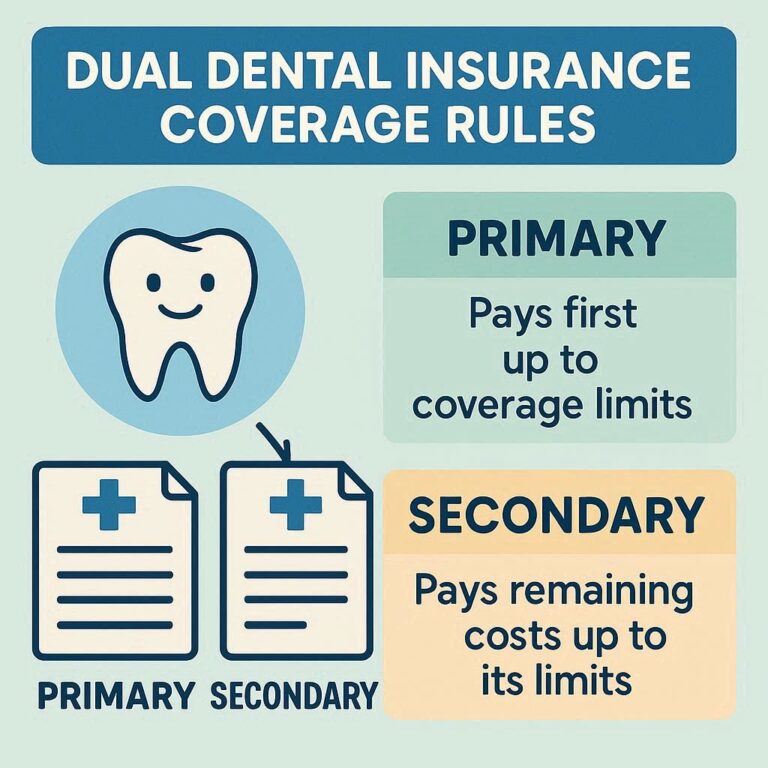
If you are married and your spouse also has dental insurance (perhaps through their employer or union), you may have dual coverage. This is called “Coordination of Benefits” (COB).
-
Primary Plan: Your DC 37 plan is usually primary for you.
-
Secondary Plan: Your spouse’s plan pays secondary.
-
Result: The secondary plan often picks up some or all of the remaining balance that the primary plan did not cover, potentially reducing your out-of-pocket costs to zero.
Dealing with Denials and Appeals
Despite your best efforts, a claim might be denied. This does not mean you have to pay the full bill. You have the right to appeal.
Common Reasons for Denial:
-
Missing Tooth Clause: The tooth was missing before coverage started.
-
Frequency Limitations: Trying to get a second cleaning within six months.
-
Waiting Period: Attempting major work within the first year.
-
Medical Necessity: The insurance company disagrees that the procedure was necessary (common with crowns where a filling might have sufficed).
How to Appeal:
-
Review the EOB: The Explanation of Benefits will have a denial code.
-
Contact the Dentist: Ask the dentist’s office to send a “narrative” or additional X-rays to support the medical necessity.
-
File a Written Appeal: Send a letter to EmblemHealth’s Appeals Department within 180 days of the denial. Include your member ID, the date of service, and supporting documentation from your dentist.
“In my 20 years of working with city employees, I’ve found that the most successful claims are those where the dentist submits a clear narrative explaining why a specific treatment was chosen. A little documentation goes a long way.” — Dr. Susan H., Manhattan Dentist (In-Network Provider)
The Role of the Welfare Fund
DC 37 members also have access to the DC 37 Welfare Fund. While this is separate from the primary dental insurance (EmblemHealth), it often provides supplemental benefits.
The Welfare Fund may offer:
-
Vision Care Vouchers
-
Hearing Aid Coverage
-
Prescription Drug Co-pay Reimbursement
-
In some cases, supplemental dental benefits for specific procedures not fully covered by the primary plan.
It is worth checking the DC 37 Welfare Fund website or visiting their office at 125 Barclay Street to see if you qualify for additional assistance, especially if you have high out-of-pocket dental costs.
Frequently Asked Questions (FAQ)
Q: How do I get a new dental ID card?
A: If you are active and enrolled, you can request a new card through EmblemHealth’s member portal or by calling the customer service number on the back of your medical card. Typically, you do not need a separate dental card if you have the GHI/EmblemHealth medical card; the same ID number is used.
Q: Does the plan cover dental implants?
A: Coverage for implants varies. The standard EmblemHealth GHI plan often covers implants as a “Major” service, but you are responsible for 50% of the cost. However, there may be an additional benefit limit specifically for implants. Contact EmblemHealth for a pre-determination before proceeding.
Q: Are my children covered until age 26?
A: Yes. Dependent children are covered until the age of 26, regardless of student or marital status, under the Affordable Care Act guidelines. Disabled dependents over 26 may remain covered if they meet specific criteria.
Q: What if I have an emergency while traveling?
A: Emergency dental care is usually covered worldwide. Keep your receipts and file a claim upon your return. For true life-threatening emergencies, go to the nearest emergency room, though ERs typically only manage pain and infection, not dental procedures.
Q: Why did I receive a bill after the insurance paid?
A: This usually happens if you visited an out-of-network dentist. The dentist charges a fee higher than the insurance’s “allowed amount.” You are responsible for the difference. To avoid this, always verify that the dentist is “in-network” and “accepts assignment.”
Q: Can I switch dentists?
A: Yes. If you are in the PPO plan, you can switch dentists at any time without notifying the insurance company. If you are in the HMO plan (HIP), you must officially change your primary care dentist through HIP to have services covered.
Final Checklist: Before Your Next Appointment
To ensure a smooth experience with your DC 37 dental coverage, run through this quick checklist before you sit in the dentist’s chair.
-
Verify Eligibility: Log into EmblemHealth to confirm your coverage is active.
-
Check the Network: Call the dentist to confirm they are an in-network participating provider for EmblemHealth GHI Dental.
-
Know Your Frequency: Check the date of your last cleaning. If it has been less than six months, you may be billed.
-
Review Your Annual Max: If you have had major work done earlier in the year, check how much of your annual maximum remains.
-
Get a Pre-Determination: For any work costing over $500, ask the dentist to submit a pre-determination to avoid surprises.
Conclusion
Your DC 37 dental coverage is a robust benefit designed to keep you and your family healthy without breaking the bank. While the structure of waiting periods, coinsurance percentages, and annual maximums may seem complex at first, understanding these components transforms confusion into control. By staying in-network, utilizing preventive care, and planning major procedures strategically, you can maximize the value of your plan. Remember, the key to success lies in verifying your coverage before treatment and knowing your rights to appeal if something goes wrong.
Additional Resource
For the most current provider listings, claim forms, and detailed plan documents, visit the official EmblemHealth GHI Dental Member Portal:
EmblemHealth Member Portal