Understanding the Dental Code 6104: Your Complete Guide to Periodontal Surgery
If you have recently visited a periodontist or received a treatment plan that left you scratching your head, you might have come across a mysterious five-digit number: 6104.
Dental codes can feel like a secret language. They look clinical, cold, and confusing. But behind every code is a story about your health. The 6104 dental code is no exception. It represents a specific, and often necessary, step in the fight against gum disease.
Whether you are a patient trying to understand your upcoming procedure, a student brushing up on your coding, or a new dental coordinator verifying an insurance claim, you are in the right place.
We are going to unpack everything about the 6104 dental code. We will look at what it means, why you might need it, how it differs from other codes, and what you can expect if this procedure is in your future.
Let’s demystify this together.
What is the 6104 Dental Code?
In the simplest terms, the 6104 dental code is used by dental professionals to bill for a specific type of gum surgery. It falls under the category of “Periodontal” services, which means it deals with the structures that support your teeth—your gums and the underlying bone.
The official description provided by the American Dental Association (ADA) for CDT Code 6104 is:
Bony graft for ridge preservation – each site.
Let’s break that down into plain English.
-
Bony graft: This means the dentist or specialist is taking bone material (either synthetic, donated, or from another part of your mouth) and placing it into your jaw.
-
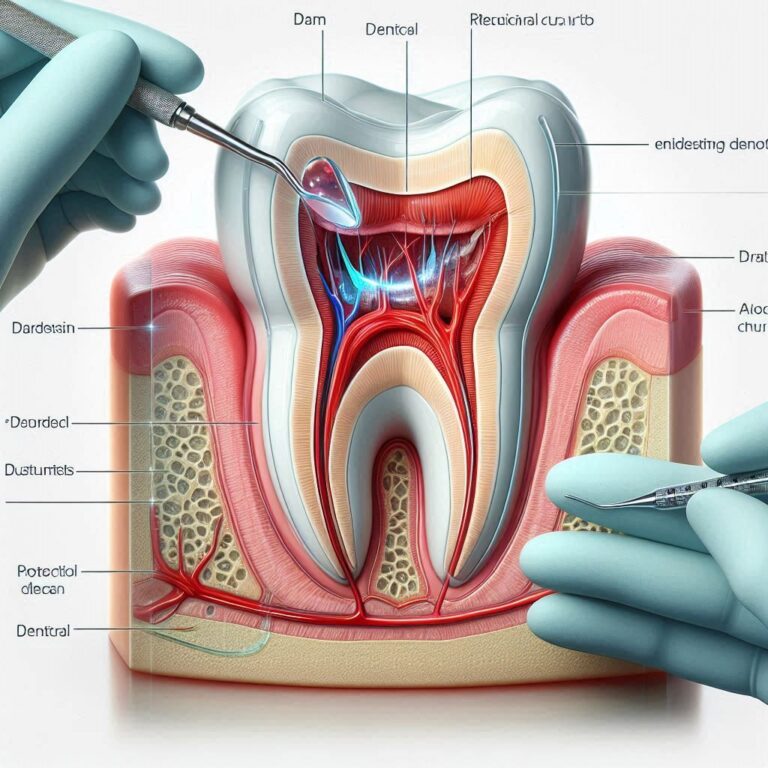
Ridge preservation: This is the “why.” After a tooth is pulled (extracted), the bone that once held it in place begins to melt away or shrink. It is a natural process. Ridge preservation is a procedure done at the time of the extraction to prevent that bone loss. Think of it as “filling in the hole” to keep the shape of your jaw intact.
-
Each site: The code is billed per tooth socket or area where the graft is placed.
So, if you have a tooth removed and your dentist places bone graft material into that empty socket to keep the bone healthy and strong for a future implant, they will likely use the 6104 dental code.
Why Is Ridge Preservation Important?
Imagine your jawbone is like the foundation of a house. If you remove a support beam (the tooth), the ground around it will eventually sink and erode. If you wait too long, the foundation becomes weak and uneven.
Ridge preservation is like pouring new concrete into that hole immediately to keep the ground level strong. By placing a bone graft right after an extraction, we are preserving the height and width of the jawbone. This is crucial if you plan to replace the missing tooth with a dental implant. Implants need a thick, tall bone to screw into. Without a graft, there might not be enough bone later, requiring a much more complex (and expensive) surgery to rebuild it.
The Story Behind the Code: When is it Used?
The 6104 dental code isn’t just a random number on a billing sheet. It represents a specific moment in a patient’s treatment journey. To understand when it is used, we need to look at the story of a tooth that is beyond saving.
Here is a typical scenario where the 6104 code comes into play:
-
The Diagnosis: A patient has a tooth that is severely decayed, broken below the gum line, or has a fracture in the root. The dentist determines it cannot be saved with a crown or a filling.
-
The Extraction: The tooth is carefully removed. Once it is out, the dentist examines the socket (the hole in the bone).
-
The Decision: The dentist knows that if they just let the socket heal naturally, the bone will shrink significantly over the next few months. They discuss future tooth replacement options with the patient.
-
The Procedure (6104): If the patient wants a dental implant in the future, the dentist will pack the socket with bone graft material. This is the “ridge preservation” procedure. They may place a small collagen membrane over the top to protect the graft and stitch the gum closed or partially closed.
-
Healing: The patient goes home to heal. Over the next few months, the graft material acts as a scaffold. The body’s own bone cells slowly grow into this scaffold, replacing the graft material with new, living bone.
The use of the 6104 code signals that the goal was not just to remove a tooth, but to prepare the site intelligently for the future.
6104 Dental Code vs. Other Bone Graft Codes
One of the biggest sources of confusion in dental coding is the difference between similar-sounding procedures. The 6104 dental code is often mixed up with 6105 or 7953. Understanding the difference is vital because insurance coverage and costs can vary significantly.
Let’s look at a comparison table to make this crystal clear.
| Code | Description | When is it used? | Key Difference |
|---|---|---|---|
| 6104 | Bony graft for ridge preservation – each site | At the time of tooth extraction. The graft is placed into the fresh socket to prevent the bone from shrinking. | It is done immediately after the tooth is pulled. The goal is to preserve what is already there. |
| 6105 | Bony graft for ridge augmentation – per site | Long after the tooth has been removed. The ridge has already shrunk, and we need to build it back up to its original dimensions. | It is done on a site that has already healed. The goal is to augment (regrow) lost bone. This is often a larger surgery. |
| 7953 | Sinus lift augmentation (bone graft) – via lateral approach | This is specific to the upper back jaw (premolar/molar area). It involves lifting the sinus membrane to create space for bone graft when there isn’t enough bone height for an implant. | It is a specialized procedure for the sinus cavity, not just a socket. |
Simple Analogy
Think of it like a pothole in a road.
-
6104 (Ridge Preservation): A worker fills the pothole immediately after it forms to prevent the road from crumbling further.
-
6105 (Ridge Augmentation): The road has been crumbling for months and is now a giant crater. You need to bring in heavy machinery and a lot of asphalt to rebuild the road up to the original level.
What to Expect: The Patient Experience
Facing any type of surgery can be nerve-wracking. Knowing what is going to happen can ease a lot of that anxiety. If your treatment plan includes the 6104 dental code, here is a realistic walkthrough of the process.
Before the Procedure
Your dentist or periodontist will have already taken an X-ray (and possibly a 3D scan) to assess the tooth and the surrounding bone.
-
Discussion: They will explain why the tooth needs to come out and why a graft is recommended. This is the time to ask questions.
-
Medical History: You will review your medical history. It is vital to tell your dentist about any medications you take (especially blood thinners or bisphosphonates) and any conditions that might affect healing, like diabetes.
-
Planning: You will discuss the cost, as bone grafting is often an additional fee on top of the extraction.
During the Procedure
The procedure itself is usually done under local anesthesia, meaning you are awake but the area is completely numb. Some patients also choose sedation (like nitrous oxide or oral sedatives) if they are anxious.
-
The Extraction: The tooth is gently removed. You might feel pressure, but you should not feel sharp pain.
-
Socket Evaluation: The dentist cleans the socket and checks the bone walls to ensure they are intact.
-
Placing the Graft: The bone graft material (which could be from a human donor, an animal source, a synthetic source, or rarely, from you) is gently packed into the socket. It feels like fine sand or granules.
-
Protecting the Graft: Often, a small collagen membrane or a special putty is placed over the top of the graft to keep the granules in place and prevent gum tissue from growing into the bone area. This is sometimes called “Guided Bone Regeneration.”
-
Closure: The dentist may place a few stitches to hold the gum in place over the site.
The entire process for a single tooth usually adds an extra 15-30 minutes to the extraction appointment.
After the Procedure: Healing and Recovery
Recovery from an extraction with a graft (6104) is slightly different from a simple extraction.
The First 24-48 Hours:
-
Bleeding: Some oozing is normal. You will be given gauze to bite on.
-
Swelling: Your face will likely swell in the area of the surgery. Applying ice packs for 20 minutes on, 20 minutes off is highly recommended for the first day.
-
Activity: Plan to rest. Avoid strenuous exercise.
-
Diet: Stick to soft foods and liquids. Do not use a straw, as the sucking motion can dislodge the blood clot and the precious graft material. This is known as a “dry socket,” and it is a complication you really want to avoid.
The First Two Weeks:
-
Pain Management: Any discomfort can usually be managed with over-the-counter pain relievers like ibuprofen or acetaminophen, though your dentist may prescribe something stronger.
-
Oral Hygiene: You will need to be gentle. Do not brush the surgical site. Your dentist may prescribe a special antibacterial mouth rinse (like chlorhexidine) to keep the area clean. You can gently brush and floss the rest of your teeth as normal.
-
Diet: Continue to avoid hard, crunchy, or chewy foods near the site.
Long-Term Healing:
-
Stitches: If you have non-dissolving stitches, you will return in 1-2 weeks to have them removed.
-
Bone Maturation: This is the quiet, internal part of healing. The graft material needs time to turn into your own bone. This process takes several months—usually 4 to 6 months—before the site is ready for a dental implant.
Important Note: It is possible for small, grain-like particles of the graft to work their way out through the gum during the first few weeks. While you should always mention this to your dentist, a few granules escaping is usually not a cause for alarm. However, if a large amount comes out, or if you feel the area collapse, contact your office immediately.
The Cost of the 6104 Dental Code
Dental costs are one of the most practical concerns for patients. The 6104 dental code represents an additional surgical step, so it comes with an additional cost on top of the extraction fee.
It is impossible to give a single price, as costs vary wildly based on your location, the dentist’s experience, and the type of material used. However, we can give you a realistic range.
Typical Price Range
For the 6104 dental code (bony graft for ridge preservation), you can generally expect the fee to fall between $400 and $1,500 per site.
Why such a big range?
-
$400 – $700: This might be the cost in a rural area or a general dental practice using a synthetic or allograft (donor) material.
-
$800 – $1,500: This is more common in a metropolitan area or with a specialist (periodontist) who may be using a specific type of membrane or a more advanced technique. If the graft is taken from the patient (autograft), the cost is higher due to the need for a second surgical site.
Does Dental Insurance Cover 6104?
This is where things get tricky. Dental insurance can be complicated.
-
Extraction Coverage: Most insurance plans cover a percentage of simple and surgical extractions (usually 50%-80% after your deductible is met).
-
Graft Coverage (6104): Coverage for the 6104 code is less predictable.
-
“Not a Covered Benefit”: Many basic insurance plans consider ridge preservation to be a precursor to an implant, which they may not cover. In this case, they will pay $0 towards the graft, and it will be an out-of-pocket expense for you.
-
Partial Coverage: Some more comprehensive plans may cover a percentage of the graft (often 50%) as part of the surgical procedure. However, they may have a low annual maximum (like $1,500), and the graft can quickly eat up a large portion of that budget.
-
Medical Insurance: In rare cases, if the tooth extraction is related to a medical condition (like radiation treatment for cancer or trauma), medical insurance might contribute. This is uncommon for routine dental disease.
-
Always ask your dental office for a “predetermination of benefits.” They will send the treatment plan (including code 6104) to your insurance company, who will send you a letter stating exactly what they will pay. This prevents surprise bills.
Why Choose This Procedure? Weighing the Pros and Cons
Choosing to have a bone graft (6104) is an investment in your future dental health. But is it right for everyone? Let’s look at the clear advantages and the few downsides.
The Pros: Why Say Yes?
-
Preserves Your Jawbone: This is the primary benefit. It maintains the natural contours of your jaw, preventing the sunken-in look that can occur after tooth loss.
-
Facilitates Dental Implants: It creates a solid foundation, making implant placement simpler, safer, and more predictable down the road.
-
Avoids Future Complex Surgery: By grafting now, you will likely avoid the need for a major ridge augmentation (6105) later, which is more invasive, takes longer to heal, and costs more.
-
Better Aesthetics: Preserving the bone also preserves the gum tissue. This leads to a much better cosmetic result, whether you get an implant, a bridge, or even just leave the space. The gum ridge remains full and natural-looking.
The Cons: Things to Consider
-
Additional Cost: It is an extra expense that may not be covered by insurance.
-
Extra Time: It adds time to the extraction appointment and extends the overall treatment timeline before an implant can be placed.
-
Surgical Site: It is an additional surgical site that needs to heal, with its own set of post-op instructions and risks (though these are generally low).
-
Not Always Necessary: If you are not planning to replace the tooth with an implant (for example, if you are getting a bridge or a partial denture), a graft may not be strictly necessary. A traditional bridge does not rely on the bone in the same way an implant does. However, a graft can still help the gum look better under a bridge.
Frequently Asked Questions (FAQ)
Here are some of the most common questions patients have about the 6104 dental code and the procedure it represents.
Q: Is the 6104 procedure painful?
A: You will be numb during the procedure, so you shouldn’t feel any sharp pain. After the anesthesia wears off, you can expect some discomfort, swelling, and tenderness, similar to a surgical extraction. This is usually well-managed with over-the-counter or prescribed pain medication. Most patients report that the discomfort is less than they feared.
Q: How long does healing take after code 6104?
A: There are two stages of healing. The soft tissue (gums) heals in about 2 to 4 weeks. However, the bone needs time to integrate with the graft material. This process takes 4 to 6 months before the site is ready for an implant.
Q: Can I eat normally after a ridge preservation graft?
A: Not right away. You will need to be on a soft food diet for at least a week. Avoid anything hard, crunchy, or sticky near the surgical site. You also must avoid using a straw for at least a week, as the suction can pull the graft out.
Q: What happens if I don’t get the graft (6104) after an extraction?
A: If you don’t get a graft, the socket will heal on its own. Over the next several months, you will naturally lose about 30-50% of the width of the bone in that area. If you decide later that you want an implant, you will likely need a more complex and expensive bone grafting procedure (like code 6105) to rebuild what was lost.
Q: Is the 6104 code always done by a specialist?
A: No. While periodontists and oral surgeons are specially trained in these procedures, many general dentists are also highly skilled in placing socket grafts. It is a very common procedure in general dental practices.
Q: My dentist used a membrane. Is that included in the 6104 code?
A: Usually, the use of a basic collagen membrane is considered part of the overall ridge preservation procedure and is included in the fee for code 6104. However, if a specific, advanced membrane is required, there may be a separate charge. It is always best to ask your dentist for a detailed breakdown of the fees.
Conclusion
Navigating dental treatment plans can feel overwhelming, but understanding the codes brings clarity. The 6104 dental code—a bony graft for ridge preservation—is a proactive, modern approach to tooth extraction. It represents a commitment to preserving your long-term oral health by maintaining the strength and shape of your jawbone.
While it requires an additional investment of time and money, it is often the smartest path for those considering dental implants. By filling the socket immediately after an extraction, you are building a strong foundation for the future and avoiding more complex surgeries down the line. If this code appears on your treatment plan, talk to your dentist openly about your goals—it is a conversation about building the healthiest possible future for your smile.
Additional Resource
For the most authoritative and up-to-date information on dental procedure codes, you can always refer to the source. The American Dental Association (ADA) publishes the Current Dental Terminology (CDT) code set.
Click here to visit the American Dental Association’s official page on CDT Codes (Please note this link leads to the official ADA website, which is the ultimate resource for coding guidelines.)