Decoding Dental Code D1320: The Complete Patient’s Guide to Tissue Conditioning
- On
- InDENTAL CODE
If you’ve recently visited the dentist and seen the mysterious code “D1320” on your treatment plan or insurance explanation of benefits, you might be scratching your head. Dental codes can look like a secret language, but they are simply standardized ways for dentists to describe specific procedures.
In this guide, we’re going to pull back the curtain on dental code D1320. We’ll explain exactly what it means, why your dentist might recommend it, what the process feels like, and why it’s actually one of the most important procedures for anyone wearing dentures or partials.
Whether you are a new denture wearer or have been using them for years, understanding this code will help you take better control of your oral health.
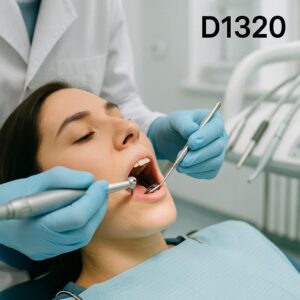
Table of Contents
ToggleWhat is Dental Code D1320? A Simple Explanation
Let’s start with the basics. In the world of dentistry, the Current Dental Terminology (CDT) code set is used to uniformly document dental procedures. Every procedure, from a routine cleaning to a complex surgery, has a specific code.
D1320 is the official code for a procedure called “Tissue Conditioning.”
Think of tissue conditioning as a “reset button” or a “soft reline” for the gums that are under stress from a denture.
In simple terms, it’s a temporary procedure where your dentist places a soft, cushion-like material on the inside surface of your existing denture. This material acts as a shock absorber, giving your oral tissues—specifically the gums and the underlying bone—a chance to rest, heal, and return to a healthier state.
It is not a permanent fix. It is a therapeutic treatment designed to prepare your mouth for a more permanent solution, like a new denture or a permanent reline (codes D5410 or D5420).
Why Would You Need Tissue Conditioning? (The “Why” Behind the Code)
You might be wondering, “Why can’t I just keep wearing my dentures as they are?” The answer lies in the dynamic nature of your mouth. Your body is constantly changing, and so are your gums and jawbone.
Here are the most common reasons a dentist will recommend the D1320 procedure:
1. The Problem of Bone Resorption
After you lose natural teeth, the jawbone that once held them in place begins to shrink and change shape. This process is called bone resorption. It’s a natural, ongoing process, but it happens most rapidly in the first year or two after tooth loss. As the bone changes, a denture that once fit perfectly can become loose, unstable, and uncomfortable.
2. Irritation and Sore Spots
A loose denture will move around in your mouth, rubbing against the gums. This friction can create painful sore spots, redness, and even open wounds. You might find yourself relying more on denture adhesives just to get through the day, which is often a sign that the fit has significantly deteriorated.
3. Poorly Fitting Existing Dentures
Sometimes, a denture simply wasn’t made correctly, or it has worn down over time. Even a small imperfection in the fit can cause pressure to be concentrated in one small area, leading to significant discomfort and tissue damage.
4. Post-Surgical Healing
If you have had recent oral surgery, such as tooth extractions or implant placement, your gums will be swollen and will change shape as they heal. Tissue conditioning can help a temporary denture or an existing denture adapt to these rapid changes, providing comfort during the healing phase.
5. Dry Mouth (Xerostomia)
Saliva acts as a natural lubricant. For patients with dry mouth—often a side effect of medications or certain medical conditions—a denture can stick to the tissues and cause more friction. The soft, moist surface created by a tissue conditioner can be a huge relief.
The Tissue Conditioning Procedure: Step-by-Step
Knowing what to expect during the appointment can ease any anxiety. The procedure for D1320 is usually quick, painless, and performed right in the dentist’s chair. It typically takes about 30 to 45 minutes.
-
Step 1: Examination and Consultation. Your dentist will first examine your mouth, noting any areas of irritation, inflammation, or sore spots. They will explain why they believe tissue conditioning is the right next step for you.
-
Step 2: Preparing the Denture. You will remove your denture and hand it to the dentist. They will clean it thoroughly and then use a special dental bur to carefully remove a thin layer of the plastic from the inside surface (the part that sits against your gums). This creates space for the new soft material.
-
Step 3: Mixing the Magic Material. The tissue conditioning material itself is a special type of pliable polymer. It usually comes in a powder and a liquid, which the dentist or dental assistant will mix together until it forms a smooth, creamy consistency.
-
Step 4: Application and Placement. The soft, uncured material is spread evenly inside the prepared denture. The denture is then placed back into your mouth. You will be asked to bite down gently or close your mouth in a natural position.
-
Step 5: The “Cushioning” Process. As the material sets, it flows and molds itself perfectly to the exact contours of your gums, including any sore or irregular areas. This is the “conditioning” part—the material is creating a custom, temporary cushion.
-
Step 6: Trimming and Finishing. Once the material has set, the dentist will carefully remove the denture from your mouth. They will then trim away any excess material that may have squeezed out around the edges. They will check the fit, ask how it feels, and make any final minor adjustments for comfort.
And that’s it. You walk out with a denture that suddenly feels much more comfortable and stable.
What to Expect After the Procedure: A Guide for Patients
The D1320 procedure isn’t just a one-and-done fix. It’s a process. Here’s what you need to know to get the most out of your tissue conditioning treatment.
The Immediate Sensation
You will almost certainly notice a difference right away. The hard plastic of your old denture is now lined with a soft, spongy layer. It should feel more comfortable and “grippy.” There should be significantly less pain in areas that were previously sore.
Caring for Your Conditioned Denture
This is crucial. The tissue conditioning material is soft and porous, unlike the hard acrylic of your denture. This means it requires special care:
-
Gentle Cleaning: Do not use a hard-bristled toothbrush or abrasive toothpaste. These can scratch and damage the soft liner. Instead, use a soft denture brush and a non-abrasive denture cleaner or mild soap.
-
Soaking is Important: Because the material is porous, it can absorb bacteria and odors if it dries out. You should soak your denture in water or a denture-soaking solution whenever you are not wearing it (usually overnight).
-
Avoid Harsh Chemicals: Never use bleach or very hot water, as this can distort the soft liner and ruin its properties.
The Timeline: It’s Temporary!
This is the most important takeaway: tissue conditioning is a temporary measure.
The soft liner is not designed to last forever. Over time (usually a few weeks to a few months), it will:
-
Harden: The material will naturally lose its soft, cushiony feel.
-
Stain and Accumulate Deposits: It can become discolored and harbor bacteria, leading to odors or even further gum irritation.
-
Lose Its Shape: As your gums continue to heal and change, the liner will no longer fit perfectly.
Your dentist will schedule a follow-up appointment to assess the progress. At that point, they will decide on the next steps, which could involve replacing the tissue conditioner with a fresh application or moving forward with a permanent solution.
D1320 vs. Other Denture Procedures: A Comparison
It’s easy to confuse tissue conditioning with other denture services. Here’s a simple breakdown of how D1320 differs from the most common ones.
| Procedure (Code) | What It Is | Purpose | Duration |
|---|---|---|---|
| Tissue Conditioning (D1320) | A temporary, soft liner applied to an existing denture. | Therapeutic: To heal irritated gums and allow tissues to recover from trauma. | Temporary (weeks to months). |
| Hard Reline (D5410 – D5420) | A permanent process where the dentist adds a new layer of hard acrylic to the inside of your denture. | Restorative: To improve the fit of a denture when the gums have changed shape permanently. | Permanent (until the next reline years later). |
| Soft Reline / Chairside Soft Liner | A type of permanent or semi-permanent soft liner placed on the denture. | Restorative/Comfort: Often used for patients with sharp bony ridges who cannot tolerate a hard surface. | Semi-permanent (can last 1-2 years). |
| Denture Adjustment (D5411?*) | The dentist uses a bur to selectively grind down a small, specific area of the denture base to relieve pressure. | Corrective: To relieve a single, specific sore spot. | Immediate relief for a localized problem. |
Note: Adjustments are often bundled into other procedures or billed under a separate code like D5411 (Adjust Denture).
How Much Does Dental Code D1320 Cost?
The cost of a D1320 procedure can vary based on your geographic location, the dentist’s experience, and the specific dental practice. However, because it is considered a therapeutic procedure rather than a major restoration, it is generally one of the more affordable denture services.
-
Average Cost: Without insurance, you can typically expect to pay between $75 and $150 per appointment.
-
The “Course” of Treatment: Remember, tissue conditioning is often done as a series. Your dentist might recommend changing the liner weekly or bi-weekly for a month to achieve the best healing results. The total cost will depend on the number of appointments needed.
Does Insurance Cover D1320?
Coverage for D1320 depends entirely on your specific dental insurance plan.
-
Medically Necessary: Because it is a therapeutic procedure aimed at healing tissue damage, many plans do consider it a necessary and covered benefit.
-
Frequency Limitations: Insurance companies are well aware that this is a temporary procedure. They will often place limits on how often they will pay for it, such as once every 3 or 5 years.
-
Check with Your Provider: The best course of action is to have your dentist’s office send a “predetermination of benefits” to your insurance company. This will tell you exactly how much they will cover before you commit to the treatment.
Important Note: Do not let cost prevent you from getting this procedure if your dentist recommends it. An unhealthy mouth can lead to bigger, more expensive problems down the road. Talk to your dentist’s office manager about payment plans or financing options if needed.
Frequently Asked Questions About D1320
To wrap things up, let’s address some of the most common questions patients have about dental code D1320.
Can I use over-the-counter reline kits instead?
Absolutely not. We cannot stress this enough. Over-the-counter reline kits are sold in pharmacies and online, but they are made of a different material and are not applied under controlled conditions. They can easily ruin the fit of your denture, create uneven pressure points, and cause severe, irreversible damage to your gums and bone. Always see a professional.
Does the D1320 procedure hurt?
No, the procedure itself is painless. You might feel some pressure as the denture is seated with the new material, but it should not be painful. In fact, the goal of the procedure is to relieve pain.
How long does a tissue conditioning appointment take?
A standard D1320 appointment usually takes about 30 to 45 minutes from start to finish. It is often scheduled as a separate visit from a regular check-up.
Can I eat with my denture after getting a tissue conditioner?
Yes, you can and should eat with it. However, the soft liner is not as strong as the hard acrylic. It’s a good idea to start with softer foods for the first day or two to let the material settle and to give your healing gums a break. Avoid very sticky or hard foods that could dislodge or damage the liner.
My tissue conditioner feels loose after a few weeks. Is that normal?
Yes, it can be. As your gums heal and the swelling goes down, the soft liner that once fit perfectly may start to feel a bit loose. This is actually a sign that the conditioning is working! It confirms that your tissue shape has changed. Call your dentist to report this; they may want you to come in to have the liner replaced or to move to the next phase of your treatment plan.
Conclusion
Navigating the world of dental codes can feel overwhelming, but understanding a specific code like D1320 empowers you to be an active participant in your healthcare. Tissue conditioning is a simple, non-invasive, and highly effective way to give your mouth a much-needed break. It’s a testament to how modern dentistry focuses not just on replacing teeth, but on preserving the health of the tissues that support them.
Remember, a healthy mouth is the foundation for a comfortable and functional smile. If your dentist recommends D1320, you can now walk into that appointment with confidence, knowing exactly what to expect and why it matters.
Additional Resources
For more official information on dental procedures and maintaining oral health, you can visit the American Dental Association (ADA) website at ADA.org. They offer a wealth of patient-friendly resources on everything from denture care to understanding your treatment plan.

dentalecostsmile
Newsletter Updates
Enter your email address below and subscribe to our newsletter