Understanding Dental Code D1352: A Complete Guide to Moderate Caries Lesion Remineralization
Navigating the world of dental insurance codes can sometimes feel like learning a new language. You look at your treatment plan, and it’s filled with alphanumeric codes that don’t seem to make much sense. If you’ve recently been told you have a cavity starting, or if your dentist mentioned something about strengthening your enamel, you might have come across the code “D1352.”
This article is designed to be your friendly, reliable guide to understanding exactly what dental code D1352 means. We’ll break down the procedure, who it’s for, why your dentist might recommend it, and what you can expect regarding cost and insurance. Our goal is to give you all the information you need to feel confident and informed about your dental health decisions.
What Exactly is Dental Code D1352?
Let’s start with the basics. In the dental world, codes are used to describe the procedures a dentist performs. This standardized language, known as CDT (Current Dental Terminology) codes, ensures clear communication between dental offices and insurance companies.
Dental code D1352 is defined as: “Moderate caries lesion remineralization therapy: medicament application.”
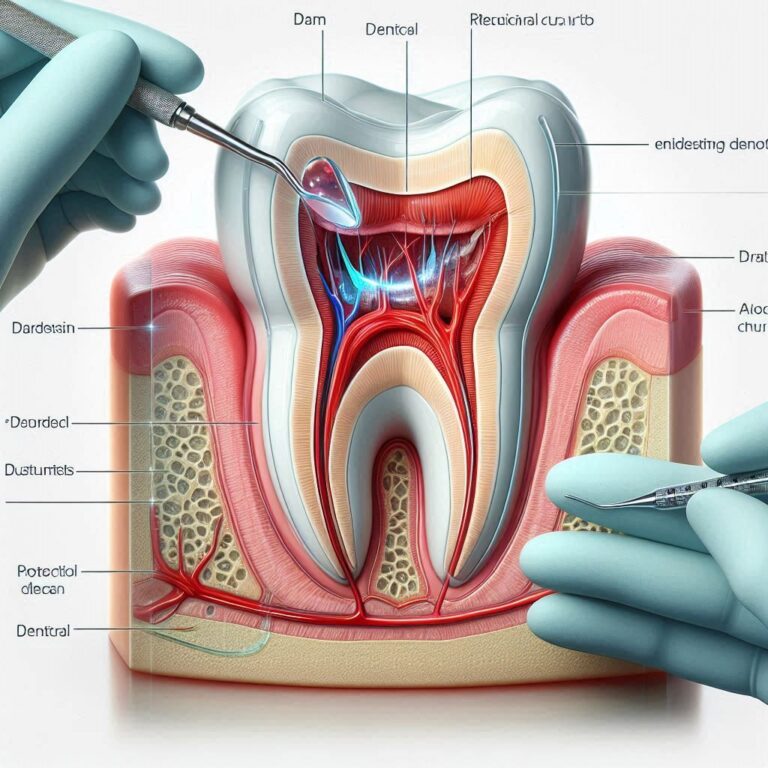
In simple, everyday language, this means it’s a preventive service. It involves applying a special medical agent to a tooth that has an early, moderate cavity (caries lesion) to stop the decay process and help the tooth heal itself. Think of it as giving your tooth a helping hand to rebuild its natural defenses before a traditional filling is needed.
Key Terminology Explained
To fully understand D1352, it helps to break down the key terms in its official description:
-
Moderate Caries Lesion: This is a cavity that is in its early to middle stages. It has progressed beyond a simple “white spot” lesion (which might be code D1351) but hasn’t yet become a large cavity that requires a traditional filling (like a composite resin, code D2330). It’s the “Goldilocks” zone of tooth decay—not too small, not too big.
-
Remineralization Therapy: This is the process of restoring minerals to the tooth structure. Our teeth are constantly going through cycles of demineralization (losing minerals from acid attacks by bacteria and food) and remineralization (gaining minerals from saliva and fluoride). This therapy tips the scales back in favor of strengthening the tooth.
-
Medicament Application: This refers to the specific agent or “medicine” applied to the tooth. This is often a high-concentration fluoride varnish, a fluoride plus calcium phosphate paste, or other mineral-rich solutions designed to penetrate the tooth and encourage rebuilding.
In short, D1352 is a proactive, minimally invasive approach to stopping tooth decay in its tracks and preserving as much of your natural tooth structure as possible.
The Philosophy Behind D1352: Why “Watch and Wait” Isn’t Always Best
For decades, the standard approach to a small cavity was often “watch and wait” or “drill and fill.” A dentist would see a suspicious spot on an X-ray or during an exam, note it in your chart, and tell you to “keep an eye on it” until it got big enough to need a filling.
While this approach wasn’t malicious, it wasn’t always the most proactive. It allowed the decay to progress until the damage was irreversible. The philosophy behind D1352 is a significant shift towards minimally invasive dentistry and medical management of dental caries.
The goal is to treat the disease (the bacterial imbalance causing the cavity) rather than just its symptom (the hole in the tooth). By intervening at the moderate lesion stage, we can:
-
Preserve Healthy Tooth Structure: Traditional fillings require drilling away some healthy tooth structure to create a stable base for the filling material. D1352 avoids this entirely.
-
Reverse the Disease Process: Instead of just removing the decay, remineralization therapy actively works to reverse it.
-
Reduce the Need for Future Restorations: Every time a tooth is drilled and filled, it becomes slightly weaker and has a finite lifespan. Delaying or avoiding that first filling can have a huge impact on the long-term health of your tooth.
This is a more holistic and biological approach to treating cavities, focusing on healing and strengthening rather than just surgical repair.
When is D1352 Recommended? (Indications for Use)
Your dentist will consider several factors before recommending D1352. It’s not for every cavity, but it’s an excellent option in specific scenarios. Here’s when you might see this code on your treatment plan.
The “Moderate” Lesion: What Does it Look Like?
A moderate lesion has specific characteristics. It is a cavity that has penetrated through the enamel and into the outer layer of the underlying dentin but has not yet formed a full-blown cavity or “cavitation” that you can feel with your tongue or a probe.
-
Visual Signs: The tooth might have a distinct white, brown, or opaque spot. On an X-ray, the decay will be visible as a radiolucency (a dark area) but will be confined to the outer third of the dentin. It looks like it’s starting to get serious, but the surface of the tooth is still mostly intact.
-
Tactile Signs: When the dentist explores the area with a small instrument, it might feel slightly rough or “tacky,” but there is no physical hole or break in the tooth surface that the instrument can stick into.
Patient Factors That Make You a Good Candidate
Beyond the state of the tooth itself, your overall oral health and habits play a big role.
-
Good Oral Hygiene: You are committed to brushing twice a day with fluoride toothpaste and flossing daily. The remineralization therapy is a powerful boost, but it works best in a clean environment.
-
Low to Moderate Caries Risk: You don’t have rampant, untreated decay throughout your mouth. You might have a few spots, but you’re not considered a high-risk patient for new cavities constantly forming.
-
Commitment to Dietary Changes: You are willing to look at your sugar intake. The bacteria that cause cavities feed on sugar. The therapy will be much more effective if you’re also cutting off the bacteria’s food supply.
-
Motivation to Preserve Natural Teeth: You are interested in minimally invasive options and want to avoid the “drill and fill” cycle for as long as possible.
Important Note for Readers: Your dentist will perform a thorough examination, which may include X-rays, a visual check with magnification, and possibly even a laser fluorescence reading (like with a Diagnodent device) to measure the extent of the lesion and determine if D1352 is the right choice for you. It’s a professional judgment call based on clinical evidence.
The Procedure: What to Expect During a D1352 Appointment
One of the best things about this procedure is how simple, painless, and quick it usually is. You won’t need any anesthetic shots! Here’s a step-by-step look at what will happen.
-
Assessment and Confirmation: The dentist or hygienist will first re-evaluate the tooth in question to confirm it’s still a moderate lesion and a good candidate for the treatment. They may take a photo for your records.
-
Cleaning the Tooth: The surface of the affected tooth is thoroughly cleaned. This is crucial to remove any plaque, biofilm, or debris. They will use a prophy brush or rubber cup with a non-fluoride paste to ensure the enamel surface is pristine and ready to receive the treatment.
-
Isolating the Tooth: The tooth is kept dry. The dental professional will use cotton rolls and a saliva ejector (the little vacuum tube) to isolate the tooth from your saliva. A completely dry surface is necessary for the medicament to bond effectively.
-
Applying the Medicament: This is the core of the procedure. The chosen remineralizing agent is carefully applied to the affected area of the tooth. Depending on the type of medicament, it might be painted on with a small brush or applied with a special syringe. Common agents include:
-
Silver Diamine Fluoride (SDF): While more commonly used for arresting active lesions, it can be part of remineralization protocols. Note that it stains decayed areas black.
-
High-Concentration Fluoride Varnish: A sticky, yellow-brown varnish that adheres to the tooth and releases fluoride, calcium, and phosphate over several hours.
-
Calcium Phosphate or CPP-ACP Paste: Pastes containing casein phosphopeptide-amorphous calcium phosphate (like MI Paste) can be applied to help rebuild tooth structure.
-
-
Setting and Absorption: The medicament is given a few moments to set or be absorbed into the tooth structure. For fluoride varnish, this is almost instantaneous upon contact with saliva.
-
Post-Procedure Instructions: The dentist or hygienist will give you specific instructions for the next few hours. These are vital for the success of the treatment.
Aftercare Instructions: Making the Treatment Work
The success of D1352 depends as much on what you do after you leave the office as on the procedure itself. Here are typical aftercare guidelines:
-
Wait to Eat or Drink: Do not eat or drink anything for at least 30 to 60 minutes after the application. This allows the medicament to fully absorb and set.
-
Avoid Hot, Sticky, and Alcoholic Beverages: For the rest of the day, avoid hot liquids (like coffee or tea), hard or sticky foods (like crusty bread or caramel), and alcoholic drinks. These can dislodge or dissolve the medicament, especially if it’s a fluoride varnish.
-
Don’t Brush or Floss the Treated Area: Avoid brushing or flossing the specific tooth that was treated for at least 4 to 6 hours, or preferably until the next morning. This gives the agent maximum time to work. You can brush and floss other teeth as usual.
-
Resume Normal Routine: By the next day, you can resume your normal brushing and flossing routine. The varnish may have worn off, but the minerals will have been absorbed into your tooth enamel.
D1352 vs. Other Common Preventive and Restorative Codes
It’s easy to get codes mixed up. To give you a clearer picture, here is how D1352 compares to other similar procedures you might see on a dental plan.
Comparison Table: D1352 vs. D1351 vs. D2330
| Feature | D1352: Moderate Lesion Remineralization | D1351: Sealant – Per Tooth | D2330: Resin-Based Composite – One Surface, Anterior |
|---|---|---|---|
| Purpose | To reverse early to moderate decay on any tooth surface. | To prevent decay by sealing the deep grooves (fissures) on the chewing surfaces of back teeth (premolars and molars). | To repair a tooth that already has a physical cavity or hole by placing a tooth-colored filling. |
| Type | Therapeutic / Preventive | Purely Preventive | Restorative |
| Tooth Condition | Active, non-cavitated lesion (no hole). | Healthy tooth with deep pits and fissures. | Cavitated lesion (a hole is present). |
| Invasiveness | Non-invasive. No drilling. | Minimally invasive. No drilling, just etching. | Invasive. Requires drilling to remove decay. |
| Anesthetic | Usually not required. | Not required. | Almost always required. |
| Material | Fluoride varnish, calcium phosphate paste, etc. | Resin-based or glass ionomer material that flows into the grooves. | Hard, sculptable resin-based composite. |
| Long-Term Goal | Strengthen enamel/dentin to avoid a filling. | Keep grooves clean to prevent decay from ever starting. | Replace lost tooth structure and restore function. |
The Scientific Backing: Why This Works
You might be wondering, “Can a tooth really ‘heal’ itself?” The answer is a qualified yes. Our teeth are not static, inert rocks; they are dynamic biological structures.
The outer layer of your tooth, the enamel, is the hardest substance in the human body. It’s composed primarily of hydroxyapatite, a crystalline structure made of calcium and phosphate. When you eat or drink something sugary or acidic, the bacteria in your mouth produce acids that can dissolve these minerals—this is demineralization.
Saliva is nature’s way of fighting back. It’s supersaturated with calcium and phosphate ions, which can flow back into the weakened enamel to repair it—this is remineralization.
D1352 supercharges this natural process. By applying a highly concentrated source of bioavailable minerals (fluoride, calcium, phosphate) directly onto the lesion, we create a massive influx of these building blocks. This can:
-
Incorporate into the Enamel: Fluoride ions can replace hydroxide ions in the hydroxyapatite crystal, forming fluorapatite, which is even stronger and more resistant to future acid attacks than the original enamel.
-
Halt Bacterial Activity: Some agents, like high-concentration fluoride, have a bacteriostatic effect, meaning they reduce the ability of cavity-causing bacteria to produce acid.
-
Promote Dentin Remineralization: If the lesion has just reached the dentin, these minerals can also help harden and protect this inner layer, though dentin remineralization is a more complex process.
By catching the cavity at the “moderate” stage, the tooth still has the structural integrity and biological potential to undergo this natural repair process successfully.
Cost and Insurance Considerations for D1352
This is often the most practical part of the conversation. How much will this cost, and will my insurance cover it?
Typical Out-of-Pocket Costs
The cost for a D1352 procedure is generally significantly less than the cost of a traditional filling. Because it requires no anesthetic, no drilling, and less chair time, the fee reflects that.
Depending on your geographic location and the specific dental practice, you can expect the cost per tooth to range from $25 to $75. This is a rough estimate, and it’s always best to ask your dental office for a specific fee breakdown before treatment.
How Dental Insurance Typically Views D1352
Coverage for D1352 is evolving and can vary widely between insurance plans. Here’s the general landscape:
-
Preventive Category: Many insurance companies categorize D1352 as a preventive procedure. This is excellent news because preventive services (like cleanings and exams) are often covered at 80% to 100%, sometimes even before you’ve met your annual deductible.
-
Basic Restorative Category: Some insurance plans may still classify it as a “basic restorative” service. In this case, coverage might be at 70% to 80% after you’ve met your deductible.
-
Not a Covered Benefit: Unfortunately, some older or more basic insurance plans may not cover D1352 at all, viewing it as a new or “experimental” technology, even though the science is well-established.
Your Best Course of Action:
When your dentist recommends D1352, here’s what you can do:
-
Ask your dentist’s office for help. The treatment coordinator can often do a “verification of benefits” for you. They will call your insurance company to ask specifically about coverage for code D1352.
-
Call your insurance company yourself. Use the customer service number on the back of your insurance card and ask, “What is my plan’s coverage for CDT code D1352, ‘moderate caries lesion remineralization’? Is it considered preventive or basic, and what is my coinsurance percentage?”
-
Consider the value. Even if you have to pay the full $40-$60 out-of-pocket, compare that to the cost of a composite filling, which can easily be $150-$300 or more. D1352 is a cost-effective investment in the long-term health of your tooth.
Maximizing Your Benefits
-
Frequency Limits: Pay attention to how often your plan covers this. Some plans may only cover it once every 12 or 24 months per tooth.
-
Combine with Your Recall Visit: Since it’s a quick procedure, it’s often done during the same appointment as your regular cleaning and check-up, which can be efficient for both you and the dental team.
Who is the Ideal Candidate for D1352? (A Deeper Dive)
We touched on this earlier, but let’s look at the ideal patient profile in more detail. This helps illustrate that the success of this treatment is a partnership between you and your dental team.
The ideal candidate for D1352 is someone who:
-
Has a “Moderate” Lesion: This is non-negotiable. The tooth must meet the clinical criteria of a non-cavitated lesion.
-
Has Good Salivary Flow: Dry mouth (xerostomia) significantly hinders the natural remineralization process. If you have dry mouth due to medication or a medical condition, your dentist might need to address that first, and D1352 might be even more critical for you.
-
Understands the “Why”: You understand that this isn’t a “magic fix.” It’s a powerful tool that works best when combined with good home care.
-
Is Committed to the Recall Schedule: Your dentist will likely want to re-evaluate the lesion in 6 to 12 months. They may take a new X-ray or use a laser fluorescence reader to see if the lesion has reversed or stabilized. Attending these follow-up appointments is key.
-
Manages Their Diet: You are mindful of how frequently you consume sugary or acidic foods and drinks. Constant snacking or sipping on sugary drinks creates a persistent acid attack that can overwhelm any remineralization therapy.
Potential Benefits and Limitations
Like any medical or dental procedure, it’s important to have a balanced view of what D1352 can and cannot do.
The Pros: Why Choose D1352?
-
Non-Invasive: No shots, no drills, no pain.
-
Preserves Natural Tooth: Avoids the irreversible loss of healthy tooth structure.
-
Cost-Effective: Significantly cheaper than a traditional filling in the short term, and priceless in the long term for tooth longevity.
-
Quick and Comfortable: The application takes only a few minutes and fits easily into a regular check-up.
-
Halts Disease Process: It treats the cause (bacterial imbalance and mineral loss), not just the symptom.
The Cons and Limitations
-
Not a One-Time Fix: It may require multiple applications over time to fully reverse the lesion.
-
Requires Patient Compliance: Its success heavily depends on your home care and diet. If your hygiene is poor, the decay will likely continue.
-
Not for Every Cavity: It is completely ineffective for cavities that have already formed a physical hole (cavitation). Those require a filling.
-
Aesthetics (in some cases): Some medicaments, like silver diamine fluoride, will stain the decayed area black. While this is a sign that the decay is arrested, it is not cosmetically appealing for front teeth.
-
Insurance Coverage Can Be Unpredictable: As mentioned, not all plans cover it yet, which can lead to an unexpected out-of-pocket expense if you don’t verify first.
Common Questions About D1352 (FAQ)
Here are some of the most frequently asked questions we hear from patients about this treatment.
Q: Is the D1352 procedure painful?
A: Not at all. Since there is no drilling or injection involved, the procedure is completely painless. You might feel the tooth being cleaned and the sensation of the liquid or paste being applied, but there is no discomfort.
Q: How long does the procedure take?
A: The actual application of the medicament takes only a minute or two per tooth. The entire appointment, including the assessment and cleaning of the tooth, is usually completed in under 15 minutes.
Q: How often can I have D1352 done on the same tooth?
A: This depends on your clinical needs and your insurance plan. Clinically, a dentist may reapply the medicament every 3, 6, or 12 months until the lesion is reversed. Insurance companies often set their own limits, commonly once per tooth in a 12-month period.
Q: Can D1352 be used on children?
A: Yes, absolutely! In fact, it is an excellent treatment for children and adolescents who are prone to early decay. It’s a great way to manage small lesions on permanent teeth without subjecting a young person to the drill.
Q: What happens if the tooth doesn’t get better after D1352?
A: This is why follow-up appointments are so important. If the lesion doesn’t show signs of reversal or if it continues to progress, your dentist will discuss alternative treatments. This would likely involve moving to a traditional restorative code, like a filling, to repair the tooth.
Q: Is there a warranty on D1352 treatment?
A: Dental procedures generally don’t come with a warranty in the same way a product does. The success of the treatment is a shared responsibility between the dentist providing the service and the patient maintaining good oral hygiene. Your dentist will monitor it closely at subsequent visits.
The Future of Cavity Treatment
Dental code D1352 is more than just a code on a piece of paper. It represents a fundamental shift in how dentistry is practiced. It’s a move away from a purely surgical model (“a hole, a drill, a fill”) toward a medical model focused on prevention, early intervention, and preserving natural tissue.
This approach aligns perfectly with overall healthcare trends that emphasize wellness and minimally invasive procedures. As research continues to support the effectiveness of remineralization therapies and as patient demand for more natural options grows, codes like D1352 will only become more common and more widely covered by insurance.
For you, the patient, understanding this code empowers you to have a more informed conversation with your dentist. It gives you a choice. When your dentist says, “I see a spot on your tooth,” you can now ask, “Is it a candidate for remineralization therapy like D1352?” It’s a small question that can lead to a much better long-term outcome for your tooth.
Additional Resource
For the most up-to-date and official information on dental procedure codes, you can always refer to the American Dental Association’s (ADA) CDT (Current Dental Terminology) code set. Your dentist uses this resource to ensure accurate coding. You can learn more about how these codes are developed on the ADA’s website by searching for “CDT Codes.”
Conclusion
Dental code D1352, or moderate caries lesion remineralization therapy, is a powerful, minimally invasive tool in modern dentistry. It offers a way to halt and reverse early tooth decay without the need for drilling, preserving your natural tooth structure while being gentle, quick, and cost-effective. By understanding what this code means and discussing it with your dentist, you can take a proactive and informed step towards better, longer-lasting oral health.