Dental Code D2931: The Definitive Guide to Porcelain Crowns for Primary Teeth
Navigating the world of dental insurance and procedural codes can often feel like learning a new language. For parents and even some dental professionals, the alphanumeric jumble of CDT codes (Current Dental Terminology) can be confusing. One code that frequently raises questions is D2931.
If you’ve recently received a treatment plan from your pediatric dentist that includes this code, you’re likely wondering what it means, why it’s necessary, and what it will cost. You’ve come to the right place.
This guide is designed to be your comprehensive resource for Dental Code D2931. We’ll break down everything you need to know in simple, clear language. We’ll cover what the code means, when it’s used, how the procedure works, and how it fits into your dental insurance landscape. Our goal is to empower you with the knowledge to make confident decisions about your child’s dental health.
Think of this article as your friendly, expert companion on the journey to understanding pediatric dental restorations. Let’s dive in.
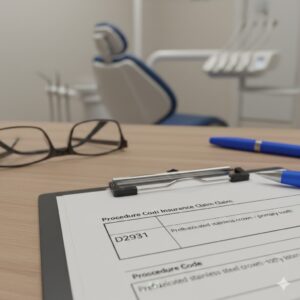
What Exactly is Dental Code D2931?
At its core, Dental Code D2931 is a specific identifier used by dentists and insurance companies to describe a particular dental procedure. It belongs to the CDT code set, which is updated annually and maintained by the American Dental Association (ADA). Using these standardized codes ensures clear communication across the dental profession.
So, what procedure does D2931 represent?
D2931 is defined as a “prefabricated stainless steel crown with resin window.”
However, in modern, patient-friendly language, it’s almost universally understood as a pedestrian-friendly term for a tooth-colored crown on a baby tooth. More specifically, it’s often referred to in clinical settings as a “pediatric ceramic crown” or a “pre-veneered primary crown.”
Let’s break down the official definition:
-
Prefabricated: Unlike a custom-made crown for an adult that is fabricated in a dental lab, this crown comes pre-made from the manufacturer in various sizes. The dentist selects the size that best fits your child’s tooth.
-
Stainless Steel Crown (SSC): The base of the crown is a durable, metal shell. Stainless steel crowns have been the “gold standard” for restoring severely decayed or damaged baby molars for decades due to their strength and reliability.
-
With Resin Window: This is the key differentiator. The stainless steel crown has a portion of the metal (the part that faces the cheek or other teeth) cut out and replaced with a tooth-colored, resin-based material. This gives the crown a natural, white appearance when your child smiles.
Important Note: You might also hear this code referred to as a “NuSmile Crown,” which is a popular brand name for this type of restoration, much like people say “Kleenex” for tissues.
D2931 vs. Other Common Pediatric Crowns: A Comparison
To truly understand D2931, it helps to see how it stacks up against other common options for restoring baby teeth. This comparison will clarify why a dentist might recommend one type of crown over another.
| Feature/Crown Type | D2931 (Stainless Steel Crown with Resin Window) | Standard Stainless Steel Crown (D2930) | Zirconia Crown (D2999, D6068-like) | Resin Crown (D2929) |
|---|---|---|---|---|
| Material | Metal core with a tooth-colored resin facing | Fully metal (silver or gold-colored) | Tooth-colored, high-strength ceramic | Tooth-colored resin/composite |
| Primary Benefit | Combines strength of metal with esthetics of white facing | Extremely durable, cost-effective, excellent seal | Best esthetics, biocompatible, durable | Good esthetics, often for front teeth |
| Primary Drawback | Resin facing can chip or wear over time | Metallic appearance, not esthetically pleasing | More technique-sensitive, higher cost | Less durable for high-stress back teeth |
| Best For | Back molars (primary molars) where esthetics are a concern | Back molars needing maximum strength (especially in high-risk kids) | Back molars where esthetics are the top priority | Front teeth (incisors/canines) |
| Cost (Relative) | Moderate | Lower | Higher | Moderate |
| Code Used | D2931 | D2930 | Typically billed as an alternate procedure (often using D2999) or specific zirconia codes | D2929 |
As you can see, D2931 sits perfectly in the middle. It offers the trusted, time-tested foundation of a stainless steel crown but adds an aesthetic upgrade that makes it a popular choice for parents who prefer a less noticeable restoration.
When is Dental Code D2931 Recommended?
Your child’s dentist isn’t likely to recommend a crown at the first sign of a tiny cavity. Crowns, in general, are reserved for teeth that need significant support. Here are the most common clinical scenarios where a dentist will consider using D2931:
1. Extensive Decay (Cavities)
When a cavity is too large for a simple filling to repair, a crown becomes necessary. This happens when the decay affects multiple surfaces of the tooth or when so much tooth structure is lost that a filling wouldn’t have enough healthy tooth to hold onto. The crown acts like a protective helmet, covering the entire tooth and preventing it from fracturing.
2. Following a Pulpotomy (Baby Root Canal)
If decay reaches the nerve (pulp) of the baby tooth, a procedure called a pulpotomy is often performed. This involves removing the infected part of the nerve, medicating the remaining healthy tissue, and then placing a crown. Because the tooth is now weaker, a crown is essential for protection. D2931 is a very common code used in conjunction with a pulpotomy.
3. Fractured or Malformed Teeth
Sometimes, a tooth may be fractured due to an accident, or it may be developmentally malformed (like in cases of enamel hypoplasia, where the enamel is thin or soft). A crown can restore the tooth’s shape, strength, and function, protecting it from further damage.
4. High Caries-Risk Patients
For children who are prone to cavities (high caries risk), a dentist might take a more proactive approach. Placing a durable crown like D2931 can provide long-term protection for a vulnerable tooth, reducing the likelihood of future (and potentially more extensive) problems.
The Procedure: What to Expect When Your Child Needs a D2931
Knowing what happens during the dental visit can ease both your anxiety and your child’s. The procedure for placing a D2931 crown is typically straightforward and completed in a single appointment.
Here’s a step-by-step walkthrough:
-
Numbing the Area: The dentist will first apply a topical gel to numb the gums, followed by a local anesthetic (like Novocaine) to ensure your child is completely comfortable and feels no pain during the procedure.
-
Tooth Preparation: The dentist will use a high-speed handpiece (drill) to gently remove any decay and shape the tooth so the crown can fit over it. A small amount of tooth structure is removed from all sides to make room for the crown.
-
Crown Selection and Try-In: The dentist will use a measuring tool to determine the correct size of the prefabricated crown. Several sizes are tried on the tooth to check for the perfect fit—not too tight, not too loose, and with the bite feeling natural.
-
Cementation: Once the perfect crown is selected, the dentist will mix a special dental cement, fill the crown with it, and seat it firmly onto the prepared tooth. Any excess cement that squeezes out is cleaned away.
-
Bite Check and Finishing: The dentist will ask your child to bite down to ensure the crown doesn’t interfere with their natural bite. If necessary, minor adjustments can be made. The crown is now securely in place!
A Note on “Resin Window” Placement: For the D2931 crown, the resin window is already factory-placed in the stainless steel base. The dentist does not build this up in your child’s mouth. This is a key difference from a standard filling or a laboratory-made crown.
A Deeper Look: The Stainless Steel + Resin Combination
Why combine metal and resin? This ingenious design leverages the best properties of both materials.
The Stainless Steel Foundation:
The metal base provides unparalleled structural integrity. It’s incredibly strong and resistant to fracturing, which is crucial for molars that endure the powerful forces of chewing and grinding. Furthermore, stainless steel crowns are known for their excellent marginal seal. They fit snugly around the tooth, acting as a barrier that prevents bacteria and future decay from getting underneath the crown. This superior seal is often better than what can be achieved with a filling.
The Resin Facing:
The resin window is the aesthetic hero of the procedure. It replaces the silver metal on the visible surface of the tooth with a material that mimics the natural color and translucency of a tooth. For parents who are concerned about the appearance of silver metal in their child’s smile, the D2931 crown offers a perfect compromise.
What About Durability?
The most common question parents have is about the resin facing. It’s important to be realistic. While the stainless steel base will last for the lifetime of the baby tooth, the resin facing is subject to wear and tear. It can potentially chip, stain, or wear down, especially if a child grinds their teeth (bruxism). However, for the typical lifespan of a baby tooth (a few years), it holds up remarkably well for most children. The dentist will monitor the crown at regular check-ups.
Navigating Insurance and Costs for D2931
Let’s talk about money. Dental treatment can be a significant expense, so understanding the financial aspect of D2931 is essential.
What Influences the Cost?
The out-of-pocket cost for a D2931 crown can vary widely based on several factors:
-
Geographic Location: Dental fees are generally higher in major metropolitan areas compared to rural locations.
-
The Dentist’s Practice: A specialist (pediatric dentist) may charge more than a general dentist.
-
The Specific Crown System: Premium branded crowns (like NuSmile) may have a slightly higher associated fee.
On average, you can expect the total fee for a D2931 crown to range from $300 to $600 or more per tooth. This fee covers the procedure, materials, and expertise of the dentist and their team.
Dental Insurance Coverage
This is where it gets a little tricky. Here’s how most dental insurance plans handle D2931:
-
Plan Classification: Most insurance plans have a provision for “pediatric crowns.” D2931 is almost always classified as a basic restorative procedure (similar to a filling) or a major restorative procedure.
-
Coverage Percentage: If it’s a basic service, the plan might cover 70-80% after you meet your deductible. If it’s a major service, coverage might drop to 50%.
-
The “Alternate Benefit” Clause: This is the most important concept to understand. Many insurance plans have a clause that states they will only pay the equivalent of the “least expensive professionally acceptable treatment.” In the case of a back tooth, the least expensive option is often the standard stainless steel crown (D2930). Therefore, an insurance company may only provide benefits based on the cost of a D2930, not the D2931 you chose.
-
Example: If a D2931 crown costs $500 and a D2930 crown costs $350, and your plan covers 80% of the cost of a stainless steel crown, they will pay 80% of $350 = $280. You would then be responsible for the remaining $220 of the D2931 fee ($500 – $280 = $220), plus any deductible or co-insurance.
-
Always check with your insurance provider beforehand to understand your specific benefits. Ask them directly: “How do you process code D2931? Do you apply an alternate benefit provision?”
The Big Picture: Are D2931 Crowns Worth It?
This is the ultimate question for any parent. Considering the higher cost compared to a full metal crown, is the aesthetic upgrade worth it?
Arguments in Favor of D2931:
-
Aesthetics: The primary benefit is a natural-looking smile. For many children (and parents), this is a significant psychological boost.
-
Proven Strength: You aren’t sacrificing the strength of the tried-and-true stainless steel foundation.
-
Excellent Seal: The marginal integrity of these crowns is outstanding, offering superior protection against future decay.
-
Single Appointment: It’s a quick, efficient procedure completed in one visit.
Arguments to Consider:
-
Cost: It is more expensive than a full metal crown (D2930).
-
Potential for Wear: The resin facing is not indestructible and may show signs of wear over time.
-
Insurance Gaps: As explained, your insurance may not cover the full premium cost.
Ultimately, the decision is a personal one. For a child who is self-conscious or for a tooth that is highly visible, the D2931 can be an excellent investment in their confidence and the long-term health of the tooth. Your dentist can provide personalized advice based on your child’s specific clinical situation and your family’s priorities.
Conclusion
Dental Code D2931 represents a modern, thoughtful solution in pediatric dentistry. It bridges the gap between the proven, durable functionality of a stainless steel crown and the natural aesthetic that parents and children desire. By understanding that this code refers to a tooth-colored crown on a primary molar, you are better equipped to discuss treatment options with your dentist, ask informed questions about your insurance coverage, and make a confident decision for your child’s oral health. While the initial cost may be higher than a full metal option, the combination of strength and appearance makes D2931 a popular and reliable choice for restoring and protecting young smiles.
Frequently Asked Questions (FAQ)
Q1: Is Dental Code D2931 for baby teeth or permanent teeth?
A: D2931 is specifically designed for primary (baby) teeth, particularly the molars in the back of the mouth. Its prefabricated nature is tailored to the size and anatomy of these teeth.
Q2: My dentist recommended D2931. Does my child really need a crown, or can they get a filling?
A: A dentist recommends a crown when a filling isn’t sufficient. This is usually due to the size of the decay, the tooth’s condition after a pulpotomy, or the need to protect a weak tooth from breaking. The crown covers and protects the entire tooth, ensuring its longevity until it naturally falls out.
Q3: Will the white part (resin) on the D2931 crown stain?
A: The resin material is stain-resistant but not stain-proof. Over time, and especially with poor oral hygiene or consumption of staining foods/drinks, it can become slightly discolored. Regular brushing and dental check-ups help maintain its appearance.
Q4: How long should a D2931 crown last?
A: The goal is for the crown to last until the baby tooth is ready to fall out naturally, which could be several years. The durable metal base ensures this, even if the resin facing shows some minor wear.
Q5: What happens when the baby tooth with a D2931 crown is ready to come out?
A: It will fall out just like a natural tooth! The crown is designed to exfoliate (fall out) with the tooth. The roots of the baby tooth will resorb (dissolve) as the permanent tooth underneath pushes up, and the crown will become loose and come out, typically still attached to the tiny bit of remaining tooth structure.
Additional Resource
For the most up-to-date information on all dental codes, you can visit the American Dental Association’s official page for CDT codes:
ADA CDT Code Information