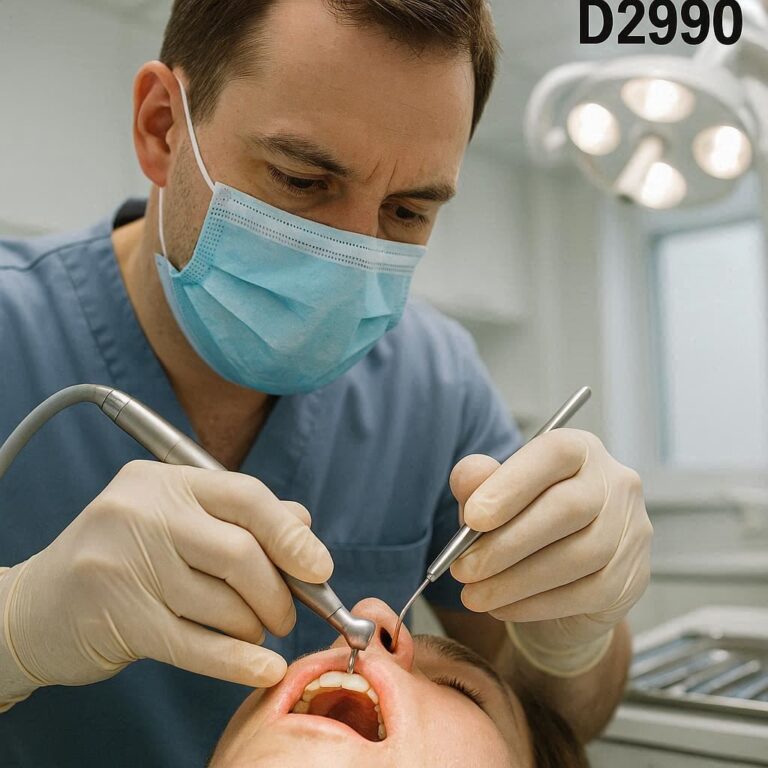
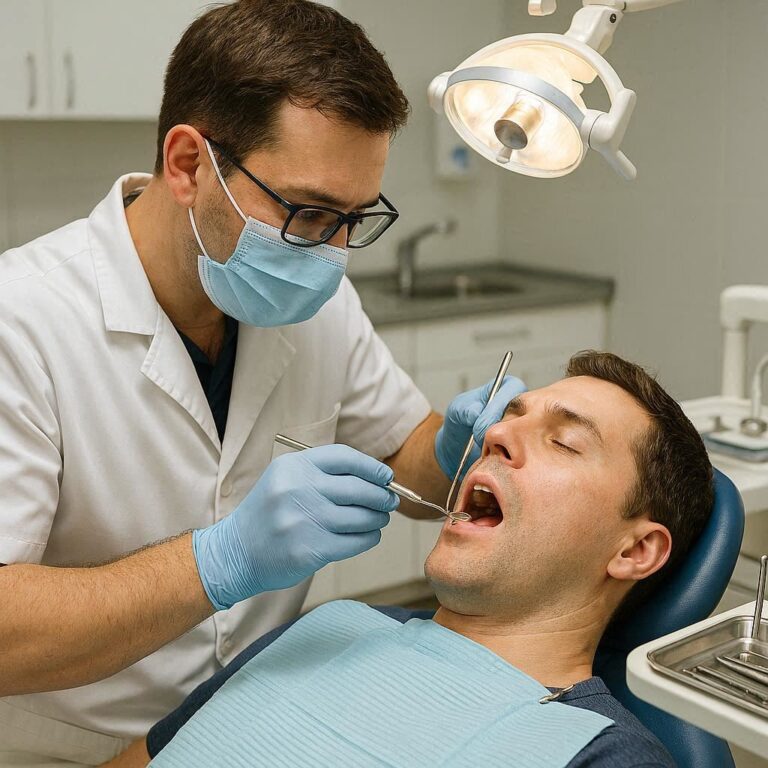
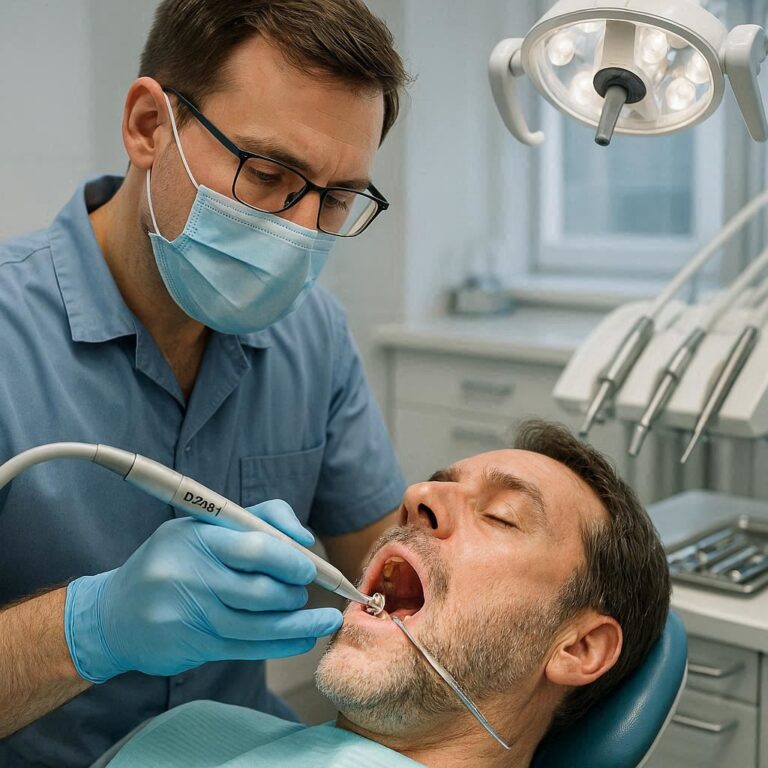
Dental Code D2955: Post Removal Explained Simply
If you have ever been told by your dentist that you need a root canal retreatment or a new crown on a tooth that already has a post, you might have heard a confusing jumble of numbers and codes. One of those codes might have been Dental Code D2955.
You are not alone if you find dental insurance codes confusing. They often look like a secret language that only dental offices and insurance companies speak. But understanding them is key to knowing what your treatment involves and, most importantly, what you might have to pay for.
This guide is designed to pull back the curtain on one specific, yet important, procedure: D2955 – post removal.
Whether you are a patient trying to understand a treatment plan, a student entering the dental field, or just someone curious about how teeth are restored, you are in the right place.
We will break down everything about D2955 in plain, simple English. We’ll look at what a post is, why it might need to come out, how the dentist actually removes it, and how much it might cost.
Let’s get started.
What is Dental Code D2955? An Overview
At its core, Dental Code D2555 (Correction: The article focuses on D2955) is the specific alphanumeric identifier used by dental professionals and insurance companies to describe a very particular service: the removal of a post.
According to the Current Dental Terminology (CDT), which is the standard set of codes used in the United States, D2955 is officially defined as:
“Post removal (not in conjunction with endodontic therapy)”
Let’s break that down into digestible parts.
-
Post: In dentistry, a “post” is a small, rigid rod—usually made of metal (like stainless steel or titanium) or fiber-reinforced material—that is placed into the root canal of a tooth. Its job is to help hold a core (the foundation) and a crown in place on a tooth that has had a root canal. Think of it as a rebar inside a concrete pillar; it provides structural support.
-
Removal: This is simply the act of taking that post out.
-
Not in conjunction with endodontic therapy: This is the crucial part of the code. “Endodontic therapy” is the fancy term for a root canal. This part of the code specifically states that D2955 is used when the post is being removed for a reason other than performing the root canal itself.
Why the “Not in Conjunction” Matters
This distinction is important because there is another scenario where a post might be removed: during a root canal retreatment. If a tooth has a failing root canal and a post is blocking access to the root canal, the dentist must remove the post to get to the infection. In that specific case, the post removal is considered part of the retreatment procedure (often coded under D3346, D3347, or D3348) and is not billed separately as D2955.
D2955 stands alone. It is used when the primary purpose of the visit is to get that post out, often to repair or replace the restoration on top of the tooth (like a crown) without needing to re-treat the root tip itself.
The Anatomy of a Tooth with a Post: Why Do We Need Them?
To truly understand why a post might need to be removed, it helps to understand why it was put there in the first place. This context is the foundation for the entire D2955 discussion.
What is a Dental Post?
Imagine a tooth that has undergone a root canal. The dentist has cleaned out the infected pulp (the nerve and blood vessels) from the center of the tooth. This leaves the tooth hollow but structurally weakened, especially if a large portion of the natural tooth crown is missing.
A dental post is placed into this hollow space (the root canal) to provide retention for a core buildup. The core is a filling material that replaces the missing tooth structure. The post anchors this core, and together, they create a strong foundation to support a dental crown.
It’s a chain of restoration:
-
Root Canal: Cleans and seals the tooth from the inside.
-
Post: Placed in the canal to act as an anchor.
-
Core Buildup: Built around the post to replace lost tooth structure.
-
Crown: The final cap that covers and protects everything.
Types of Dental Posts
Not all posts are created equal. The type of post used can influence how difficult it is to remove. Here are the two main categories:
1. Custom Cast Posts and Cores:
-
Material: Made of gold alloy or other metal.
-
Fabrication: These are custom-made. An impression is taken of the post space, and a dental lab casts a single piece that combines the post and the core. It is incredibly strong.
-
Removal: These are generally the most difficult to remove because they are a single, rigid unit. They require significant drilling and ultrasonic vibration to break the cement seal.
2. Prefabricated Posts:
-
Material: Can be stainless steel, titanium, or fiber-reinforced resin (often called “fiber posts”).
-
Fabrication: These are ready-made posts that come in different sizes. The dentist cements them into the canal and then builds the core on top with a separate filling material.
-
Removal:
-
Metal Prefabs: Can be difficult to remove but sometimes easier than cast posts.
-
Fiber Posts: Generally the easiest to remove. They can often be drilled out more quickly because the material is less dense than metal.
-
The Purpose of a Post: A Quick Summary
-
Retention: It holds the core and crown onto the tooth.
-
Stabilization: It helps protect the tooth from fracture by distributing chewing forces.
-
Foundation: It provides a solid base to build upon when not much natural tooth is left above the gum line.
Why Would a Post Need to Be Removed? (Indications for D2955)
Posts are designed to be permanent, but sometimes things go wrong. The need for post removal usually arises from problems with the crown, the core, or the tooth itself. The code D2955 comes into play when the tooth’s root is still healthy and doesn’t need a new root canal, but the post has become a problem.
Here are the most common reasons a dentist would recommend a D2955 procedure:
1. A Failed or Fractured Crown
The most common reason for post removal is that the crown on top of the tooth has failed.
-
The crown fell off. Sometimes, the cement holding the crown on just wears out. If the post and core are still intact, the dentist might just re-cement the crown. But if the core is broken or the post is loose with the crown, the post may need to be removed to start over with a new post, core, and crown.
-
The crown is fractured or worn out. Crowns don’t last forever. If a crown needs to be replaced, the underlying post and core must be evaluated. If the dentist determines the old post and core are no longer viable or are in the way of making a new, better-fitting crown, they will remove them using D2955 before placing a new one.
2. Decay Under the Crown
This is a serious issue. Even though a crown covers a tooth, the tooth structure underneath can still decay, especially at the margins where the crown meets the tooth.
-
If decay has invaded the area around the post and core, the dentist must remove the crown, the core, and the post to access and clean out all the decay.
-
Once the decay is gone and the tooth is re-evaluated, a new post (if enough tooth structure remains) and a new crown can be placed. The removal of the old post is billed under D2955.
3. Periradicular Inflammation (Without a Failed Root Canal)
Sometimes, the tissues around the root tip (the periradicular area) can become inflamed. This could be due to a microscopic leak, a crack, or even a reaction to the post material itself.
-
If a root canal is found to be well-sealed and healthy, but there is inflammation, the dentist might suspect the post is the culprit. For example, a metal post can sometimes cause a reaction in some patients.
-
The dentist may decide to remove the post, treat the inflammation, and possibly place a new, biocompatible post (like a fiber post) to resolve the issue.
4. A Loose or Fractured Post
The post itself can fail.
-
Loose Post: If the cement seal breaks down, the post can become loose. This compromises the entire restoration.
-
Fractured Post: In rare cases, especially with metal fatigue or excessive force, a post can actually break. A broken post needs to be removed to assess the tooth and place a new one.
5. To Change the Treatment Plan
A dentist might simply have a better idea the second time around. Materials and techniques improve. A dentist may want to replace an old, metal cast post and core with a modern, tooth-colored fiber post that is more flexible and less likely to cause root fractures. This is a proactive, elective removal of a post to improve the long-term health of the tooth.
The D2955 Procedure: A Step-by-Step Walkthrough
If your dentist tells you that you need a post removal, knowing what happens in the chair can help ease your anxiety. Let’s walk through the typical process for a D2955 procedure.
Important Note: This is a complex and delicate procedure. It requires a skilled dentist, often a general dentist with advanced training or an endodontist (root canal specialist).
Step 1: Diagnosis and Treatment Planning (Before the Procedure)
This happens at a previous appointment. Your dentist will:
-
Take X-rays (often a periapical, or “PA,” x-ray that shows the whole tooth).
-
Examine the crown and tooth clinically.
-
Discuss the symptoms (if any) and the reason for the failure.
-
Present a treatment plan that includes D2955 (post removal) and the planned restoration afterwards (like a new core and crown).
Step 2: Anesthesia and Isolation
-
Numbing Up: Even though a tooth with a root canal has no nerve, the gums and ligaments around it are very sensitive. The dentist will administer local anesthesia to ensure you are completely comfortable.
-
Rubber Dam: A thin sheet of latex or non-latex material called a rubber dam is placed over the tooth. This isolates it from the rest of your mouth. It keeps the area clean and dry, and most importantly, it prevents you from accidentally swallowing or inhaling any small debris or instruments.
Step 3: Gaining Access
If a crown is present, the first step is to remove it. The dentist will drill through the crown to access the core material and the post underneath.
Step 4: Removing the Core Material
The dentist will use a high-speed dental drill to carefully remove the core buildup material (filling) that surrounds the top of the post. This exposes the head of the post, giving the dentist something to work with.
Step 5: The Post Removal Itself – The Heart of D2955
This is the most delicate part. The goal is to loosen the post without damaging the tooth root. Dentists use several techniques, often in combination:
-
Ultrasonic Vibration: This is the most common and effective method. A special ultrasonic tip is placed on or around the post. It vibrates at a very high frequency. These vibrations travel down the post and help to break the cement bond holding it inside the root canal. It can take several minutes of sustained vibration to loosen the cement. The water spray from the ultrasonic keeps the tooth from overheating.
-
Troughing: The dentist may use a very small, thin drill called a “troughing bur” to carefully remove a minute amount of tooth structure or cement immediately around the post. This further breaks the seal.
-
Extraction with Forceps: Once the post is sufficiently loosened, the dentist uses a small pair of pliers-like instruments called “post forceps” to gently grip the head of the post and wiggle it out. Ideally, it slides out with minimal force.
-
Drilling it Out: If the post is extremely stubborn or fractured below the surface, the dentist may have no choice but to carefully drill it out. This involves using specialized drills to go through the center of the post, essentially “drilling the post out of itself,” leaving a hollow shell that can then be collapsed inward. This is high-risk and requires immense skill to avoid perforating the root.
Step 6: Evaluation and Preparation for Next Steps
With the post successfully removed, the dentist will:
-
Examine the canal to ensure all post fragments and old cement are gone.
-
Take another x-ray to confirm the canal is clean and there is no damage to the root.
-
Place a temporary filling or a temporary crown to protect the tooth while you wait for the next phase of treatment (placing a new post and crown).
D2955 vs. Other Related Dental Codes: Avoiding Confusion
One of the most confusing aspects of dental coding is how similar procedures are categorized. Let’s put D2955 in context by comparing it to its “cousins.”
D2955 vs. Root Canal Retreatment (D3346, D3347, D3348)
This is the most important distinction.
| Feature | D2955 (Post Removal) | D3346-8 (Root Canal Retreatment) |
|---|---|---|
| Primary Goal | To remove a post from the root canal. | To re-enter and clean out the root canal system itself to resolve infection. |
| The “Why” | The post is in the way of fixing the crown, is loose, fractured, or causing issues unrelated to the root canal’s health. | The initial root canal has failed (e.g., new infection, pain). |
| Action | Post is removed. The root filling (gutta-percha) is generally left undisturbed. | Post is removed only as a necessary step to access and re-treat the root filling. The old root filling material is removed, the canals are re-cleaned, and new filling is placed. |
| Billing | Billed separately as D2955. | The entire procedure, including any necessary post removal, is covered under the retreatment code. Post removal is not billed separately. |
Simple Rule of Thumb: If the dentist has to remove the post to save the root of the tooth (because the root is infected), it’s retreatment. If the dentist removes the post to save the crown of the tooth (because the crown is broken), it’s D2955.
D2955 vs. Core Buildup (D2950) and Post and Core (D2952)
These codes are often found together on a treatment plan, but they represent different stages of the work.
| Code | Name | What it is |
|---|---|---|
| D2955 | Post Removal | The act of taking an old post out. |
| D2950 | Core Buildup | The act of building up the missing tooth structure with filling material. This can be done with or without a post. |
| D2952 | Post and Core (Cast) | The fabrication of a custom cast post and core by a dental lab. This code includes the post, the core, and the cementation. |
| D2954 | Prefabricated Post and Core | The placement of a pre-made post and the building of the core on top of it in the same appointment. |
A Typical Sequence:
-
D2955: Remove the old, failed post.
-
D2954: Place a new prefabricated post and build the core.
-
D2750: Place a new crown (PFM – Porcelain Fused to Metal) over the new core.
Cost and Insurance Considerations for D2955
Let’s talk money. Dental procedures can be expensive, and understanding the costs and insurance coverage for D2955 is crucial for planning.
What is the Typical Cost of D2955?
The cost of a post removal procedure can vary widely based on several factors:
-
Geographic Location: Dental fees are higher in major metropolitan areas than in rural towns.
-
The Dentist’s Expertise: An endodontist (specialist) will typically charge more than a general dentist for this procedure.
-
Complexity of the Case: Removing a simple, loose fiber post will cost less than spending an hour trying to carefully extract a long, cemented cast metal post.
As a rough estimate, you can expect the fee for D2955 to range from $150 to $400 or more. This fee is for the post removal alone. It does not include:
-
The exam and x-rays to diagnose the problem.
-
The new core buildup (D2950 or D2954).
-
The new crown (D2740, D2750, etc.).
How Does Dental Insurance Handle D2955?
Dental insurance is designed to help with prevention and basic repair, but it has its limitations.
-
Classification: D2955 is generally classified as a major restorative procedure by most insurance plans. This means it has a lower coverage percentage than preventative or basic services.
-
Coverage Percentage: A typical insurance plan might cover 50% of the cost of major procedures after you have met your annual deductible. For example, if the procedure costs $300 and your deductible is $50, the plan might pay 50% of the remaining $250 ($125), leaving you responsible for $175.
-
Frequency Limitations: Most plans will only pay for one post removal on the same tooth within a certain time frame, often 3 to 5 years.
-
The “Not in Conjunction” Rule for Insurance: Just like the code definition, insurance companies will strictly enforce this. If your dentist submits a claim for D2955 at the same time as a root canal retreatment claim, they will likely deny the D2955, saying it is included in the retreatment procedure.
-
Annual Maximums: This is the biggest hurdle. Most plans have an annual maximum benefit (often $1,000 to $2,000). A crown, core, and post removal can easily eat up a huge chunk of that maximum, and you would be responsible for any costs beyond it.
Questions to Ask Your Dentist’s Office Manager
-
“Can you give me a predetermination of benefits to send to my insurance? This will tell me exactly what they will pay before we start.”
-
“What is the total fee for the D2955 procedure?”
-
“What is the estimated fee for the entire treatment plan, including the new crown?”
-
“What are my payment options for the portion insurance doesn’t cover?”
Risks and Complications of Post Removal (D2955)
It’s important to be honest: removing a post is not without risk. It is a technically challenging procedure. A skilled dentist minimizes these risks, but patients should be aware of them.
Potential Risks:
-
Tooth Fracture: This is the biggest fear. Applying too much force or vibration to a tooth that is already weakened by a root canal can cause the root to crack or split vertically. A split root is almost always a death sentence for the tooth, leading to extraction.
-
Root Perforation: While drilling or troughing around the post, it’s possible to accidentally drill through the side of the root. This creates a hole (perforation) that can lead to infection and bone loss. Depending on its size and location, it can sometimes be repaired, but it greatly reduces the tooth’s long-term prognosis.
-
Instrument Fracture: Small ultrasonic tips or burs can break inside the root canal. Retrieving a broken instrument adds another layer of complexity to the procedure.
-
Weakening of Tooth Structure: The process of removing a post inevitably removes a tiny amount of surrounding tooth structure or cement. Over multiple post removals (which can happen), the root walls can become dangerously thin and prone to fracture.
-
Inability to Remove the Post: In some cases, despite the dentist’s best efforts, a post may be impossible to remove without causing catastrophic damage. In this scenario, the dentist may have to abandon the attempt, and the only option left may be to extract the tooth.
How Dentists Mitigate These Risks
-
Using an Operating Microscope: Most endodontists and many general dentists now use high-powered microscopes for post removal. This provides incredible magnification and illumination, allowing them to see exactly what they are doing and avoid damaging the root.
-
Ultrasonics: The precise, controlled vibration of ultrasonics is far safer than hammering or excessive drilling.
-
Experience and Judgment: A skilled clinician knows when to persevere and when to stop. Sometimes, the safest option for the patient’s overall health is to recommend extraction if the risks of removal are too high.
The Future of the Tooth: What Happens After D2955?
So, the post is out. Now what? The D2955 procedure is rarely the final step. It’s the necessary “demolition” work to allow for a proper rebuild.
Treatment Pathways After Post Removal
The path forward depends entirely on the condition of the tooth after the post is out.
Pathway A: The Tooth is Healthy and Strong
-
Scenario: The post was removed because a crown fell off. The root and the remaining tooth structure are in great shape.
-
Next Steps:
-
The dentist will place a new post and core (D2954 or D2952).
-
The tooth will be prepared for a new crown.
-
An impression is sent to a lab to fabricate the final crown.
-
A temporary crown is placed to protect the tooth.
-
At a follow-up visit, the permanent crown is cemented.
-
Pathway B: The Tooth Needs Minor Repair
-
Scenario: After removing the post, the dentist finds a small amount of decay or a small defect in the tooth structure.
-
Next Steps:
-
The decay is cleaned out.
-
The defect is often repaired with a special filling material (like bonded composite resin) to build the tooth back up.
-
The tooth is then treated as in Pathway A: a new post (if needed for support) and a new crown.
-
Pathway C: The Tooth is Compromised
-
Scenario: During removal, a small, non-threatening crack is detected, or the root walls are thinner than ideal.
-
Next Steps:
-
The dentist and patient will have a serious discussion about the long-term prognosis. The tooth may be saveable, but its lifespan might be shorter.
-
A crown is still the best option to “hoop” the tooth and hold it together, trying to prevent the crack from propagating.
-
The patient must be committed to excellent oral hygiene and avoiding hard or chewy foods on that tooth.
-
Pathway D: The Tooth is Non-Restorable
-
Scenario: The worst-case scenario. A vertical root fracture is discovered, or a large perforation cannot be repaired.
-
Next Steps:
-
The only realistic option is extraction of the tooth.
-
The dentist will discuss replacement options, such as a dental implant, a bridge, or a partial denture.
-
Frequently Asked Questions About D2955
To wrap up, let’s address some of the most common questions patients have about this procedure.
Is post removal painful?
You should not feel pain during the procedure. Your dentist will use local anesthesia to numb the area completely. You may feel some pressure or vibration, but it shouldn’t be sharp or painful. After the anesthesia wears off, you might have some mild soreness in the gums for a day or two, which can be managed with over-the-counter pain relievers like ibuprofen.
How long does a D2955 procedure take?
The time can vary significantly. A simple fiber post removal might take 15-30 minutes. A complex case involving a long, cemented metal post in a curved root can take over an hour. Your dentist will give you a better estimate based on your specific x-rays.
Can any dentist remove a post?
Many general dentists are skilled at post removal. However, for complex cases (like a fractured post or a tooth with a difficult anatomy), they will often refer you to an endodontist. Endodontists are specialists in root canals and have advanced training, specialized equipment (like microscopes), and extensive experience in removing posts and retreating teeth.
Will my dental insurance cover D2955?
Most likely, yes, it is a covered benefit under major restorative services. However, the percentage they pay will depend on your specific plan. It is always best to check with your insurance provider or have your dental office submit a pre-determination of benefits to find out your exact out-of-pocket cost before the procedure begins.
What happens if the post breaks during removal?
If a post breaks, the dentist will try to retrieve the fragment. They might use ultrasonic vibration, specialized tiny forceps, or even a small device that attaches to the fragment to pull it out. If they cannot safely retrieve it and it is not causing a problem, they might leave a small, well-sealed fragment at the bottom of the canal and build the tooth over it. This is a decision based on clinical judgment and risk assessment.
Can a post be removed and reused?
No. The process of removing a post, whether by ultrasonic vibration or drilling, damages its integrity. A new, sterile post must always be used for the new restoration.
Conclusion
Navigating the world of dental codes can feel overwhelming, but understanding a specific one like D2955 (post removal) empowers you to be an active participant in your dental care. It is a precise procedure with a specific goal: to safely remove an old post from a tooth to pave the way for a new, healthy restoration. It is distinct from a root canal retreatment and carries its own set of considerations, from cost and insurance coverage to potential risks.
If your dentist recommends this procedure, don’t hesitate to ask questions. A good dental team will be happy to explain why it’s needed, what the process involves, and what you can expect for your tooth’s future.
Additional Resource
For the most up-to-date information on dental codes and official definitions, the American Dental Association (ADA) is the authoritative source. You can explore their resources on the Current Dental Terminology (CDT) here:
American Dental Association – CDT Coding