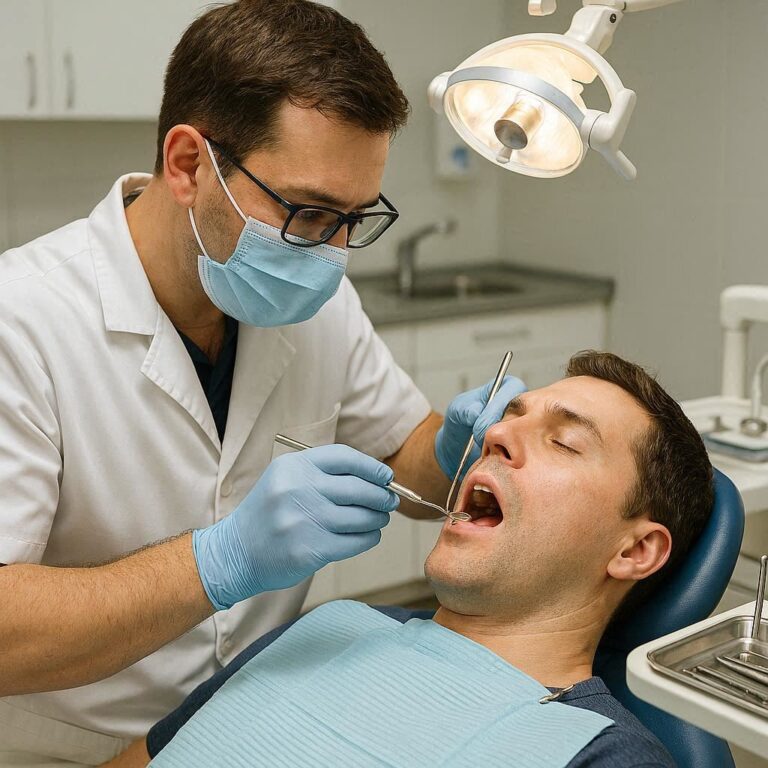
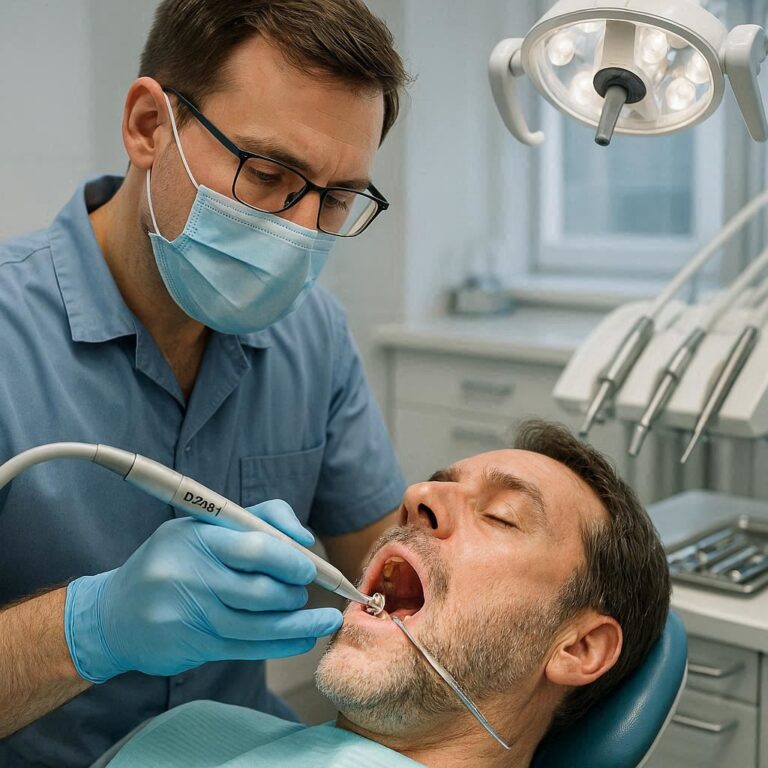
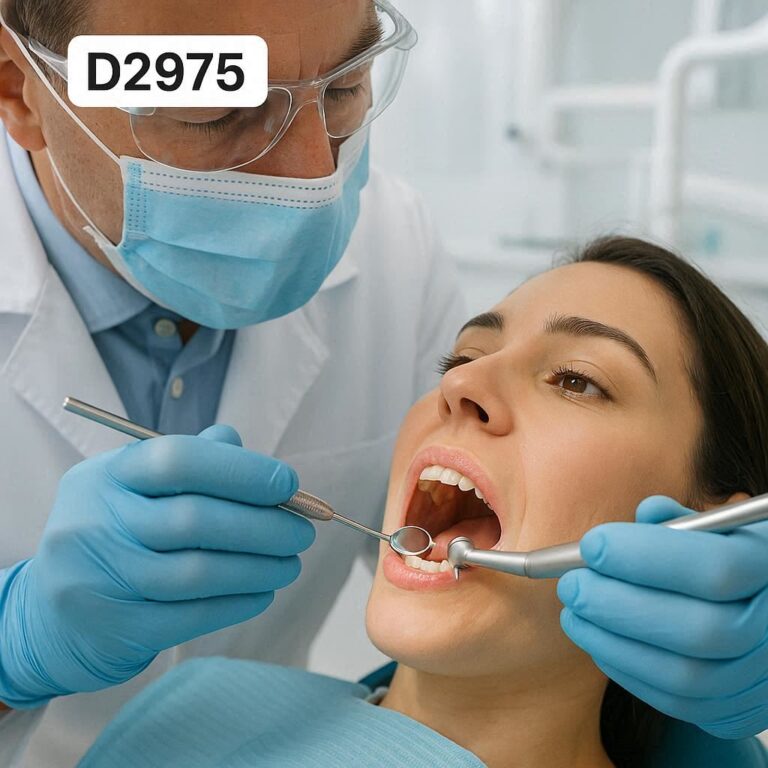
Dental Code D2990: The Complete Patient’s Guide to Resin-Based Composite Crowns
Navigating the world of dental insurance can sometimes feel like learning a new language. Between the clinical terms and the numerical codes, it is easy to feel overwhelmed when you are sitting in the dentist’s chair and the treatment coordinator starts explaining your upcoming procedure. If you have been told you need a crown, you might have heard a specific number thrown around: D2990.
Understanding this code is crucial because it directly impacts your treatment plan, your out-of-pocket costs, and the longevity of your smile.
In this comprehensive guide, we will break down everything you need to know about Dental Code D2990. We’ll cover what it is, how it differs from other crowns, what the procedure looks like, and how to navigate your insurance benefits. Consider this your go-to resource for making informed decisions about your dental health.
What is Dental Code D2990?
In the dental world, standardization is key for communication between dentists and insurance companies. The Current Dental Terminology (CDT) code set, maintained by the American Dental Association (ADA), is the universal language used for this purpose. Every procedure, from a simple cleaning to a complex oral surgery, has a specific code.
Dental Code D2990 officially refers to a Resin-Based Composite Crown – Posterior.
Let’s break that down into simpler terms:
-
Resin-Based Composite: This is the material. It is a tooth-colored, plastic-like material mixed with glass or quartz filler. It is the same material often used for white fillings (bondings).
-
Crown: This is the restoration. A crown is a “cap” that covers the entire visible portion of a tooth, restoring its shape, size, strength, and appearance.
-
Posterior: This indicates the location. It refers to the back teeth—your premolars and molars.
Important Note for Readers:
It is vital to distinguish this code from a standard composite filling (e.g., D2391 for a one-surface posterior composite) or a porcelain/ceramic crown (e.g., D2740). A code D2990 is a specific middle-ground option: a full-coverage crown made entirely of composite resin material, designed for a back tooth.
When is D2990 Recommended?
A dentist doesn’t choose a D2990 crown on a whim. This option is typically selected for very specific clinical and patient-centric reasons.
-
Large Cavities or Fractures: When a tooth has a cavity or fracture so large that a traditional filling cannot be safely placed, but the tooth structure is still healthy enough to avoid a more aggressive full-coverage crown.
-
Pediatric and Adolescent Patients: This is one of the most common uses for D2990. For younger patients whose jawbones and gums are still growing, placing a permanent crown like porcelain or gold is not always ideal. A composite crown serves as an excellent, aesthetic, and cost-effective long-term temporary solution until growth is complete.
-
Patients with High Caries Risk: For patients who are prone to cavities (caries), a composite crown can sometimes be a more conservative first step before committing to a more expensive crown, especially if the long-term prognosis of the tooth is guarded.
-
Financial Considerations: Let’s be honest—cost is a major factor in healthcare. A composite crown (D2990) is generally more affordable than its porcelain or gold counterparts. For patients without dental insurance or with limited annual maximums, it can make saving a tooth financially feasible.
The Procedure: What to Expect Step-by-Step
Understanding what happens during the procedure can significantly reduce anxiety. The process for a D2990 crown is often faster and can sometimes be completed in a single appointment, depending on the dentist’s technique and the tooth’s condition. Here is a realistic walkthrough.
1. Diagnosis and Treatment Planning
Your journey begins with an examination. Your dentist will take X-rays to check the health of the tooth’s root and the surrounding bone. They will assess the damage and determine if a D2990 crown is the most suitable option. This is the perfect time to ask questions about why this specific code was chosen for you.
2. Tooth Preparation
On the day of the procedure, the dentist will numb the area with a local anesthetic to ensure you are comfortable. Then, they will carefully prepare your tooth.
-
Shaping: They will remove any decay and old fillings. The tooth is then shaped to create space for the crown to fit over it. Because composite material can bond directly to the tooth, the preparation for a D2990 crown is often more conservative than for a traditional crown. This means the dentist usually removes less of your natural tooth structure.
-
Building the Foundation: If the tooth is severely broken down, the dentist may first need to build up a core using a special material to create a solid base for the crown.
3. Layering the Composite Resin
This is where the artistry comes in.
-
Bonding: The dentist applies a gentle etching gel to the tooth, followed by a bonding agent (adhesive). This creates a microscopic stronghold for the resin.
-
Application: The tooth-colored composite resin is applied in thin, careful layers.
-
Curing: Each layer is hardened (cured) using a special bright blue light. This layering technique allows the dentist to build a strong, durable, and aesthetically pleasing crown that mimics the natural translucency and contours of a real tooth.
-
Shaping: Once the bulk of the crown is built, the dentist will use fine instruments to carve and shape it, ensuring it fits perfectly with your bite and doesn’t irritate your gums.
4. Finishing and Polishing
The final step is crucial for longevity and comfort. The dentist will check your bite with a piece of colored paper (articulating paper) to ensure the new crown doesn’t hit too hard. They will then smooth and polish the surface of the composite resin. A well-polished composite crown is smooth, shiny, and resistant to staining and plaque buildup.
D2990 vs. Other Crown Materials: A Comparative Guide
Choosing a crown material often involves weighing durability against cost and aesthetics. To help you visualize where D2990 fits in, here is a comparison with other common crown codes and materials.
| Dental Code | Material | Durability | Aesthetics | Cost | Best For |
|---|---|---|---|---|---|
| D2990 | Resin-Based Composite | Moderate (5-7 years) | Good. Matches tooth color well, but can stain over time. | $ (Most Affordable) | Pediatric patients, temporary solutions, single-appointment convenience, budget-conscious patients. |
| D2740 | Porcelain/Ceramic (e.g., Lithium Disilicate/E-max) | High (10-15+ years) | Excellent. Best match for natural tooth translucency. | $$$ (Most Expensive) | Patients wanting the most natural look, front or back teeth, metal-free option. |
| D2750 | Porcelain Fused to High Noble Metal (PFM) | High (10-15+ years) | Good. Porcelain layer looks natural, but metal margin may show over time. | $$ (Moderately Expensive) | A traditional, reliable workhorse for both front and back teeth. |
| D2790 | Full Cast Gold (High Noble Metal) | Very High (20+ years) | Poor (Metal color). | $$$ (Expensive) | Patients with strong bites (bruxism), back teeth where strength is the only priority. |
| D2391- D2394 | Posterior Composite Filling | Low-Moderate (3-7 years) | Good. Matches tooth color. | $ (Most Affordable) | Small to medium-sized cavities, not full coverage. |
Key Takeaway: Think of a D2990 crown as a “super filling” or a conservative full-coverage option. It offers the aesthetics of a tooth-colored restoration at a lower price point than porcelain, but it may not last as long as a high-strength ceramic or metal crown.
Pros and Cons of Choosing a D2990 Crown
Like any medical procedure, there are advantages and disadvantages to choosing a resin-based composite crown. Being informed helps set realistic expectations.
The Advantages (The Pros)
-
Aesthetics: Unlike the silver fillings of the past or a gold crown, a composite crown is tooth-colored and blends in naturally with your other teeth.
-
Conservation of Tooth Structure: Because the material bonds directly to the tooth, the dentist often doesn’t need to remove as much healthy enamel and dentin compared to preparing a tooth for a traditional crown.
-
Speed and Convenience: In many cases, a D2990 crown can be placed in a single appointment. There is no need to send impressions to a lab and wear a temporary crown for weeks.
-
Cost-Effectiveness: It is typically the most affordable type of full-coverage crown. This can be a deciding factor for many patients.
-
Repairability: If a composite crown chips or fractures, it can often be repaired directly in the mouth with more composite resin. A chipped porcelain crown usually needs to be completely remade.
The Disadvantages (The Cons)
-
Durability: Composite resin is not as strong as porcelain or metal. It is more prone to wear, chipping, and fracture over time, especially in patients who grind their teeth (bruxism).
-
Staining Potential: While the polish is excellent initially, composite resin can absorb stains from coffee, tea, red wine, and tobacco use more readily than porcelain.
-
Longevity: The lifespan of a D2990 crown is generally shorter. While a porcelain crown might last 10-15 years or more, a composite crown may need to be replaced or repaired in 5-7 years.
-
Technique Sensitivity: The final result is highly dependent on the skill of the dentist. A poorly placed composite crown can be more prone to failure than a lab-fabricated one.
Navigating Insurance and Costs for D2990
This is often the most confusing part of dental care. How much will you actually have to pay?
Typical Costs
The cost of a D2990 crown varies based on your geographic location and the dentist’s expertise. However, as a general rule of thumb:
-
Without insurance, you can expect to pay anywhere from $400 to $1,200 per tooth for a resin-based composite crown.
-
This is significantly less than a porcelain crown, which can range from $1,000 to $2,500 or more.
Dental Insurance Coverage
Here is where it gets a little tricky. Because D2990 is a specific code, coverage varies wildly between insurance plans.
-
Classification: Some insurance companies classify D2990 as a “basic” restorative procedure, similar to a filling. In this case, it might be covered at 70-80% after your deductible.
-
Alternative Classification: Other insurance plans classify it as a “major” restorative procedure, lumping it in with more expensive crowns. In this case, coverage might be lower, perhaps at 50%.
-
The “Alternate Benefit” Clause: This is a crucial concept. Some insurance plans have a clause that states they will only pay for the least expensive treatment that is professionally acceptable. If your dentist recommends a porcelain crown (D2740), but your insurance deems a composite crown (D2990) to be “adequate” for that tooth, they may only pay their portion based on the cost of the D2990. You would then be responsible for the price difference.
Quotation from a Hypothetical Insurance Coordinator:
“It’s always best to call your insurance company before committing to a large procedure. Ask them specifically, ‘How is code D2990 classified under my plan—basic or major? What is my coverage percentage for that code?’ This prevents surprise bills later on.”
Factors Influencing the Final Price
-
Core Build-Up: If your tooth is severely broken down, the dentist may need to perform a core build-up (a separate code, often D2950) to create a foundation for the crown. This is an additional cost.
-
Number of Surfaces: While a crown covers the whole tooth, if the procedure is more akin to a very large filling, the complexity and number of “cusps” (the pointed parts of a back tooth) being rebuilt can influence the final fee.
Caring for Your D2990 Crown: Tips for Longevity
You’ve invested in your smile, so you’ll want to make that restoration last as long as possible. Proper care is essential.
-
Maintain Excellent Oral Hygiene: Brush twice a day with a soft-bristled toothbrush and fluoride toothpaste. Floss daily. Be careful when flossing around the crown; gently slide the floss out rather than “popping” it out, as this can eventually weaken the margin.
-
Be Mindful of What You Eat: While composite resin is strong, it’s not indestructible. Avoid chewing on hard objects like ice, pens, or hard candies. Be cautious with sticky foods like caramel or taffy, which can put stress on the bond.
-
Address Teeth Grinding (Bruxism): If you know you grind or clench your teeth at night, talk to your dentist about getting a custom night guard. This is perhaps the single most important thing you can do to protect a composite crown from cracking or fracturing.
-
Limit Stain-Causing Substances: Be aware that coffee, tea, red wine, and tobacco can stain composite resin over time. Rinsing your mouth with water after consuming these can help. Professional polishing during your cleanings will also help maintain its shine.
-
Regular Dental Checkups: Don’t skip your six-month visits. Your dentist will check the integrity of the crown, ensuring the margins are still sealed and there are no chips or cracks developing.
Frequently Asked Questions (FAQ)
Q: Is a D2990 crown the same as a “temporary” crown?
A: No, absolutely not. Temporary crowns are usually made of a soft, acrylic-based material and are designed to last only a few weeks while a permanent lab-made crown is being fabricated. A D2990 crown is made of a much stronger, highly-filled composite resin and is designed to be a durable, long-term restoration.
Q: Will a composite crown look fake?
A: A well-done composite crown should look very natural. Skilled dentists use different shades and layering techniques to mimic the translucency and depth of a natural tooth. While they may not have the exact optical properties of high-end porcelain, they are a vast improvement over metal crowns.
Q: My dentist recommended a porcelain crown, but my insurance only covers D2990. What should I do?
A: This is a common dilemma. First, have an honest conversation with your dentist. Ask them why they prefer porcelain for your specific tooth. Is it because you grind your teeth? Is the tooth under a lot of chewing force? If the clinical reasons are strong, it might be worth paying the difference out-of-pocket for the longer-lasting material. If the tooth is in a less stressful area, the D2990 might be a perfectly acceptable alternative.
Q: Can a D2990 crown be used on a front tooth?
A: While the code specifically says “Posterior,” the material itself (composite) is used on front teeth all the time. However, for a full-coverage crown on a front tooth, a dentist would likely use a different code, possibly for a composite crown designed for anterior teeth, or they would strongly recommend a porcelain crown (D2740) for superior aesthetics and durability in such a visible, high-pressure area.
Q: How long does the procedure take?
A: If the tooth is straightforward and the decay is not too extensive, a single-appointment D2990 crown can often be completed in 60 to 90 minutes.
Conclusion
Dental Code D2990 represents a valuable and versatile option in modern dentistry. It bridges the gap between a simple filling and a high-cost lab-fabricated crown. By choosing a resin-based composite crown for a posterior tooth, you are opting for a conservative, aesthetic, and cost-effective solution.
While it may not have the century-long track record of gold or the lifelike translucency of the latest ceramics, its advantages—especially for younger patients or those with financial constraints—are undeniable. The key takeaway is to have an open dialogue with your dentist. Understand why they are recommending this code, what you can expect in terms of longevity, and how your insurance will handle it.
Armed with the information in this guide, you are now better prepared to have that conversation and make the best decision for your unique smile.
Additional Resource
For the most current and official information on all dental procedure codes, you can visit the American Dental Association’s website dedicated to CDT codes: ADA.org – CDT Coding (Please note this is a general resource link and not specific to code D2990, as the ADA’s full code set is a paid publication).