Dental Code D3110: A Complete Guide to Crown Repair (Porcelain/Ceramic)
Navigating the world of dental insurance and procedural codes can often feel like learning a new language. If you’ve recently been told you need a crown repaired, or if you are a dental professional looking to clarify billing procedures, you’ve likely encountered the term Dental Code D3110.
This guide is designed to be your friendly, comprehensive resource for understanding everything about D3110. We will break down what this code means, when it is used, how the procedure works, and what it means for your wallet and insurance coverage. Whether you are a patient preparing for a dental visit or a professional aiming to refine your coding accuracy, you are in the right place.
What is Dental Code D3110? (The Simple Explanation)
In the simplest terms, Dental Code D3110 refers to the repair of a dental crown. More specifically, the official CDT (Current Dental Terminology) description is: “Repair of porcelain/ceramic crown, per restoration.”
Let’s break that down:
-
Repair: This is not a full replacement. It is a fix.
-
Porcelain/Ceramic: This code is specifically for crowns made of porcelain or ceramic materials. It does not typically apply to full metal or gold crowns.
-
Per Restoration: This refers to the specific tooth or crown being treated.
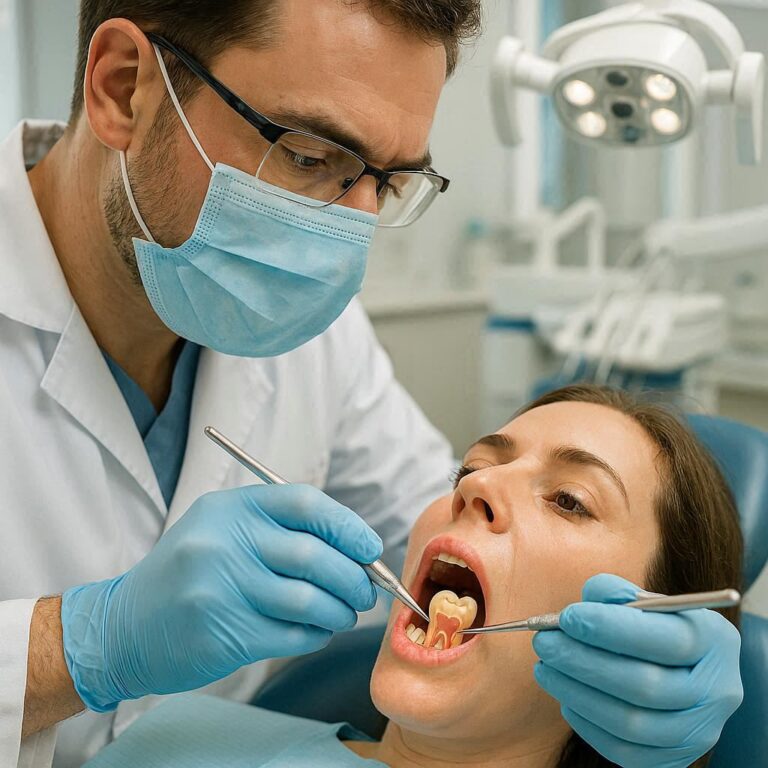
Imagine you have a beautiful porcelain crown on a molar, and a small chip appears on the side. The crown itself is still structurally sound and fits well. Instead of paying for an entirely new crown (which can be expensive and time-consuming), your dentist can perform a repair using specialized materials. D3110 is the code they use to bill for that specific service.
Important Note: This code is specifically for the repair. It is not the same as the initial placement of the crown (like D2740), nor is it for recementing a crown that has fallen off (D2910).
The Anatomy of a Crown Repair (D3110)
To truly understand the value of this procedure, it helps to know what happens during the appointment. The process is a blend of art and science, requiring a steady hand and an eye for detail.
Step 1: Diagnosis and Assessment
The journey begins with an examination. Your dentist will assess the damage to the crown. They are checking:
-
The size and location of the chip or fracture.
-
The integrity of the underlying tooth structure.
-
The fit of the existing crown.
-
Whether the damage is purely cosmetic or if it compromises the crown’s function.
If the damage is minor and the crown is otherwise in good condition, a repair is a fantastic, minimally invasive option.
Step 2: Preparation
The dentist will clean and dry the area around the crown. They may also lightly roughen the surface of the porcelain where the repair will take place. This creates a better mechanical and chemical bond for the repair material.
Step 3: The Repair Process
This is where the magic happens. The dentist applies a specialized porcelain primer and then layers a high-strength composite resin (specifically designed to bond to porcelain) onto the prepared area.
-
Shading and Shaping: Since aesthetics matter, especially for front teeth, the dentist will carefully shape the material to match the natural contours of your crown. They may use different shades of composite to ensure the repair blends in seamlessly.
-
Curing: A special bright blue light (an LED curing light) is used to harden the material. This takes just a few seconds per layer.
Step 4: Finishing and Polishing
Once the material is hard, the real artistry begins. The dentist uses fine diamonds and polishing burs to contour the repair perfectly. They will check your bite to ensure the repair doesn’t interfere with how your teeth come together. Finally, the area is polished to a high shine, making the repair smooth and virtually undetectable to the naked eye and tongue.
D3110 vs. Other Common Crown-Related Codes
One of the biggest sources of confusion for patients is the difference between a repair, a re-cementation, and a replacement. To help clarify, here is a simple comparison table:
| Dental Code | Procedure Name | What It Means | Typical Cost (Without Insurance) |
|---|---|---|---|
| D3110 | Repair – Porcelain/Ceramic Crown | Fixing a chip or crack in an existing crown. The crown stays in your mouth. | $150 – $350 |
| D2910 | Re-cement Crown | Taking an existing crown that has fallen out and gluing it back in place. | $100 – $250 |
| D2740 | Crown – Porcelain/Ceramic | Creating and placing a brand new crown (full replacement). | $1,000 – $3,500+ |
| D2950 | Core Buildup | Rebuilding the natural tooth structure before placing a new crown. | $250 – $500 |
As you can see, D3110 is a much more affordable and conservative option compared to a full replacement (D2740). It preserves the original crown and requires less time in the dentist’s chair.
When is a D3110 Repair the Right Choice? (And When It Isn’t)
Understanding the indications and contraindications for this procedure can help you have a more informed conversation with your dentist.
Ideal Scenarios for Using D3110:
-
Minor Chips and Fractures: A small piece of porcelain has broken off, but the rest of the crown is intact.
-
Cosmetic Flaws: There is a small imperfection in the glaze or a surface stain that can be polished or repaired.
-
Preserving a Well-Fitting Crown: The crown fits perfectly, and there are no signs of leakage or decay underneath. It would be a shame to remove a perfectly good crown for a tiny chip.
-
Cost-Conscious Patients: For patients who want to extend the life of their current dental work without a large financial outlay.
When a Repair (D3110) Might Not Be Possible:
-
Large Fractures: If the crack is large, extends deep below the gum line, or compromises the structural integrity of the entire crown, a repair won’t hold.
-
Multiple Fractures: If the porcelain is cracking in several places, it indicates a deeper failure of the material.
-
Underlying Decay: If there is decay in the tooth structure under the crown, the crown must be removed to treat the cavity. A new crown is then required.
-
Recurrent Damage: If the same area keeps chipping, the bite forces may be too strong, or the crown design may be flawed, necessitating a replacement.
-
All-Metal Crowns: D3110 is specifically for porcelain/ceramic. Metal crown repairs use a different code.
A Note from Your Dentist: The longevity of a repair can vary. While we do our best to make it strong, a repair is not always as strong as the original, unblemished crown. Good home care and being mindful of chewing habits (like avoiding ice or hard candies) will help it last.
The Patient’s Guide to Cost and Insurance for D3110
Money matters are often top-of-mind for patients. Here is a realistic look at the financial side of a crown repair.
How Much Does a D3110 Procedure Cost?
The out-of-pocket cost for a D3110 procedure can vary based on your geographic location, the dentist’s expertise, and the complexity of the repair. Generally, you can expect to pay between $150 and $350.
This fee covers the dentist’s time, skill, and the specialized materials needed to achieve a durable and aesthetic result.
Does Dental Insurance Cover D3110?
This is where things get a little nuanced. Coverage for D3110 varies significantly from one insurance plan to another.
-
Preventive vs. Basic vs. Major: Insurance companies categorize procedures into tiers. Crowns (D2740) are almost always in the “Major” category. Repairs (D3110) are often considered a “Basic” restorative procedure. Basic procedures typically have higher coverage percentages (e.g., insurance pays 80%, you pay 20%) after your deductible is met.
-
Frequency Limitations: Most plans will cover a crown replacement only once every 5 to 10 years. However, they may cover a repair (D3110) more frequently because it is a less expensive way to maintain the restoration.
-
Annual Maximums: Remember that your payment for D3110 will count toward your annual maximum (the total amount your insurance will pay in a year).
Pro-Tip for Patients: Always ask your dental office to send a “predetermination” or “pre-authorization” to your insurance company. This will tell you exactly how much your plan will cover for the D3110 procedure before you commit to it.
Frequently Asked Questions (FAQ)
Q1: Is getting a crown repair painful?
A: Generally, no. Since the crown itself has no nerves, the procedure is usually painless. The dentist is working on the surface of the artificial crown, not on your natural tooth structure. Anesthesia is rarely needed unless the repair is very close to the gum line.
Q2: How long will a crown repair last?
A: With good care, a well-done repair can last for several years. However, it’s important to view it as a way to extend the life of your crown, not as a permanent fix. The bond between the repair material and the old crown is strong, but not as strong as the original, flawlessly manufactured crown.
Q3: Can I eat normally after a D3110 repair?
A: Yes, you can usually eat and drink normally immediately after the procedure. The material is fully hardened with the curing light. However, it’s wise to be cautious with extremely hard or sticky foods on that specific tooth for the first 24 hours, just to be safe.
Q4: What is the difference between D3110 and D6210?
A: This is a common point of confusion. D3110 is for repairing an existing porcelain crown in your mouth. D6210 refers to a pontic (the artificial tooth) for a fixed partial denture (a bridge). They are completely different procedures.
Q5: My crown is metal. Is there a code for that repair?
A: Yes. The CDT code for repairing a metal crown is D3120 – “Repair of metal crown, per restoration.” The process and materials used are different than for porcelain.
For the Dental Professional: Coding Accuracy and Best Practices
Using D3110 correctly is essential for compliance and proper reimbursement. Here are a few key points for the dental team:
-
Documentation is Key: Your chart notes should clearly describe the existing crown’s condition (e.g., “PFM #30 with small chip on mesiolingual cusp, otherwise良好 fit and margins”), the reason for the repair, and the steps taken.
-
Material Specificity: Ensure you are using the correct code based on the crown’s material. Using D3110 for a metal crown repair would be incorrect coding.
-
Differentiate from Polish/Adjust: D3110 is for a structural repair. It is not to be used for simply polishing a rough surface or making a minor occlusal adjustment. Those are usually included in the examination or other procedures.
-
Tooth Numbers: Always include the correct tooth number on the claim form. This is non-negotiable for accurate processing.
Additional Resources
For the most up-to-date information on dental coding, the gold standard is the American Dental Association (ADA) CDT Code Book. This book is published annually and contains every official dental code, along with their descriptors and guidelines for use. You can find it on the ADA’s official website.
[Link to ADA CDT Code Book Information] (https://www.ada.org/en/publications/cdt)
Conclusion: The Value of a Simple Fix
Dental Code D3110 represents a valuable, conservative, and cost-effective solution for a common dental problem. It allows dentists to preserve good dental work and save patients time and money. While it may not be a permanent solution for every situation, understanding this code empowers you to ask the right questions and make informed decisions about your dental health. Whether it’s a tiny chip or a minor fracture, D3110 offers a way to restore your smile with minimal fuss.
Key Takeaways:
-
D3110 is for repairing a porcelain or ceramic crown.
-
It is a conservative and affordable alternative to a full crown replacement.
-
Insurance coverage is generally favorable as it is often considered a “basic” procedure.
-
The procedure is quick, painless, and can extend the life of your crown for years.