Dental Code D4212: The Complete Guide to Gingival Flap Procedures
Navigating the world of dental coding can often feel like trying to read a map in a foreign language. With thousands of codes, modifiers, and payer-specific rules, even seasoned dental professionals can find themselves scratching their heads. However, accurate coding isn’t just about getting paid—it’s about compliance, clear communication with insurance carriers, and ensuring patients understand the value of the procedures they undergo.
Among the most frequently misunderstood codes in periodontics is Dental Code D4212. This code represents a specific, yet common, surgical procedure that falls under the umbrella of periodontal surgery.
In this guide, we will peel back the layers of D4212. We will explore what it is, when it is used, how it differs from other codes, and—most importantly—how to document it properly to ensure your claims are processed smoothly. Whether you are a seasoned periodontist, a general dentist incorporating surgery into your practice, or a billing specialist looking to clean up your accounts receivable, this article is your definitive resource.
What is Dental Code D4212?
Let’s start with the basics. In the Current Dental Terminology (CDT), code D4212 is defined as:
“Gingival flap including root planing, per quadrant.”
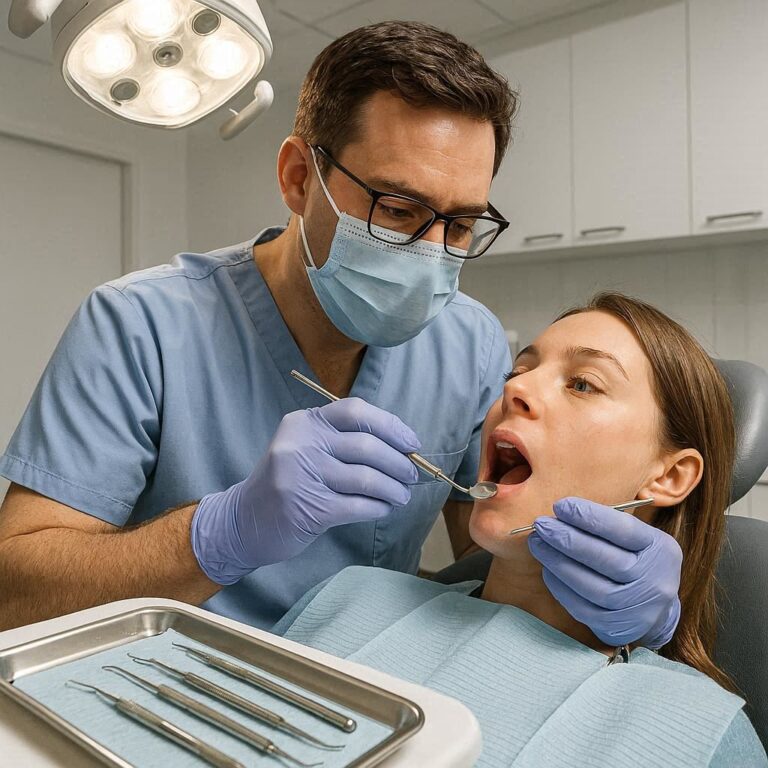
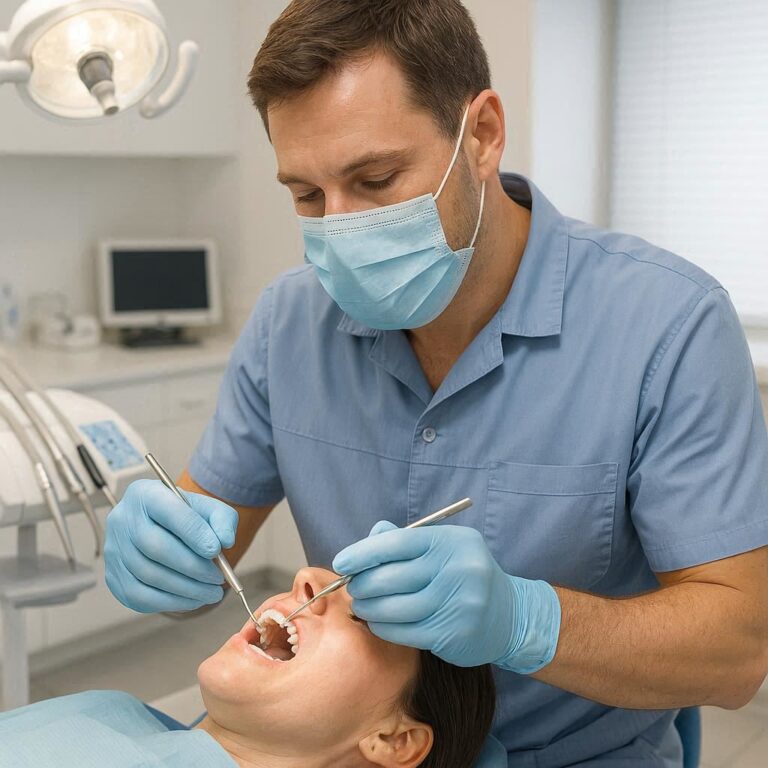
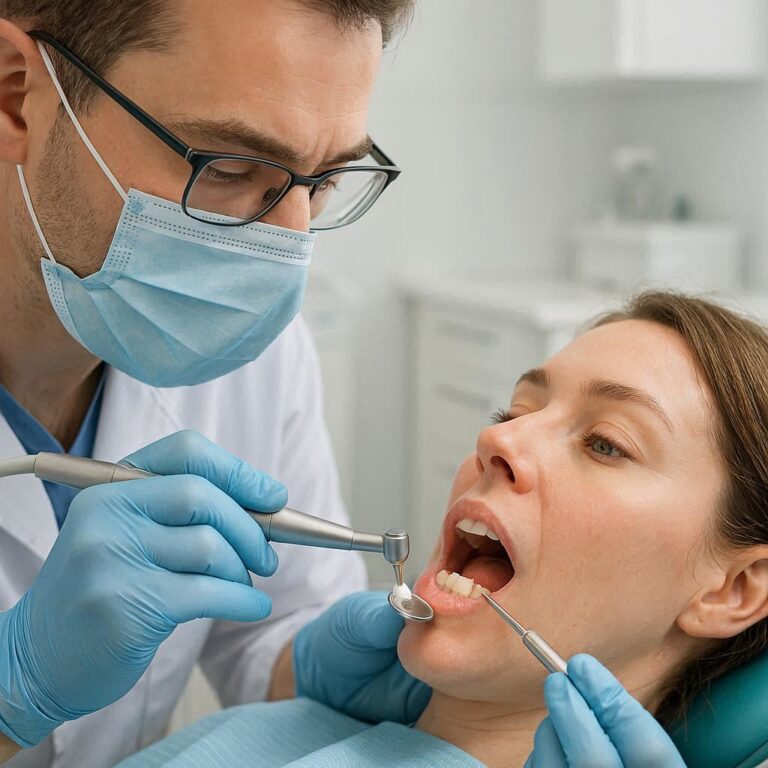
At its core, this code describes a surgical procedure where the gum tissue is intentionally separated from the teeth and bone (creating a “flap”) to allow a dentist access to the root surfaces and underlying bone. Once the flap is open, the clinician performs root planing to remove calculus, plaque, and diseased tissue. The flap is then repositioned and sutured.
It is crucial to understand that this is a surgical, not a non-surgical, procedure. It moves beyond a standard deep cleaning (Scaling and Root Planing, or SRP) because it involves the reflection of soft tissue.
Key Components of the Procedure
To truly grasp D4212, we must break down the clinical steps involved:
-
Administration of Local Anesthesia: Ensuring patient comfort is paramount.
-
Incisions: The dentist makes precise incisions in the gingiva to create a flap.
-
Reflection of the Flap: The gum tissue is gently peeled back to expose the tooth root and the alveolar bone. This visibility is the primary advantage of the flap procedure.
-
Debridement and Root Planing: Under direct vision, the dentist can thoroughly clean the root surfaces, removing hard and soft deposits that were previously hidden below the gum line.
-
Osseous (Bone) Contouring (if necessary): While not always included, the access provided by the flap may allow the dentist to smooth irregular bone caused by periodontal disease.
-
Repositioning and Suturing: The flap is placed back into its original position or a new position and held in place with sutures.
-
Post-Operative Care Instructions: The patient is given instructions for healing, including pain management and oral hygiene modifications.
D4212 vs. Other Periodontal Codes: Avoiding Confusion
One of the biggest challenges in dental billing is distinguishing between similar codes. D4212 is often confused with non-surgical procedures and other surgical entries. Using the wrong code can lead to automatic denials or, worse, accusations of upcoding (billing for a more expensive procedure than was performed).
D4212 vs. D4346 (Scaling in Presence of Generalized Moderate or Severe Gingival Inflammation)
-
D4346: This is a non-surgical code. It is used when there is inflammation in the gum tissue, but there is no active bone loss (periodontitis). Think of it as a “deep” cleaning for gums that bleed and are swollen, but the bone holding the teeth is healthy.
-
D4212: This is surgical. It requires incisions and suturing. It is used to treat active periodontal disease where bone loss has occurred and access is needed.
D4212 vs. D4341/D4342 (Scaling and Root Planing)
-
D4341/D4342: These are the traditional “deep cleaning” codes. They are performed in a closed environment, meaning the dentist is working by feel, using instruments below the gum line without cutting the tissue open.
-
D4212: The flap procedure is an open-environment surgery. The tissue is moved aside, allowing the dentist to see the root and clean it directly.
D4212 vs. D4240 (Gingival Flap with Osseous Surgery)
This is perhaps the most critical distinction to make.
-
D4212: This is a flap for access and root planing. While some minor bone smoothing might occur, it is not the primary goal. The main objective is to clean the roots.
-
D4240: This is a flap procedure specifically designed to reshape the bone supporting the teeth. It includes “osseous surgery” (cutting and contouring bone) to eliminate craters or defects caused by periodontal disease.
Analogy: If your teeth were a house, D4341 is like pressure-washing the foundation from the outside. D4212 is like removing the siding to clean the structure underneath. D4240 is like removing the siding and then rebuilding the foundation to fix structural damage.
Clinical Indications: When is D4212 the Right Choice?
A dentist does not choose a flap procedure lightly. It is typically indicated in specific clinical scenarios where non-surgical therapy is insufficient.
-
Persistent Periodontal Pockets: After initial non-surgical therapy (SRP), a patient may still have deep pockets (usually 5mm or more) that bleed upon probing. These deep pockets are impossible for the patient to keep clean at home and serve as a reservoir for bacteria.
-
Inaccessible Root Anatomy: Teeth have complex root surfaces with furcations (areas where roots divide), concavities, and grooves. Non-surgical instruments cannot effectively clean these hidden areas. A flap allows direct visualization and instrumentation.
-
Subgingival Calculus: Large deposits of calculus (tartar) firmly attached below the gum line may require surgical access to be completely removed.
-
Furcation Involvement: When bone loss has progressed into the area between the roots of multi-rooted teeth (molars), a flap is often necessary to assess the extent of the damage and clean the area.
-
Pre-Prosthetic Surgery: Before fabricating a crown or bridge, the gum tissue may need to be surgically managed to expose healthy tooth structure.
Important Note: D4212 is reported “per quadrant.” The mouth is divided into four quadrants: Upper Right, Upper Left, Lower Left, and Lower Right. If a procedure is performed on two quadrants during the same visit, you would bill D4212 twice, once for each quadrant, typically with a modifier (like -22 for increased procedural difficulty, or simply on two lines) depending on the payer’s software.
The Billing and Reimbursement Landscape
Understanding the clinical side is only half the battle. To run a successful practice, you must master the administrative side. Here is what you need to know about billing for D4212.
Insurance Coverage
D4212 is a surgical periodontal procedure. Most dental insurance plans that include a periodontal benefit will cover a portion of this code. However, coverage is rarely 100%.
-
Frequency Limitations: Insurance companies have strict frequency rules. They will not pay for a second flap procedure in the same quadrant within a certain timeframe (often 2-3 years, or even 5 years) unless there is extraordinary documentation of new disease.
-
Medical Necessity: The gold standard for payment. Your claim and, more importantly, your clinical notes, must prove that this surgery was necessary. This is where documentation becomes vital.
-
Patient Coverage: Typically, periodontal surgery falls under “Major” restorative services in a patient’s benefit plan. This often means the patient is responsible for 50% of the fee, though plans vary (some pay 80% for periodontal therapy).
Documentation: Your Best Friend
To prevent denials, your documentation must tell a story. Here is a checklist of what your notes should include:
-
Pre-Operative Probing Depths: Charting showing pockets >5mm that bleed on probing.
-
Radiographic Evidence: X-rays showing bone loss consistent with the deep pockets.
-
History of Non-Surgical Therapy: Notes indicating that Scaling and Root Planing (D4341/D4342) was completed in the affected quadrants, usually 4-6 weeks prior, and was unsuccessful in resolving the pocket depths.
-
Description of Findings: During the surgery, note what you found. “Furcation exposure,” “heavy subgingival calculus,” “granulation tissue removed.”
-
Post-Operative Instructions: Evidence that you counseled the patient on post-surgical care.
Sample Claim Scenario
-
Patient: John Doe
-
Procedure: Gingival Flap, Upper Right Quadrant (Teeth #2-5)
-
Code: D4212
-
Fee: $1,200
-
X-Rays: Panoramic and BWX showing generalized moderate bone loss, localized severe bone loss on #3.
-
Narrative: “Patient presents with 7mm probing depths on the distal of #3 and mesial of #2, bleeding upon probing, six weeks post SRP. Areas non-responsive to closed therapy. Flap reflected, extensive subgingival calculus and granulation tissue debrided. Roots planed to smooth hard surface. Flap re-approximated with 4-0 chromic gut sutures.”
The Patient Experience: Managing Expectations
As a writer focusing on a reader-friendly tone, it’s vital to remember the human element. Behind every code is a patient who may be anxious about “oral surgery.” How you present D4212 to the patient can significantly impact their acceptance of the treatment plan.
How to Explain D4212 to a Patient
“Mrs. Smith, you remember we did a deep cleaning a couple of months ago to treat your gum disease. While that helped a lot, we still have a few areas, specifically around your back teeth, where the pockets remain very deep. These deep pockets trap bacteria and can’t be cleaned effectively with a regular brush or floss.
I recommend a minor surgical procedure called a gingival flap. Think of it like this: right now, I’m trying to fix your watch without opening the back. I can do a lot, but to really fix the inner workings, I need to open it up. We’ll numb the area completely, gently lift the gum tissue, clean the root surfaces under direct vision, and then stitch the gum back in place. It sounds scary, but it’s a routine procedure to save your teeth from future bone loss.”
Recovery and Post-Operative Care
Patients need to know what to expect:
-
Discomfort: Mild to moderate discomfort is normal for 24-48 hours.
-
Swelling: Some swelling of the gum tissue is expected.
-
Bleeding: Minor oozing can occur for the first few hours.
-
Diet: Soft foods are recommended for a few days.
-
Oral Hygiene: Patients must avoid brushing the surgical site but can rinse with warm salt water as directed.
Comparative Analysis: D4212 in Context
To truly see where D4212 fits, let’s look at a comparative table of common periodontal procedures.
| Code | Procedure Name | Surgical vs. Non-Surgical | Primary Goal | Typical Fee Range (Estimate) |
|---|---|---|---|---|
| D4212 | Gingival Flap including Root Planing | Surgical | Access roots for debridement | $900 – $1,500 per quadrant |
| D4240 | Gingival Flap with Osseous Surgery | Surgical | Reshape bone and treat deep defects | $1,200 – $2,000+ per quadrant |
| D4341 | Scaling and Root Planing (4+ teeth) | Non-Surgical | Remove toxins and calculus (closed) | $200 – $400 per quadrant |
| D4346 | Scaling in presence of inflammation | Non-Surgical | Reduce inflammation (no bone loss) | $150 – $300 per quadrant |
| D4266 | Guided Tissue Regeneration | Surgical | Regrow lost bone/tissue | $1,500 – $3,000+ per site |
Note: Fees are estimates and vary drastically by geographic location and practice overhead.
Common Denials and How to Appeal Them
Even with perfect coding, denials happen. Here are the top reasons D4212 claims are rejected and how to fight back.
Denial 1: “Procedure is considered part of another service” / “Not a Covered Benefit”
-
The Issue: The insurance adjuster may incorrectly view this as a “deep cleaning” or a duplication of D4341.
-
The Appeal: Write a letter of appeal. Clearly state the difference between closed (non-surgical) and open (surgical) procedures. Quote the CDT definition of D4212. Attach your clinical notes showing the flap was reflected.
Denial 2: “Frequency Limitation Exceeded”
-
The Issue: The patient had a flap in the same quadrant within the insurance company’s look-back period (often 3-5 years).
-
The Appeal: You must prove “extraordinary circumstances.” Did the patient develop a new, isolated defect? Did they fail to maintain periodontal maintenance (D4910) leading to rapid disease recurrence? Documentation is your only hope here.
Denial 3: “Pre-existing Condition” / “Missing Information”
-
The Issue: The carrier claims they need more proof, or they label it a pre-existing condition (less common now due to healthcare reforms, but still seen in grandfathered plans).
-
The Appeal: Re-submit with full-mouth probing depths, radiographs highlighting bone loss, and a narrative justifying why surgery was the only viable option.
Expert Tips for Mastering D4212
Drawing from years of clinical and administrative experience, here are some golden rules for dealing with D4212.
-
Master the Narrative: Insurance companies pay for stories. A claim with a sterile code and a fee is a red flag. A claim with a detailed clinical narrative explaining the “why” is a claim that gets paid.
-
Don’t Skip the Hygiene Phase: Most medical necessity for D4212 hinges on the failure of non-surgical therapy. If you go straight to surgery without attempting SRP first (except in rare, obvious cases), you risk the insurance company denying the entire claim.
-
Verify Benefits BEFORE Surgery: Call the insurance company. Ask specific questions: “Does the plan cover D4212? What is the patient’s coinsurance? Is there a frequency limitation on periodontal surgery?” Get the name of the representative and the reference number for the call.
-
Use the Correct Modifiers: If a procedure is unusually difficult (excessive bleeding, severe anatomical challenges), you can append modifier -22 (Increased Procedural Difficulty) to D4212. Be prepared to send operative notes and expect the payer to ask for justification.
-
Photographic Evidence: If your practice is equipped, take intraoral photos before the procedure showing the deep pockets and inflammation, and during the procedure showing the exposed roots and calculus. This visual proof is virtually un-deniable in an appeal.
Frequently Asked Questions (FAQ)
Q1: Is D4212 considered surgery?
Yes, absolutely. D4212 is classified as periodontal surgery because it requires incisions to reflect a flap of gum tissue and typically involves suturing.
Q2: How many teeth are included in D4212?
D4212 is billed “per quadrant.” A quadrant typically includes the posterior and anterior teeth on one side of an arch (e.g., teeth #2-5 in the upper right). The code covers the flap procedure for all necessary teeth within that specific quadrant.
Q3: Can a general dentist perform and bill for D4212?
Yes, if they have the training and feel competent performing the procedure. Dental codes are based on the procedure performed, not the specialty of the provider.
Q4: Does medical insurance cover D4212?
Generally, no. Dental procedures are covered under dental insurance plans. Only in very specific cases involving trauma, tumors, or in conjunction with certain medical conditions (like jaw reconstruction) might medical insurance become involved, but this is rare.
Q5: What is the difference between D4212 and D4210?
D4210 is an older, more broadly defined code for “gingival flap procedure.” However, in modern CDT coding, D4212 is the more specific and commonly used code for a flap including root planing. D4240 is used specifically when bone surgery is performed. Always refer to the current CDT manual for the most up-to-date definitions.
Q6: My patient had SRP 3 months ago. Can we do D4212 now?
Yes. In fact, waiting 4-6 weeks after SRP to re-evaluate is the standard of care. If the pockets remain deep (>5mm) and bleed, proceeding with D4212 is clinically indicated and supported by insurance guidelines.
Q7: Does D4212 include post-operative care?
The fee for D4212 typically includes the standard post-operative care related to the surgery, such as suture removal and one or two follow-up visits to check healing. Extensive post-operative complications would be billed separately.
Conclusion
Dental Code D4212 is a powerful tool in the fight against periodontal disease. It represents a step up from non-surgical therapy, offering clinicians the visibility needed to definitively treat deep, infected pockets. For dental practices, mastering this code means not only providing excellent patient care but also ensuring the financial health of the business through accurate, well-documented claims.
By understanding the clinical indications, distinguishing it from similar codes like D4240, and adhering to strict documentation protocols, you can navigate the complexities of periodontal billing with confidence. Remember, behind every code is a patient seeking to keep their teeth for a lifetime. D4212, when used correctly, is a significant step toward that goal.