Dental Code D5110: Your Complete Guide to Upper Partial Dentures
- On
- InDENTAL CODE
Navigating the world of dental insurance and procedural codes can sometimes feel like learning a new language. If you’ve recently visited your dentist and been told you need a partial denture, you might have seen a mysterious code on your treatment plan: D5110.
Don’t worry—you’re in the right place. This guide is designed to demystify Dental Code D5110, explaining exactly what it means, what the procedure involves, how much it might cost, and how to make the best decision for your smile. We’ll walk through this together, step by step, in plain, simple English.
Table of Contents
ToggleWhat is Dental Code D5110?
Let’s start with the basics. In the world of dentistry, every procedure has a specific code used by dentists and insurance companies to ensure everyone is talking about the same thing. These are known as CDT codes (Current Dental Terminology).
D5110 is the specific CDT code for a “Complete Upper Partial Denture.”
To break that down:
-
Complete: This doesn’t mean it replaces all your teeth. In this context, “complete” refers to the framework or the base of the denture being fully fabricated. It’s a finished, ready-to-wear appliance.
-
Upper: This indicates the denture is designed specifically for your maxillary arch (your upper jaw).
-
Partial Denture: This is a removable appliance that replaces one or more missing teeth, but not all of them. It fills in the gaps, attaching to your existing natural teeth with small metal clasps or precision attachments to hold it securely in place.
In short, when you see Dental Code D5110 on a treatment plan, it means your dentist is recommending a custom-made, removable partial denture to replace missing teeth on your upper jaw.
The Procedure: What Happens When You Get a D5110 Denture?
Getting a partial denture is a process, not a single appointment. It requires precision, time, and a great deal of teamwork between you and your dental team. Here’s a realistic, step-by-step look at what you can expect.
The Initial Consultation and Examination
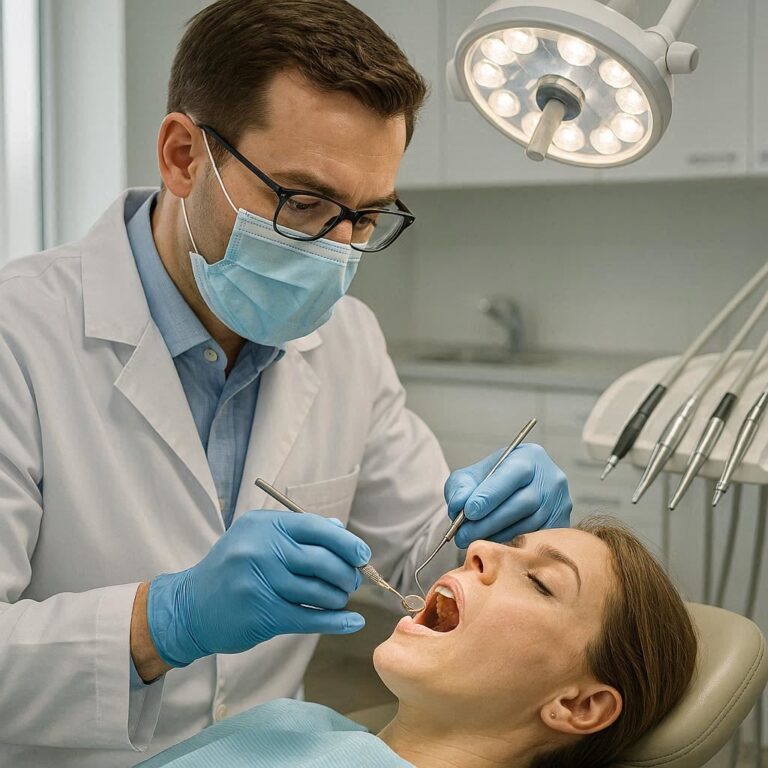
Your journey begins with a thorough examination. Your dentist won’t just look at the gaps in your smile. They will assess the health of your remaining teeth, your gums, and the underlying bone structure. This is a critical step because the success of a partial denture depends heavily on the health of the teeth that will support it.
X-rays (radiographs) are almost always taken during this visit. They help the dentist see what’s happening below the gum line, checking for decay, infection, or bone loss that could compromise the new appliance.
The Art of Impression Taking
Once you and your dentist have decided that a partial denture (D5110) is the right path forward, the next step is to create a precise mold of your mouth. This isn’t like making a simple plaster mold of a hand. It’s a detailed process.
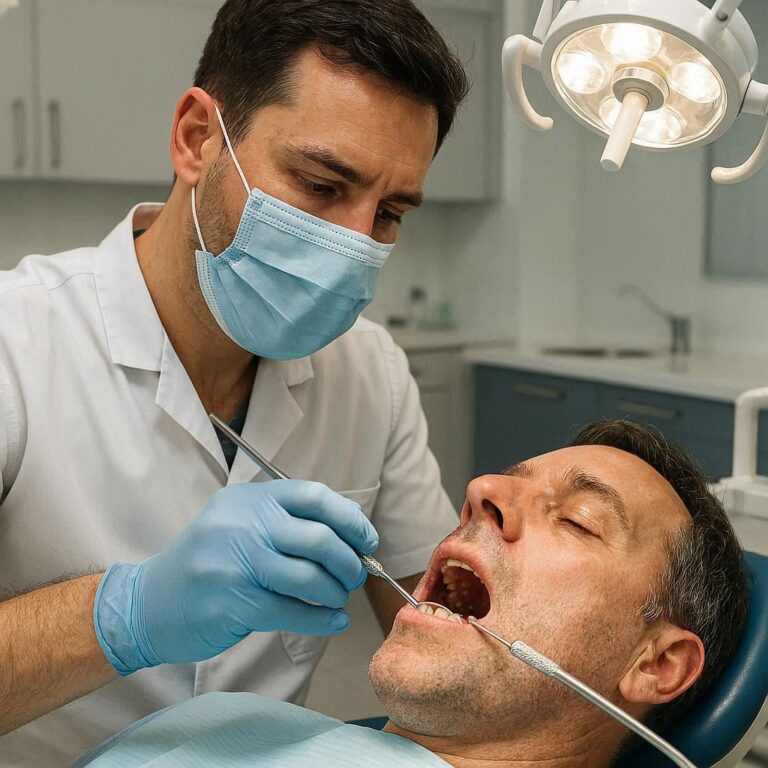
First, the dentist will take a “preliminary impression” using a tray filled with a soft, alginate material. This gives a general model of your mouth. From this model, a custom impression tray is created specifically for you. This custom tray is then used to take a “master impression” with more precise materials. This detailed mold captures every contour of your gums and the exact position of your remaining teeth. It’s the blueprint for your new denture.
Shade Selection and Aesthetics
Here’s where you get to be involved in the creative process. You and your dentist will work together to choose the right shape, size, and color (shade) for your new teeth.
The goal is to create a smile that looks natural and harmonious with your face and your remaining teeth. Your dentist will hold up shade guides to your teeth to find the perfect match. You might even discuss the subtle nuances of tooth shape—whether a slightly more rounded or angular tooth looks more natural for you.
The Fitting and Adjustment Process
Your new partial denture is crafted in a dental laboratory by skilled technicians. Once it’s ready, you’ll return to the dentist for a fitting.
This is rarely a “one-and-done” situation. The dentist will place the denture in your mouth and check the fit. They will look at:
-
Fit: Does it sit flush against your gums without rocking?
-
Bite (Occlusion): Do your upper and lower teeth come together correctly when you chew?
-
Clasps: Do the metal or plastic clasps grip your natural teeth securely but comfortably?
-
Comfort: Are there any sharp edges or pressure points?
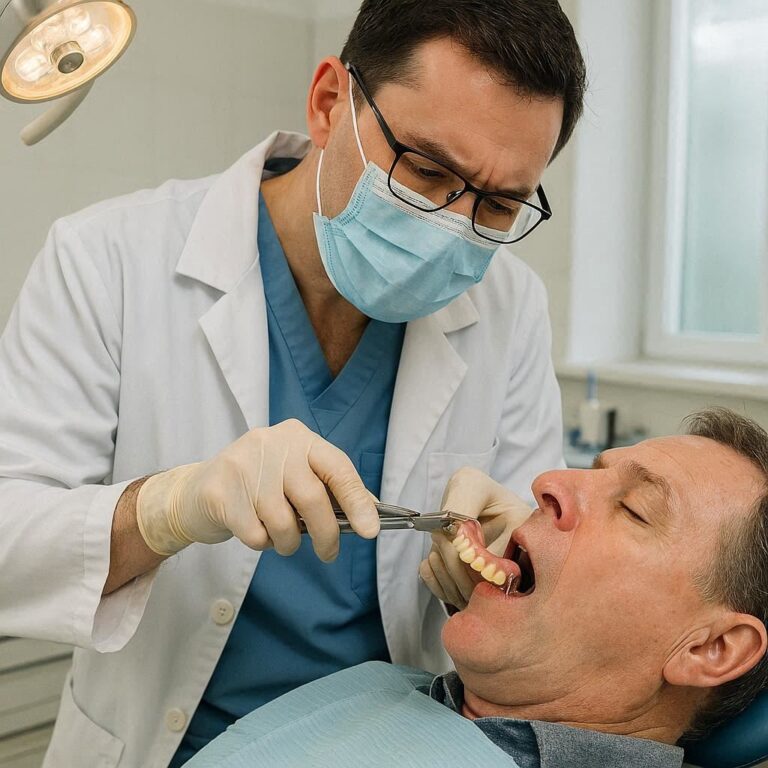
It’s very common for the dentist to make minor adjustments at this appointment. They may file down a small area that’s digging in or adjust a clasp for a better fit. You might even be sent home with the denture to wear for a few days to identify any “hot spots” that need further adjustment at a follow-up visit.
Important Note: It is completely normal to feel that your new partial denture feels bulky or strange for the first few days or even weeks. Your mouth has sensory nerves that are suddenly aware of a new object. Give yourself time to adapt. Your brain and your mouth will gradually learn to accept it.
D5110 vs. Other Partial Denture Codes: A Comparative Guide
It’s easy to get confused by all the different codes. To help clarify, let’s look at how D5110 compares to other common partial denture procedures.
| Code | Description | What It Means | Key Difference from D5110 |
|---|---|---|---|
| D5110 | Complete Upper Partial Denture | A full, finished removable partial denture for the upper jaw, including the framework, teeth, and clasps. | The standard procedure for a new upper partial. |
| D5120 | Complete Lower Partial Denture | The exact same concept as D5110, but for the lower (mandibular) arch. | It is for the lower jaw, not the upper. |
| D5211 | Maxillary Partial Denture – Cast Metal Framework with Resin Bases | Similar to D5110, but this code is often used when the design is slightly more complex, or when billing for an upper partial with a specific type of metal framework. In many contexts, D5110 and D5211 are used interchangeably for an upper cast metal partial, but D5110 is the more common, standard code. | Often a subtle distinction in billing; D5110 is the more frequently used code for a standard upper cast metal partial. |
| D5213 | Maxillary Partial Denture – Resin Base (Flexible or Acrylic) | A partial denture made entirely of acrylic (plastic) or a flexible thermoplastic material like Valplast. It doesn’t have a metal framework. | Material difference: D5110 implies a metal framework for strength and rigidity. D5213 is for a non-metal, often more flexible but less durable, option. |
| D5225 | Maxillary Partial Denture – Flexible Base (Including any Clasps, Rest Seats, and Teeth) | A more specific code for flexible partials like those made from nylon-based materials. | A more modern, metal-free alternative. Less rigid than the cast metal of D5110. |
The Financial Aspect: How Much Does a D5110 Partial Denture Cost?
Let’s talk about money. This is often the biggest concern for patients. The cost of a D5110 procedure can vary significantly based on where you live, the complexity of your case, and the dentist’s experience.
General Price Range
It’s difficult to give an exact figure, but you can generally expect the cost for a complete upper partial denture (D5110) to range from $1,200 to $3,500 or more.
This wide range reflects several factors:
-
Geographic Location: Dental costs in major cities like New York or Los Angeles are typically higher than in rural areas.
-
Dentist vs. Specialist: A prosthodontist (a specialist in restoration and replacement of teeth) will often charge more than a general dentist for this procedure.
-
Materials Used: The type of metal used for the framework (e.g., a standard chrome-cobalt alloy vs. a more expensive, premium alloy) can influence the price. The quality of the acrylic and the brand of the replacement teeth also play a role.
-
Laboratory Fees: The cost of having a high-quality dental lab fabricate your denture is passed on to you.
Does Insurance Cover D5110?
This is a critical question. Most dental insurance plans categorize a partial denture (D5110) as a “major” restorative procedure.
-
Coverage Percentage: Most plans cover a percentage of the cost, often 50% , after you have met your annual deductible.
-
Annual Maximums:
A Crucial Reality Check: Dental insurance plans have an “annual maximum”—the most money they will pay out for your care in a single year. This is typically between $1,000 and $2,000. Since a partial denture alone can cost more than this, you will likely be responsible for the remaining balance.
-
Waiting Periods: Many insurance plans have a waiting period (often 6-12 months) for major procedures like dentures before they will provide any coverage. If you are a new policyholder, check your plan details carefully.
-
Frequency Limitations: Insurance will usually only cover one partial denture per arch every 5 years. If you need a replacement sooner, you will likely have to pay for it entirely out of pocket.
How to get the most accurate estimate:
-
Ask your dentist’s office for the procedural code (D5110) .
-
Call your insurance company and ask them: “What is my coverage percentage for code D5110? What is my remaining annual maximum? Has my deductible been met?”
-
Ask the dentist’s office if they will file a “predetermination of benefits” (also called a pre-authorization) with your insurance. This gives you a written estimate of what your insurance will pay before you commit to the procedure.
Pros and Cons of Choosing a D5110 Partial Denture
No dental solution is perfect for everyone. Understanding the advantages and disadvantages of a traditional cast-metal partial denture will help you have a more informed conversation with your dentist.
Pros:
-
Restores Functionality: It makes eating and chewing much easier, which can improve your nutrition and overall health.
-
Improves Aesthetics: It fills in the gaps in your smile, boosting your confidence and self-esteem.
-
Prevents Shifting: By holding the space, it prevents your remaining natural teeth from drifting or tipping into the empty spaces.
-
Relatively Quick: Compared to implants, the process for getting a partial is much faster, typically taking a few weeks to a couple of months.
-
Removable for Cleaning: You can take it out to clean both the appliance and your natural teeth thoroughly.
-
Cost-Effective: It is generally a more affordable option than fixed bridges or dental implants.
Cons:
-
Adjustment Period: It can feel bulky and take time to get used to. It may also affect your sense of taste initially.
-
Potential for Breakage: Acrylic parts can chip or break if dropped.
-
Bone Loss: Unlike dental implants, a removable partial denture does not stimulate the underlying jawbone, which can lead to gradual bone loss over time.
-
Stress on Anchor Teeth: The clasps can put extra stress on the teeth they attach to, potentially making them more susceptible to decay or gum disease if oral hygiene is not meticulous.
-
Visible Clasps: Depending on the design, the metal clasps may be visible when you smile.
Essential Care and Maintenance for Your D5110 Denture
Once you have your new partial denture, its longevity—and the health of your remaining teeth—depends entirely on how well you care for it. A D5110 denture is an investment, and with proper care, it can last for 5-10 years or more.
Daily Cleaning Routine
Think of your partial denture like a delicate, precision instrument. It needs gentle but thorough cleaning every day.
-
Rinse and Brush: After eating, remove your denture and rinse it under warm (not hot!) water to remove food particles. Using a soft-bristled denture brush and a non-abrasive denture cleaner, gently brush all surfaces of the denture. Avoid regular toothpaste, as it can be too harsh and create microscopic scratches where bacteria can grow.
-
Soak Overnight: Most dentures need to be kept moist to maintain their shape. Place your denture in a glass of water or a mild denture-soaking solution overnight. This also gives your gums a chance to rest.
-
Clean Your Mouth: While your denture is out, it’s vital to clean your mouth. Use a soft-bristled toothbrush to gently brush your gums, tongue, and the roof of your mouth. Pay special attention to the natural teeth that the denture clasps onto. These “anchor” teeth are now more vulnerable to decay, so thorough flossing and brushing are non-negotiable.
Handling with Care
-
Be Mindful of the Sink: Dentures are surprisingly fragile. When handling them, stand over a folded towel or a sink full of water. If you drop them, the soft landing can prevent them from shattering.
-
Keep Away from Heat and Pets: Never leave your denture in a place where it could get too hot (like a car dashboard), as it can warp. Also, be aware that dogs are sometimes attracted to the smell of their owners on dentures and have been known to chew them up!
Recognizing When It’s Time for a Replacement or Reline
Over time, your mouth naturally changes. The bone and gums that support your denture will shrink and change shape. This means your once-perfectly-fitting denture may start to feel loose.
-
Relines: If the denture itself is still in good shape but it’s loose, your dentist can perform a “reline” (code D5730 or D5740). This involves adding new material to the inside (tissue-bearing surface) of your denture to make it fit snugly against your current gum contours. This is less expensive than a full replacement.
-
Replacements: If the teeth are worn down, the framework is damaged, or the denture is simply too old and ill-fitting, it may be time for a new one (a new D5110 procedure).
Alternatives to a D5110 Partial Denture
A traditional cast-metal partial is a great option, but it’s not the only one. Depending on your clinical situation and budget, your dentist might discuss these alternatives.
Flexible Partials (e.g., Valplast)
These are made from a thin, flexible, thermoplastic nylon. They are metal-free and often have tooth-colored clasps, making them virtually invisible.
-
Pros: Highly aesthetic, comfortable, and less likely to cause allergic reactions.
-
Cons: Can be more difficult to adjust, and the flexibility can sometimes put different types of pressure on the gums. They are also generally not repairable if they break. This would be coded as D5225 or D5213.
Fixed Dental Bridge
A bridge literally “bridges” the gap where teeth are missing. It involves crowning the teeth on either side of the gap and attaching a false tooth (or teeth) in between. It is cemented in place and is not removable.
-
Pros: Feels and functions very much like natural teeth. It is fixed, so no removal for cleaning.
-
Cons: Requires permanently grinding down healthy adjacent teeth to place the crowns. It is generally more expensive than a removable partial.
Dental Implants
Implants are the gold standard for tooth replacement. A titanium post is surgically placed in the jawbone, and after it heals, a crown is attached. For multiple missing teeth, an “implant-supported overdenture” or “implant-retained partial” can be used.
-
Pros: The most natural feel and function. They prevent bone loss and do not affect adjacent teeth.
-
Cons: The most expensive option and requires oral surgery. The process takes several months to complete.
Frequently Asked Questions About D5110
Q: Is getting a D5110 partial denture painful?
A: The procedures themselves (impressions, etc.) are not painful. You may experience some soreness or tenderness in your gums as you adjust to wearing the new denture. Your dentist will provide adjustments to alleviate any persistent “hot spots.”
Q: How long does it take to get used to eating with my new partial?
A: It varies. Start with soft foods cut into small pieces. Chew on both sides of your mouth to keep the denture balanced. Most people adapt within a few weeks. Be patient with yourself.
Q: Can I sleep with my D5110 partial denture in?
A: Dentists generally recommend removing your partial at night. This gives your gums and the supporting tissues a chance to rest and promotes saliva flow, which naturally cleanses your mouth. It also helps prevent plaque buildup on the denture.
Q: What should I do if my partial denture breaks?
A: Do NOT try to fix it yourself with superglue! Over-the-counter glues contain harsh chemicals and can ruin the denture’s fit. Save all the pieces and call your dentist immediately. They can often repair it in the office or send it to the lab.
Q: My partial denture feels loose, but it’s not that old. What’s happening?
A: This is very common. Your bone and gums are living tissues that change shape over time, especially after teeth are extracted. The denture stays the same shape, so it becomes loose. This often just requires a simple reline procedure to make it fit like new again.
Conclusion
Understanding Dental Code D5110 empowers you to take control of your dental health decisions. It represents more than just a billing code; it signifies a path to restoring your smile, your ability to chew, and your confidence. A complete upper partial denture is a tried-and-true, cost-effective solution for replacing missing teeth. While it requires an adjustment period and dedicated care, it can dramatically improve your quality of life.
The most important step is to have an open and honest conversation with your dentist. Ask questions, discuss your concerns about cost and comfort, and explore all the options available to you. By working together, you can create a treatment plan that fits your unique needs and helps you achieve a healthy, functional, and beautiful smile.
Additional Resource: For official information on dental codes, you can visit the American Dental Association’s website (ada.org) for publications on CDT coding. Your dentist’s office is also your best and most direct resource for personalized information.

dentalecostsmile
Newsletter Updates
Enter your email address below and subscribe to our newsletter