The Complete Guide to Dental Implant Costs in Pittsburgh: 2026 Edition
Navigating the journey to a restored smile with dental implants in Pittsburgh can feel overwhelming, especially when it comes to understanding the costs involved. You’re likely encountering a wide range of prices and wondering what’s realistic, what’s included, and how to plan for such a significant investment in your health. This guide is designed to demystify the cost of dental implants in Pittsburgh, providing you with clear, honest, and comprehensive information. We’ll break down every factor that influences the final price, from the materials used to the experience of your surgeon, and give you the tools to make a confident, informed decision. Think of this as your trusted local resource, cutting through the confusion to deliver the clarity you deserve.
Understanding Dental Implants: The Foundation of Your New Smile
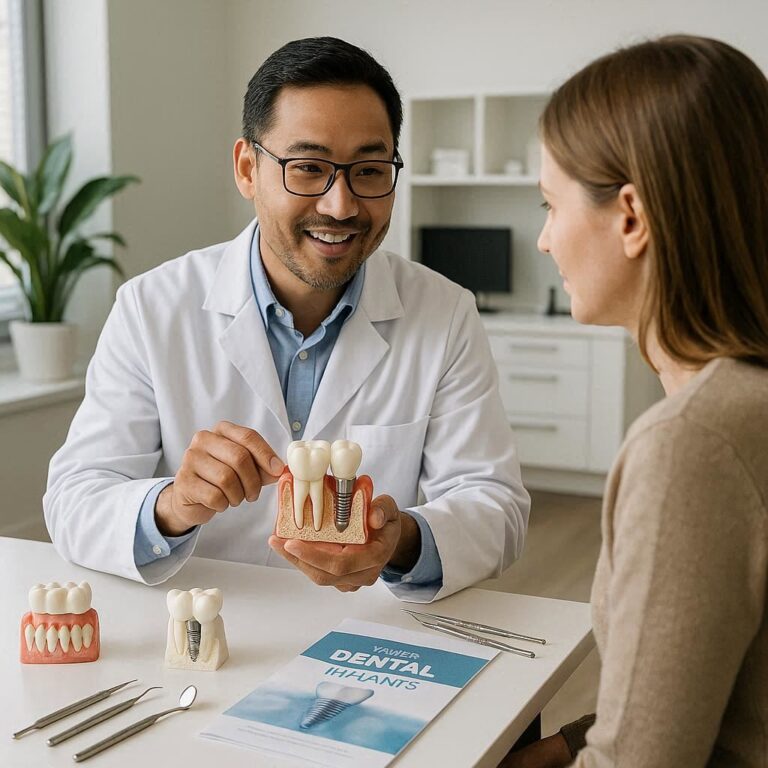
Before we dive into the numbers, it’s crucial to understand what you’re investing in. A dental implant is not just a tooth; it’s a sophisticated, three-part prosthetic system designed to function and feel like your natural tooth.
-
The Implant: This is the titanium or zirconia screw that is surgically placed into your jawbone. It acts as the new “root” for your tooth. Titanium is the most common material due to its unique ability to fuse with bone, a process called osseointegration.
-
The Abutment: This is a connector that is attached to the top of the implant after it has healed. It serves as the foundation for your final crown.
-
The Restoration: This is the visible part—the crown, bridge, or denture that attaches to the abutment. It’s custom-made to match the color, shape, and size of your surrounding teeth.
Dr. Elena Rossi, a board-certified prosthodontist with a practice in the North Hills, emphasizes the long-term value. “A dental implant is a lifelong investment in your oral and overall health,” she says. “While the upfront cost is a consideration, its ability to prevent bone loss, preserve facial structure, and restore full chewing function makes it the gold standard for tooth replacement.”
Why Cost Isn’t One-Size-Fits-All
You’ve probably asked friends or searched online only to get wildly different quotes. This isn’t because someone is wrong; it’s because every patient’s situation is unique. The final cost is a personalized equation based on your specific oral health needs, the technology used, and the expertise of your dental team. Let’s explore the variables that make up this equation.
Detailed Cost Breakdown: What You’re Really Paying For in Pittsburgh
The total cost for a single dental implant in the Pittsburgh area can range from $3,000 to $6,000 or more. This broad range reflects the complexity of the procedure and the factors outlined below. Here is a comparative table to visualize how these components add up.
Comparative Table: Cost Breakdown for a Single Dental Implant in Pittsburgh
| Cost Component | Low-End Estimate | Average/Common Range | High-End Estimate | What It Includes & Notes |
|---|---|---|---|---|
| Initial Consultation & Imaging | $150 – $250 | $200 – $500 | $500+ | Includes exam, X-rays (panoramic), and CT scan. A 3D CBCT scan is crucial for precise planning and may be an additional cost. |
| Implant Surgery | $1,000 – $1,500 | $1,500 – $2,500 | $3,000+ | The surgeon’s fee for placing the implant. Varies greatly with surgeon’s expertise (General Dentist vs. Oral Surgeon/Periodontist). |
| The Implant Fixture & Abutment | $500 – $1,000 | $1,000 – $2,000 | $2,500+ | Cost of the physical implant (brand, material) and stock/healing abutment. Premium brands (e.g., Nobel Biocare, Straumann) cost more. |
| Custom Crown (Restoration) | $1,000 – $1,500 | $1,500 – $2,000 | $2,500+ | Lab fee for the final, custom-made porcelain or zirconia crown. Aesthetic, high-strength materials cost more. |
| Bone Grafting (if needed) | $300 – $600 | $600 – $1,200 | $2,000+ | Additional procedure if jawbone is insufficient. Cost depends on graft material (synthetic, donor, or patient’s own) and extent. |
| Sinus Lift (if needed) | $1,000 – $1,500 | $1,500 – $2,500 | $3,500+ | Specialized bone graft for upper back teeth when the sinus cavity is too low. |
| Temporary Tooth | $0 (included) | $200 – $500 | $800+ | Fee for a flipper or temporary crown during healing. Not always necessary. |
| Sedation/Anesthesia | $0 (local only) | $250 – $500 | $800+ | For IV sedation or general anesthesia, administered by an anesthesiologist. |
| Estimated TOTAL (Basic Case) | $3,000 | $4,500 – $5,500 | $7,000+ | This is a composite estimate. Your total will depend on which of the above components are required for your specific treatment plan. |
Key Factors That Influence Your Final Cost
1. The Number and Type of Implants Needed
Are you replacing a single tooth, several teeth, or a full arch? The math is straightforward here, but there are strategic options.
-
Single Implant: The standard, as detailed in the table above.
-
Multiple Implants: The cost multiplies, but often with some efficiency savings on imaging and surgical setup.
-
Implant-Supported Bridges: Replacing 3-4 teeth may only require 2 implants, which can be more cost-effective than individual implants for each tooth.
-
Full-Arch Restoration (All-on-4® or similar): This is a major procedure where a full set of teeth is supported by 4-6 implants per arch. While the total cost is significant ($15,000 – $30,000+ per arch), it is often more economical and functional than replacing an entire arch with individual implants.
2. The Experience and Specialty of Your Provider
Who places your implant matters immensely for both outcome and cost.
-
General Dentist: May offer lower fees. It’s essential to verify their specific training and volume of implant cases.
-
Specialist (Oral Surgeon, Periodontist, Prosthodontist): Typically charges higher fees due to their advanced surgical training, residency, and focus on complex cases. This expertise often translates to higher precision, better handling of complications, and potentially better long-term success.
3. Preliminary Procedures: Bone Grafting and Sinus Lifts
If you’ve been missing a tooth for a while, your jawbone may have deteriorated. Bone grafting rebuilds this foundation. As noted in the table, this can add $600 to $3,000 or more to your total. A sinus lift is a specialized graft for the upper jaw. These are not “extra” fees but essential steps for a successful, long-lasting implant in many patients. Skipping them when needed is a primary reason for implant failure.
4. Technology and Materials Used
-
Implant Brand: Established, researched-backed brands (like Straumann, Nobel Biocare, Zimmer Biomet) often have higher costs but come with extensive long-term data and warranties.
-
Crown Material: A standard porcelain-fused-to-metal crown is less expensive than a full zirconia or high-end e.max porcelain crown, which offers superior aesthetics and strength.
-
Guided Surgery: Using 3D CT scans and computer software to plan and create a surgical guide can increase the upfront cost but often leads to less invasive surgery, faster healing, and a more precise result.
5. Geographic Location Within the Pittsburgh Area
Costs can vary between neighborhoods and suburbs. A practice in a high-rent district in Downtown or Fox Chapel may have slightly higher overhead costs reflected in their fees compared to a practice in a less expensive suburb. However, expertise should be the primary driver of your choice, not minor geographic price differences.
Navigating Payment and Financing in Pittsburgh
An honest discussion about cost must include a discussion of payment. Most dental offices in Pittsburgh understand this is a significant investment and offer multiple pathways.
Helpful List: Your Financing Options for Dental Implants
-
Dental Insurance: Coverage is often limited. Most plans classify implants as a “cosmetic” or “alternative” procedure. They may cover the crown (the prosthetic tooth) or a portion of the extraction/bone graft, but rarely the implant itself. Always get a pre-treatment estimate.
-
Medical Insurance: In rare cases, if tooth loss was due to a medical condition or accident, medical insurance might contribute. This requires coordination between your dental office and medical provider.
-
Flexible Spending Accounts (FSA) or Health Savings Accounts (HSA): These are excellent tools. You use pre-tax dollars to pay for qualified medical expenses, including implants, effectively giving you a discount equal to your tax rate.
-
In-House Payment Plans: Many Pittsburgh dental practices offer direct, interest-free or low-interest payment plans, allowing you to spread the cost over 6-24 months.
-
Third-Party Medical Financing: Companies like CareCredit, Sunbit, or LendingClub offer healthcare credit cards with promotional periods (e.g., 0% interest for 12-24 months if paid in full within that time).
-
Personal Savings or Loans: Some patients choose to use savings or a personal loan from their bank or credit union.
Important Note for Readers: When comparing quotes, ensure you are comparing “apples to apples.” A significantly lower quote may exclude necessary components like the abutment, crown, or essential 3D imaging. Always request a detailed, written treatment plan that itemizes every procedure and fee. A reputable provider will be completely transparent.
How to Get an Accurate Quote: Your Step-by-Step Action Plan
-
Schedule Consultations: Plan to meet with 2-3 providers. Look for board-certified specialists or general dentists with demonstrable implant training (e.g., fellowships, consistent continuing education).
-
Come Prepared: Bring any recent X-rays, a list of medications, and your dental insurance information.
-
Ask Key Questions:
-
“Can you provide a detailed, line-item estimate?”
-
“What is included in the quoted price (implant brand, abutment, crown, all appointments)?”
-
“What is your experience and training with cases like mine?”
-
“Do you handle any potential complications, and are there additional fees for that?”
-
“What financing options do you offer?”
-
-
Review the Treatment Plan: Don’t feel pressured to decide on the spot. Take the plan home, review it, and ensure you understand every charge and procedure.
Conclusion
Understanding the cost of dental implants in Pittsburgh requires looking beyond a single number to see the full picture of materials, expertise, and necessary preparatory work. By investing time in choosing a qualified provider and securing a comprehensive treatment plan, you are investing in a solution designed for health, function, and confidence that can last a lifetime. Your renewed smile is worth the careful planning.
Frequently Asked Questions (FAQ)
Q: Are dental implants in Pittsburgh worth the cost?
A: When considering longevity, oral health benefits, and quality of life, most dental professionals and patients find them to be an excellent long-term value. Unlike bridges or dentures, implants prevent bone loss, don’t damage adjacent teeth, and can last for decades with proper care.
Q: What is the cheapest price for a dental implant in Pittsburgh?
A: While you may find advertisements for implants around $1,500-$2,000, these are almost always “bait-and-switch” prices that cover only the surgical placement of the implant post, excluding the abutment, crown, consultation, imaging, and any necessary bone grafts. A complete, reputable treatment for a single implant typically starts around $3,500.
Q: Does Medicare or Medicaid cover dental implants in Pennsylvania?
A: Traditional Medicare (Part A & B) does not cover routine dental care, including implants. Pennsylvania’s Medicaid (Medical Assistance) has very limited dental benefits for adults and does not cover implants in almost all circumstances. Coverage may be possible for children under specific medical circumstances.
Q: How long does the entire implant process take?
A: From consultation to final crown placement, the process typically takes 4 to 9 months. The majority of this time is the healing and osseointegration period (3-6 months) where the implant fuses with your jawbone. Complex cases requiring bone grafts can take longer.
Additional Resource
For a deeper understanding of the procedural steps and to visualize the journey, we recommend reviewing the educational resources provided by the American Academy of Implant Dentistry (AAID) at www.aaid.com or the American College of Prosthodontists (ACP) at www.gotoapro.org. These sites can help you find credentialed specialists in the Pittsburgh area.
Disclaimer: *This article is for informational purposes only and is not a substitute for professional medical advice, diagnosis, or treatment. Pricing estimates are based on Pittsburgh-area market research as of January 2026 and are subject to change. Always seek the advice of your qualified health provider with any questions you may have regarding a medical condition or treatment.*